
Most first dates don’t fail because of one dramatic moment. They fade because of small signals that pile up in the first twenty minutes. One survey summary reported that 43% of first dates never lead to a second, which is a little under half.
The behaviors below come up again and again in recent dating surveys. They aren’t exotic, and most people could avoid them with a bit of attention. Surveys of this kind are self reported and often run by brands, so the numbers are best read as a general direction, not as precise measurements.
Treating Your Phone Like a Third Guest

Phone use tops almost every list of first date complaints. In one survey, 76% of those surveyed said they wouldn’t pursue a relationship with someone who checked their phone throughout the first date. That’s roughly three quarters of respondents.
Another study listed constant phone use among the three biggest red flags for Americans, alongside not asking questions to get to know you and talking about an ex. The behavior has a name, phubbing, meaning snubbing someone you’re with in favor of your phone. Silence the phone and leave it out of sight, and the problem mostly disappears.
Showing Up Late Without a Word

Punctuality works as a quick character reference. About 60% of singles said they wouldn’t go on another date with someone who showed up late to the first meetup, so roughly six in ten. That’s a steep price for a missed train.
Running behind isn’t always avoidable, and most people will forgive a short delay that comes with a clear message. The silent late arrival is what costs you. A quick text with an honest estimate keeps a small problem small.
Being Rude to the Waiter
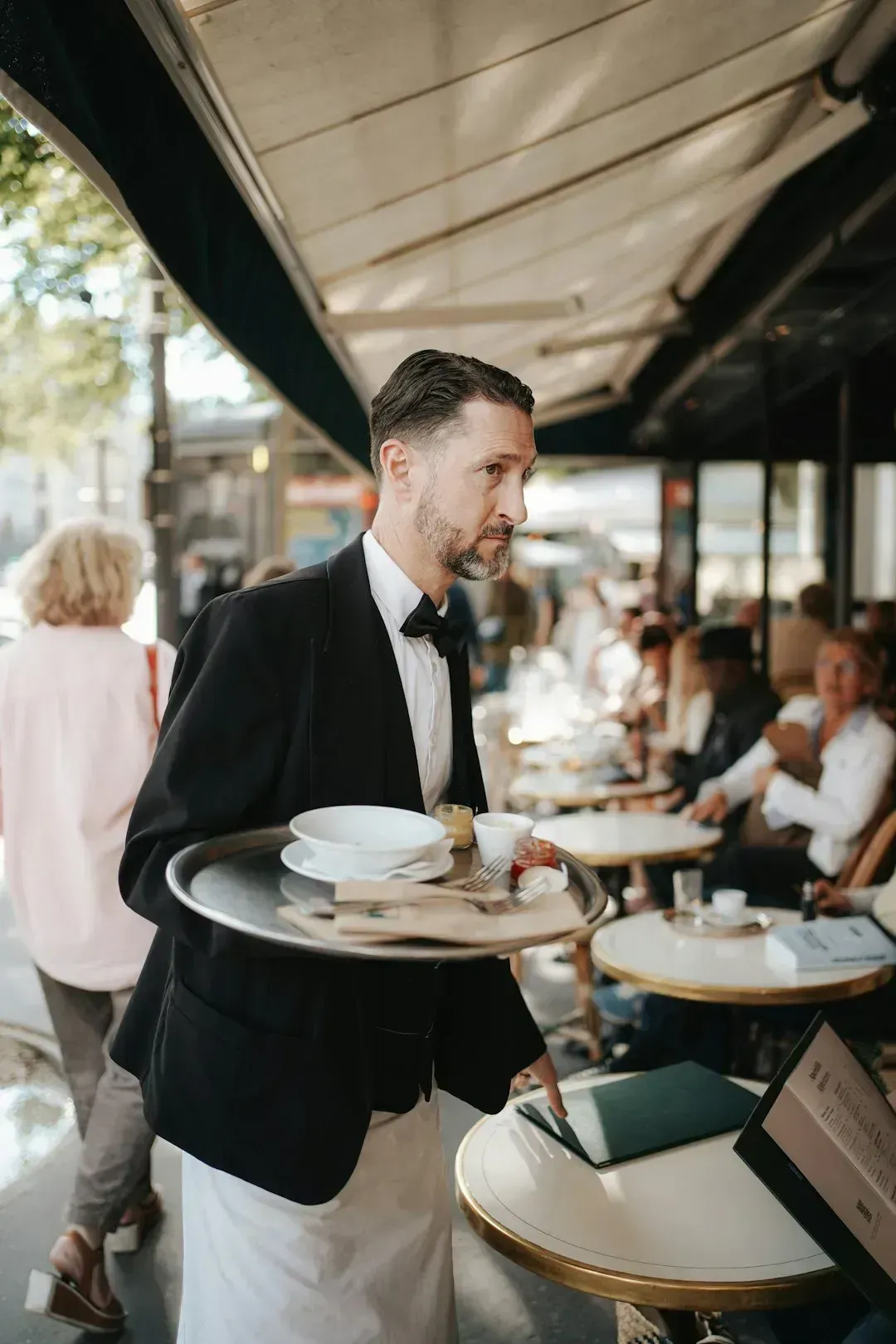
Your date is watching how you treat everyone else in the room. In one survey, 47% of respondents didn’t ask for a second date after their match was rude to someone like a waiter or bartender. That’s nearly half.
A separate study of Americans found a sharper number, with 90% saying it’s a deal breaker when someone is rude to staff or employees. The two surveys measure different things, so they don’t match exactly. Both point the same way, though, because small cruelties suggest how someone behaves under stress.
Turning the Evening Into a Monologue

A first date is meant to be an exchange. In one poll, 34% of respondents said a first date was ruined because their date talked about themselves so much that they couldn’t contribute. That’s about one in three.
Not asking questions registers as a red flag too, as the American study above showed. Curiosity is easy to demonstrate. Ask something, listen to the answer, and follow up on it.
Bringing Up the Ex

Everyone has a past, and nobody expects a blank slate. Still, 88% of singles think a first date is too soon to talk about their ex, noting this typically signals they haven’t moved on. That’s the vast majority of those surveyed.
The issue is rarely the information itself. A brief, neutral mention of a past relationship usually passes without trouble. Extended complaints or comparisons leave your date feeling like a stand in for someone else.
Rushing Toward Commitment

Eagerness can read as pressure when it arrives too early. In the same survey, 53% of respondents were scared off by a first date asking whether they were ready to commit to a new relationship. That’s just over half.
Wanting something serious is perfectly reasonable, and saying so plainly is better than hiding it. The misstep is demanding an answer before the two of you know each other. Let the second and third dates carry that conversation.

Leave a Reply