
Every year, millions of Americans book flights to Paris, Rome or Lisbon. Lately, plenty of them have been second-guessing those plans after headlines about terrorism, protests and fresh State Department warnings. It’s a fair question, and the answer lives in the numbers more than in any single news cycle.
The short version is reassuring, with caveats. Europe remains one of the most peaceful regions on earth, yet some risks are real and worth understanding before you go. Here’s what official reports and major indexes from 2024 to 2026 actually say.
What the State Department’s Warning Levels Really Mean

The U.S. advisory system runs from Level 1, “Exercise Normal Precautions,” to Level 4, “Do Not Travel.” Level 4 is reserved for extreme dangers like active conflict. Most of Western Europe sits at Level 2, which is a call for awareness, not a call to cancel.
One 2026 travel guide notes that France, Italy, Spain, Germany and the United Kingdom carry Level 2 ratings, driven mainly by terrorism awareness and organized petty crime in busy tourist zones. Another summary puts it plainly: these countries aren’t rated that way because they’re broadly dangerous. Advisories are worth reading, but they work as a caution scale, not a danger ranking.
Belgium’s Updated Advisory Made Headlines
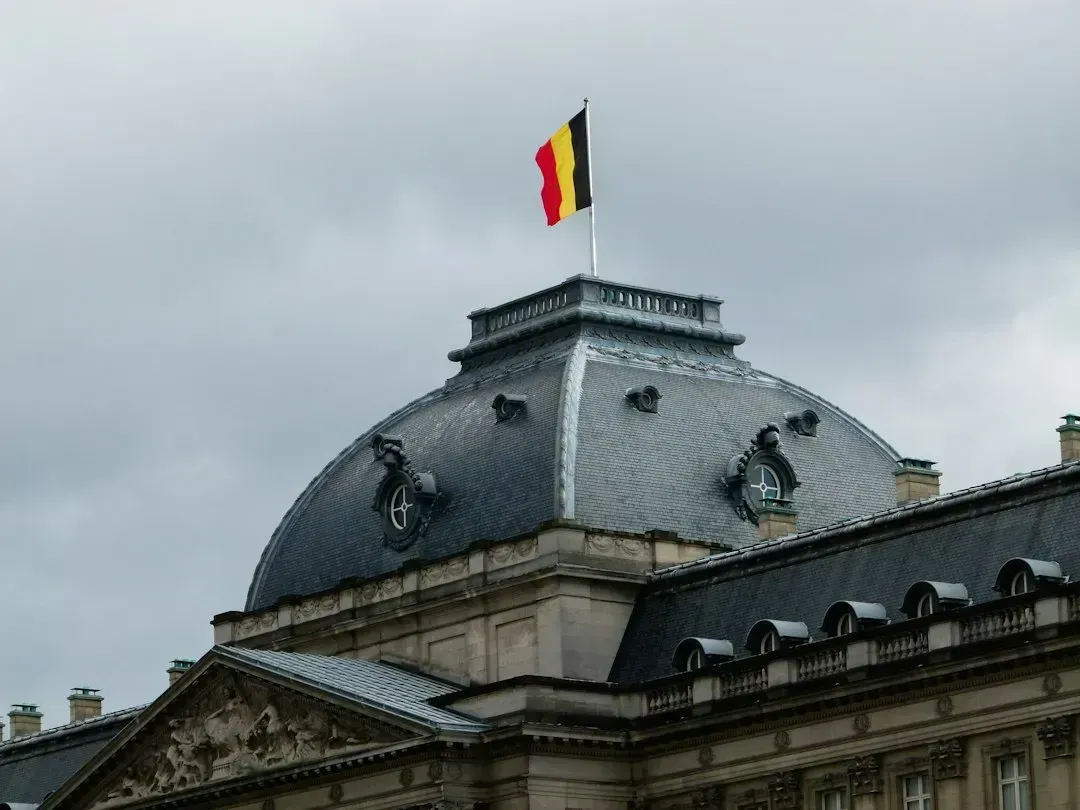
The most recent European change came in July 2026. The State Department updated its Belgium advisory, urging increased caution because of crime, terrorism and unrest, while keeping it at Level 2. The update added new risk indicators for crime and unrest and revised the summary.
The wording sounds alarming, but the substance is fairly ordinary. Most crimes against foreigners are described as crimes of opportunity, like purse snatching and pickpocketing. The advisory also says large, generally peaceful demonstrations may disrupt transportation and other essential services. In other words, expect delays and keep an eye on your bag.
Europol’s Terrorism Numbers Are Down, Not Up

Europol’s annual report is the best Europe-wide dataset on terrorism. For 2025, it counted 45 attacks in ten EU member states, of which 22 were completed, three failed and 20 were foiled. That’s a decline from the 58 attacks reported in 2024.
Notably, nearly half of those incidents never happened because authorities stopped them. Meanwhile, 486 suspects were arrested for terrorism-related offences across 21 member states. That points to active, ongoing policing rather than a continent caught off guard.
The Threat Hasn’t Disappeared, and the Details Matter
It would be wrong to wave the risk away. Jihadist attacks held steady at 24, but nine were completed in 2025 versus six in 2024. Jihadist terrorism also stayed the most lethal form, causing five deaths and 81 injuries.
The methods are low tech. Among the 45 attacks, stabbing was the most common method, followed by bombing, arson and shooting. Europol has also flagged the involvement of minors and young people in terrorism and violent extremism as a worrying development. For visitors, the practical takeaway is that attacks are rare and mostly unpredictable, so crowd awareness matters more than avoiding whole countries.
Europe Still Dominates Global Peace Rankings

The 2026 Global Peace Index covers 163 countries using 23 indicators. The results favor Europe heavily. Western Europe holds seven of the world’s ten most peaceful countries. Iceland kept first place for the 19th consecutive year.
The other European names in the top ten are Switzerland, Slovenia, Ireland, Austria, Portugal and Finland. At the regional level, Western and Central Europe remains the most peaceful region in the index. Keep in mind the index measures conflict, militarization and societal safety, so it isn’t a crime-only ranking.
Where Some Scores Have Slipped

The picture isn’t uniformly rosy. The index report says the region’s safety and security measures deteriorated, with France ranked 99th globally. Time Out’s summary adds that France is the least peaceful country in the Western and Central Europe region. The report also pointed to a record 40 percent rise in politically motivated crimes in Germany in 2024.
Some countries moved the other way. Poland made the biggest jump, rising from 45th place in 2025 to 22nd in 2026. The takeaway is that Europe isn’t one place. Conditions vary a lot by country, and even within them.
Petty Crime Is the Risk Most Visitors Actually Meet

If you’re going to have a bad experience, it will probably involve a wallet or phone, not violence. Belgium’s advisory warns that backpacks and small bags can be easily stolen, especially when left in the overhead area on trains or at main stations. The same pattern shows up across major tourist cities.
One 2026 travel summary frames it the same way: the advisory that applies to most trips concerns petty theft, not violent crime. Simple habits help. Keep valuables in front pockets, stay alert at stations and landmarks, and don’t leave bags unattended.
War and Geopolitics Add Context, Not Panic

The war in Ukraine and tensions in the Middle East sit in the background of every safety discussion. Europol noted concerns that the war could facilitate extremist skill acquisition, illicit weapons trafficking and further societal divisions within the EU. The embassy in Belgium has also cited recent incidents in Belgium and Western Europe that may be linked to the current Middle East conflict.
The conflict zone itself is a different matter. In the peace index, Russia and Ukraine remain the region’s least peaceful countries. That’s a world away from a trip to Lisbon or Vienna, and the data keeps those two situations clearly separate.
The Bottom Line for American Travelers

The evidence supports a measured answer. Terrorist attacks across the EU fell in 2025 compared with 2024, most of Western Europe ranks among the world’s most peaceful places, and the usual visitor risk is theft. At the same time, the threat is not zero, and several countries have seen worsening scores or tougher advisory language.
So Europe is still a sound travel choice for most Americans. Check your destination’s advisory, enroll in the State Department’s STEP alerts, watch your belongings, and go. Awareness, not avoidance, is what the numbers actually call for.





Leave a Reply