
Grocery shopping used to be one of the more mundane errands on the weekly to-do list. Lately, though, more shoppers are paying closer attention to where they push their carts, and for good reason. Between shrinking produce quality, inconsistent shelf stocking, and price tags that don’t always match what’s in the bag, a pattern has emerged across customer reviews and independent surveys.
Several recent studies, including large-scale analyses of Google reviews and consumer satisfaction surveys, point to specific chains that keep showing up near the bottom of the list. The reasons vary from store to store, but the common threads are freshness, service, and value. Here’s a closer look at eleven grocery chains that are quietly losing shoppers.
1. Walmart
Walmart remains the largest grocery retailer in the country, but size hasn’t translated into consistent quality. A Solitaired analysis of millions of Google reviews found that Walmart and Safeway each have three of the worst 10 grocery stores in the country, and Walmart’s mediocrity extends past the bottom 10, with 22 of the 50 worst rated stores coming from the chain.
Shoppers frequently point to the same frustrations. Walmart may be a go-to for low prices, but it’s often at the cost of your sanity, with overwhelming store size, frequently disorganized aisles, long checkout lines, and quality that can be hit or miss, especially when it comes to fresh produce and meats. For shoppers who prioritize consistency over rock-bottom prices, that trade-off is becoming harder to justify.
2. Safeway
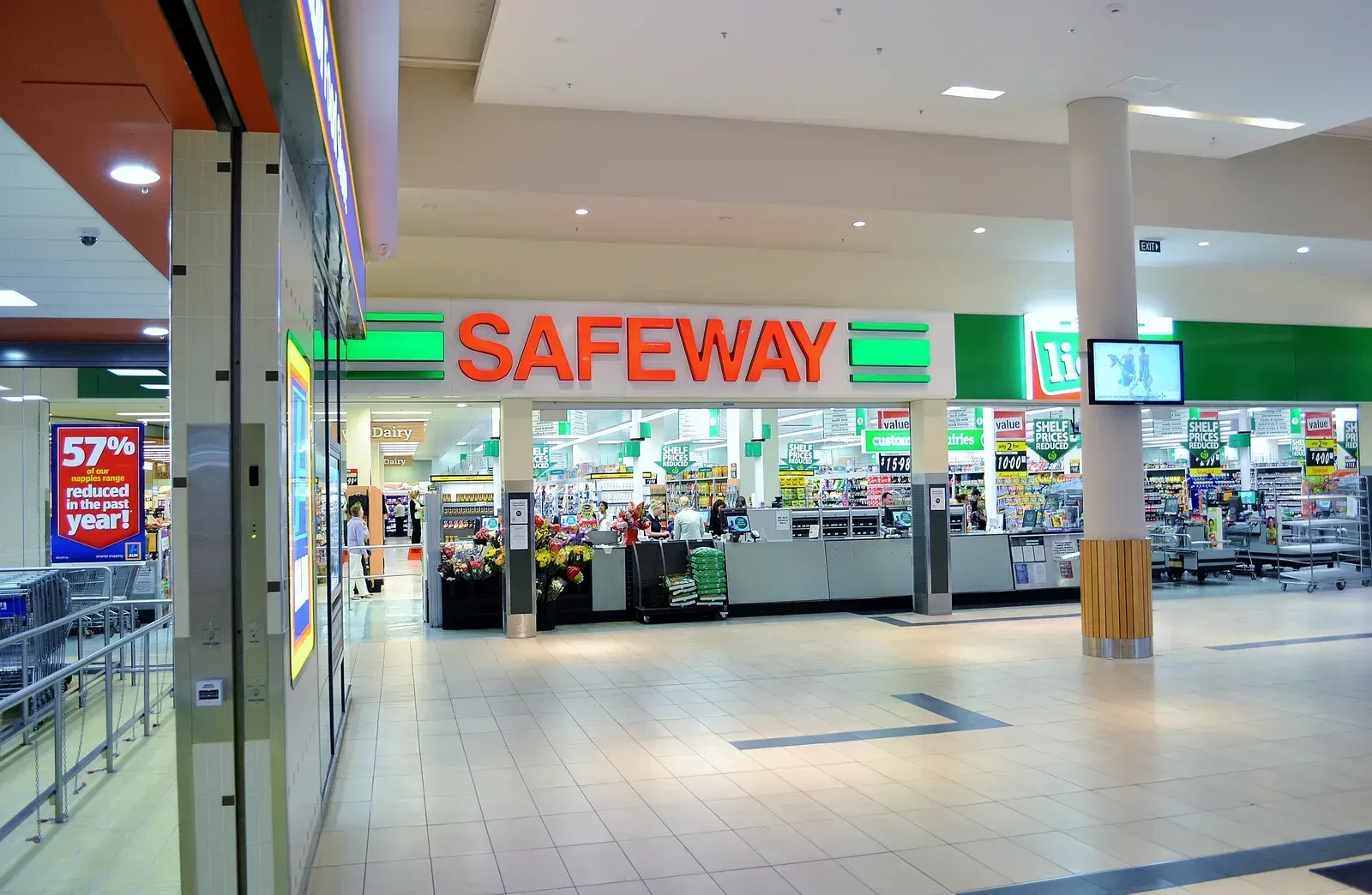
Safeway shows up repeatedly in negative rankings, and not just in one category. The same Solitaired data that flagged Walmart also singled out Safeway as having three of the worst 10 grocery stores in the country, a notable finding given the chain’s smaller national footprint compared to Walmart.
Complaints tend to cluster around pricing that doesn’t match what’s on the shelf. Safeway was once a staple in the grocery game, but now it’s plagued with high prices that don’t always match the quality, and complaints about lackluster produce and frequently expired items have grown louder. Another analysis found the chain struggling across the board, with customers frequently citing “expensive” and “overpriced” items alongside staffing and service problems.
3. King Soopers
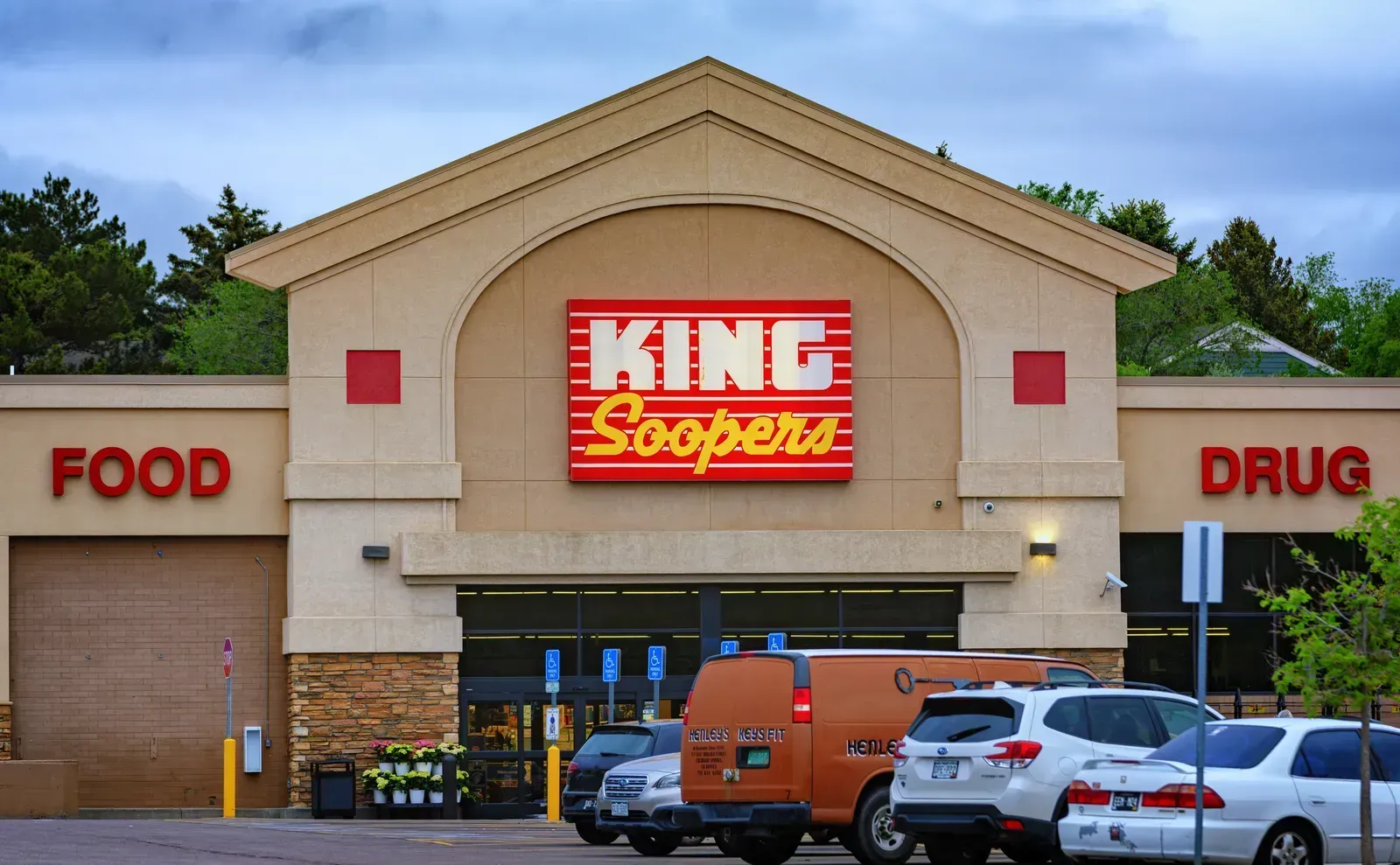
Owned by Kroger, King Soopers operates primarily in Colorado and Wyoming, and it has earned an unwelcome distinction in recent rankings. According to one widely cited study, King Soopers is the worst-rated supermarket in the study, with Walmart in second.
The chain’s struggles appear tied to broader issues within its parent company. Denver, where King Soopers has a significant presence, has become something of a case study in grocery dissatisfaction, with customer service complaints piling up across multiple chains in the metro area. For local shoppers, the frustration isn’t isolated to one store but seems baked into the regional shopping experience.
4. Kroger
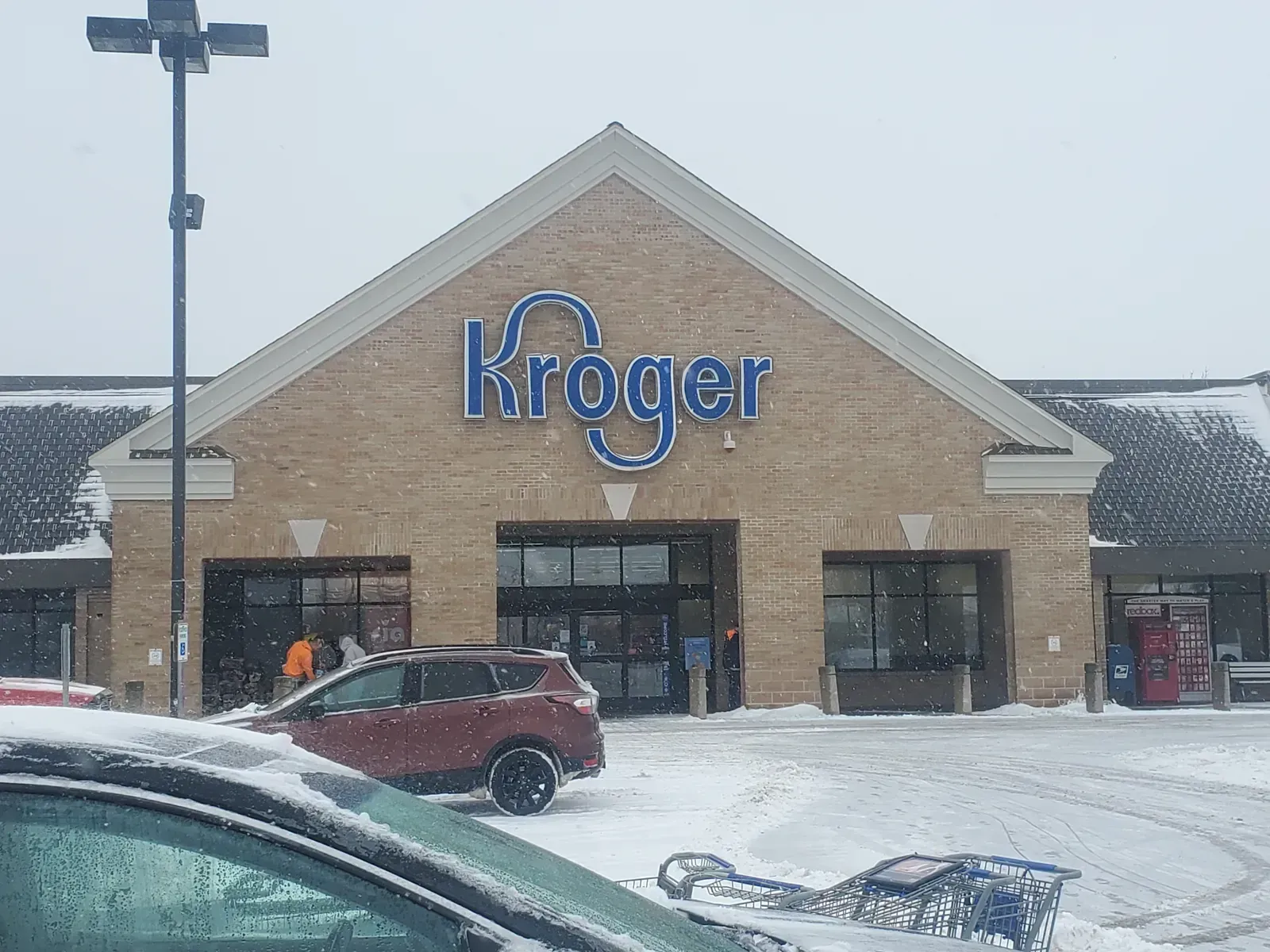
As one of the biggest grocery conglomerates in the U.S., Kroger’s problems ripple out to millions of shoppers nationwide. Kroger locations frequently struggle with long lines, poor customer service, and produce quality issues that frustrate regular shoppers, and the company’s widespread reach means these problems affect millions of Americans who rely on Kroger-owned stores.
The issues aren’t confined to one region either. From Columbus, Ohio to Irving, Texas, Kroger locations consistently appear among the worst-rated individual stores in their respective cities, as staffing and customer service struggles create ripple effects that impact everything from checkout speed to produce freshness. Add in a chaotic year involving leadership changes and legal disputes, and it’s easy to see why some longtime customers are looking elsewhere.
5. Giant Eagle
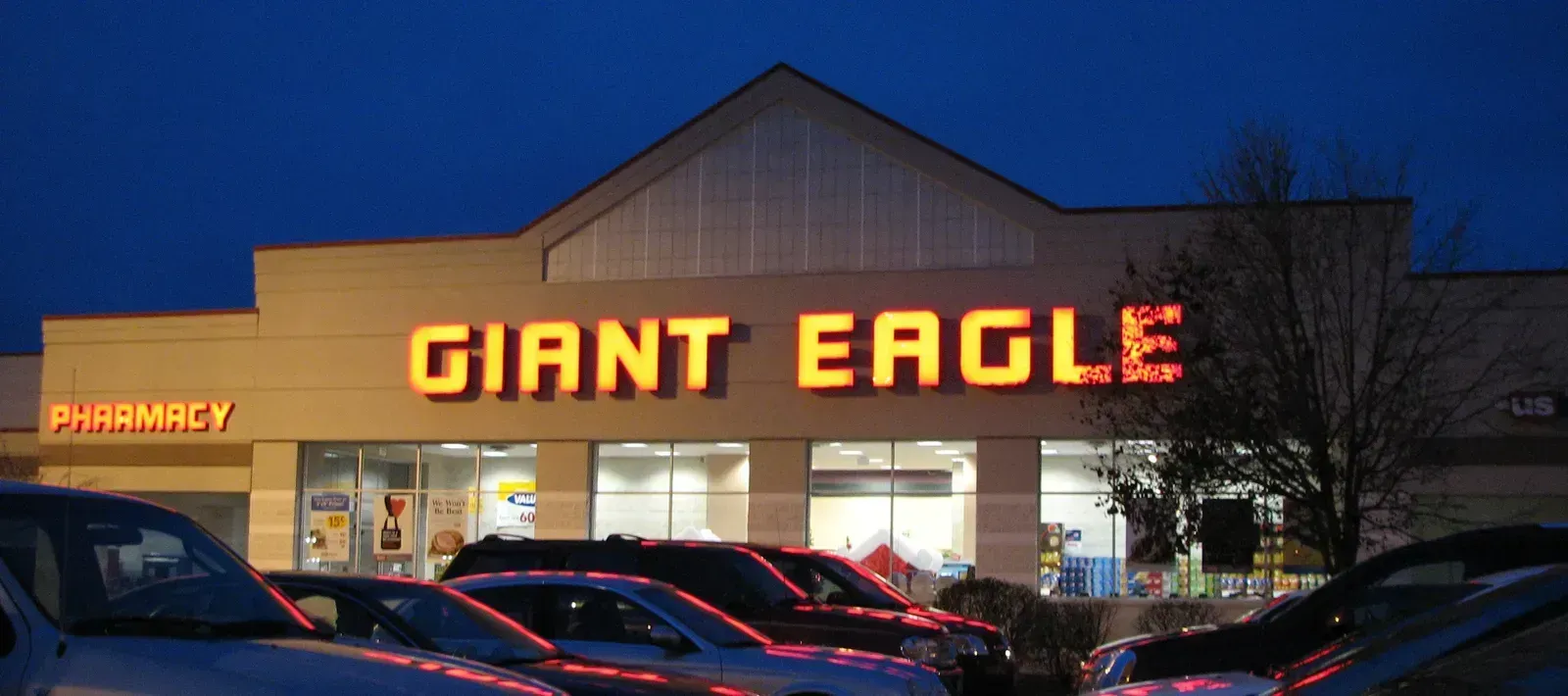
Giant Eagle has built a reputation, fair or not, as one of the pricier options on the block. Giant Eagle has been catching heat for years about its prices, with shoppers constantly complaining that everything costs way too much.
To its credit, the chain has responded to the pressure. Giant Eagle seems to have finally noticed that customers are tired of getting fleeced, and in fall 2025, the chain launched price-cutting initiatives, lowering prices on over 300 frequently purchased items. Whether that’s enough to win back skeptical shoppers remains an open question, especially since one location in Pittsburgh was ranked as the single worst individual grocery store in a separate analysis.
6. Cub Foods
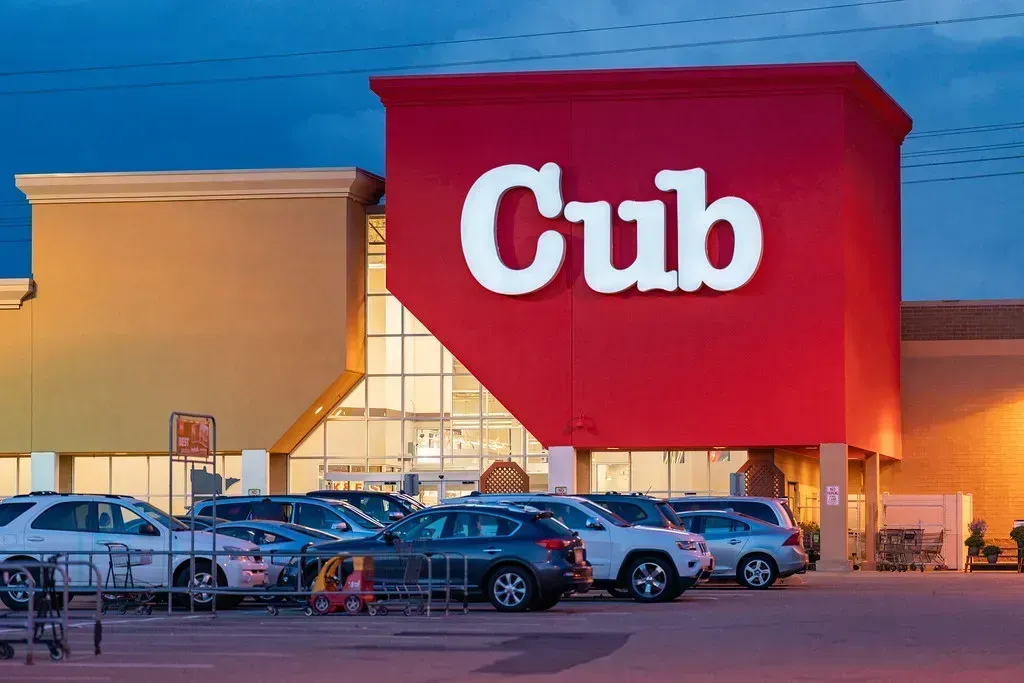
This Minnesota-based chain has seen its reputation slide in recent years, according to shoppers who remember it differently. The Minnesotan chain Cub Foods didn’t used to be such a rip-off, one review-based comparison noted, suggesting a gradual shift rather than a sudden drop in customer sentiment.
Price comparisons that circulated among frustrated shoppers helped fuel this reputation shift. Regional chains like Cub Foods often face a tougher road than national players when it comes to balancing cost with quality, since they don’t always have the same supply chain leverage. That gap has become more visible as grocery prices climb nationwide.
7. Key Food
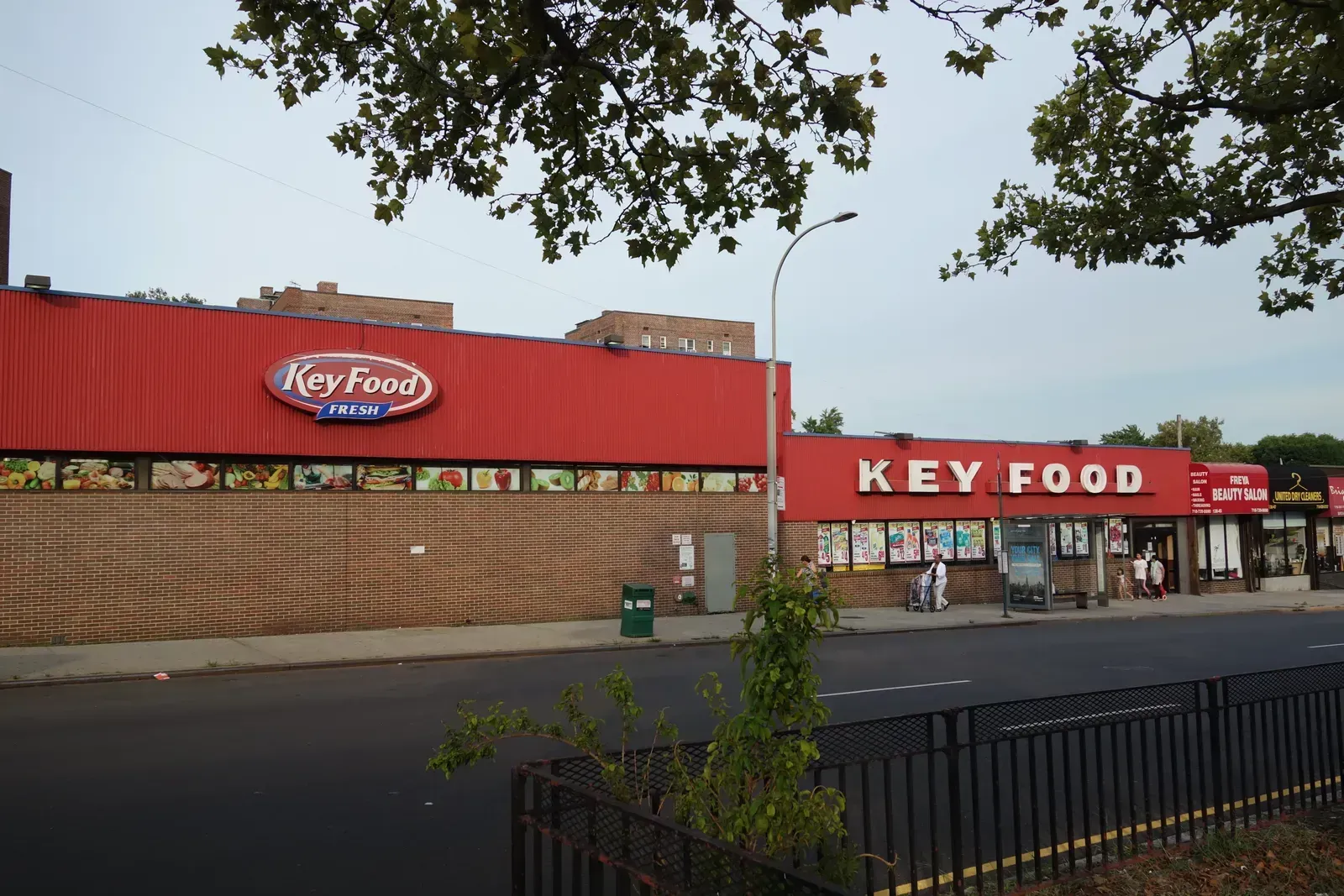
Consumer Reports doesn’t rank many grocery chains dead last, but Key Food earned that spot in a recent independent evaluation. According to its independent, anonymously conducted evaluation, the absolute worst grocery chain is Key Food, which received 69 points out of 100.
That score reflects a broad rubric covering everything from cleanliness to product freshness. For a regional chain concentrated in the Northeast, a ranking like this from a widely trusted consumer organization carries real weight, especially in a market where shoppers have plenty of alternatives.
8. ACME Markets
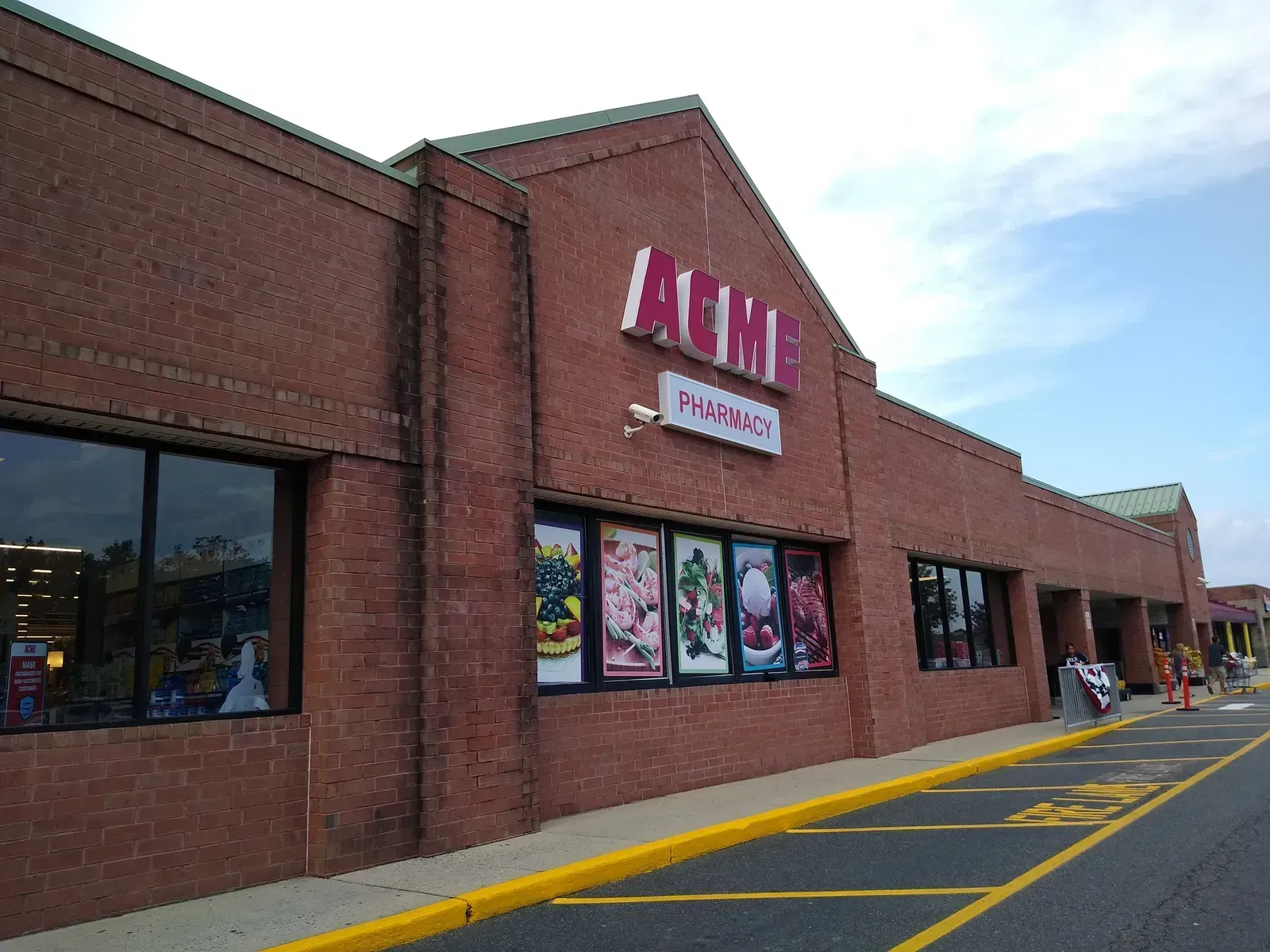
ACME shows up alongside other regional names as one of the chains struggling to keep customers satisfied. Several regional grocery chains also struggle with customer satisfaction, including Giant Eagle, ACME, and Piggly Wiggly, and ACME and Piggly Wiggly consistently receive below-average ratings in their respective markets.
The chain’s struggles seem tied to a broader challenge facing smaller regional grocers. These regional players often lack the resources to compete effectively with better-managed chains. That resource gap can show up in everything from staffing levels to how quickly shelves get restocked with fresh product.
9. Piggly Wiggly
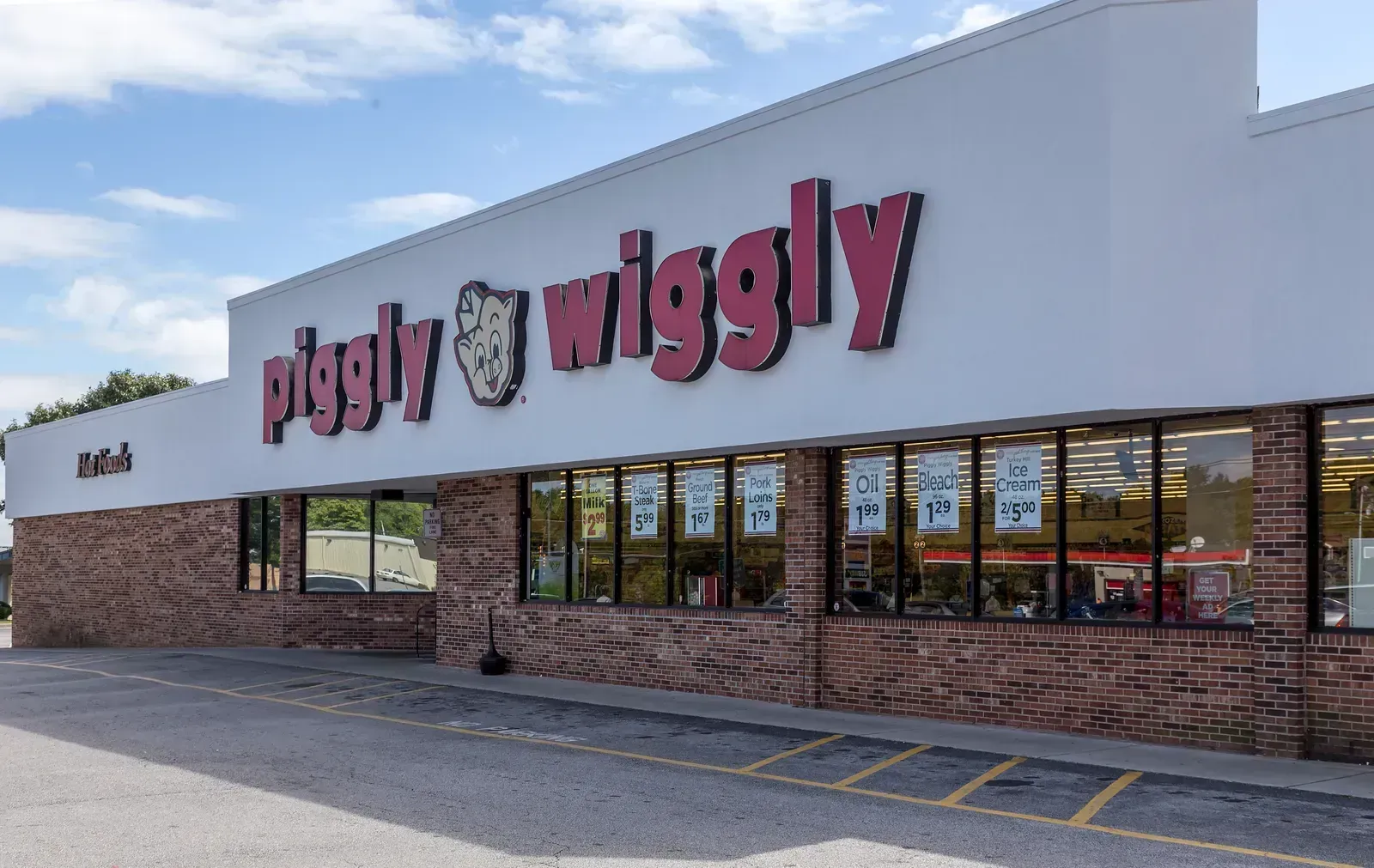
Piggly Wiggly, a familiar name across parts of the South and Midwest, has also landed on the list of chains with below-average ratings. As noted above, it consistently receives below-average ratings in its respective markets, placing it in the same category as other regional grocers struggling to keep pace.
Part of the challenge for chains like Piggly Wiggly is competing against both national retailers and newer discount grocers that have expanded aggressively in recent years. With less capital to invest in store upgrades or supply chain improvements, some locations have fallen behind on the basics that shoppers now expect, from consistent produce quality to shorter checkout waits.
10. Albertsons
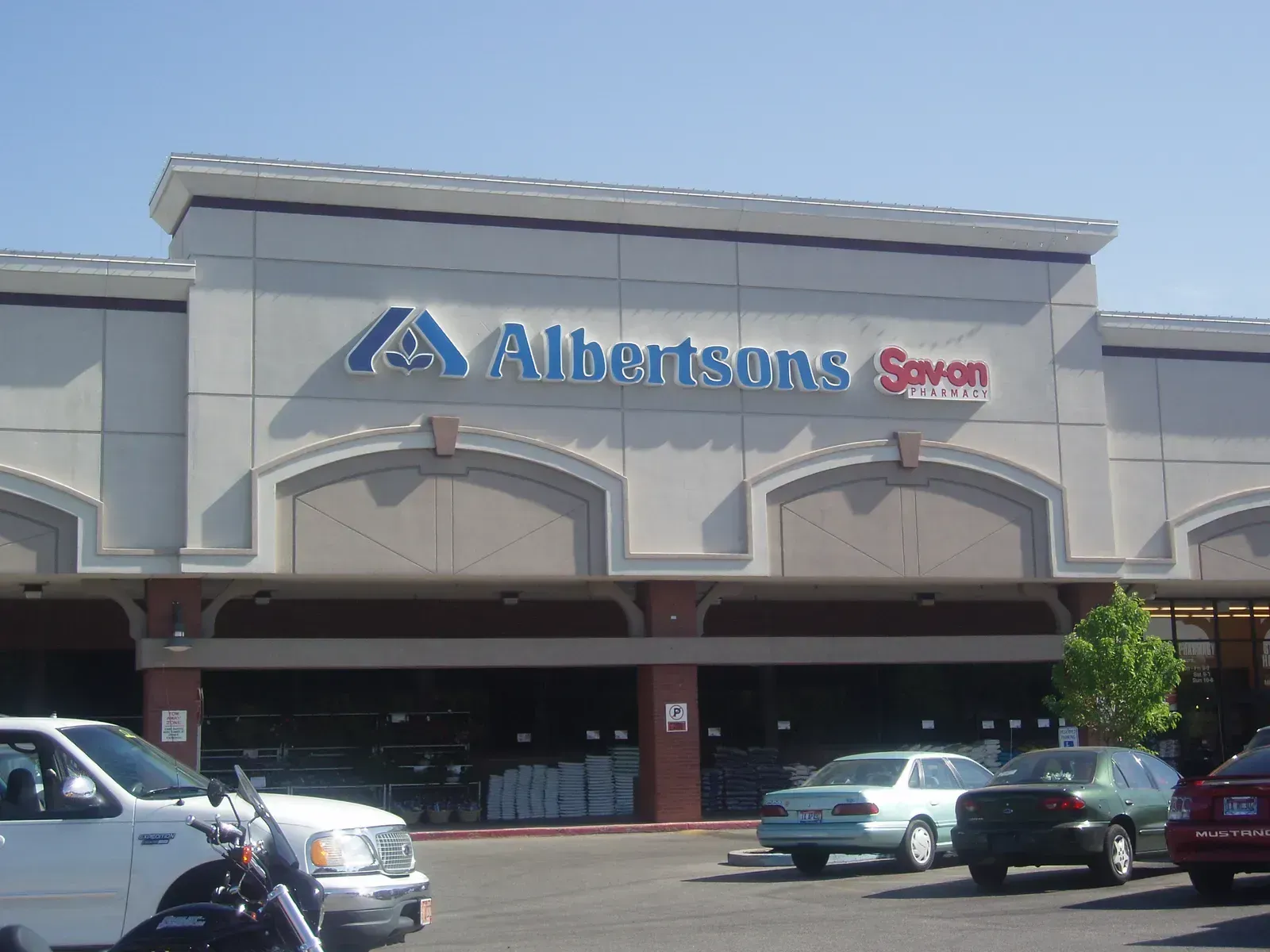
Albertsons is one of the largest grocery chains in the country, but customer sentiment appears mixed at best. Known for its convenient neighborhood locations, wide selection of fresh produce, and regular promotions, Albertsons is one of the largest grocery chains in the United States, yet customer reviews suggest concerns about store management and product freshness at times.
The numbers tell a more specific story about loyalty. While Albertsons scores a 75% customer service satisfaction rate, only 43% of reviewers said they would visit the store again, and only 29% would recommend the retailer to a friend or colleague, suggesting Albertsons cannot be complacent about its ranking. That gap between decent service scores and low repeat-visit intent is a telling sign that something beneath the surface isn’t landing with shoppers.
11. Dollar General
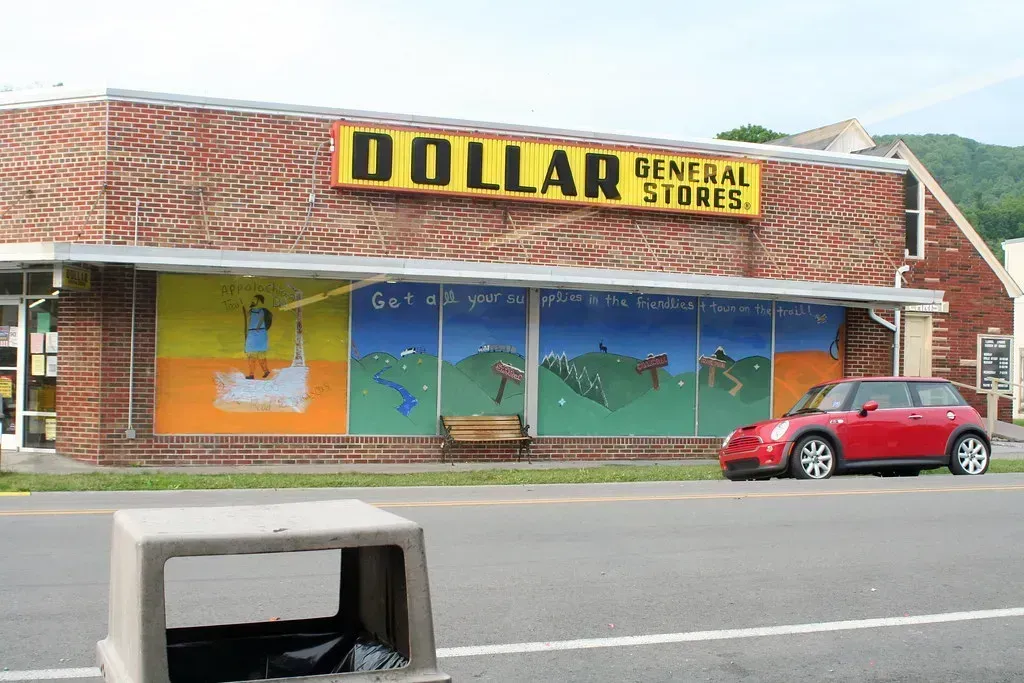
Dollar General has expanded its grocery offerings significantly in recent years, positioning itself as a convenient option in smaller towns and underserved areas. That expansion, however, hasn’t come without friction, as the chain shows up among those most frequently flagged in consumer complaint surveys.
According to PissedConsumer’s analysis of consumer feedback, the American grocery stores that most frequently received complaints about poor customer service, unresolved issues, and low recommendation rates include Safeway, Aldi Grocery, Dollar General, among others. For a chain that has grown by filling grocery gaps in rural and low-income communities, that pattern of complaints raises questions about whether growth has outpaced the ability to maintain consistent quality and service.
None of this means these chains are disappearing anytime soon. Grocery habits are sticky, shaped by location, price, and convenience as much as by online reviews. But the data suggests shoppers are noticing the gaps between what they expect and what they’re getting, and they’re increasingly willing to say so, whether through a one-star review or simply by driving a little further to a different store.



Leave a Reply