
Steakhouse menus look simple, but they hide a lot of range. Some dishes are made with care, while others are there to fill out the page and raise the check. Anyone who has worked a line knows which is which.
The ten picks below come from how professional kitchens usually work, not from a single rulebook. Your local steakhouse may differ, so treat them as guidelines and not laws.
A Bone-In Ribeye, Cooked Medium Rare
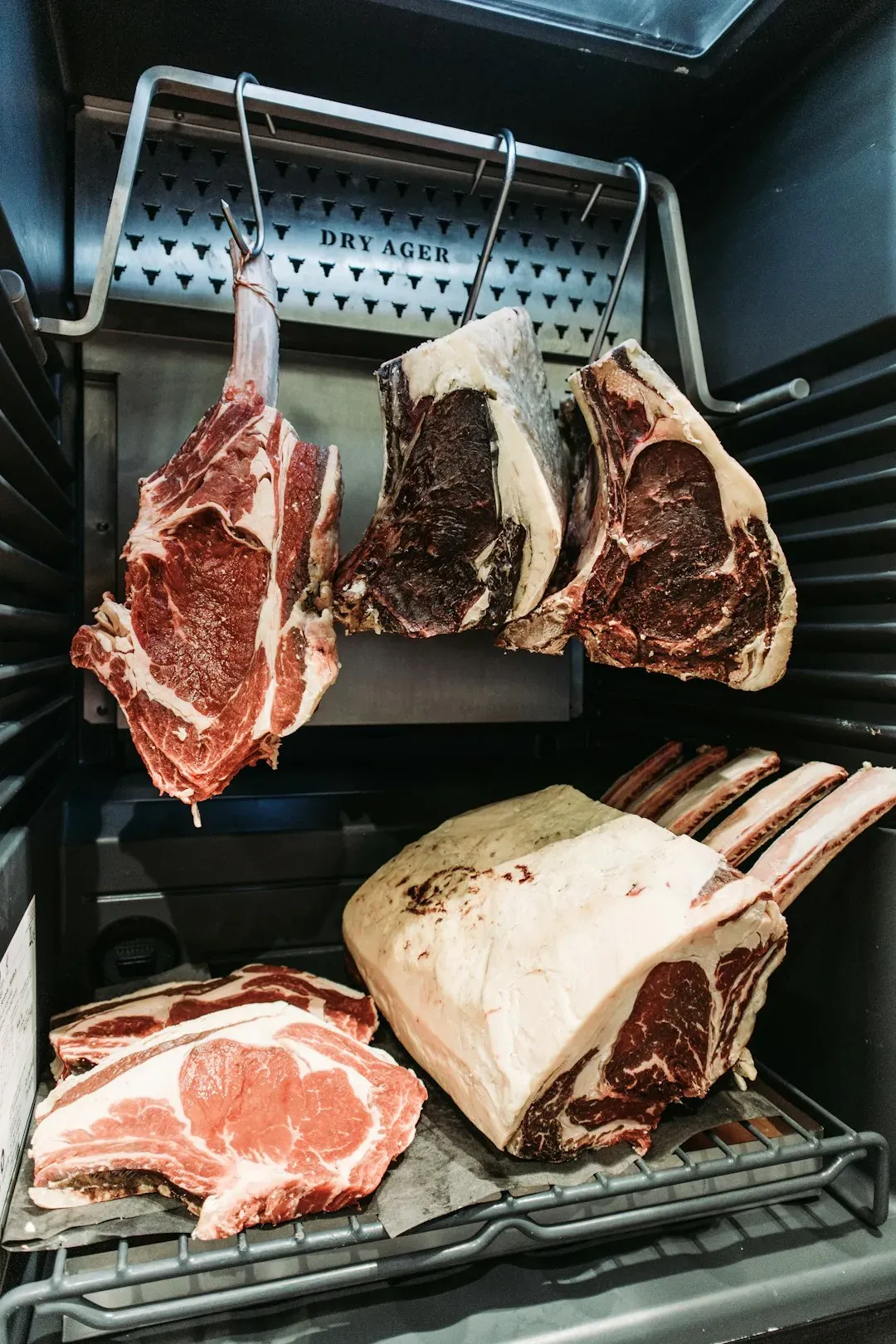
If I’m paying steakhouse prices, this is where I start. The bone slows heat on the side nearest to it, and the ribeye’s generous marbling keeps the meat juicy. Fat that renders during cooking is a large part of why this cut tastes so rich.
I ask for medium rare because that’s where most kitchens hit their stride. Cook it much past medium and the fat can’t make up for the lost moisture. The USDA’s safe internal temperature for whole beef cuts is 145 degrees Fahrenheit with a rest, so well-informed diners can make their own call.
Shrimp Cocktail, When It’s Done Right
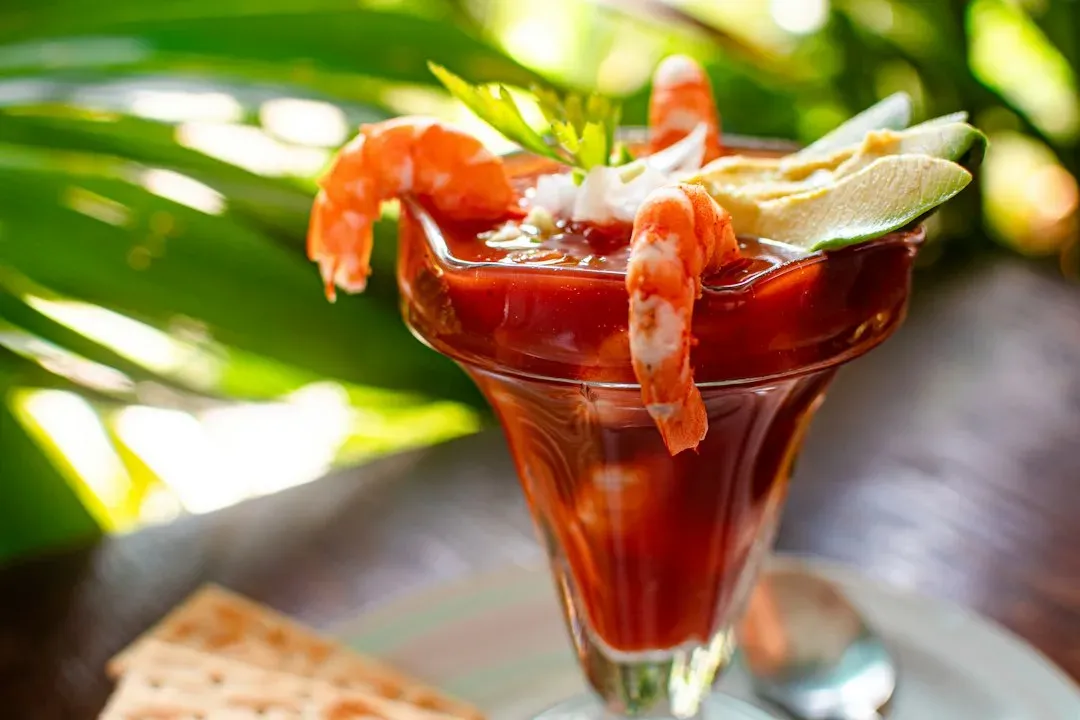
It’s an old classic, and it’s cheap to get wrong. Good versions use shrimp that were poached gently and chilled fast, so they stay snappy instead of rubbery. I look for a sharp, fresh horseradish kick in the sauce.
The test is simple. If the shrimp curl into a loose C shape, they were likely cooked well. A tight O usually means overcooked.
Wedge Salad
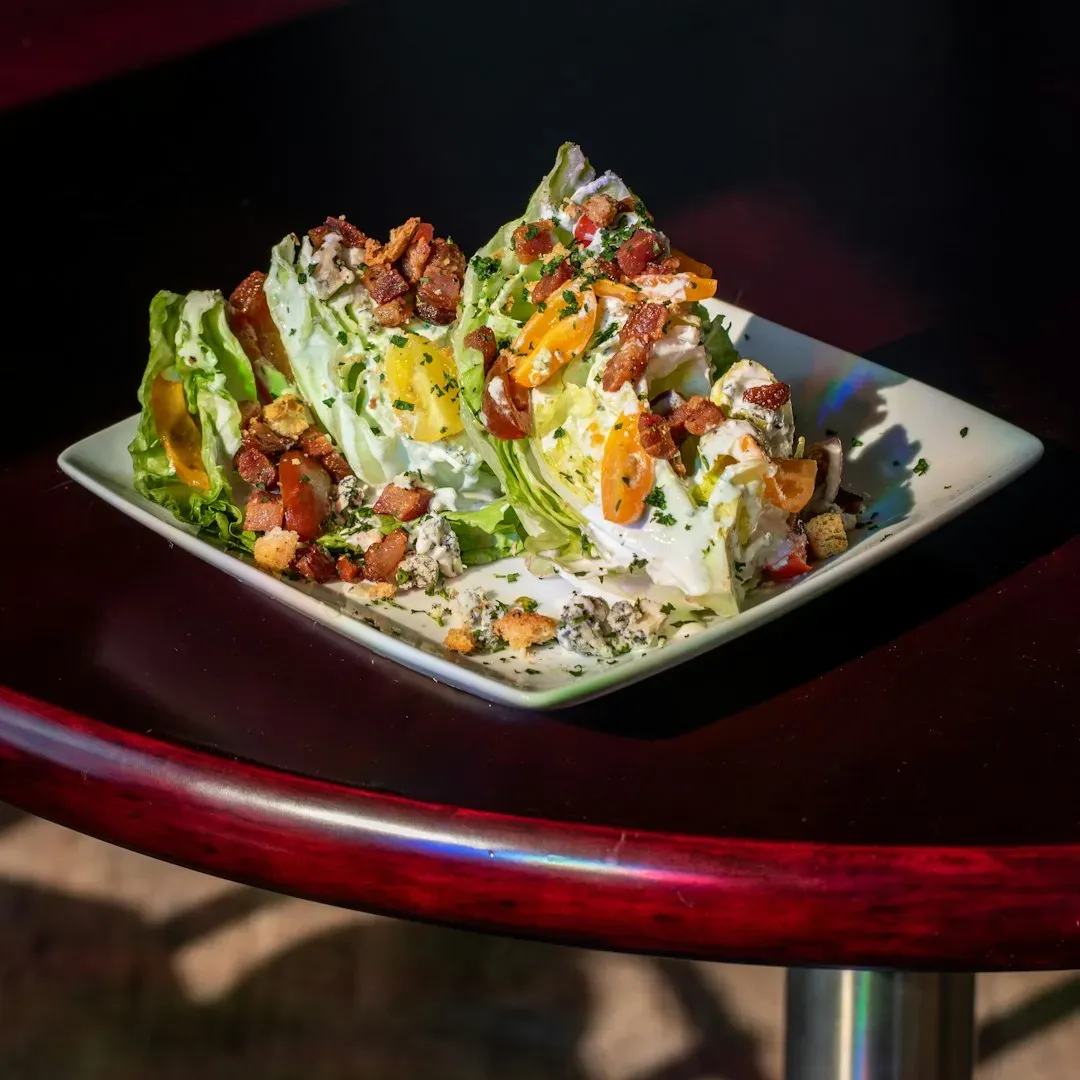
It sounds boring, yet I order it often. Cold, crisp iceberg, tangy blue cheese dressing and salty bacon cut through the richness of the steak that follows. It works as a palate reset more than a health move.
Not many kitchens can mess it up. The main thing to check is that the lettuce arrives truly cold and the dressing is made in house, not poured from a tub.
Filet Mignon With a Sauce on the Side
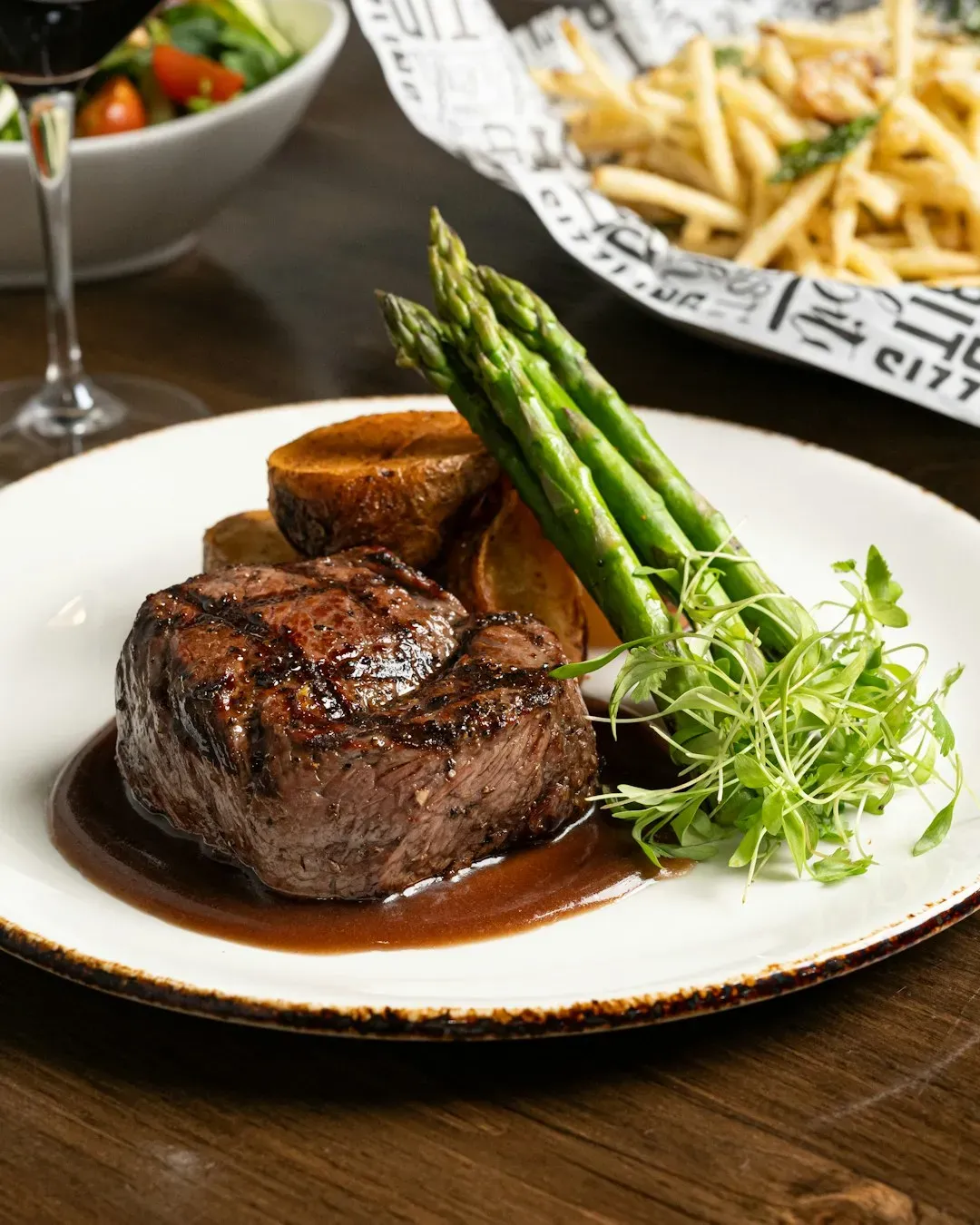
Filet is lean and tender, but it doesn’t carry much flavor by itself. That’s why I like it with a bearnaise or a peppercorn sauce, served on the side so I control how much goes on. The sauce does the work the fat would normally do.
If the kitchen builds sauces from scratch, it usually shows in the steak too. Bearnaise is an emulsion that holds poorly, so a good one tells me somebody is paying attention.
Creamed Spinach
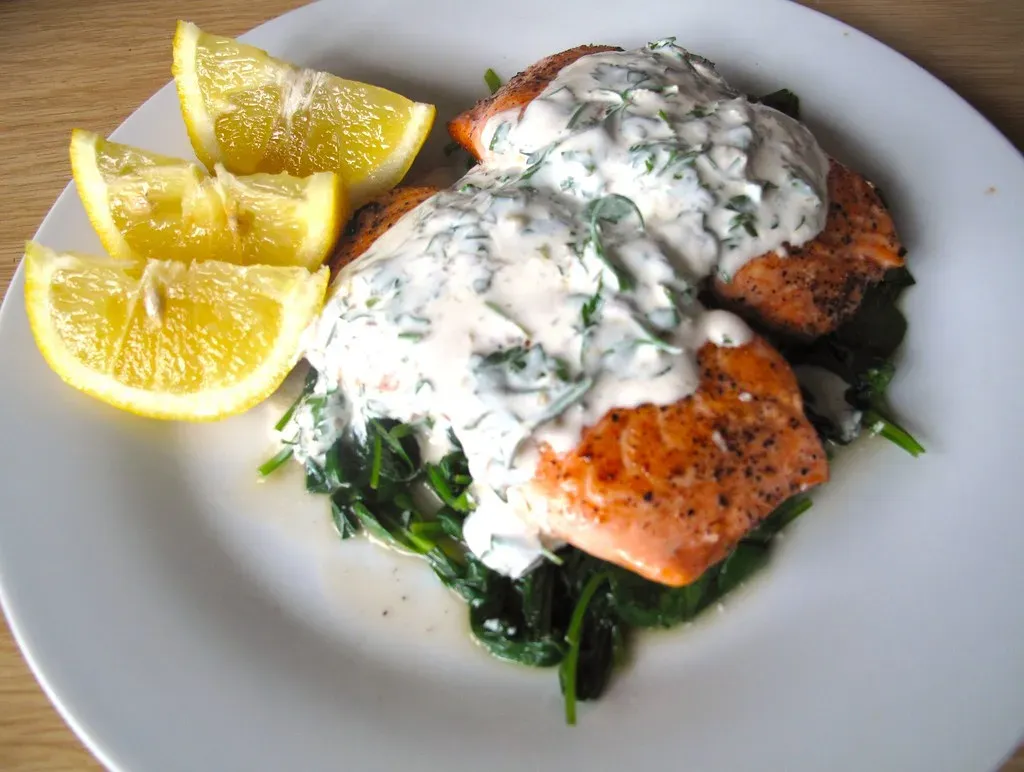
This is the side dish I’d defend to the end. Cream, butter and a little nutmeg turn a leafy green into something that tastes like it belongs next to red meat. The best ones keep some texture instead of becoming a uniform green paste.
It’s also a quick read on the kitchen’s seasoning. If it’s balanced and not just heavy, the cooks know what they’re doing.
Roasted Bone Marrow
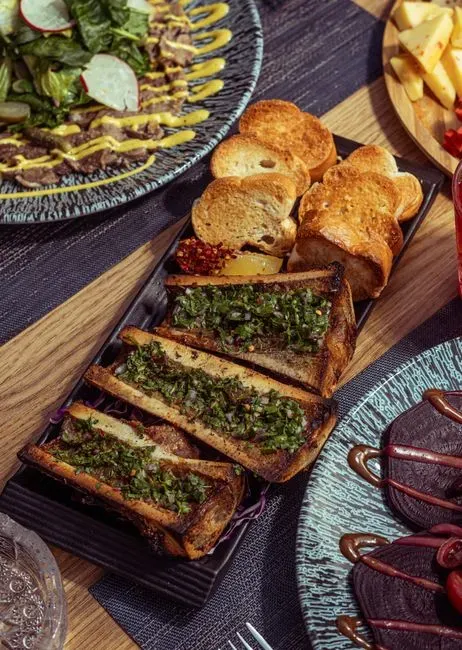
When it’s on the menu, I usually order it. Marrow is basically concentrated beef flavor with a buttery texture, and it’s best spread on toast with a little acid like parsley salad or pickled shallots. A split bone makes for an easy, shareable starter.
Ask how long it’s roasted. Too long and the fat melts out of the bone, leaving you with a greasy puddle and not much else.
Baked Potato or Twice Baked Potato
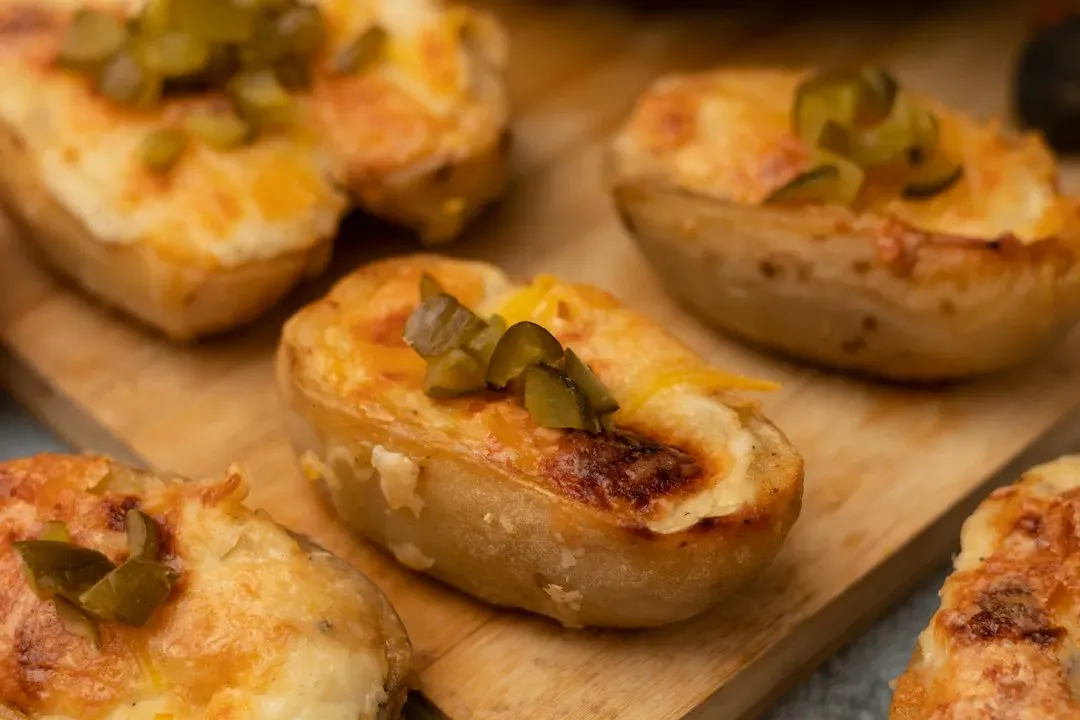
A good steakhouse potato is cheap to make and satisfying to eat. A properly baked russet has a dry, fluffy interior that soaks up butter, which is what you want next to a juicy cut. The twice baked version adds cheese and chives and can be great when it’s made to order.
I skip it only when it’s obviously been held under a heat lamp for hours. A wrinkled, leathery skin is the giveaway.
Dish I Avoid: Well Done Steak Specials
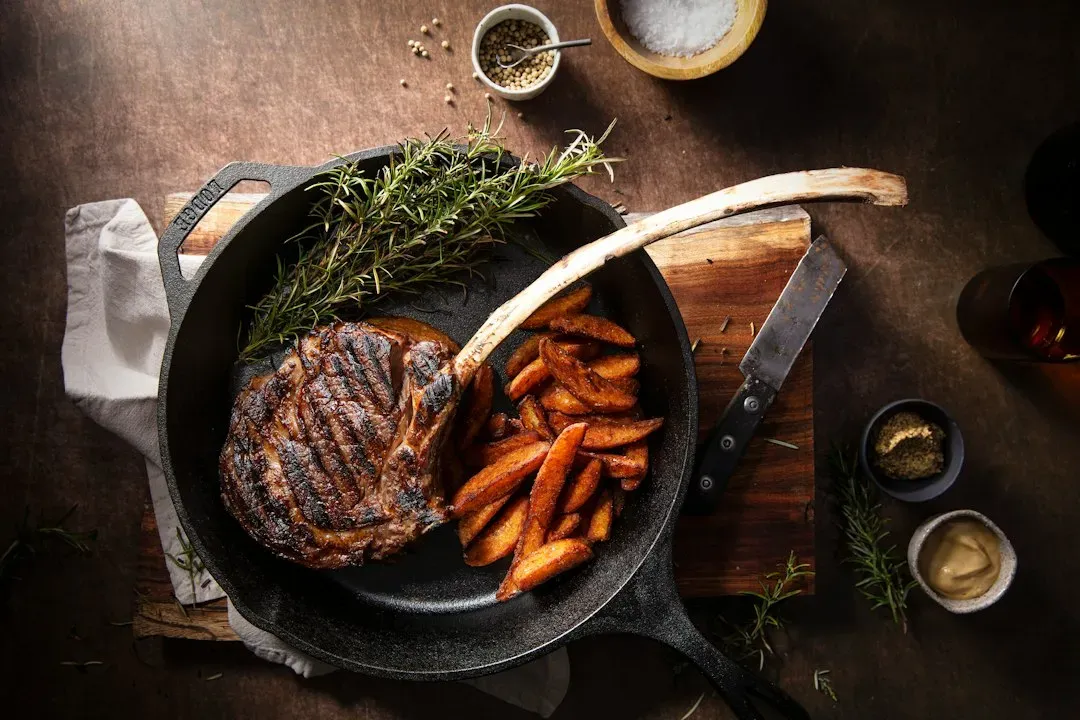
Chefs don’t judge anyone for how they like their steak, but a high end cut cooked well done is a waste of money. The extra heat drives out moisture and flattens flavor. Cheaper cuts are often sold as the safer choice for this reason.
If I’m ordering a premium cut, I want it to taste like beef. For anyone who likes it cooked through, a thinner, more affordable cut often holds up better.
Dish I Avoid: Seafood Pasta or Chicken Entrees
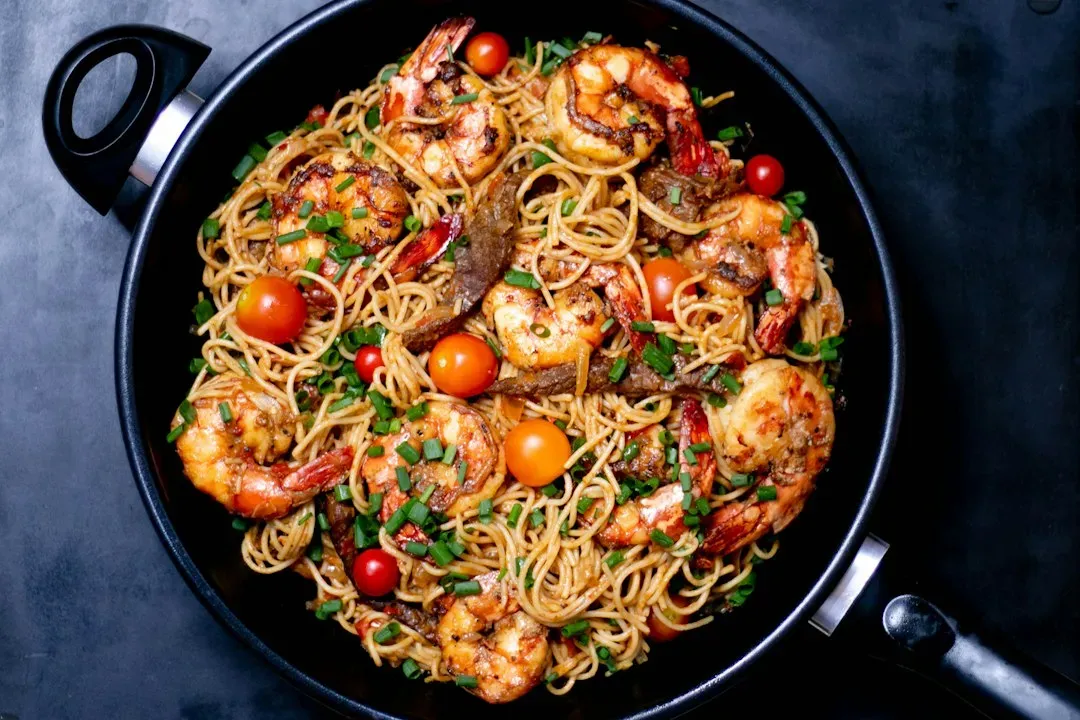
A steakhouse’s equipment, sourcing and training are all built around beef. When I see lobster pasta or a long list of chicken dishes, I assume the kitchen is making them to please every table, not because it’s proud of them. They tend to be the least practiced items on the menu.
I’ll make an exception for a clearly featured fish dish if the restaurant is known for it. Otherwise, I stick to what the room does best.
Dish I Avoid: Pre Cut Prime Rib Late in the Night
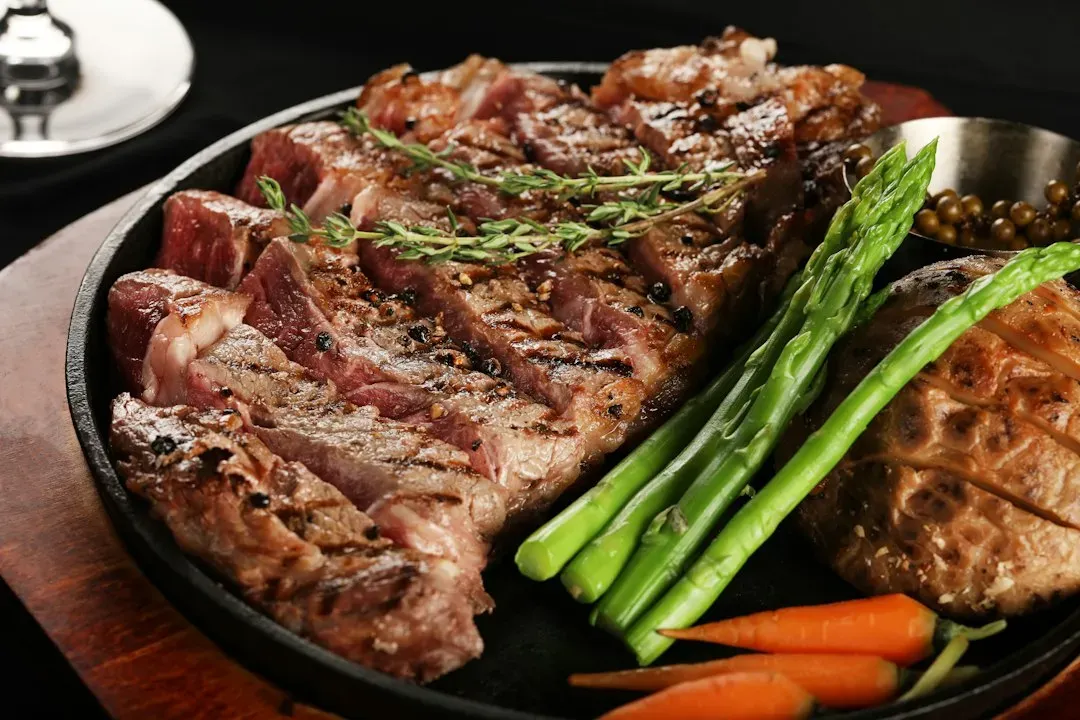
Prime rib is roasted in large batches and sliced to order, so it depends on timing. Late in the evening, what’s left may have been sitting in a warmer for a long stretch, and it can turn gray and dry. I’d rather order a steak that’s cooked fresh to my request.
If you really want prime rib, go early in service, when the roast is at its best. Asking your server when it was carved or put out is a perfectly reasonable question.

Leave a Reply