
1. American Pit Bull Terrier
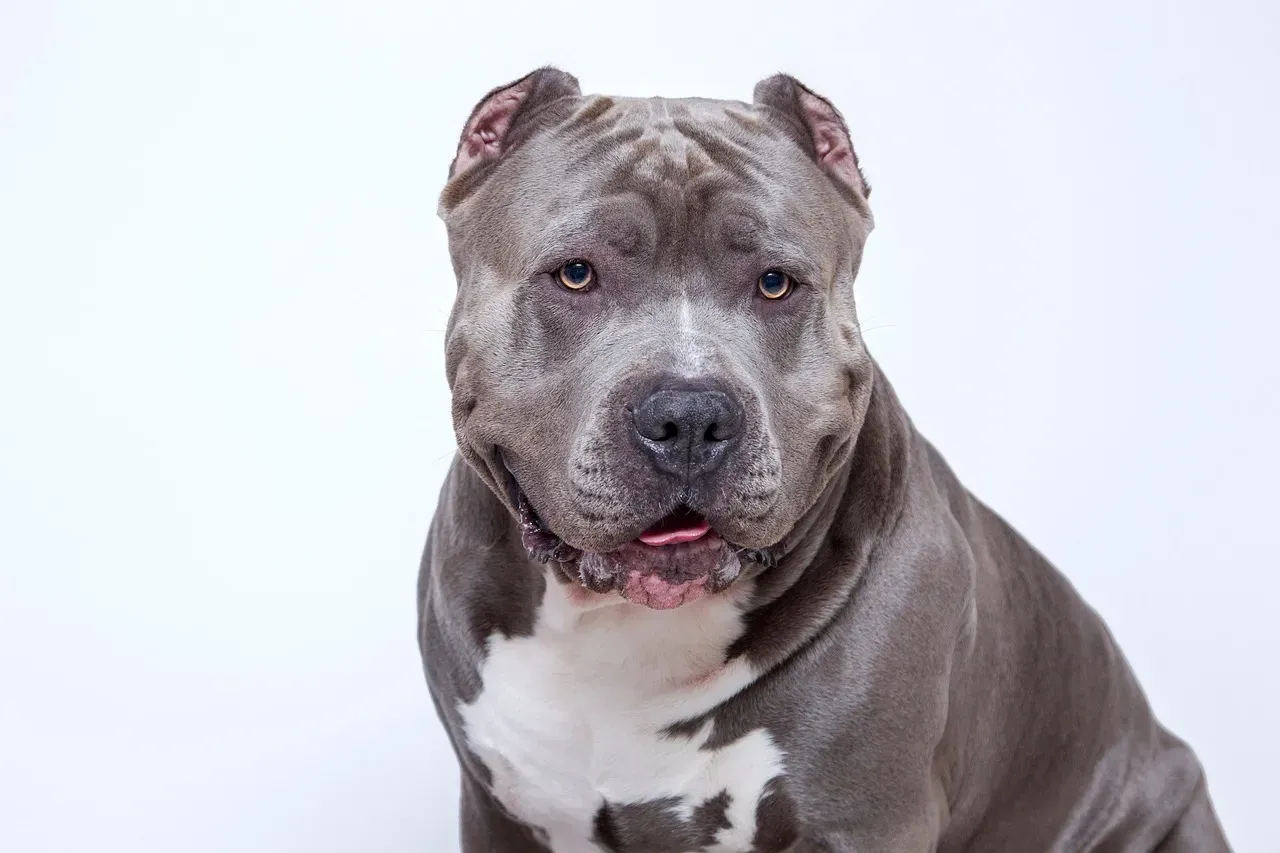
Few breeds show up on more apartment blacklists than the American Pit Bull Terrier. It is not just about size or energy level, though both are considerable. Many insurance policies specifically exclude coverage for pit bull type dogs, which puts landlords in a difficult position even if they personally have no objection.
Beyond the paperwork issues, these dogs are strong, athletic, and need consistent exercise and mental engagement. A bored or under-exercised pit bull in a cramped unit can become destructive or vocal, which quickly draws complaints from neighbors sharing thin apartment walls.
2. Rottweiler

Rottweilers are loyal, intelligent, and often wonderful family dogs, but their sheer size and strength make small living spaces genuinely impractical. A full grown Rottweiler can weigh well over 100 pounds, and that kind of mass moving through a narrow hallway or small living room creates real logistical challenges.
Insurance concerns follow this breed almost everywhere, with many renters insurance and homeowners policies listing Rottweilers among excluded breeds. Property managers who allow them at all frequently require additional deposits or liability coverage, which adds cost and hassle to what should be a simple lease signing.
3. Doberman Pinscher
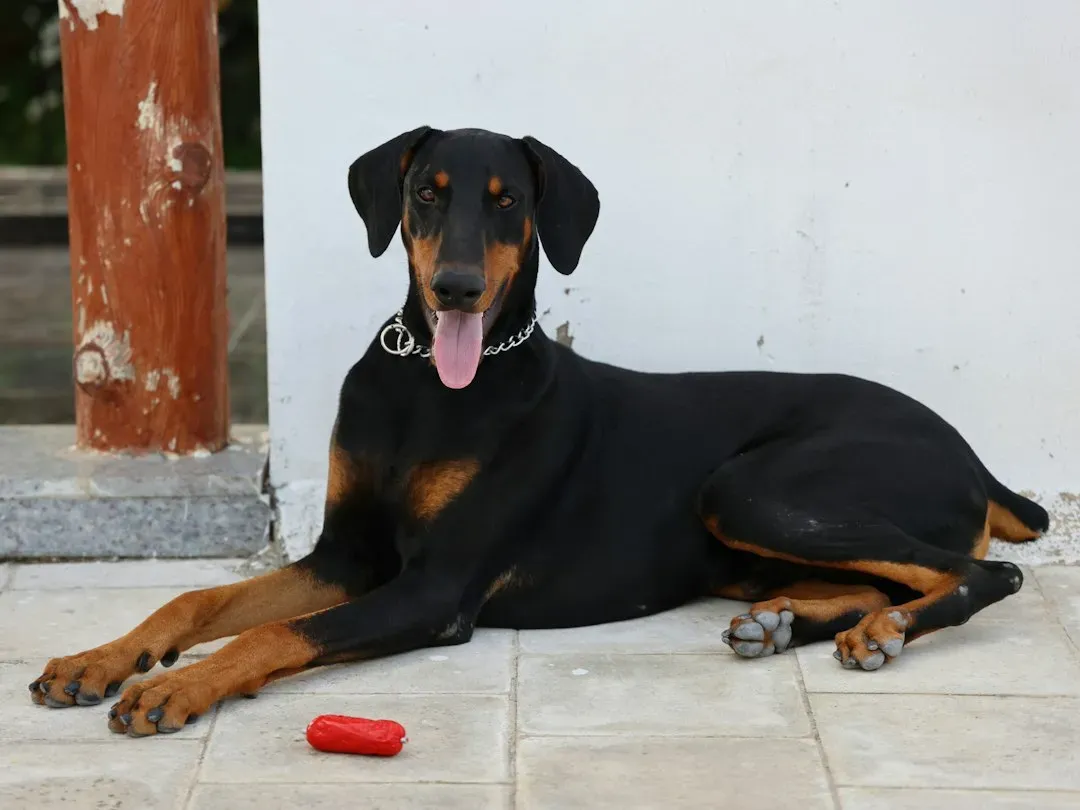
Dobermans are sleek, fast, and built for movement, which is exactly the problem in apartment settings. These dogs were bred for guard work and need substantial daily exercise to stay balanced mentally, something a studio apartment simply cannot provide on its own.
Many buildings that do accept large dogs still flag Dobermans specifically due to their protective instincts and history in guard and police work. Even calm, well socialized individuals can trigger nervous reactions from neighbors unfamiliar with the breed’s intense, alert expression.
4. Siberian Husky

Huskies were bred to pull sleds across vast, cold distances, and that heritage does not disappear just because a dog lives in a two bedroom unit. Their energy needs are enormous, and without proper outlets, huskies are famous for howling, digging, and general mischief that apartment living makes hard to manage.
Shedding is another practical concern landlords weigh heavily. Huskies blow their undercoat seasonally in dramatic fashion, leaving fur that can clog vents and accumulate in shared laundry spaces, which property managers often cite when restricting the breed.
5. German Shepherd
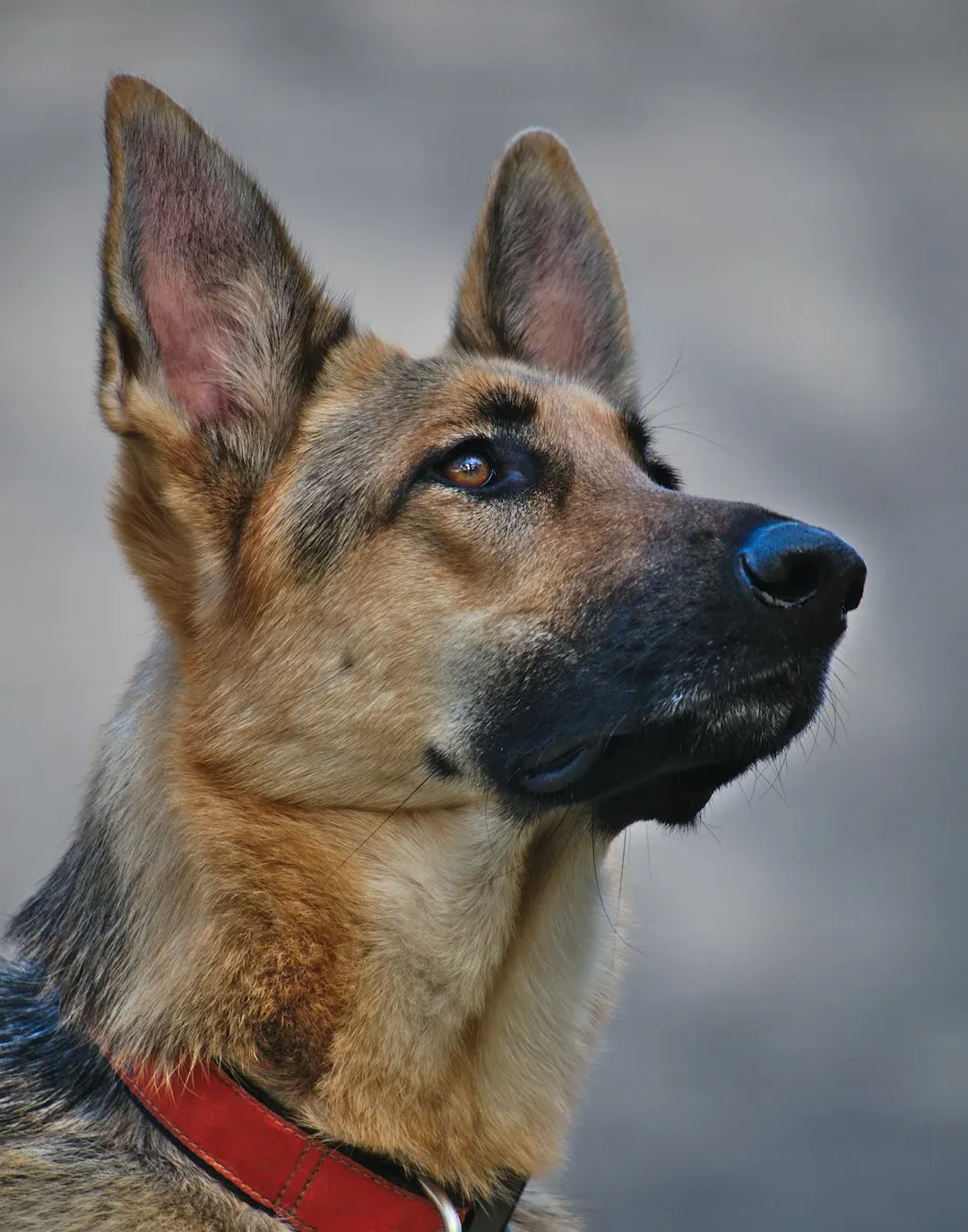
German Shepherds are among the most popular dogs in the country, yet their size and protective nature keep them on plenty of restricted lists. A shepherd bonded closely to its owner may bark or react defensively to hallway noise, delivery workers, or other tenants passing by the door.
These dogs also need serious daily exercise and mental work, given their background in police, military, and herding roles. Without acreage or long structured walks, shepherds can develop anxious or reactive behaviors that become obvious to anyone living nearby.
6. Alaskan Malamute
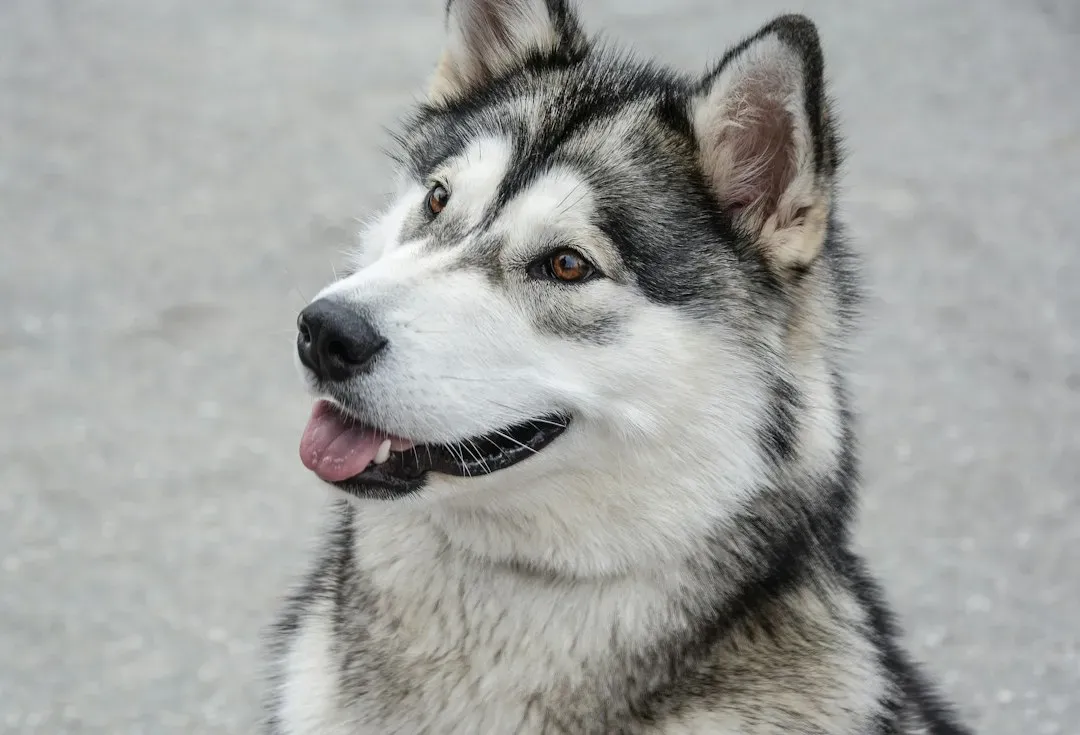
Malamutes are larger and even more powerful than huskies, often weighing between 75 and 100 pounds with a thick double coat built for arctic conditions. That coat sheds heavily, and the breed’s sheer strength makes leash walking through crowded apartment hallways or elevators a genuine physical challenge for smaller owners.
Vocal by nature, malamutes are known for a distinctive vocalization that carries through thin walls and floors. Combined with their need for significant space and activity, many property managers simply decide the breed is not a fit for multi unit housing.
7. Cane Corso

The Cane Corso is a massive Italian mastiff breed, with males often exceeding 100 pounds of solid muscle. Originally developed to guard property and hunt large game, these dogs carry an imposing presence that alone can spook neighbors even before any behavioral issue arises.
Insurance restrictions on Cane Corsos have grown alongside the breed’s rising popularity in recent years. Landlords who might otherwise consider large breeds frequently draw the line here, citing both liability concerns and the practical difficulty of housing such a large animal comfortably indoors.
8. Chow Chow
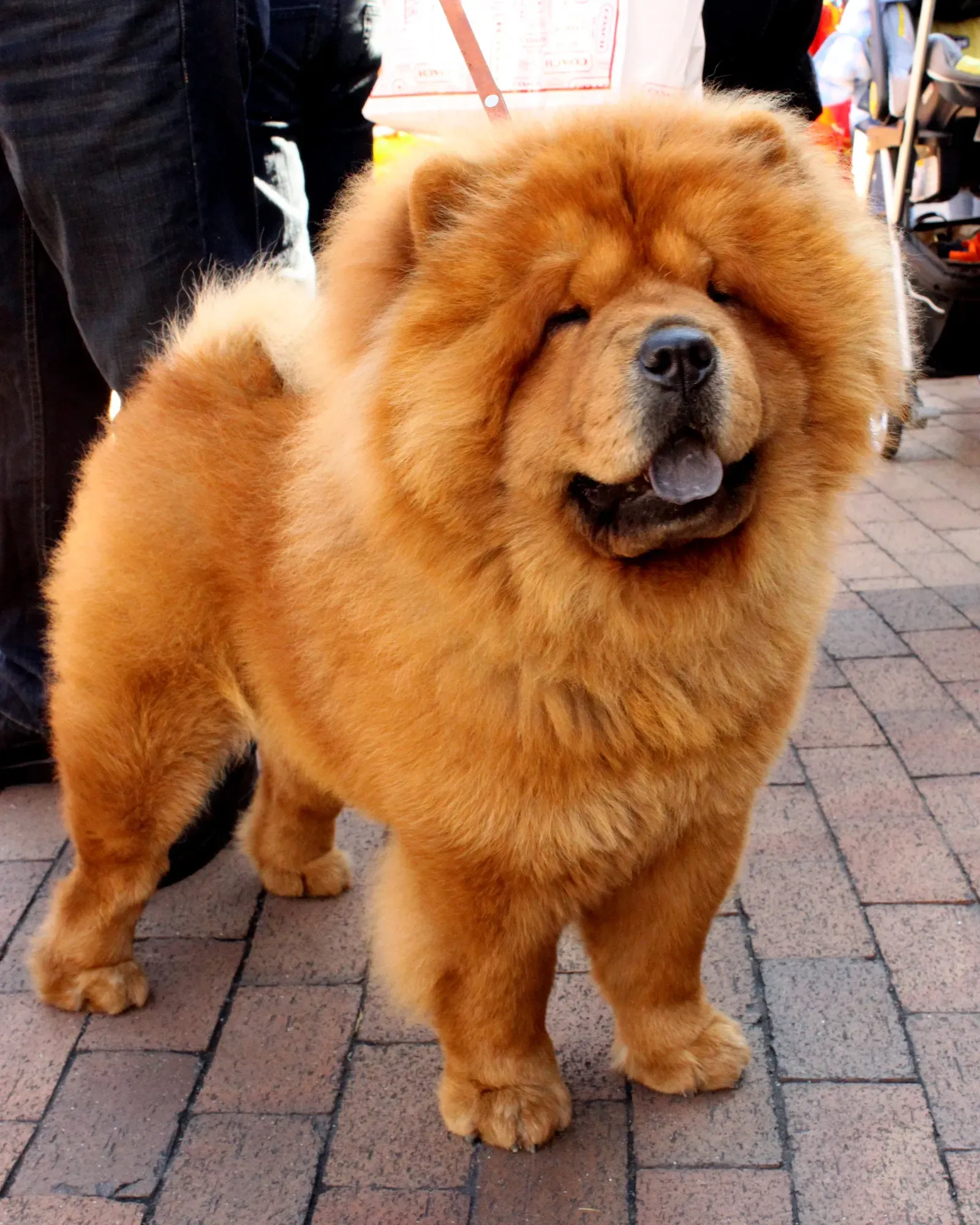
Chow Chows might seem like an unusual entry given their medium size, but their independent, sometimes aloof temperament makes them a recurring name on breed restriction lists. They can be territorial around strangers, including neighbors in shared hallways or common areas, which raises liability flags for property owners.
Their dense double coat also sheds substantially and requires regular grooming to prevent matting and buildup, something that becomes more noticeable in tight indoor spaces. Combined with a reputation for stubbornness that can complicate training in shared environments, Chow Chows frequently end up excluded even in buildings that otherwise welcome larger breeds.





Leave a Reply