
Most home cooks reach for the same few cuts every week: pork chops, a loin roast, maybe a tenderloin if they’re feeling ambitious. Meanwhile, the real treasures of the pig sit quietly behind the counter, overlooked by shoppers and quietly enjoyed by the people who actually know better. Butchers have always known which cuts punch well above their price tags.
Butchers know that so-called “forgotten” cuts carry just as much flavor, if not more, than their expensive, mainstream counterparts. The gap between what these cuts taste like and what they cost is genuinely remarkable. Once you understand a handful of these, your grocery trips will never look quite the same.
Pork Shoulder (Boston Butt): The King of Value
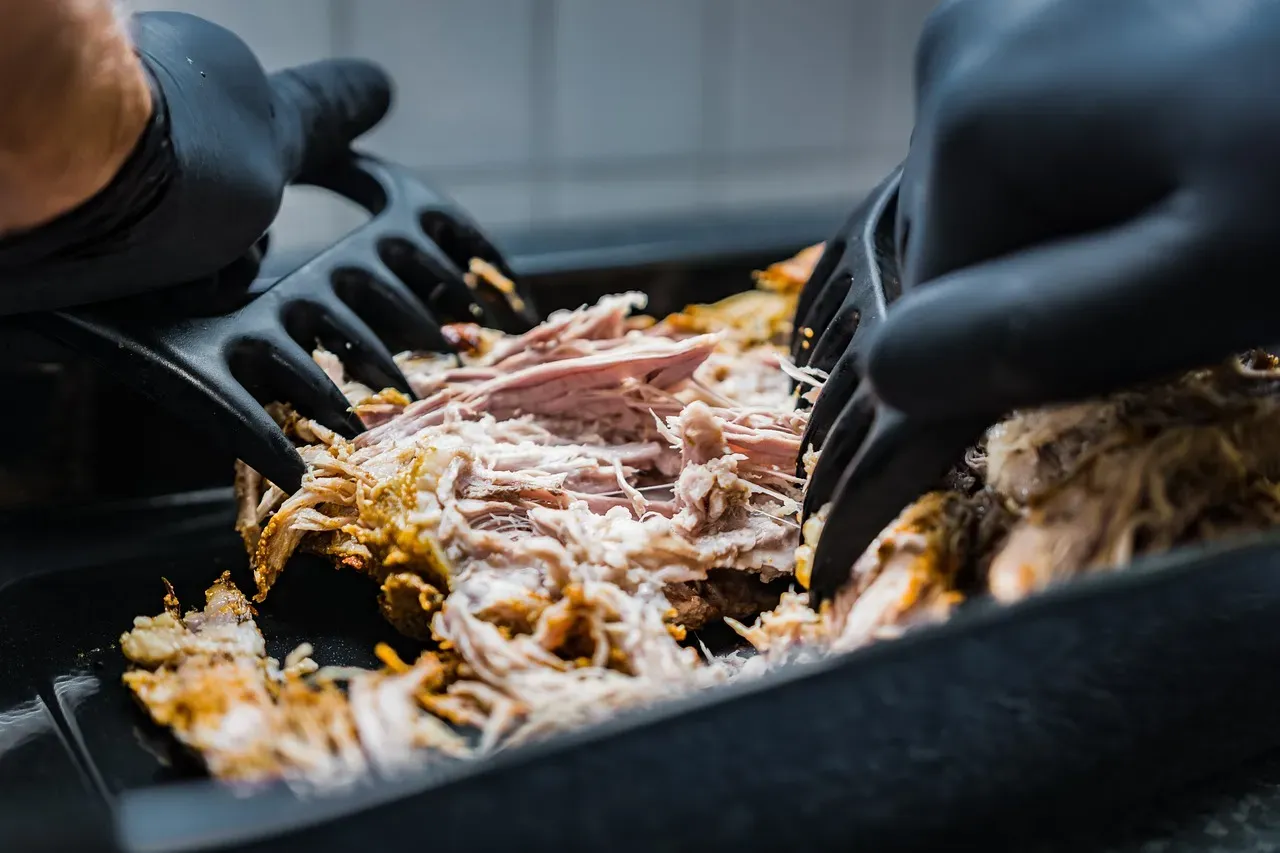
Pork shoulder and pork butt are frequently used interchangeably, though they are slightly different cuts. What’s referred to as pork butt is actually from the front of the pig, not the rear. Both cuts come from the front shoulders of the pig, with the butt being the part up around the actual shoulder joint. This is a point of confusion that trips people up at the butcher counter, but the practical difference matters mostly when you’re after very specific textures.
If fork-tender pulled pork is what you’re after, pork butt will provide the best results thanks to its ample marbling and tender texture that, when properly cooked, falls away at the prod of a fork and can easily be shredded. Rich and flavorful and ideal for slow cooking, pork shoulder costs around $1.63 per pound, making it a genuinely budget-friendly option. Few cuts anywhere in the meat case offer this kind of return on investment.
Pork Spare Ribs: More Meat, Lower Price Tag
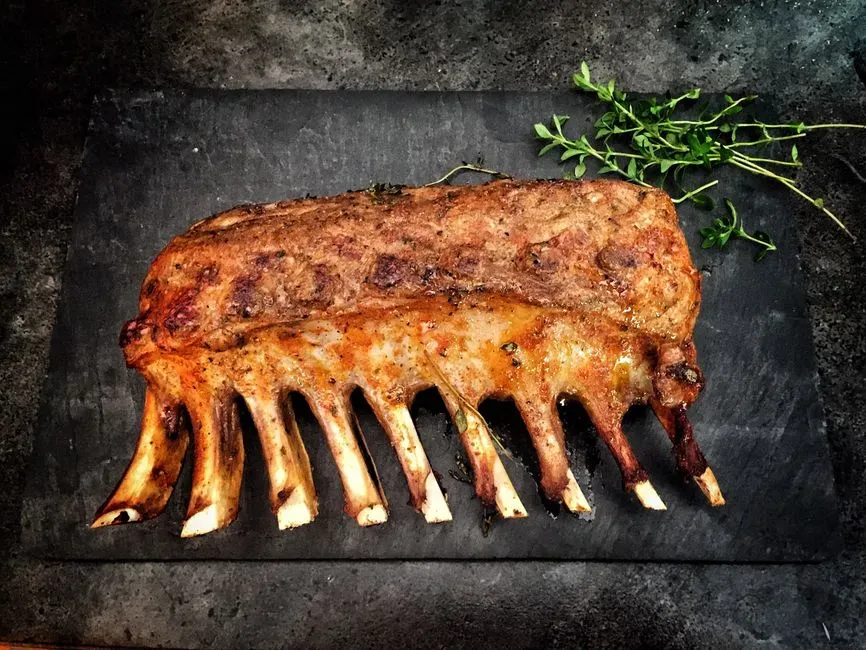
One of the juiciest and tastiest parts of pork ribs also happens to be one of the least expensive: pork spare ribs. Compared to baby back ribs, pork spare ribs are flatter and larger slabs of meat, with about 11 bones and some nicely marbled meat between them. This cut is located closer to the belly, which means it contains a higher percentage of fat and a fair amount of flavor.
You can cook pork spare ribs in several ways, but one preferred method is grilling them. The ribs are great to serve at barbecue get-togethers, as long as you cook them on low heat for a long time to break down the tough, fatty parts. Patience is the price of admission here, and it’s a price worth paying. The result is a deeply satisfying rack of ribs that costs noticeably less than the baby backs your neighbor keeps bragging about.
Country-Style Ribs: Not Actually Ribs, But Better
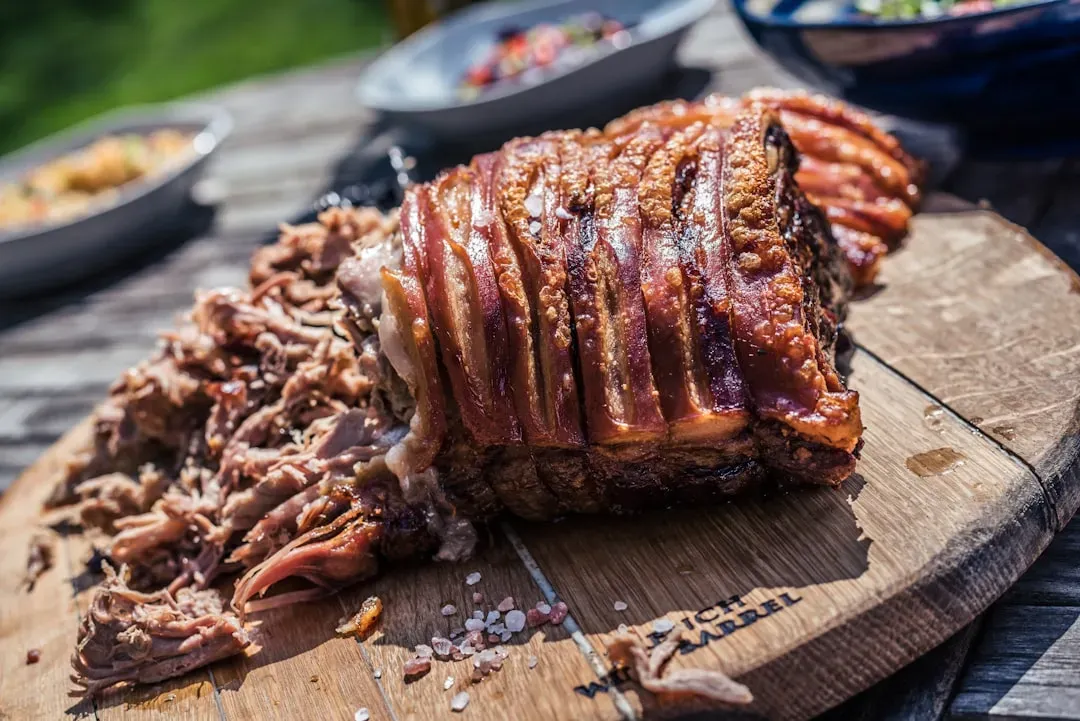
Country-style pork ribs aren’t ribs at all. They’re cuts of pork shoulder, which is the same meat you use to make pulled pork and carnitas. Country-style ribs come from the pork shoulder and are typically boneless. Because you’re not paying for bones, they are considerably cheaper per pound, often found for $3 to $4 per pound compared to $6 or more for baby back ribs.
They’re more economical and far meatier than real pork ribs. They also have that beautiful marbling of fat that keeps them moist during slow cooking, rendering them fall-apart tender and juicy. Cooking low and slow breaks down the connective tissue in the pork shoulder meat, resulting in tender, fall-off-the-bone results. Higher temperatures will cook them faster, but the texture won’t be as tender. When you want the barbecue experience without the barbecue price tag, this is the cut to reach for.
Pork Cheek: The Braising Cut That Chefs Hoard
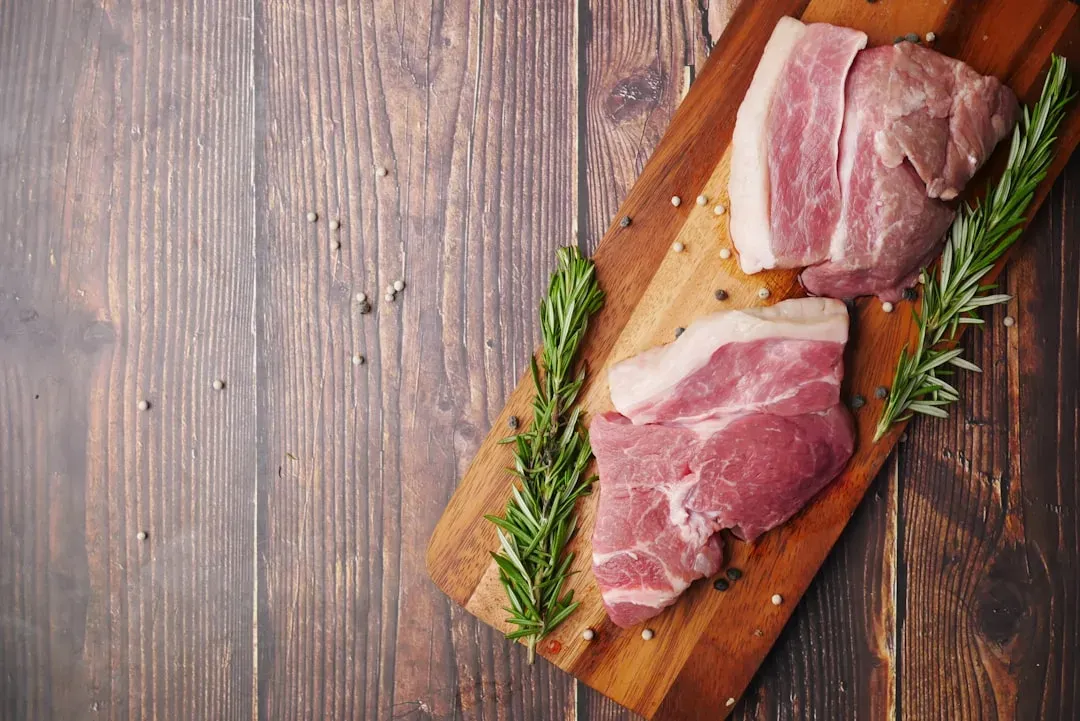
Pork cheek comes from the facial muscle of the pig. It’s incredibly tender and succulent when cooked slowly, making it perfect for braising or slow-cooking. One popular way to prepare pork cheeks is to braise them in a flavorful liquid until they’re melt-in-your-mouth tender. You won’t find it at many supermarkets, which is exactly why the price stays low.
Cooking pork cheeks does require a bit of effort, but the results are worth it. An abundance of connective tissue and collagen means that a slow braise will release unbelievable flavor and leave behind rich meat, making the cut a perfect addition to stews and ragus. For a classic combination, braise the pork cheeks in apple cider with root vegetables. Just be sure to sear the pork first to get a little color on those cheeks. It’s a simple technique with a genuinely restaurant-quality result.
Pork Collar (Coppa / Neck Fillet): The Marbled Wonder
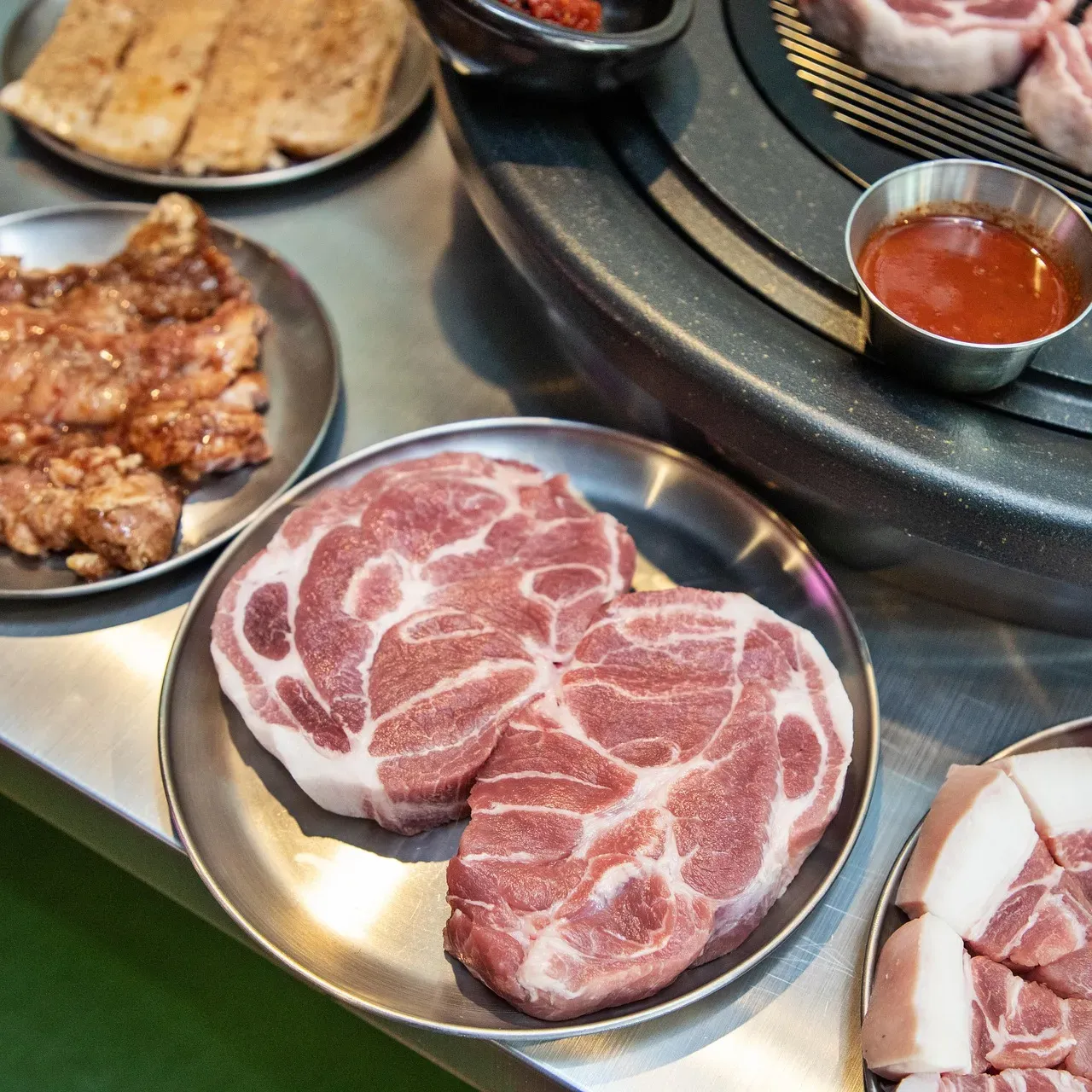
The collar comes from a section of the pig’s neck and upper back. This tender piece of pork can be cooked in a variety of ways, though grilling or smoking is usually preferred. When you cook the coppa, make sure you keep the small layer of fat attached during the process, which will help preserve both the meat’s juice and taste. This cut is revered in Italian and Spanish culinary traditions under the names coppa and capocollo, yet it often goes unnoticed in American butcher cases.
Coppa falls under a number of different names depending on where you are in the world, from bondiola in Argentina to top pork shoulder in the U.S., or even shoulder eye by many butchers. One thing is certain: it’s revered as the “money muscle” by all because of its value. If you’re having trouble finding it in your local supermarket or butcher shop, try looking for it under one of its alternative names like collar butt or neck fillet. A quick conversation with your butcher usually solves the problem.
Pork Secreto (Pork Skirt Steak): Spain’s Best-Kept Secret
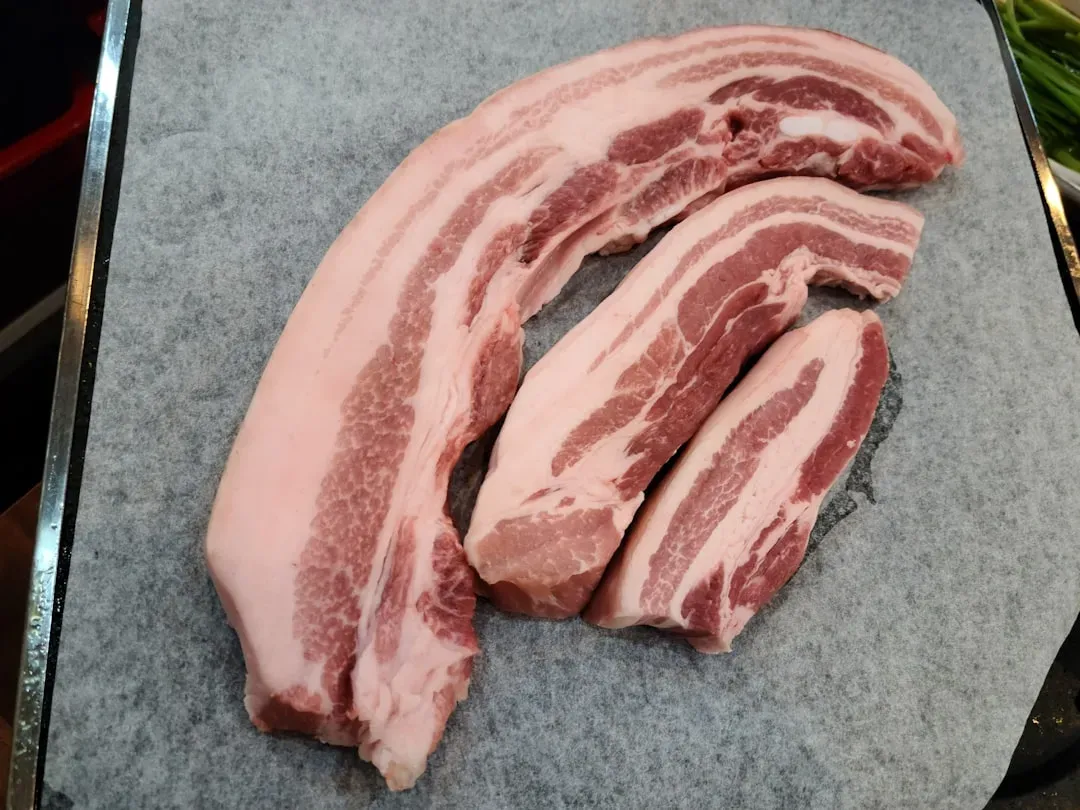
Also known as pork skirt steak, secreto is the meaty secret you’ll wish you knew about sooner. This supremely underrated cut is hidden between the shoulder, ribs, and belly of the pig, making for a thin yet tender and juicy piece of pork. While it remains less known in the U.S., diners in Spain have been feasting on its fatty goodness for years. The name literally translates to “secret,” which tells you something about how this cut has historically been treated.
Practically unknown until a decade ago, Secreto has gained particular prominence in recent years and is now a crowd favorite in Spain. Secreto is somewhat exclusive because only two can be extracted from each pig. Hidden among layers of fat and muscle, the Secreto was once only eaten by Spanish butchers who would save this secret cut for themselves. For best results, cook the secreto quickly over high heat. This method helps to preserve the meat’s juiciness while developing a flavorful crust on the exterior. Iberico pork secreto is best served medium-rare to medium.
Pork Shoulder Steak (Blade Steak): The Ribeye You Never Knew You Needed
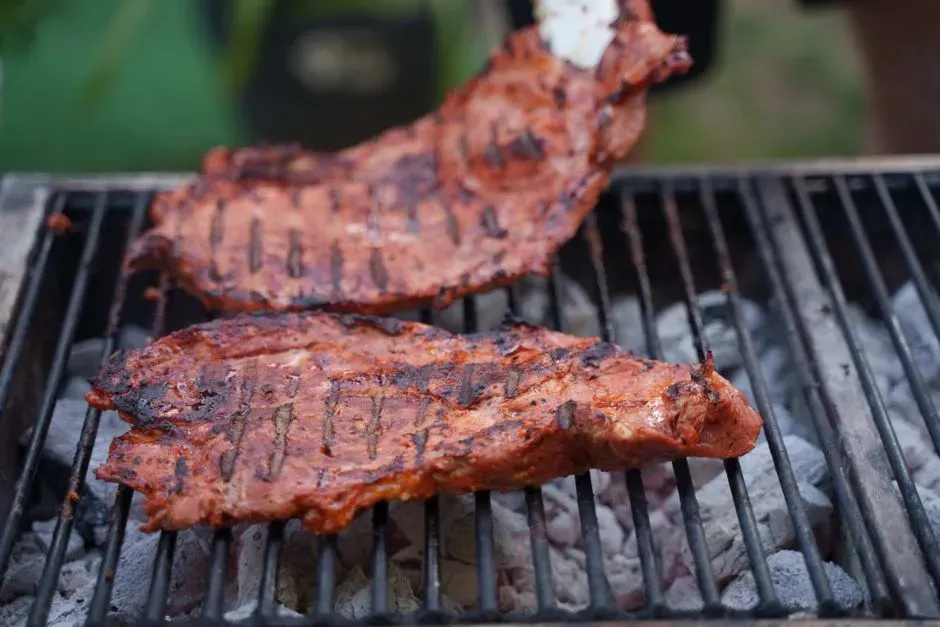
Pork steaks are marbled with succulent fat, making the pork meat sweet, juicy, and incredibly tender. It is, quite possibly, the most underrated kind of steak. Cut from the shoulder area of a pig, pork shoulder steaks are sometimes called pork blade steaks or Boston butt steaks. The boneless versions are sometimes compared to beef ribeyes by those in the know.
The flavor and versatility of pork shoulder steaks could probably command a higher price tag than they actually have. Compared to beef, these steaks are most definitely cheaper, and in general, they are even less costly than pork chops. They are naturally full of flavor, so seasoning them with just salt and pepper will result in great-tasting steaks. As far as the best cooking methods, pork shoulder steaks can cook up perfectly when they are pan-fried, grilled, smoked, roasted, and braised. That kind of cooking versatility at this price point is genuinely rare across the entire meat case.
The common thread running through all seven of these cuts is simple: they were never expensive because demand was never there, not because quality was ever lacking. Cheaper and lesser-known meat cuts are often less expensive due to lower demand. It doesn’t mean these cuts are lower quality, just that fewer people know what to do with them. A little curiosity and a willingness to try a slow braise or a high-heat sear is all it takes to get there.



Leave a Reply