
Every catering driver has a mental blacklist. It’s not something they’ll bring up on a job application, but ask any delivery worker who’s spent years hauling chafing dishes and beverage tubs through office parks and event halls, and you’ll get an earful. The complaints tend to follow familiar patterns: impossible parking, freight elevators that never work, and staff who treat delivery as an afterthought rather than a scheduled event.
These aren’t complaints about the food or the clients paying for it. They’re about the physical and logistical friction baked into certain buildings and venue types, the kind of friction that turns a fifteen minute drop off into a forty five minute ordeal. Below are the venue categories that come up again and again when drivers talk shop.
1. High rise office towers with a single loading dock
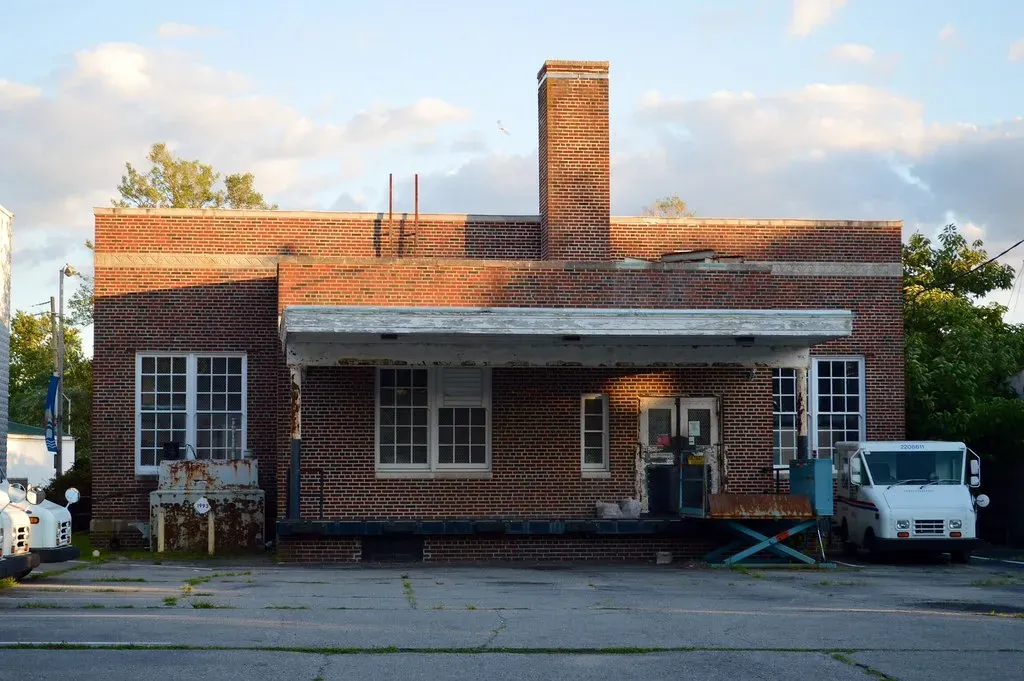
Downtown office towers are notorious among catering drivers because so many of them share one loading dock among dozens of tenants. A driver might book a delivery window weeks in advance, only to arrive and find three other trucks idling in line for the same narrow bay. Security desks often require separate check ins for the driver and the food, which eats up more time before anyone even reaches an elevator.
The freight elevator situation compounds the problem. Many older towers have just one service elevator that’s also used for furniture moves, trash removal, and maintenance carts, so a catering delivery can get bumped repeatedly. Drivers say the worst version of this is when the building requires an escort, but the escort is busy handling something unrelated, leaving hot food sitting in a hallway losing temperature.
2. Gated residential communities
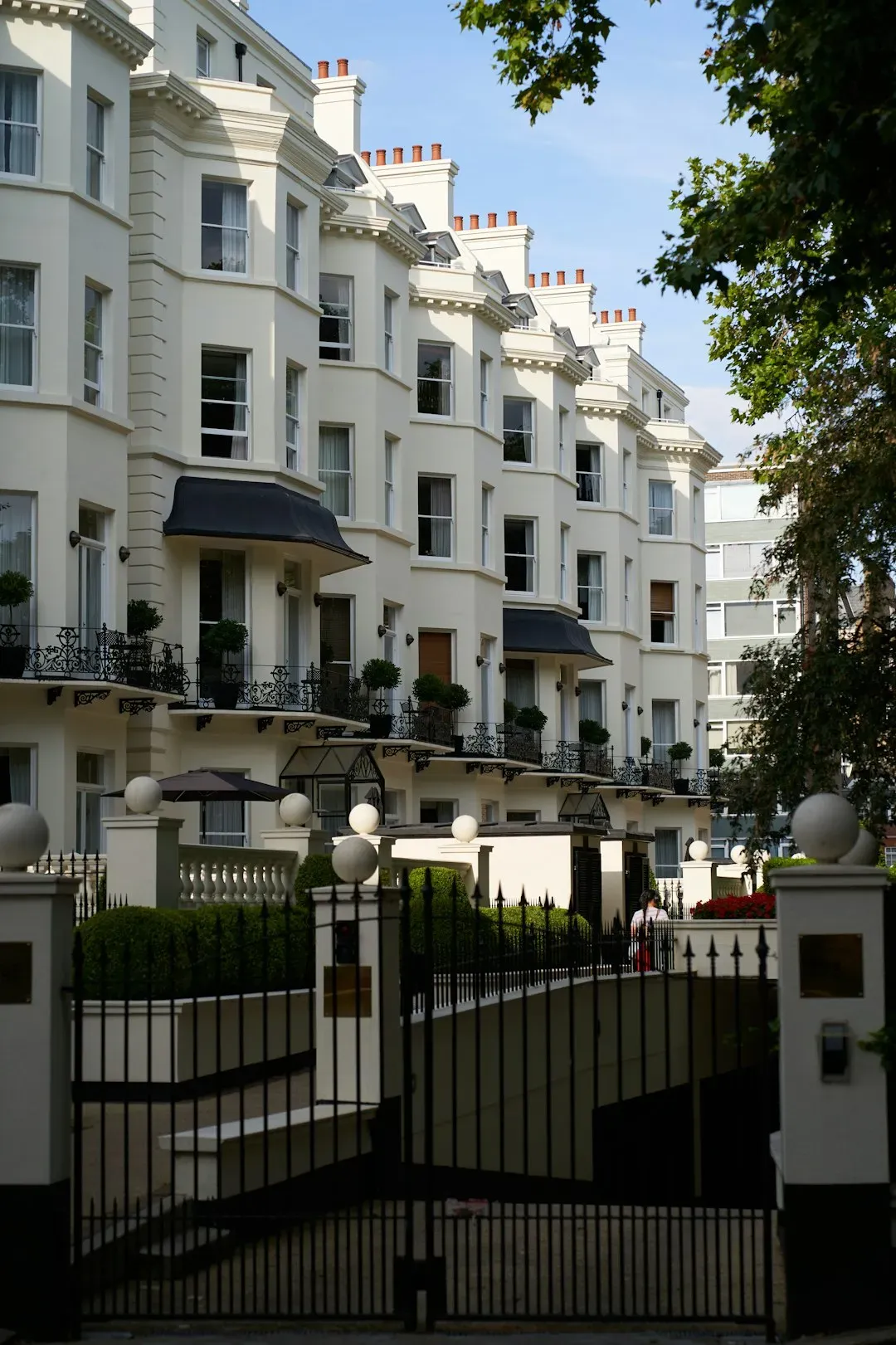
Private, gated neighborhoods present a unique headache because entry depends entirely on a human being answering a call box or a resident remembering to notify the gate ahead of time. When that communication breaks down, drivers are stuck outside the gate with a car full of food and no way in. Some communities require a photo ID scan or a temporary visitor pass that takes several minutes to process, which adds friction to what should be a quick handoff.
Once inside, the layout of many gated communities isn’t built with delivery vehicles in mind. Narrow winding streets, speed bumps every few hundred feet, and visitor parking that’s blocks away from the actual house all slow things down. Drivers often end up carrying trays on foot for a stretch that a truck could have covered in seconds if parking rules were more forgiving.
3. Historic buildings with no modern loading infrastructure
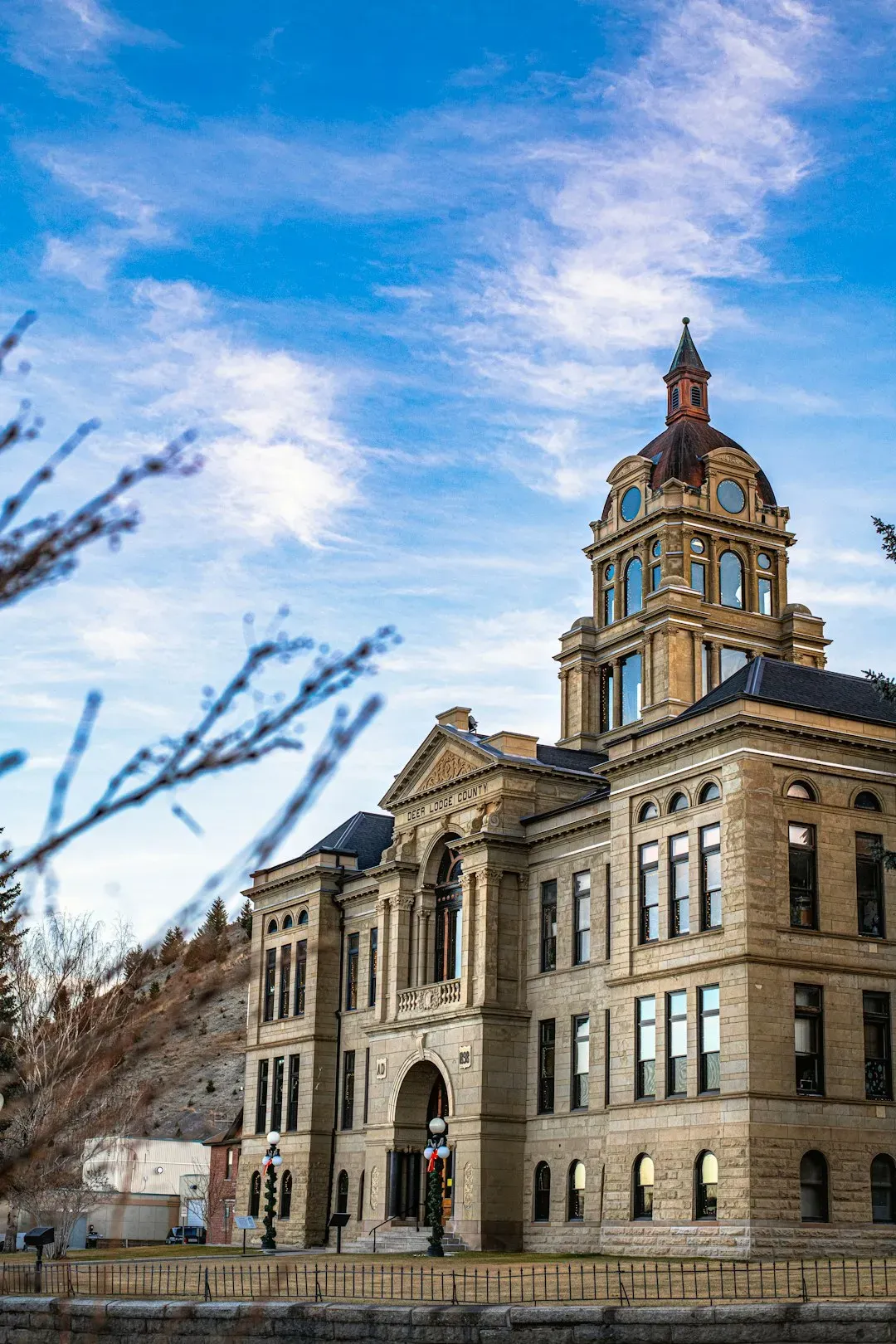
Historic venues, courthouses, old theaters, converted mansions, are prized for their character but rarely built with catering logistics in mind. Many of these structures predate the concept of a service entrance altogether, meaning deliveries have to go through the same grand front doors as guests. That’s fine for a bouquet of flowers, but awkward and slow when it’s rolling carts of chafers and beverage tubs.
Staircases are the other recurring complaint. Older buildings frequently lack elevators entirely or have ones too small for standard catering equipment, forcing drivers to hand carry heavy items up multiple flights. Preservation rules that restrict where dollies and carts can roll only add to the physical strain of a straightforward delivery.
4. Sprawling convention centers
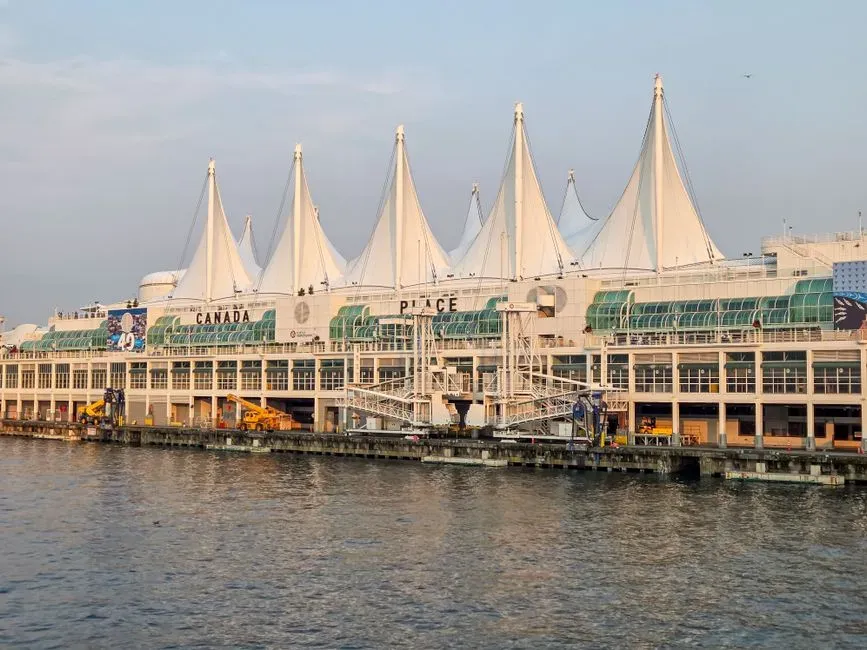
Convention centers handle enormous volumes of daily traffic, and catering deliveries frequently get lost in that scale. Drivers often describe circling a facility the size of several city blocks trying to find the correct dock among a dozen identical looking bays, none of which are clearly marked for their specific event. Signage inconsistencies and constantly changing dock assignments based on which trade show is running that week make navigation a genuine challenge.
Even after finding the right dock, drivers report long waits because convention centers frequently require union labor for moving equipment past a certain point, meaning a driver can’t simply walk the food to the room themselves. That handoff process, while often necessary for labor agreements, adds another layer of scheduling risk when timing is already tight.
5. Hospitals and medical campuses
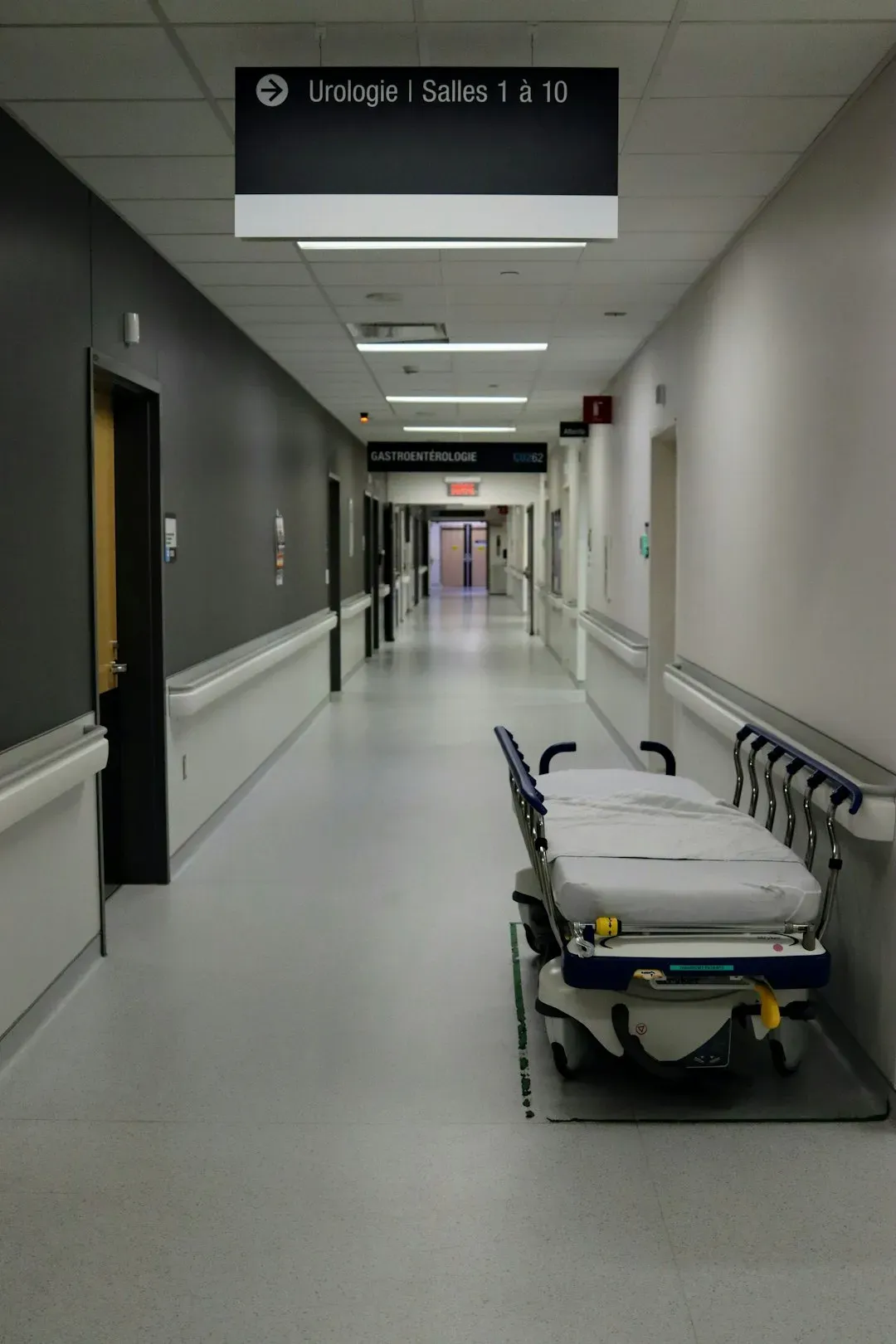
Hospital campuses are functional mazes, often expanded over decades with buildings connected by underground tunnels, sky bridges, and corridors that all look remarkably similar. Drivers delivering to a hospital cafeteria event or a doctors’ lounge frequently get turned around trying to find the correct entrance, especially since visitor parking and delivery access are rarely near each other. Security protocols, understandably strict given the setting, can add real time to a delivery through background checks or escort requirements.
Parking is arguably the bigger issue. Many hospitals reserve nearly all close in spaces for patients and ambulances, leaving delivery vehicles to park in remote lots and walk food across a considerable distance. That’s a serious problem for temperature sensitive items, and drivers say hospital deliveries are some of the most stressful on their route precisely because of this parking scarcity.
6. University campuses during the academic year
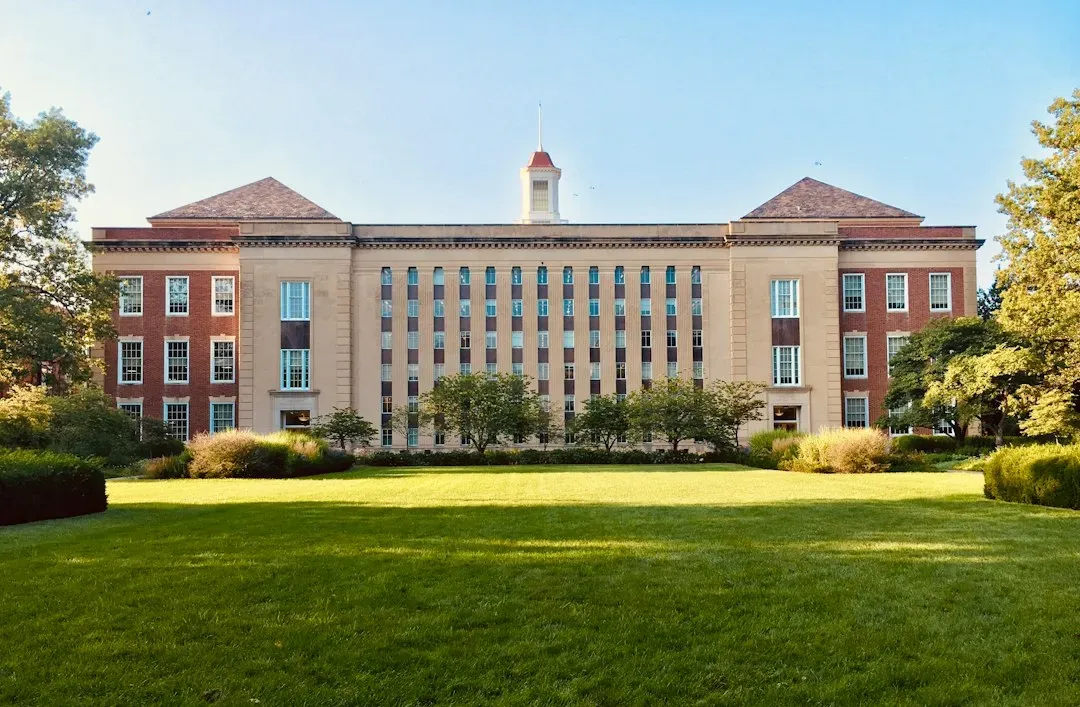
College and university campuses transform into logistical obstacle courses once classes are in session. Many campuses restrict vehicle access to pedestrian only zones during daytime hours, forcing catering vehicles to park far from the actual delivery point and haul equipment on foot across quads and walkways. Parking enforcement on campuses tends to be aggressive too, since universities generate real revenue from permit violations.
Event locations inside academic buildings add another wrinkle, since classrooms and lecture halls weren’t designed with catering setups in mind. Drivers often have to navigate stairwells, narrow hallways, and locked doors that require a staff member to unlock, and if that staff member is running late or unavailable, the delivery stalls completely.
7. Luxury hotels with strict banquet department rules
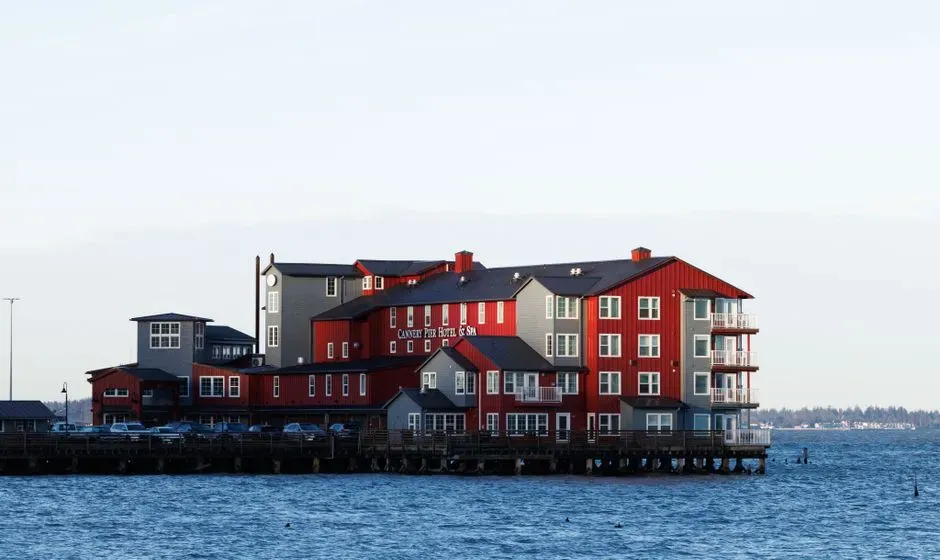
High end hotels often have their own in house catering and banquet departments, and some are known for treating outside caterers as unwelcome competition rather than partners. Drivers describe being made to use a distant service entrance, wait for an escort that never seems to be ready, or get questioned repeatedly about credentials even when everything was arranged in advance. The friction seems less about security and more about territorial protectiveness over banquet business.
Loading docks at luxury hotels are frequently shared with laundry services, room service carts, and vendor deliveries for the entire property, creating a bottleneck during peak hours. A driver arriving during a lunch rush or a big wedding weekend can find the dock completely jammed, with no clear system for prioritizing who gets access next.
8. Outdoor event venues with no paved access
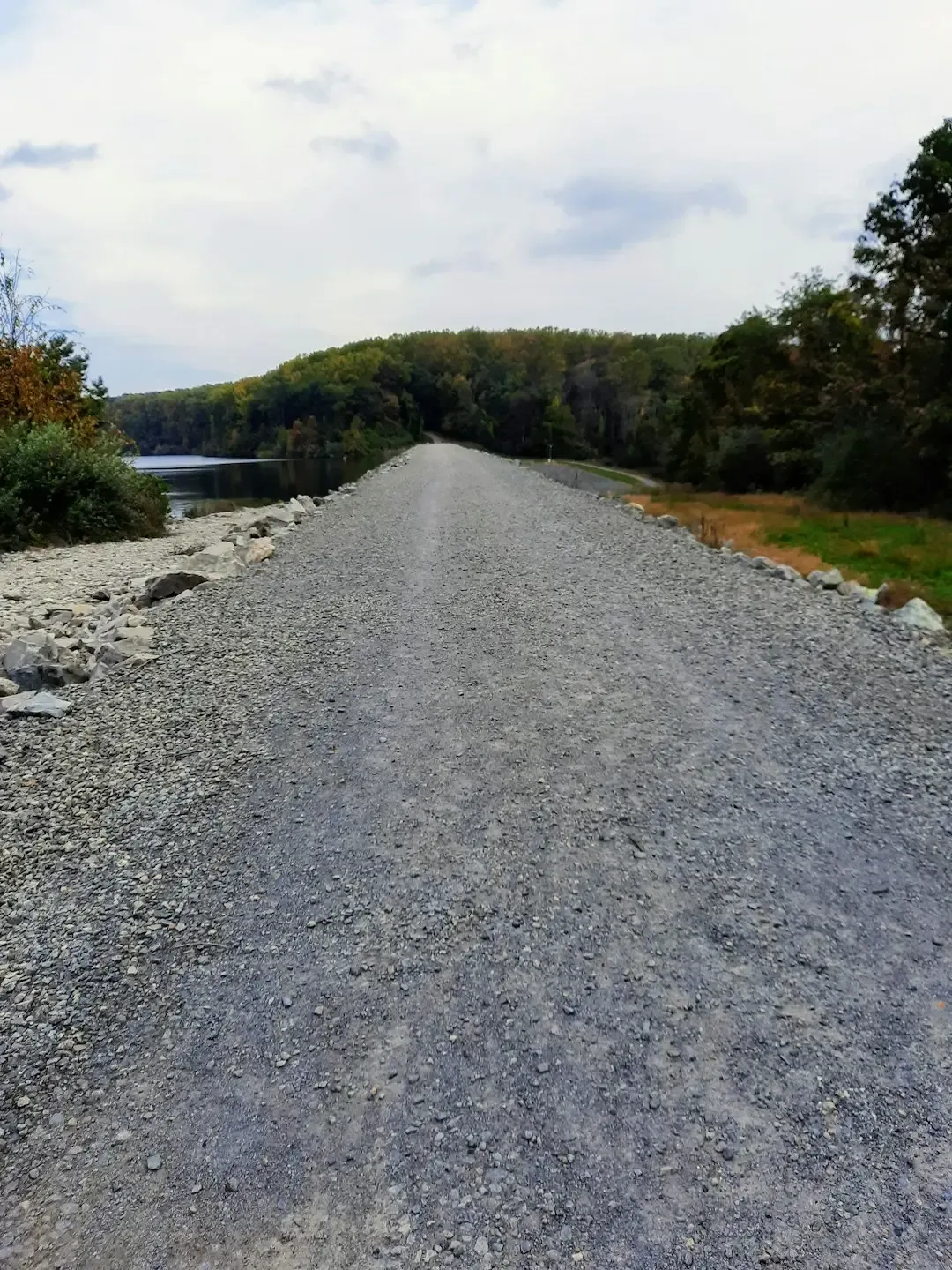
Barns, vineyards, and open field venues have become popular for weddings and corporate retreats, but their charm often comes at the expense of practical vehicle access. Many of these locations have gravel or dirt paths that turn to mud after rain, and drivers with loaded vans have gotten stuck more than once trying to reach a delivery point that looked fine on a map but wasn’t built for regular vehicle traffic. Distance from the parking area to the actual setup tent can also be considerable, sometimes requiring several trips back and forth on foot.
Weather adds another layer of unpredictability that indoor venues simply don’t have to deal with. Wind can knock over unsecured trays, sudden rain can ruin food during the walk from vehicle to tent, and there’s rarely a covered area to stage equipment while waiting for a signal that the setup crew is ready. Drivers say outdoor venues require far more improvisation than any indoor location, no matter how upscale the event.
9. Corporate campuses with rotating security procedures

Large corporate campuses, particularly in tech heavy regions, are known for security procedures that seem to change without notice. A driver who successfully delivered to a building last month might find an entirely new check in system in place, requiring a different form, a different badge process, or a new escalation contact that nobody thought to communicate. Some campuses require drivers to be added to a preapproved list days in advance, and if that step gets missed, the vehicle simply isn’t let past the gate.
Internal navigation is its own challenge on these sprawling campuses, since many buildings are numbered or lettered in ways that make no intuitive sense to a first time visitor. Drivers often rely on whoever placed the catering order to provide detailed directions, and when that information is missing or wrong, they end up calling multiple extensions trying to locate the right building before the food starts losing quality.




Leave a Reply