
Raleigh, North Carolina: The Closest Thing to a “Have-It-All” City
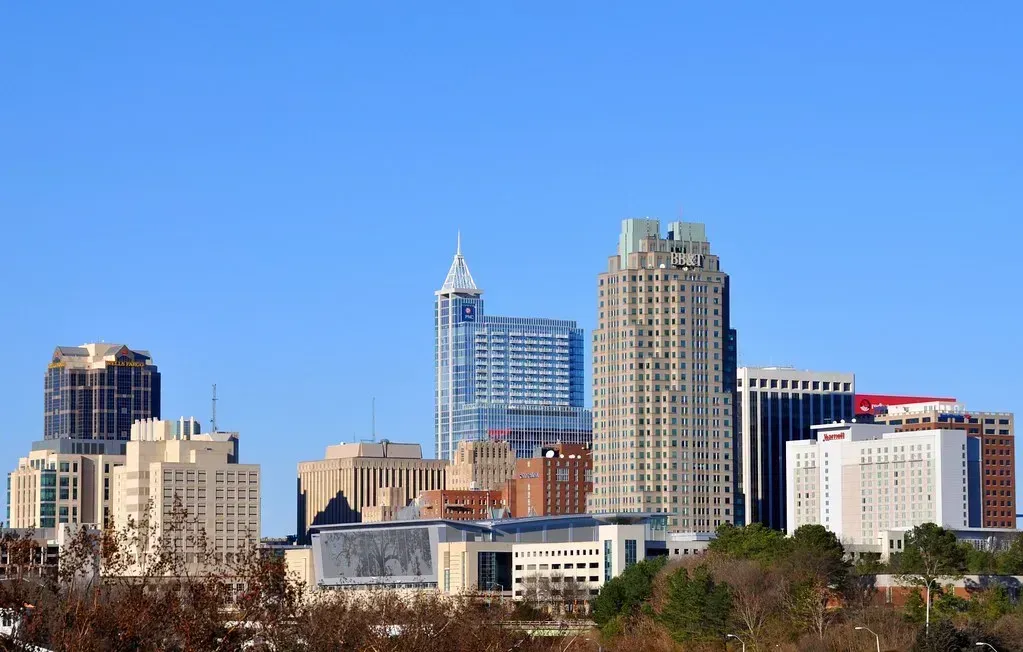
ChatGPT described Raleigh, North Carolina, as extremely close to a “have-it-all” city. The Research Triangle drives a strong tech and biotech job market, the cost-of-living index runs below the national average at roughly 95, and four mild seasons make year-round outdoor life genuinely accessible. That combination is harder to find than it sounds.
Education, manufacturing, and trade are major local industries, but Raleigh is also an emerging tech epicenter, with Apple and Google joining Red Hat and other firms in building campuses there. Nearby North Carolina State University, Duke University, and UNC Chapel Hill not only rank among the city’s largest employers but their graduates also feed directly into the developing tech market. Research Triangle Park is the second-fastest-growing tech hub in the country. The city carries real career weight without the sticker shock of a coastal metro.
Austin, Texas: High Energy, No State Income Tax

Austin has built one of the most dynamic job markets in the country across tech, healthcare, and startups. While costs have risen, they remain dramatically lower than San Francisco or New York equivalents doing similar work. The weather runs hot and sunny with mild winters, and the combination of high earning potential and relative affordability compared to coastal peers keeps it near the top of most balance rankings.
As of spring 2025, the city’s unemployment rate sat at a low three percent, beating the national average and reflecting steady wage growth across sectors including tech, education, and government. Major employers such as Dell, Apple, and Tesla continue to drive demand, alongside the University of Texas and a robust startup scene. One financial upside is Texas’s tax structure: with no state income tax, workers take home more of their paychecks than in high-tax states.
Salt Lake City, Utah: Silicon Slopes and Serious Sunshine
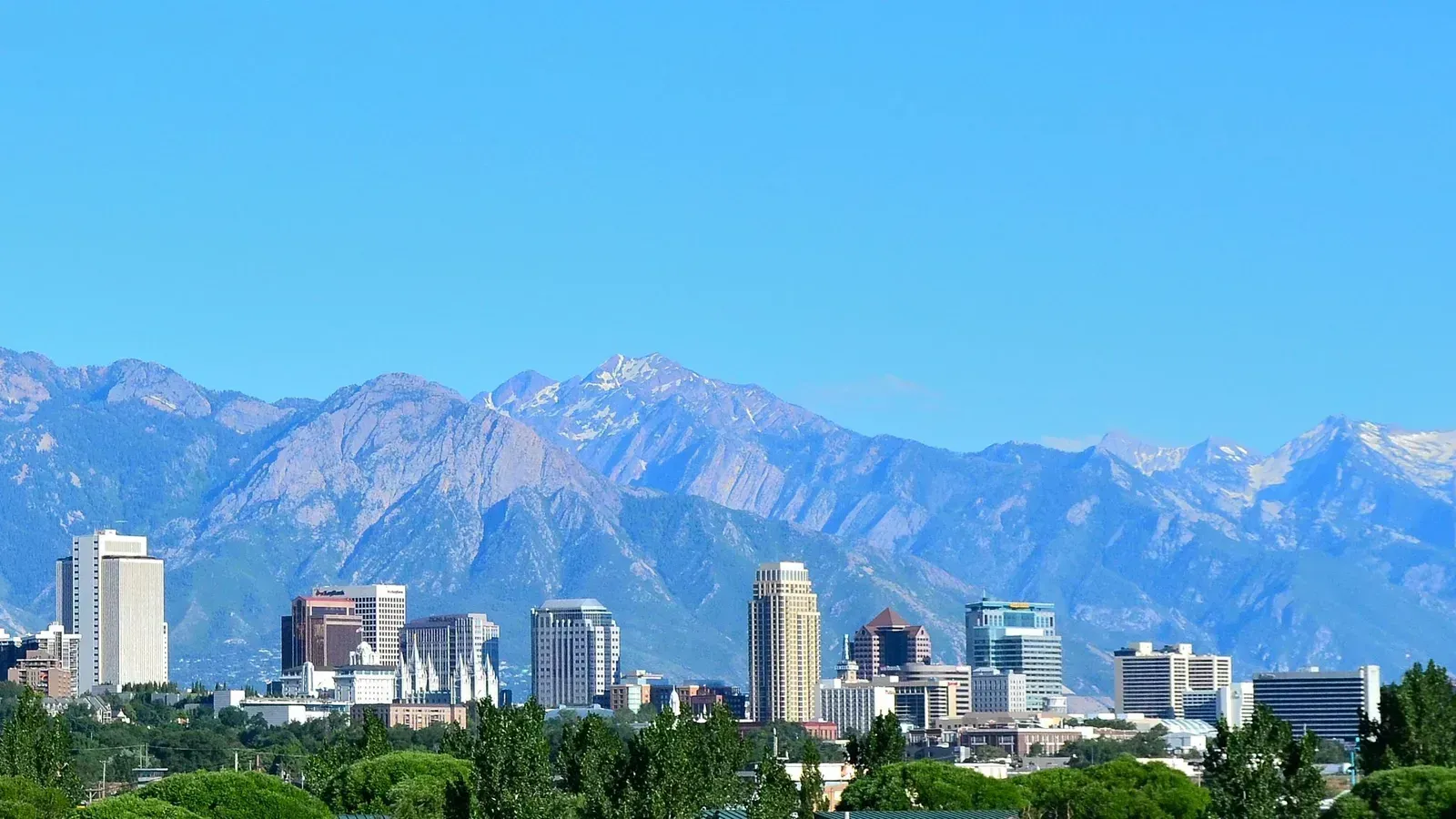
Salt Lake City has posted some of the strongest job growth in the country across tech, finance, and logistics, while holding onto a cost profile that still makes homeownership realistic for middle-income earners. Four seasons, abundant sunshine, and easy access to world-class skiing and outdoor recreation give it a lifestyle offering that few cities its size can match.
Salt Lake’s “Silicon Slopes” tech corridor has matured into a genuine alternative to Bay Area costs. Unemployment sits at roughly two point eight percent, and the city’s finance and healthcare sectors add depth beyond tech. For those where work-life balance matters, quality of life scores are consistently high. It’s a city that earns its ranking through specifics, not hype.
Charlotte, North Carolina: Finance Hub That Hasn’t Priced Itself Out
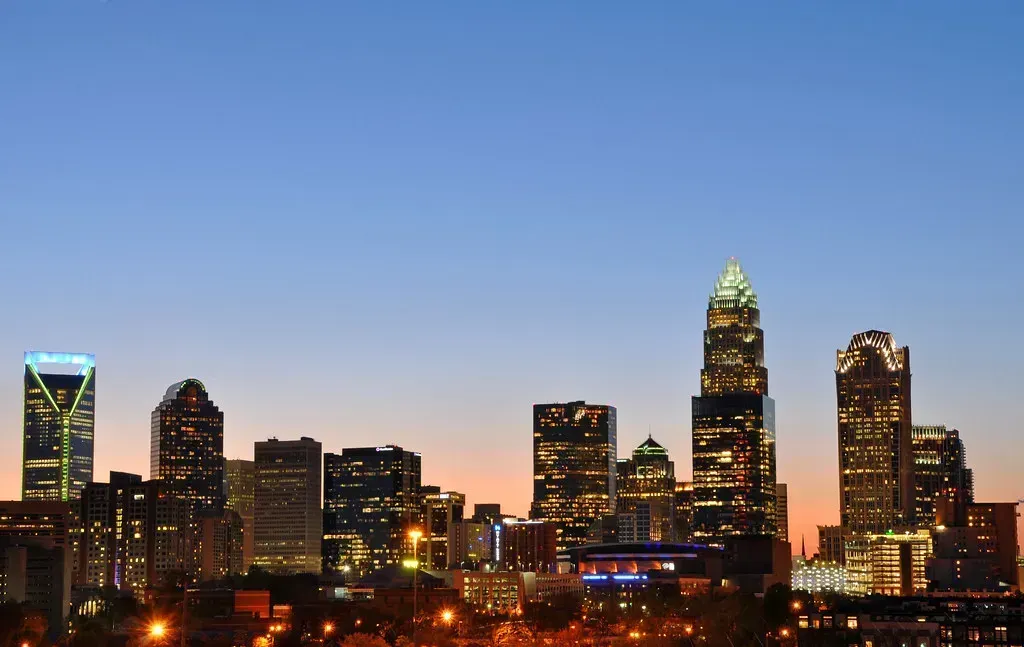
Charlotte has become a major finance and growing tech hub while maintaining housing costs that remain reasonable for a metro its size. Mild winters and warm summers add to the appeal, and ChatGPT noted it as a city where big-market opportunity hasn’t yet triggered big-market pricing.
Charlotte continues to shine as a financial powerhouse. Home to several of the nation’s largest banking institutions, it is seeing sustained growth in fintech, healthcare, and business services, drawing in a wave of young professionals looking to grow their careers. The city’s relatively gentle climate, sitting in the Piedmont region of the Carolinas, means winter rarely bites hard.
Nashville, Tennessee: Healthcare Capital With a Music Scene on the Side
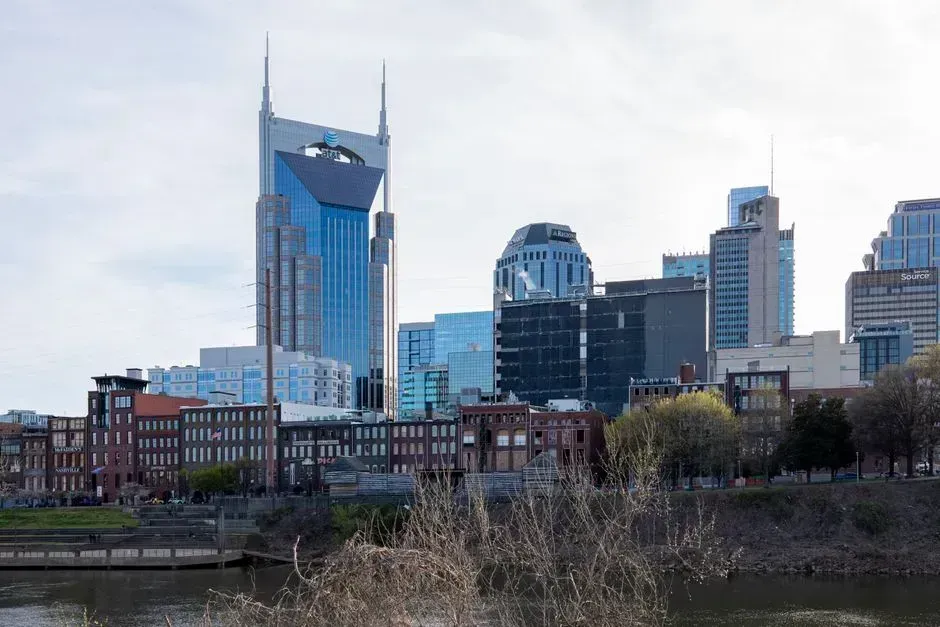
Nashville is a magnetic Southern city, shining as one of the top U.S. metros for job growth and income. The city’s job market extends far beyond the entertainment industry. Healthcare dominates the regional workforce, with major companies like HCA Healthcare, Envision Healthcare, and Vanguard Health anchoring employment.
Nashville remains one of the most dynamic job markets in the U.S. While long known for music and tourism, Nashville has rapidly diversified into healthcare, education, and logistics, offering an increasingly balanced and opportunity-rich economy. Tennessee has become one of those states people keep circling for a fresh start. Between Nashville, Memphis, and no state income tax, the appeal is easy to understand.
Pittsburgh, Pennsylvania: The Affordable Big City Almost Nobody Talks About
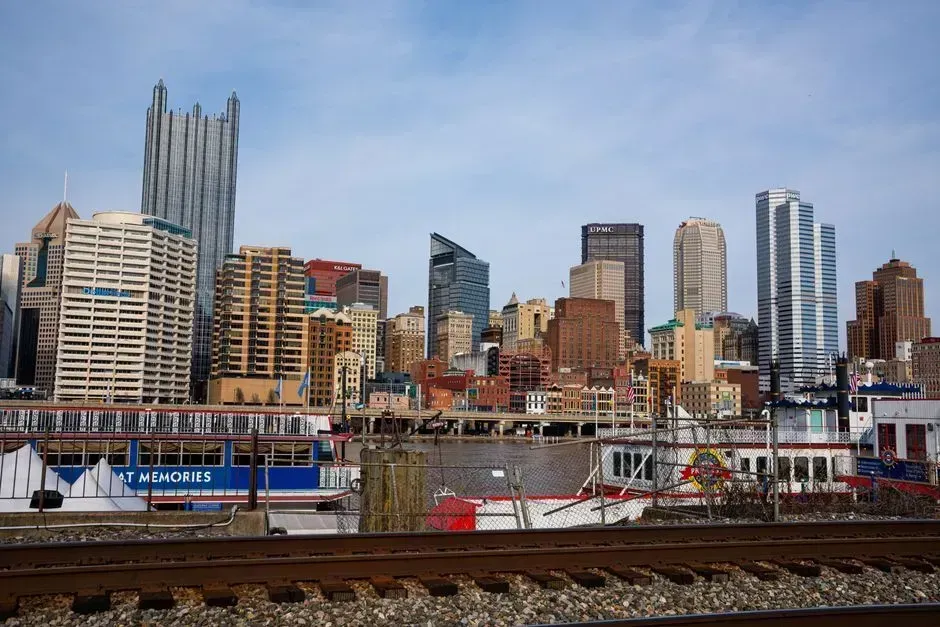
Pittsburgh is the most affordable big city in 2026, with a median home price of $250,000, which is more than $150,000 less than the national median. ChatGPT ranked Pittsburgh as one of its top picks for saving money. “Steel City” combines a lower cost of living with big-city amenities, making it not only affordable but also attractive to those seeking employment.
Hopeful homebuyers are particularly well-positioned in Pittsburgh. A report by Realtor.com found it was the only metro where it is more affordable to buy a home than to rent one. Housing is generally one of the biggest obstacles to financial stability, making Pittsburgh that much more enticing. The winters are genuinely cold, but for those who can handle that, the financial case is hard to argue with.
Boise, Idaho: Remote-Worker Magnet with Mountain Access

Boise functions, as ChatGPT described it, like a scaled-down Denver with less chaos. The economy has grown steadily and welcomes remote workers, costs remain below the West Coast despite rising since the pandemic, and the outdoorsy four-season lifestyle draws people who want Pacific Northwest energy without Seattle prices.
Key locations for 2026 work opportunities include Boise, known for its startup growth, alongside other Sun Belt and Mountain West cities. Idaho has built a reputation as a quieter place with space, scenery, and a lower-key lifestyle. It’s not loud, but that’s exactly why some people love it. The trade-off is a thinner cultural scene compared to larger metros, though that gap has narrowed considerably over the past few years.
Columbus, Ohio: Quietly Beating Bigger Cities on Value

Columbus combines sports culture with a growing economy, an affordable cost of living, and a higher quality of life. In the overall Best Places rankings, Columbus is within the top 30% of all cities for quality of life, boosted by its low environmental risk with a low chance of adverse weather events.
Affordability is another factor that pushed Columbus up in the rankings. Housing costs in Columbus are more than $115,000 cheaper than the national average. Columbus is quietly building a strong tech and finance identity, making it more than just a college football town. For professionals who want real savings without sacrificing urban infrastructure, it consistently delivers.
Lexington, Kentucky: Stable, Affordable, and Easy to Overlook

Lexington, Kentucky, sits well below the national average cost of living, with an index of roughly 92, and also has a growing healthcare and education job base and four mild seasons. ChatGPT described it as one of the best genuinely affordable and stable cities in the country – a combination that’s rarer than it seems.
Kentucky sits right in that middle lane where it’s not glamorous, but it’s not getting dragged either. Lower costs and a slower rhythm likely give it a boost in AI-assisted rankings that weigh real livability over image. Lexington in particular benefits from the University of Kentucky’s economic halo, which supports a steady healthcare and research sector year-round.
Indianapolis, Indiana: Underrated Infrastructure at a Fraction of the Price

Indianapolis serves as a major hub connecting residents to the rest of the country. Housing costs in Indianapolis are almost $150,000 cheaper than the national average, helping the city rank in the top 20% of all cities for affordability. The general cost of living is also more affordable, as Indianapolis offers lower expenses on everything from groceries to transportation.
The nearby suburb of Carmel, just north of Indianapolis, has a 1.5-mile downtown corridor with art displays, green space, wide sidewalks, and bike paths, making it a uniquely pedestrian-friendly area. Carmel has the most roundabouts of any city in the United States, at more than 150 – just one example of how the region excels in forward-thinking urban planning. The broader Indianapolis metro consistently punches above its weight when the metrics shift from perception to actual numbers.
How ChatGPT Weighs These Rankings – and Where AI Judgment Has Limits

Comprehensive rankings of U.S. cities based on quality of life, job market strength, value, and desirability combine data analysis with consumer preferences to identify top destinations for 2025 and 2026. When ChatGPT runs through those same categories, it tends to reward cities that perform consistently across all three pillars rather than cities that excel at one and collapse on another.
ChatGPT itself has cautioned that no city stays affordable forever. Rising demand from remote workers and retirees could drive up housing prices, and local economies and job markets matter because affordability only helps if you can find work that pays decent wages. That’s a fair caveat. A ranking is a snapshot. The cities on this list are strong as of 2026, but conditions shift, and a job offer in hand always weighs more than any ranking ever could.





Leave a Reply