
1. Boarding early, without needing to explain why
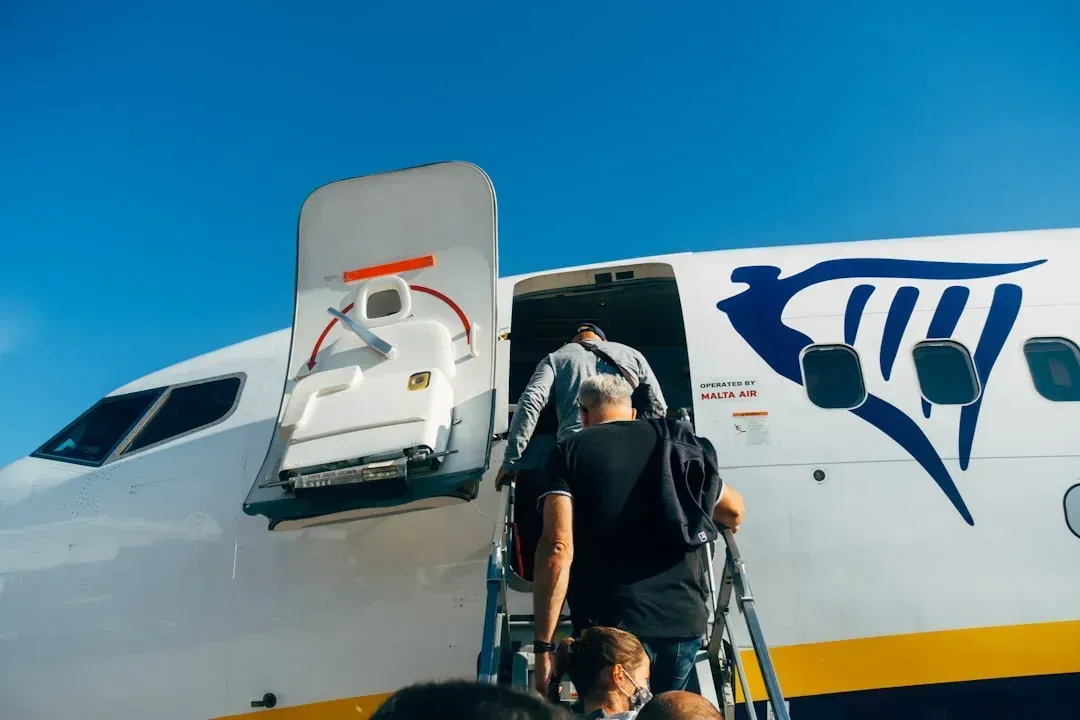
Most major airlines allow passengers who need a little extra time to board before the general boarding groups are called, and staff rarely make anyone justify the request out loud. Most major airlines allow seniors to board early on request, and you don’t need an elite frequent flyer card or a disability designation. A simple question to the gate agent is usually all it takes.
Some carriers formalize this further. Southwest allows seniors to board early if they need a special seat because of a disability or extra assistance during boarding, letting them board between the A and B groups. Nobody at the gate makes a scene about it, and most other passengers never even notice the accommodation happening.
2. A free escort from the terminal entrance to the gate
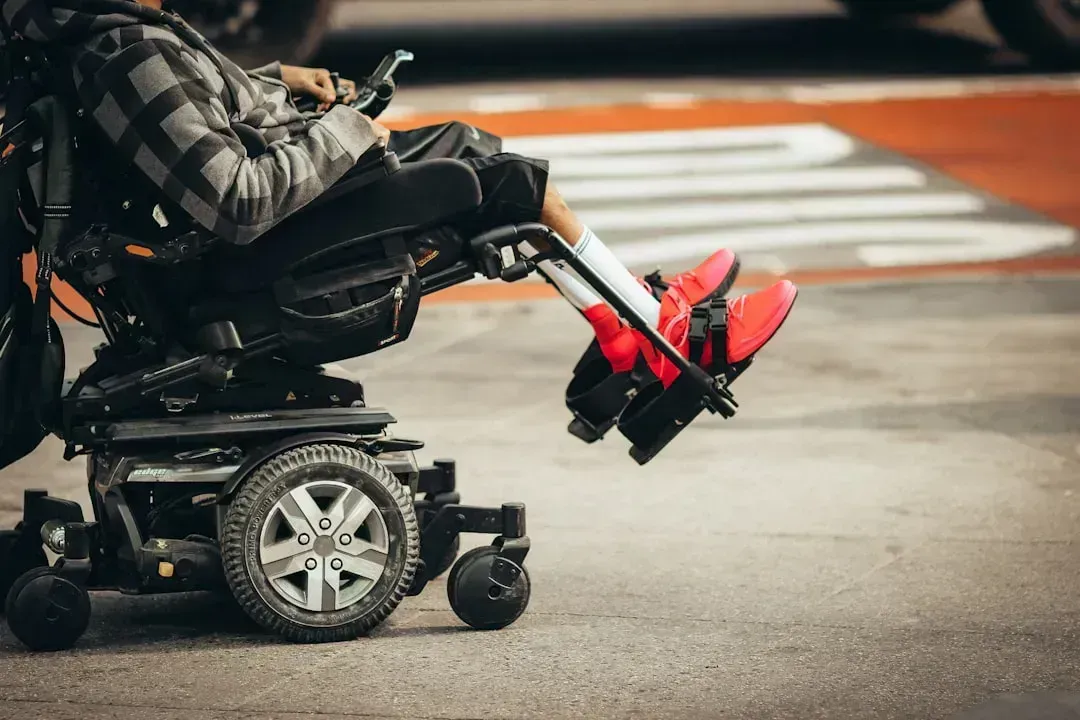
This one is not a favor so much as a federal obligation, though almost nobody frames it that way at the check-in counter. When a passenger with a disability requests assistance from an airline to move through the airport, the airline is required to promptly provide the requested assistance, whether that is guide assistance for someone who is blind or wheelchair assistance for someone with a mobility impairment.
The catch is that the traveler has to speak up. When you arrive at the airport, it is important that you self-identify as a passenger with a disability needing assistance, because the airline will not know you are the person who requested that assistance if you do not self-identify. Staff are trained to offer it, but they are not trained to guess who needs it.
3. Staying in a personal wheelchair until reaching the aircraft door

Travelers who use their own wheelchair do not have to give it up the moment they walk into the terminal. You are entitled to stay in your own wheelchair until you get to the gate, where it will be taken from you, and if you cannot walk, you will be transported to your aircraft seat in an aisle chair. The chair then reappears right at the door on arrival, not somewhere back at baggage claim.
Your wheelchair will be returned to you at the gate once you reach your destination. Gate crews handle this transfer quietly, usually a few minutes before general boarding starts so there is no audience for it.
4. A bathroom stop during the walk to the gate
Long terminal walks are hard on anyone with joint pain or limited stamina, and crews are actually required to accommodate a bathroom break along the way. If you request to stop at the bathroom on your way to a departing flight, the airline personnel assisting you is required to stop at the entrance to a bathroom, as long as the bathroom is on the way to your destination and the stop can be made without an unreasonable delay.
This is one of those details that rarely gets mentioned unless a passenger asks directly. Escort staff are used to the request and typically build in the extra minute or two without complaint.
5. Extra time to get settled before the cabin door closes
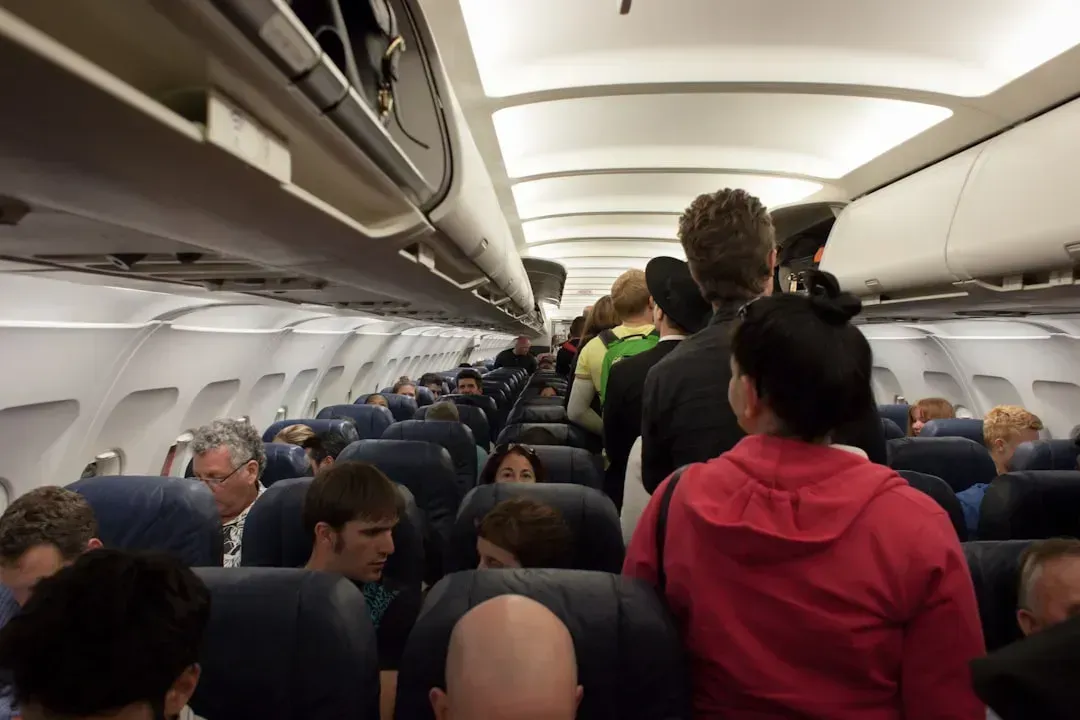
Pre-boarding exists specifically so passengers who move more slowly are not racing the clock once the doors are set to close. This reduces stress and lowers the risk of falls or being rushed, and it is especially helpful for seniors and anyone who needs more time to move safely.
Crews generally do not push back on this once someone identifies the need. A passenger can simply say they would like to request pre-boarding because they need extra time to get to their seat and get settled. That single sentence is usually enough to trigger the accommodation.
6. Quiet help stowing bags overhead or finding space nearby
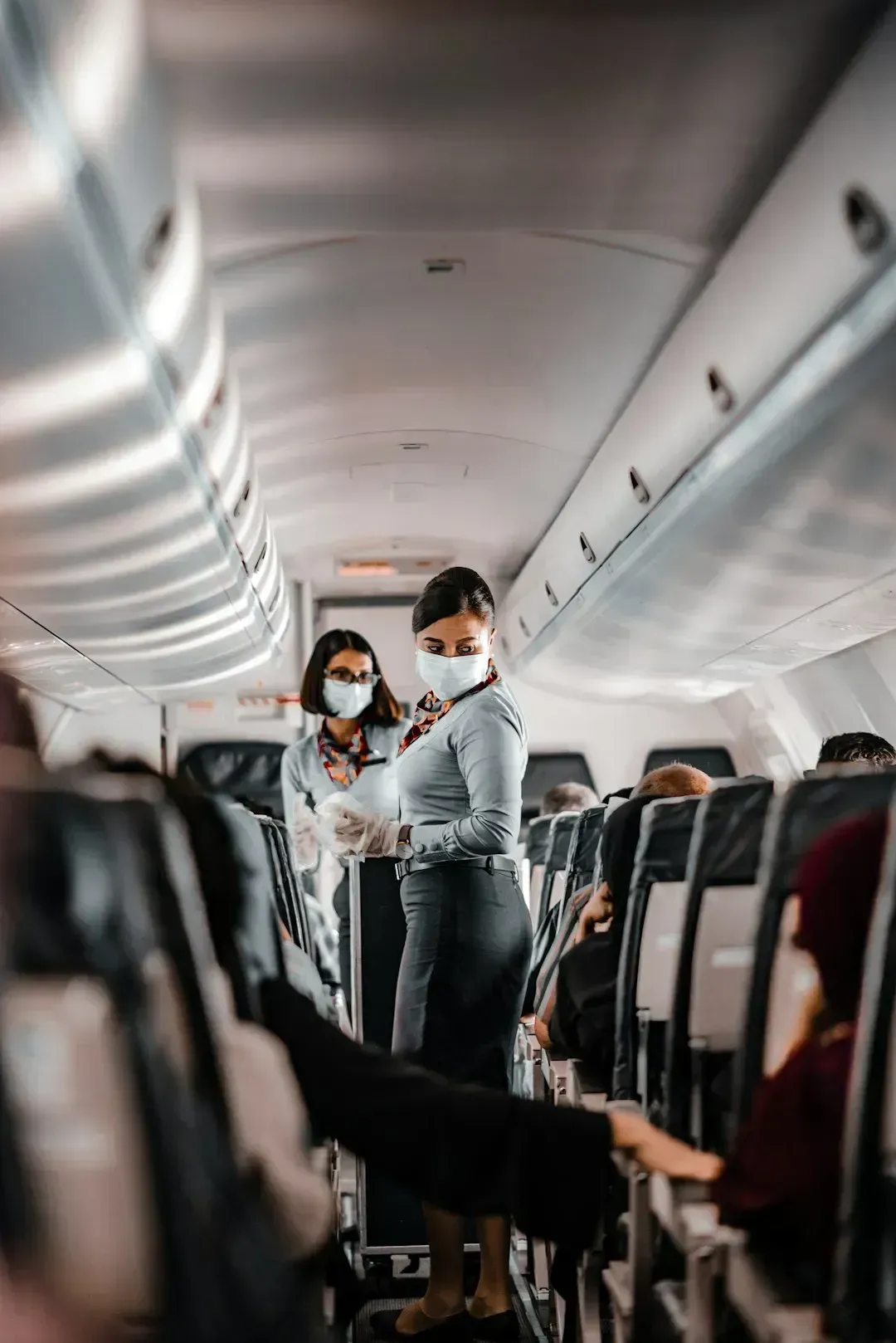
Flight attendants are not obligated to lift every bag for every passenger, but in practice many quietly step in when they see someone struggling, particularly during boarding for older travelers who requested assistance in advance. Airlines that provide pre-boarding do so partly for this exact reason. Boarding assistance features pre-boarding privileges to allow seniors extra time to find their seats, stow away luggage, and settle in before the rush of other passengers.
This is less about policy and more about crews reading the room. A passenger visibly wrestling with a bag near an overhead bin will often get a hand before they even finish asking.
7. Aisle seats or extra legroom set aside on request
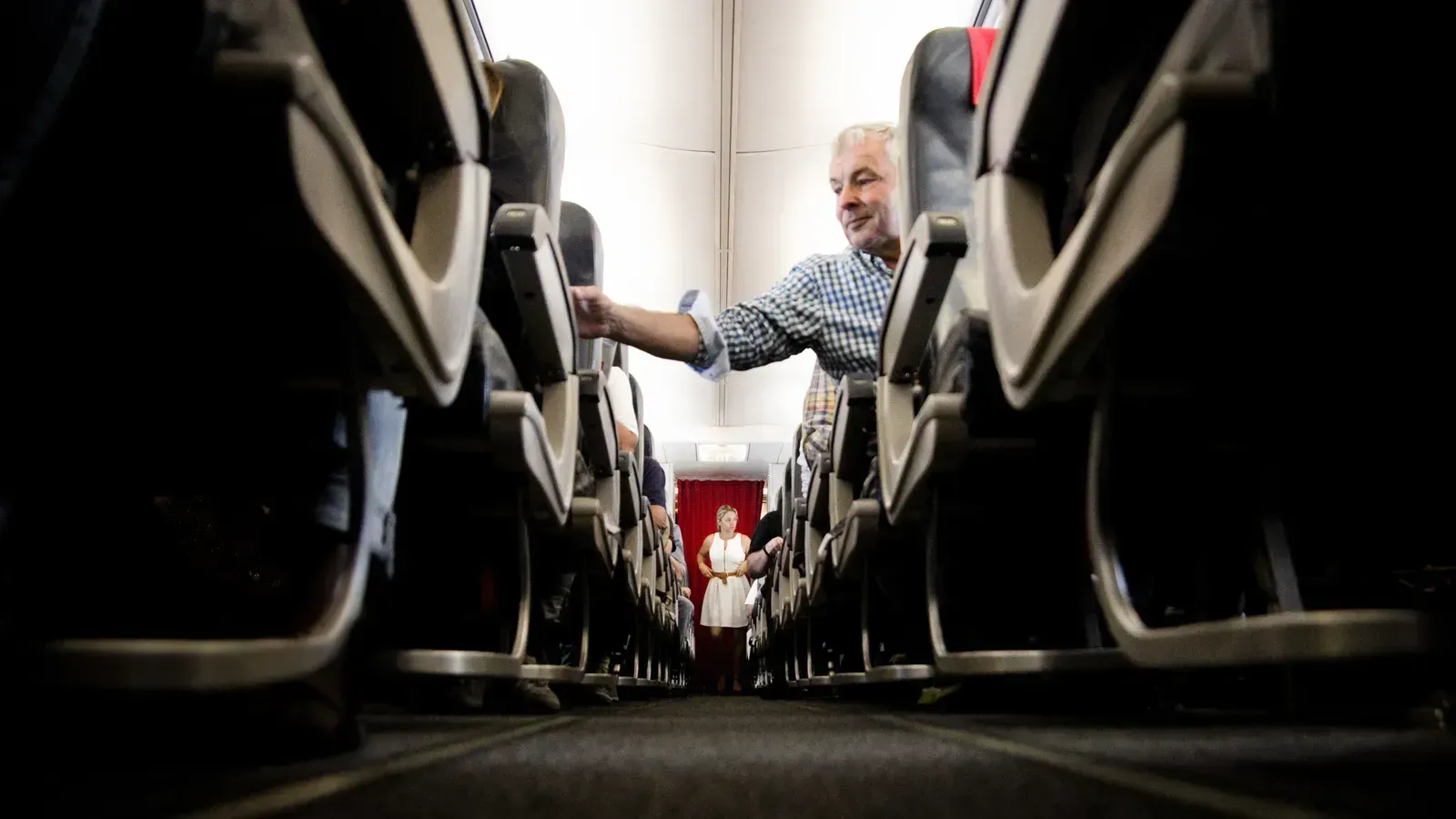
Seating is one of the easier accommodations for airlines to grant, and it makes a real difference for anyone dealing with stiff knees or a bad hip. Subject to availability, passengers may request aisle seats, movable armrests, seats with greater legroom, and adjoining seats for traveling companions who are providing assistance, since seat selection is often the key to assuring that an elderly traveler’s mobility issues can be accommodated.
The specifics vary by fleet. Larger, newer airplanes provide more accessibility features to disabled passengers than smaller, older airplanes, and many airlines have a mixture of aircraft in their fleets. Calling ahead to confirm the aircraft type can save a disappointing surprise at the gate.
8. An empty seat left open when the flight has room
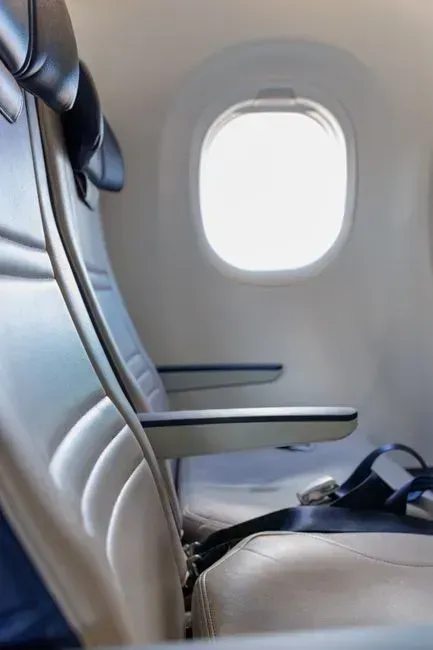
This one is never guaranteed, but several airlines quietly try to make it happen when a passenger has requested boarding assistance. Delta offers wheelchair and mobility assistance during every stage of your flight, and will allow a passenger to board with other passengers or pre-board them and try to help ensure that there is an empty seat next to them for extra space.
United follows a similar approach. United Airlines offers assistance to those with mobility and medical issues, such as wheelchair assistance at the airport and during the flight, and also has a pre-board option as well as priority seating. It is a courtesy, not a promise, and it depends entirely on how full the flight happens to be.
9. Personal, one-on-one safety briefings for hearing or vision needs
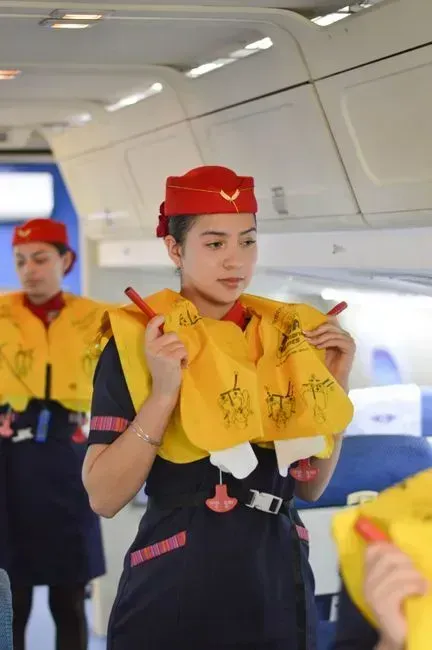
Standard safety announcements are not always accessible to every passenger, so crews are trained to deliver them individually when needed. In-flight announcements will be personally conveyed to passengers who may not have heard or seen them due to a disability, and flight attendants can also provide sight-impaired passengers with safety information cards in large print or braille.
This extends to hearing devices too. Millions of older Americans travel with hearing aids or cochlear implants and assume they need to come off before walking through security, but they are not required to remove any hearing aids or cochlear implants at the checkpoint. Crews are aware of this and simply speak a bit closer or repeat information when asked.
10. Free travel for medical equipment, no baggage fees attached

Medical devices are treated differently from ordinary luggage, and crews rarely make a passenger feel like they are pushing their luck by bringing them along. Airlines must allow medically necessary equipment to fly free of charge and cannot count it toward your baggage allowance, which includes CPAP machines, portable oxygen concentrators, medication coolers, mobility aids, and similar devices, and most carriers require no paperwork if the items are declared as medically necessary.
There is one caveat worth knowing. If you use a portable oxygen concentrator, confirm your specific device model is approved by the airline before you travel, as not every carrier permits every device. Beyond that exception, the equipment simply travels alongside its owner without extra charges tacked on.
11. A seat belt extension provided discreetly, no questions asked
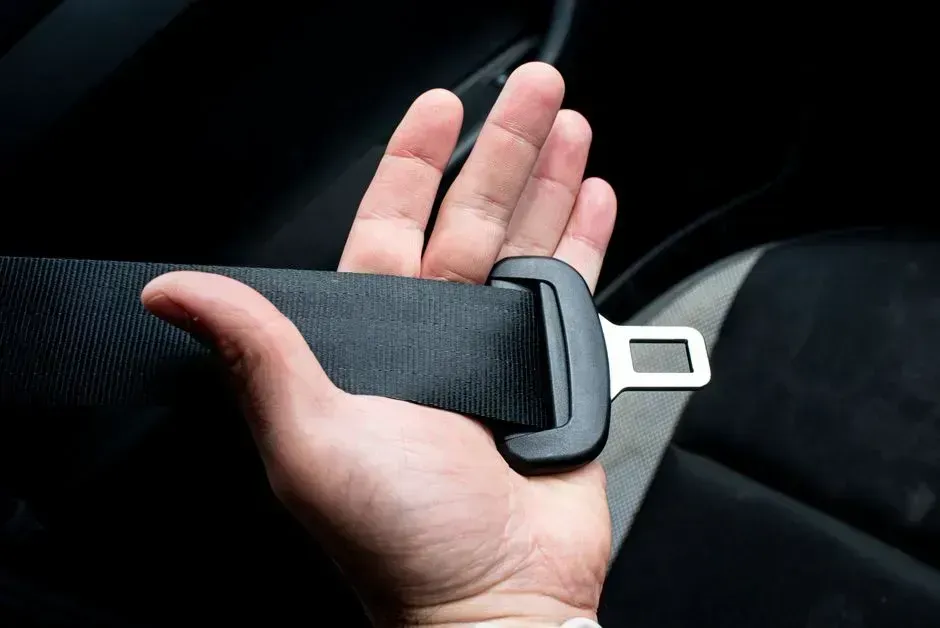
This is a small thing, but it matters to plenty of travelers who feel self-conscious asking for it in a crowded cabin. Airlines keep extensions on hand specifically so a flight attendant can hand one over quietly rather than making it a visible event. Passengers can request a seat belt extension from a flight attendant or gate agent if needed, and only seat belt extensions provided by the airline itself can be used.
Crews tend to handle this without drawing attention. A quiet word before takeoff is usually enough, and there is no form to fill out or extra fee involved.
12. Priority handling and rebooking during delays or cancellations
When flights fall apart, older passengers with documented medical needs are not simply left to fend for themselves in a long rebooking line. Federal rules require airlines to give travelers with medical needs priority during long delays and cancellations, including earlier rebooking, hotel vouchers during overnight delays caused by the airline, and help arranging meals or transportation.
There is also a quieter version of this that has nothing to do with formal disability status. Many airlines flag passengers under the sensitive traveler category, which includes seniors who request special assistance, and when a flight cancels and agents rebook the queue, those travelers often move first. It is not advertised anywhere, but staff at the rebooking counter tend to know exactly who fits that category.
13. Help connecting to the next gate after landing, without being left alone
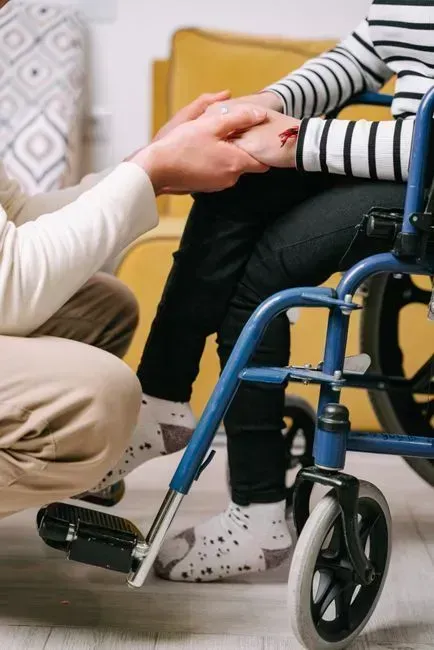
Layovers can be one of the more stressful parts of a trip for someone who cannot easily sprint across a terminal, so airlines build in continued support after the plane lands. Airlines are required to provide assistance to passengers with a disability as they navigate different portions of the airport, including assistance from an arriving flight seat through the airport to the gate location of a connecting flight.
There is also a firm limit on how long a passenger can be left waiting once that help is arranged. Airline staff must not leave the passenger unattended for more than 30 minutes, and this requirement applies even if another person is accompanying the passenger, unless the passenger explicitly states otherwise. It is a rule most travelers never hear about until the day they actually need it.
None of these 13 accommodations require a doctor’s note, a disability determination, or any kind of proof beyond a simple, direct request. Airline staff are trained to offer many of them automatically once a passenger identifies a need, but the responsibility to speak up still falls on the traveler. A short conversation at booking, at check-in, or at the gate is usually all that stands between a stressful travel day and one that goes far more smoothly than expected.




Leave a Reply