
Ask a Neapolitan grandmother for her tomato sauce recipe and you’ll probably get a shrug, a gesture, and a vague answer about “enough” oil. The recipe exists, but it lives in hands and habits rather than on paper. Cups and spoons rarely come into it.
That doesn’t mean the results are random. Home cooks in Naples rely on a small set of cues they’ve learned by repetition: sound, smell, color, and the way a sauce moves in the pan. Here’s how that quiet system works.
Starting With the Tomatoes, Not the Recipe
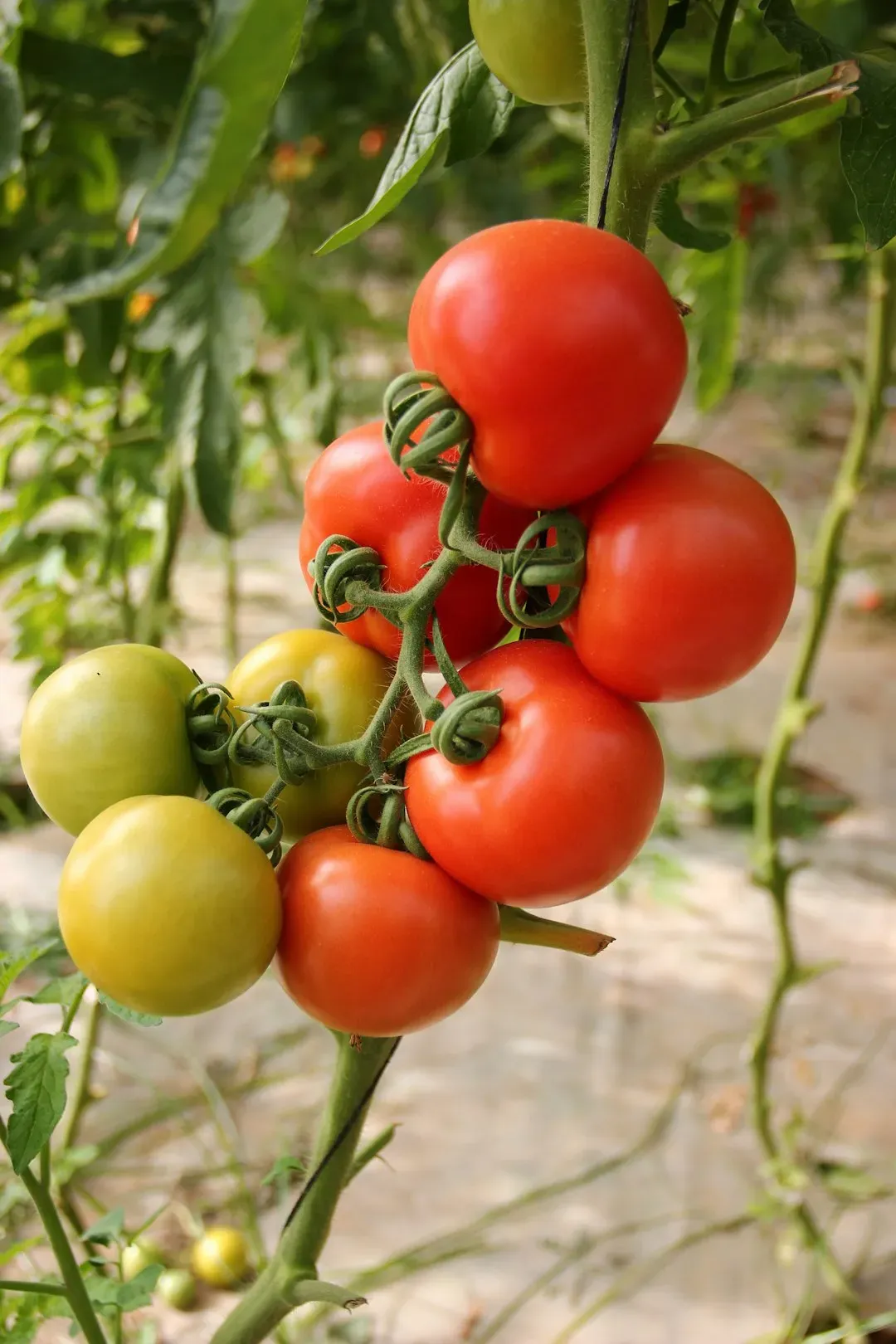
Everything begins with the fruit. Campania is known for tomatoes grown on volcanic soil near Mount Vesuvius, and two protected names come up often: San Marzano dell’Agro Sarnese-Nocerino DOP and Pomodorino del Piennolo del Vesuvio DOP. Home cooks don’t always buy those labels, though. Many simply choose whatever is ripe, fragrant, and cheap at the market in summer.
Because the tomato does most of the work, the amount of everything else is set by its character. A sweeter, riper batch needs less coaxing. A watery or tart one gets a longer simmer, and that decision is made by tasting, not by a written ratio.
The Oil Is Judged by Eye
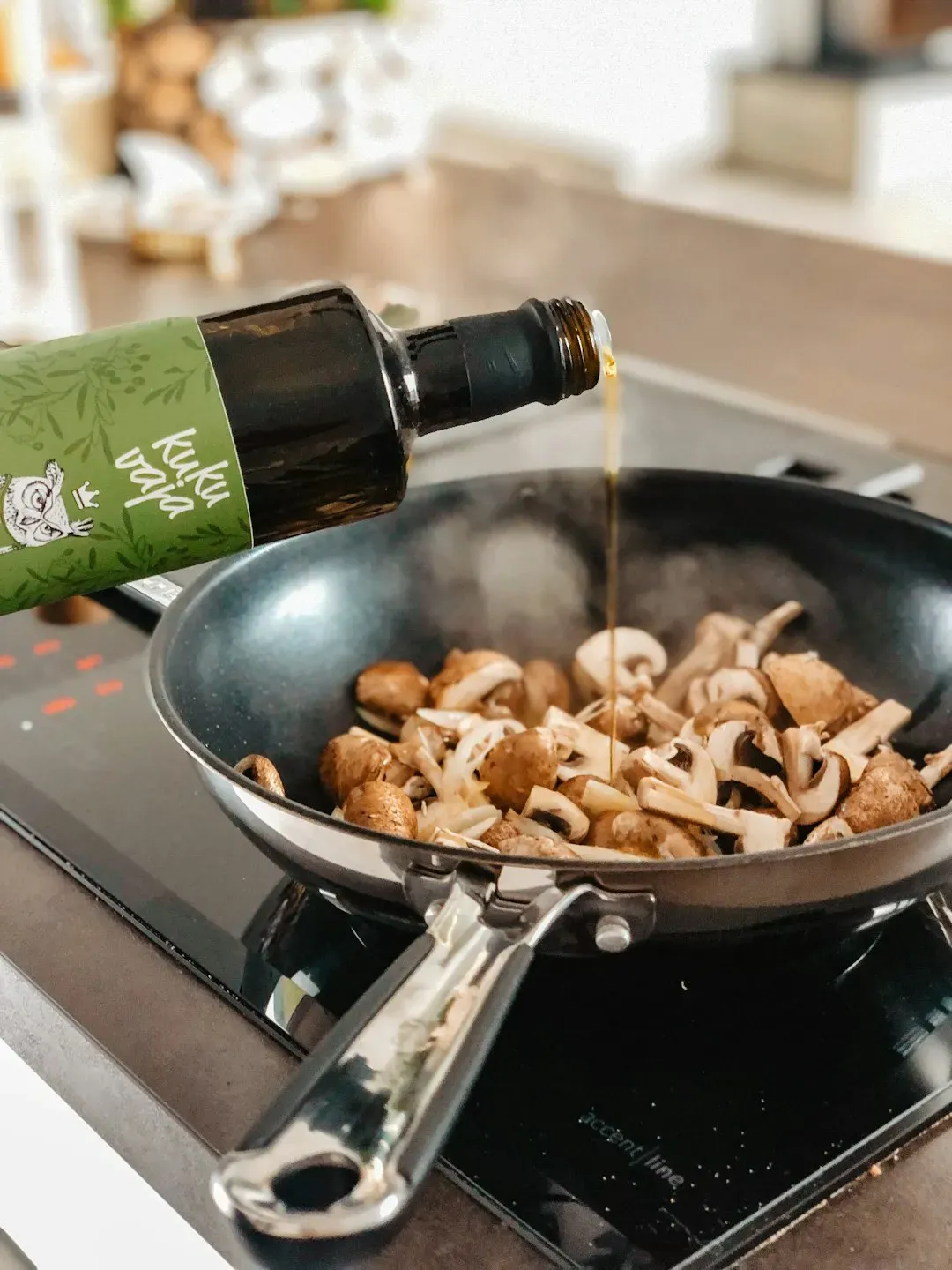
A basic Neapolitan sauce starts in a wide pan with olive oil. Nobody measures it. The rule of thumb is that the oil should generously coat the bottom, enough to fry the garlic gently without letting it burn.
Cooks adjust by feel as they go. If the pan looks dry once the tomatoes go in, a little more oil goes in. If a shiny layer floats early on, they know to be patient, because it often gathers and separates near the end as a sign the sauce is nearly ready.
Garlic, Timed by Smell
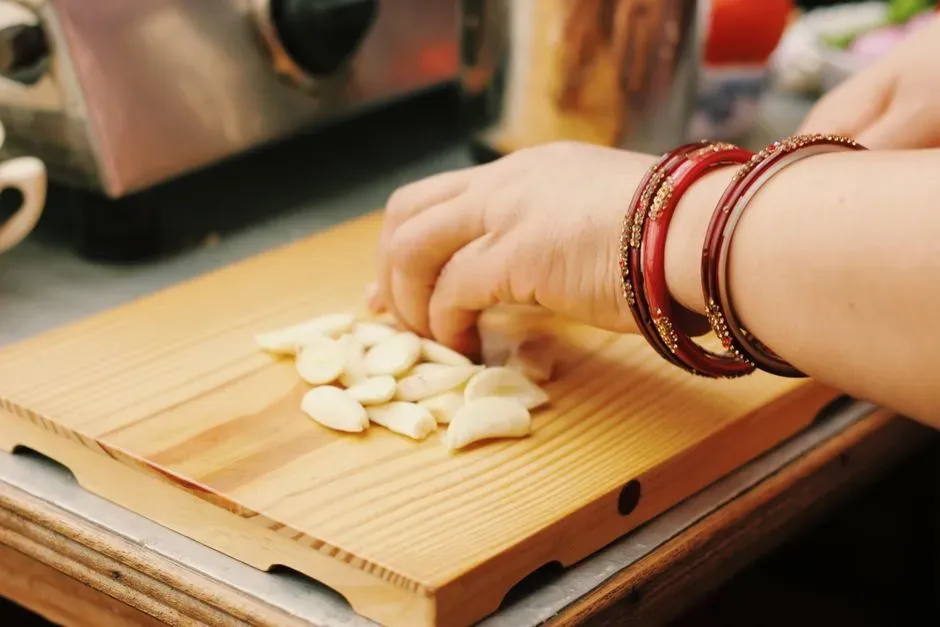
Garlic is usually crushed or sliced and warmed in the oil just until it turns pale gold. The cue is aroma, not a timer. When the kitchen smells sweet and nutty, it’s time. When it turns sharp or bitter, the garlic has gone too far.
Many cooks pull the cloves out or leave them whole so they’re easy to remove. Some households skip garlic entirely and use chopped onion, especially for the meat sauce. Both choices come down to family habit rather than any strict rule.
Fresh Tomatoes and the Handful Method
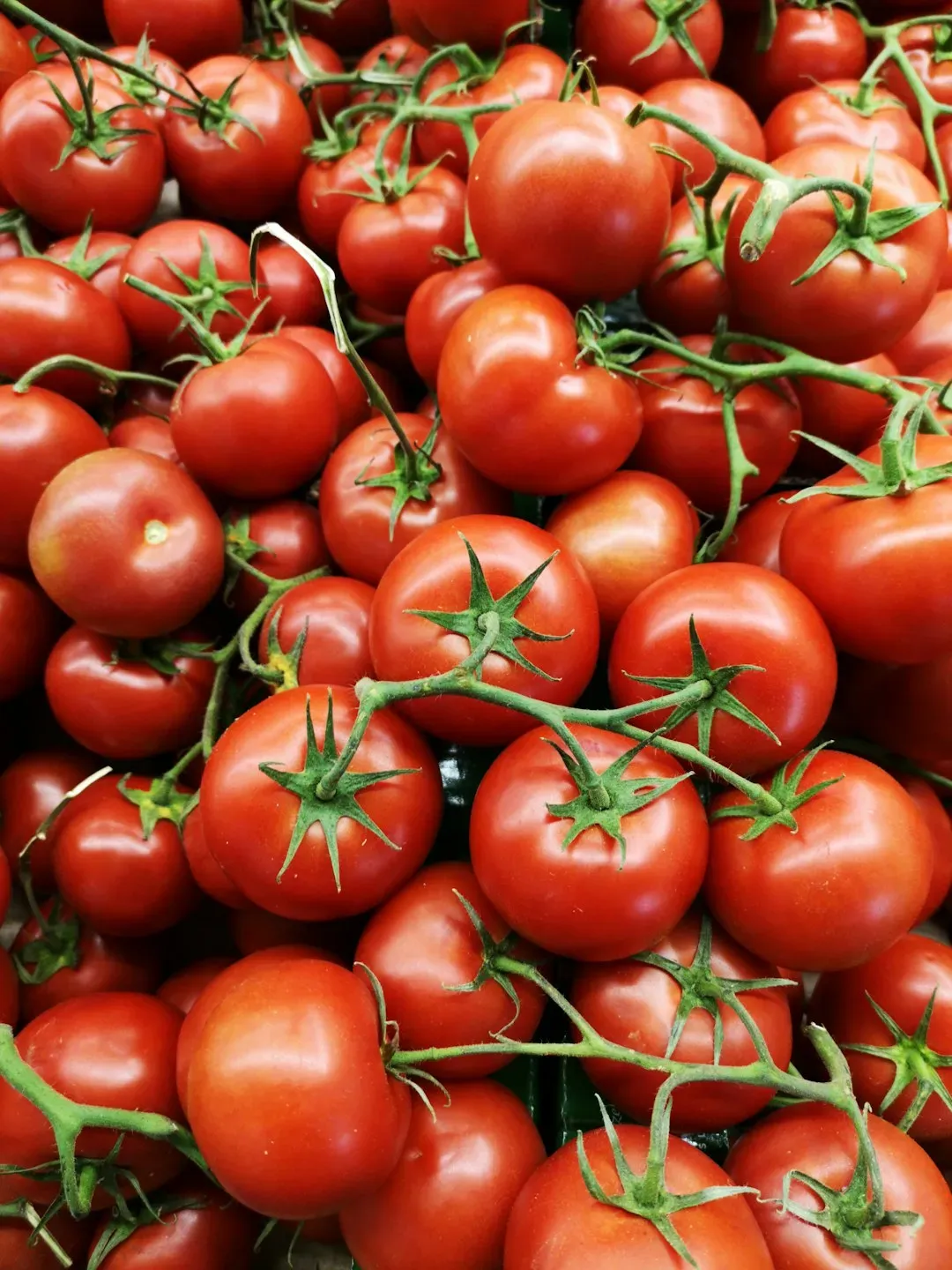
When tomatoes are in season, cooks often use small fresh ones, such as cherry or piennolo types, halved or crushed straight into the pan. The quantity is decided by the pasta being served. A rough handful per person is common, though nobody would call it a formula.
Off season, canned peeled tomatoes fill in, and they’re respected rather than apologized for. Cooks crush them by hand, which controls the texture and lets them feel for stray hard cores. A can is opened, a look is taken, and the pan gets what it seems to need.
Salt Goes In Gradually

Salt is added by the pinch, and often in stages. A little goes in at the start to draw out moisture, then the sauce is tasted again once it has reduced. Because sauce concentrates as it cooks, salting heavily at the beginning is a common way to overshoot.
The cook’s own palm becomes the measuring tool. A pinch between thumb and two fingers is something they’ve repeated thousands of times, so it’s remarkably consistent. Tasting from a spoon, often with a piece of bread, settles the final call.
Reading the Simmer
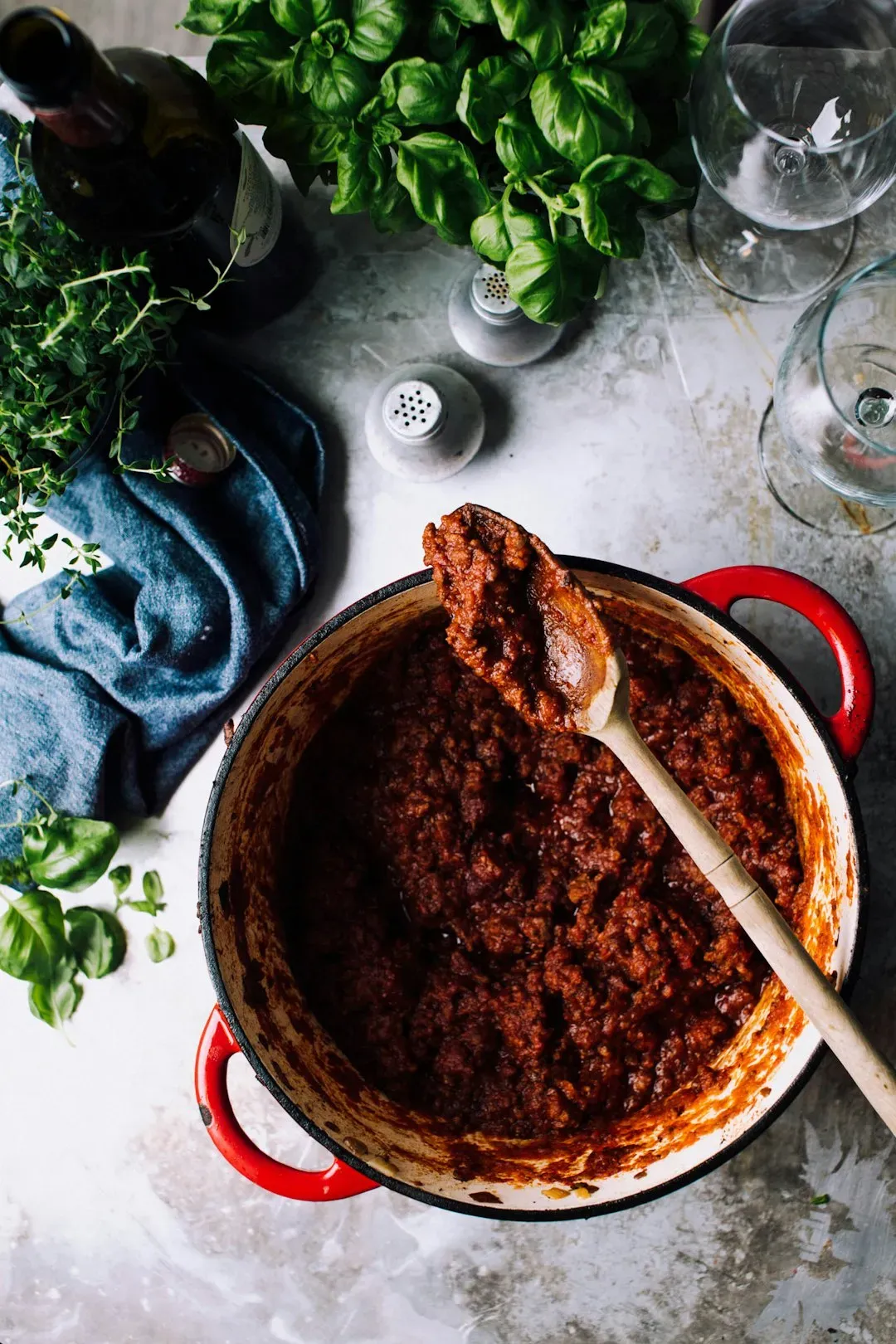
How long a sauce cooks depends on what it looks and sounds like. A quick sauce for pasta might take only fifteen to twenty minutes, until the tomatoes collapse and the color deepens from bright red toward a richer tone. Cooks watch how the surface behaves: lively bubbling means the heat is too high, while a lazy, occasional blip suggests it’s right.
The Sunday ragù is a different animal. Neapolitan ragù simmers for hours with meat, and cooks describe the ideal bubble with the local verb “pippiare,” which roughly means a barely audible murmur. Stirring is occasional, and the wooden spoon tells them how thick it has become.
Basil Comes Last
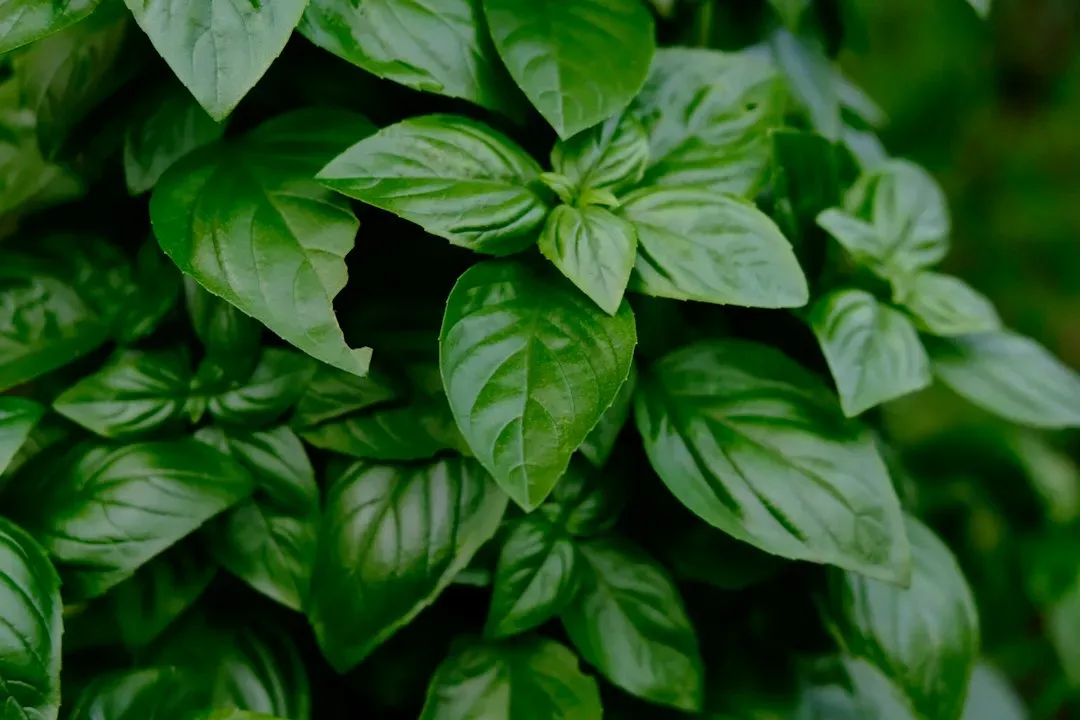
Fresh basil is added near the end, or even off the heat, so its scent stays bright. Leaves are usually torn by hand instead of chopped, and the amount is judged by how the pot smells when the lid lifts. Two or three leaves might be enough for a small pan, a fistful for a big one.
Some cooks drop in a whole sprig early for background flavor and add fresh leaves at the end. Either approach relies on the same instinct: stop when the sauce smells like summer and not like a herb garden.
The Annual Passata Day
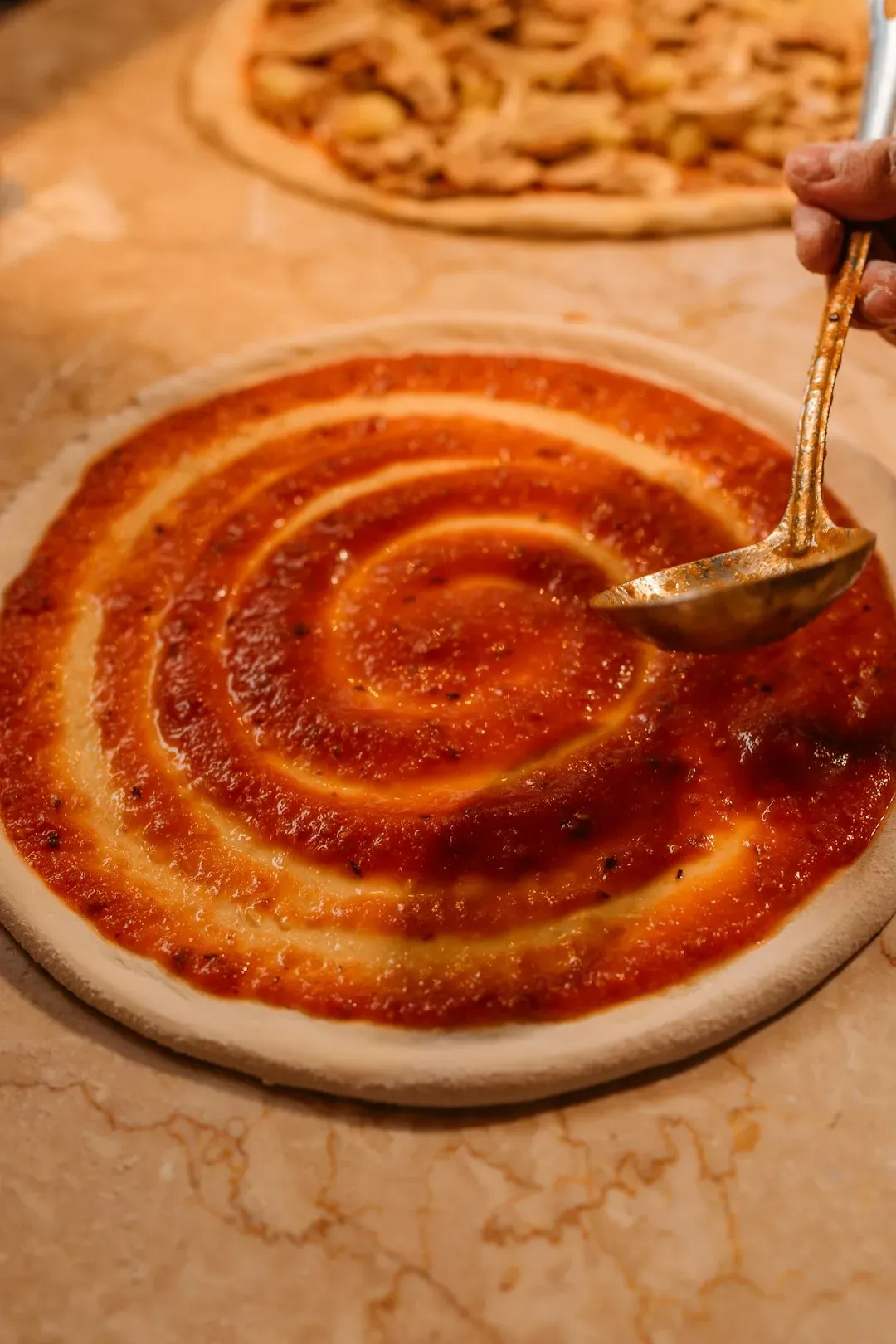
In many families, especially in and around Campania, late summer means a big day of preserving tomatoes. Relatives gather to wash, cook, and mill the fruit into passata, then fill glass jars and heat them to seal. It’s a hands on tradition, and quantities are set by how many crates arrived, not by a recipe.
Basil leaves go into each jar, and the number of jars depends on how many people the household expects to feed through winter. Knowledge passes down by working next to someone older. Children learn by being given a task and watching how the adults decide when a batch is ready.
Finishing the Sauce in the Pasta Pan
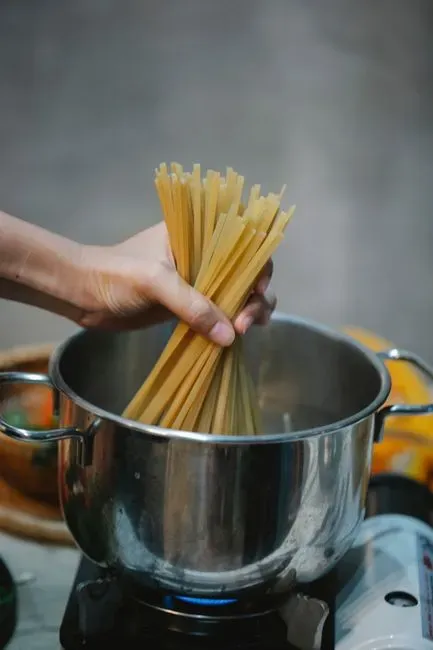
Neapolitan cooks rarely pour sauce over plain pasta. They drain the pasta slightly early, keep a ladle of starchy cooking water, and finish everything together in the sauce pan for a minute or two. The water is added a splash at a time until the sauce clings to the pasta with a glossy coat.
Again, the judgment is visual. If the sauce looks tight, more water goes in. If it looks loose, the heat stays up a little longer, and the plate is served when it looks right.
Learning the Method Yourself
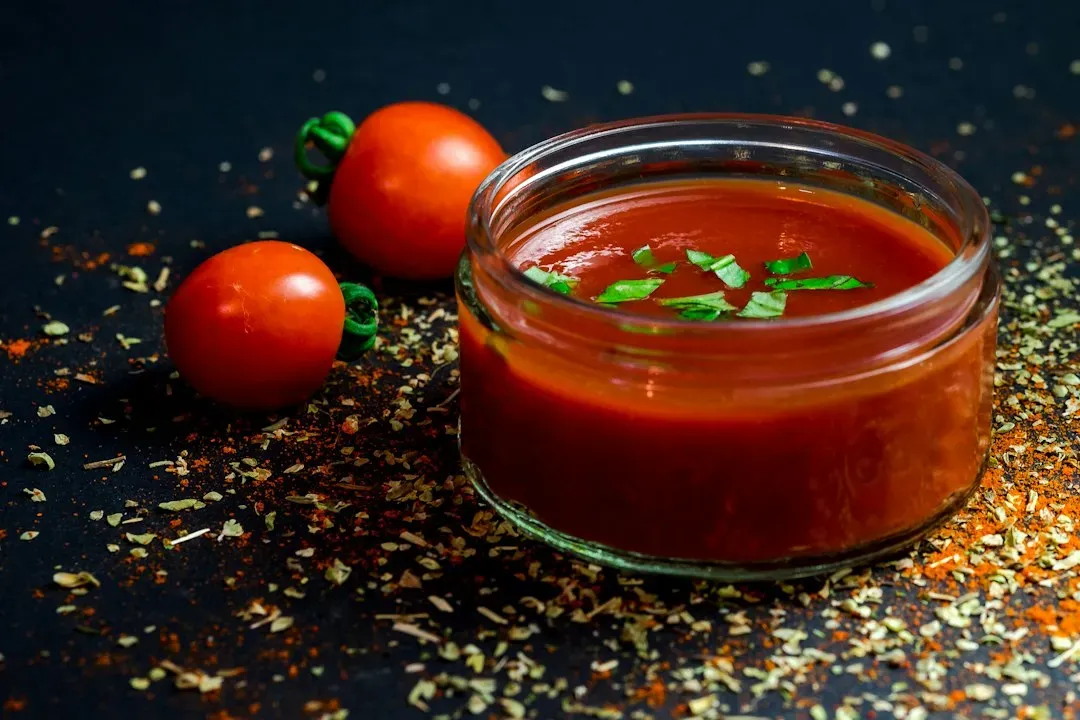
You can borrow this approach without a Neapolitan grandmother by cooking the same simple sauce several times in a row. Start with good tomatoes, a generous slick of olive oil, one garlic clove, a pinch of salt, and a few basil leaves. Pay attention to what each stage looks, smells, and sounds like.
After a few batches, the guesswork shrinks. You’ll notice when the garlic turns golden, when the oil begins to separate, and when the tomatoes stop tasting raw. The sauce is finished when it tastes finished, and the pan has told you so.





Leave a Reply