
A decade of pulling clothes out of stuffed closets, sorting them, and putting them back in a way that actually makes sense has taught me something surprising. The biggest wins rarely come from expensive shelving systems or a trip to a container store. They come from small, repeatable habits that most people skip because they seem too simple to matter.
Over the years, working through closets of every size and budget, six habits kept showing up as the difference between a closet that stays organized and one that slides back into chaos within a month. None of them require a renovation. They just require a shift in how you think about the space.
1. The one in, one out rule for every category

Closets rarely get messy because of one big purchase. They get messy because items accumulate quietly, one hanger at a time, until there’s no room left to breathe. The habit that fixes this permanently is simple: when something new comes in, something similar has to leave.
This isn’t about strict minimalism. It’s about keeping categories in balance so a closet never silently doubles in size over a year. Applying this rule to shoes, sweaters, or even hangers themselves keeps the whole system self-correcting instead of needing a dramatic overhaul every few seasons.
2. Grouping by function, not just by color

Color coordinated closets look great in photos, but they often fall apart in daily use because they don’t match how people actually get dressed. A far more durable habit is grouping items by function first: work clothes, weekend clothes, workout gear, formal wear.
Within each functional group, color or type can still create a secondary layer of order. This two-tier structure means a closet stays intuitive even when it’s not perfectly tidy, because the brain finds items by purpose before it finds them by shade. It also makes packing for trips or picking outfits under time pressure noticeably faster.
3. Vertical space gets used before floor space
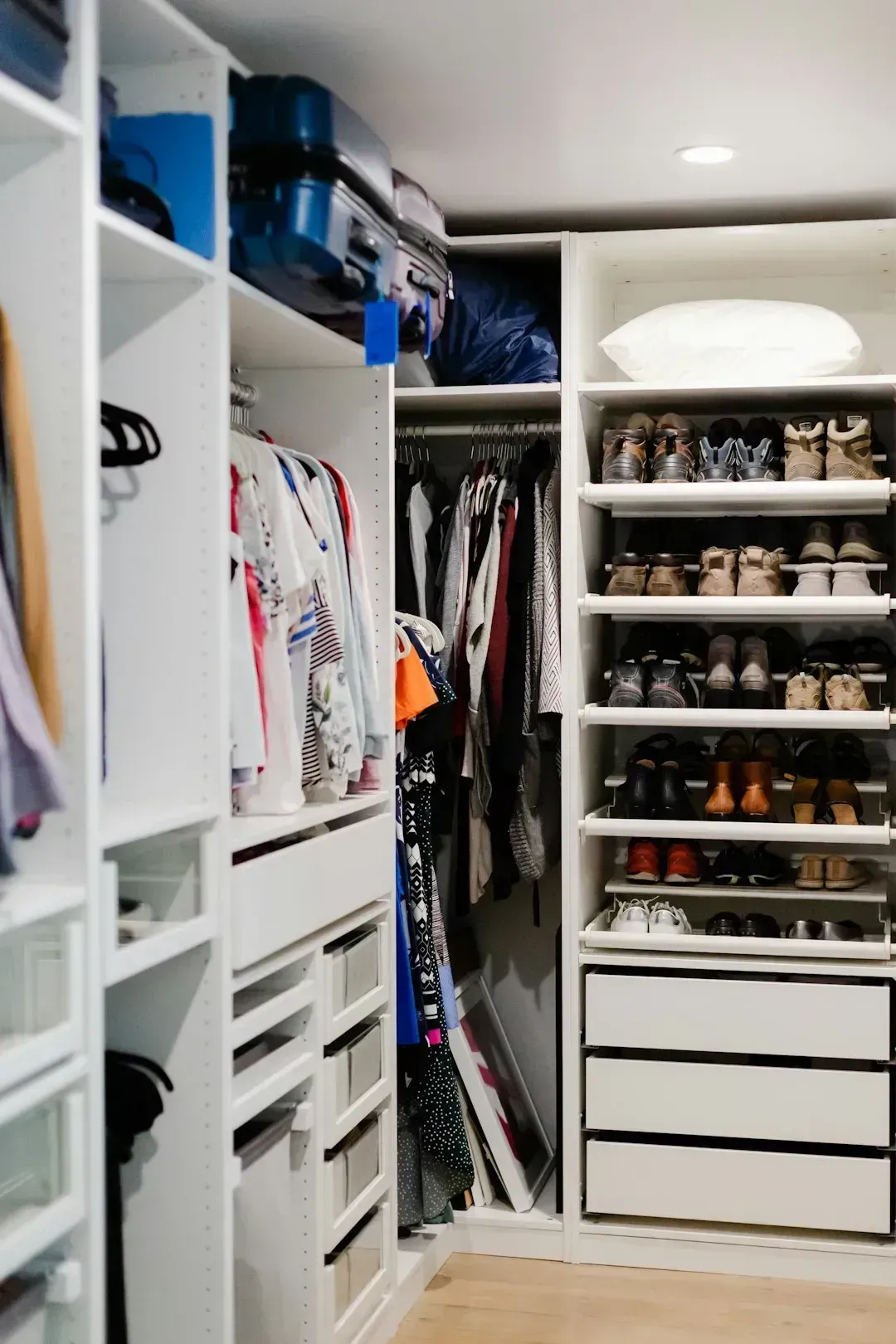
Most closets are judged by their floor space, but the real opportunity sits above eye level and below the hanging rod. Shelving that reaches close to the ceiling, stackable bins, and double hanging rods can effectively add extra square footage without touching the room’s footprint.
The habit here is treating vertical space as prime real estate rather than an afterthought. Items used less often, like seasonal coats or special occasion shoes, belong up high. Everyday items stay within easy reach, which keeps the whole closet functioning smoothly instead of turning into a pile at the bottom.
4. A seasonal reset instead of a yearly overhaul

Waiting for one massive annual cleanout is a recipe for exhaustion and half-finished projects. A better habit is a lighter reset done at the start of each season, when clothes are already being swapped in and out anyway.
This smaller, more frequent check-in makes it easy to spot items that no longer fit, no longer get worn, or no longer make sense for a changed routine. Because the task is smaller each time, it actually gets done, which is more than can be said for most once-a-year decluttering plans that get pushed to “next weekend” indefinitely.
5. Clear, consistent containers over mismatched bins
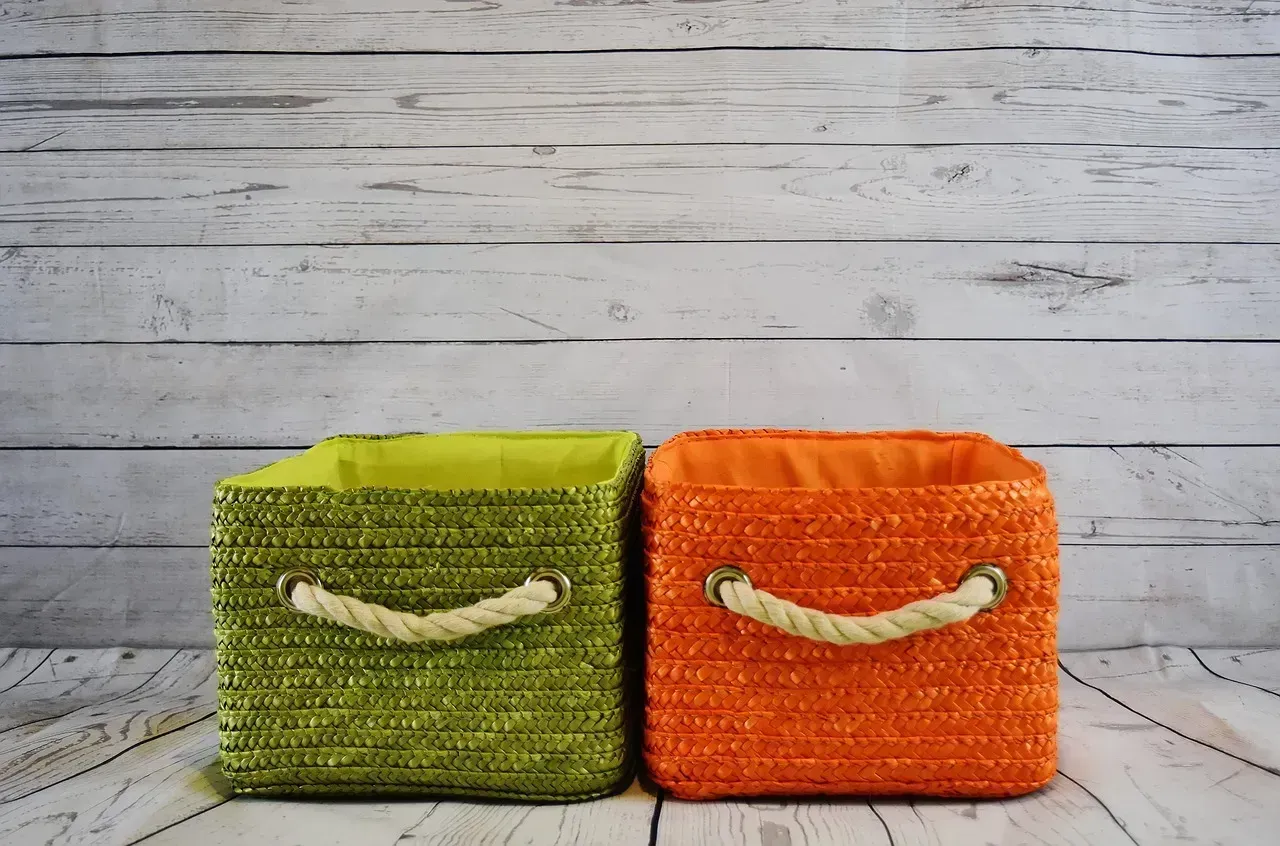
Storage bins are only as useful as their consistency. A closet filled with a random assortment of shoeboxes, plastic bags, and mismatched baskets creates visual clutter even when the contents are technically organized. Switching to a small set of matching, clear or labeled containers changes how a space feels almost instantly.
The habit isn’t about buying a specific brand or spending a lot of money. It’s about picking one system and sticking with it across the whole closet. Consistency reduces decision fatigue, since finding an item becomes a matter of recognizing a shape or label rather than digging through unrelated containers one by one.
6. Assigning a home to items that don’t have one
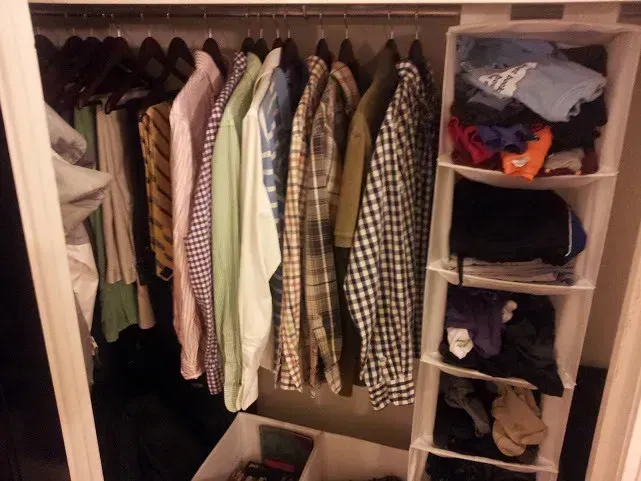
Every disorganized closet has a specific type of clutter: items that were placed there temporarily and never given a real spot. A scarf tossed on a shelf, a bag hung on a random hook, a stack of belts with nowhere to go. These orphaned items are often the first domino that leads to broader disorder.
The habit that solves this is deceptively simple. Every single item gets an assigned location, even if that location is a small drawer divider or a single hook. Once everything has a designated home, putting things away becomes automatic rather than a decision that gets postponed, which is often the real reason closets slide back into mess in the first place.
These six habits don’t require a full closet renovation or a big budget. They work because they target the daily behaviors that quietly build up clutter, rather than treating organization as a one-time event. Applied consistently, they turn a closet from something that needs periodic rescue into a space that mostly takes care of itself.





Leave a Reply