
The decision took longer to make than to execute

I’d talked about retiring overseas for years, the way people talk about writing a novel or learning Italian. It stayed theoretical until my mortgage was paid off and my kids stopped needing anything more than the occasional phone call. The actual selling process, once I committed, moved faster than the years of deliberation that preceded it.
What tipped me over wasn’t a single event but a slow accumulation of small ones: rising property taxes, a house too large for one person, and a growing sense that I was maintaining square footage rather than living in it. Retirement abroad is becoming a more popular option for people looking to enjoy a different pace of life, and each year hundreds of thousands leave their home countries in search of that shift. I wasn’t chasing a fantasy so much as trying to stop paying for space I didn’t use.
Doing the math before signing anything mattered more than I expected

I sat down with the house sale proceeds, my Social Security estimate, and a modest pension, and built a budget that assumed everything would cost more than advertised. That turned out to be the right instinct. Americans over 65 spent roughly $5,119 per month in 2024 inside the US, and I wanted a country where that figure would drop substantially rather than marginally.
The spread between destinations surprised me. Depending on where you land, retirees can live comfortably abroad on budgets ranging from $1,500 a month in Thailand or Colombia to $3,500 a month in Uruguay or Spain. I didn’t need the cheapest option, but knowing the range helped me stop guessing and start comparing real numbers against my real income.
Choosing a country wasn’t about the prettiest postcard

I looked at a dozen places before narrowing it down, and the shortlist kept returning to the same names. According to recent retirement rankings, Spain, Portugal, Costa Rica, Uruguay, and Mexico are consistently rated among the best countries for Americans to retire, based on quality of life, security, integration, and economics. That gave me a starting point rather than an answer.
I eventually settled on Portugal, partly because of the climate and partly because the visa path was clearer than most. Other lists point to different winners depending on priorities. Greece, for instance, has been noted for 300+ sunny days, a laid-back lifestyle, and living costs around one-third of what many Americans pay back home, which tells you there’s no single correct choice, only the one that fits your particular life.
The visa process taught me patience I didn’t know I still had

Portugal’s D7 visa, the one most retirees use, sounds simple until you’re gathering documents at 6 a.m. because a consulate only opens for two hours a day. As of 2026, the minimum income requirement for the Portugal Retirement Visa is €920 per month for a single applicant, sourced from pensions, investments, or other passive income. On top of that, applicants generally need to show a minimum savings amounting to €11,040 annually.
I also learned the visa isn’t a one-time transaction. The residency permit is valid for an initial two years, after which it can be renewed for an additional three years, and staying compliant means not being out of Portugal for more than six consecutive months or eight non-consecutive months during the permit’s validity. Nobody mentioned that part to me until I was already deep into paperwork, and it changed how I planned trips back home.
Healthcare abroad surprised me, mostly in good ways

Before I left, I assumed my Medicare would somehow travel with me. It doesn’t. American retirees living abroad quickly discover that U.S. Medicare doesn’t cover you abroad, so most retirees carry local insurance or pay out-of-pocket for care, which is still far cheaper than in the States.
What eased the transition was learning that health coverage is often baked into the visa requirement itself. Health insurance is a non-negotiable requirement for obtaining a retirement visa in most top destinations, including Portugal, Spain, Greece, Thailand, and Costa Rica. Once I had a private plan sorted, I stopped worrying about it, and honestly, the appointment wait times I dealt with abroad weren’t much worse than back home.
Renting first turned out to be the smartest move I made
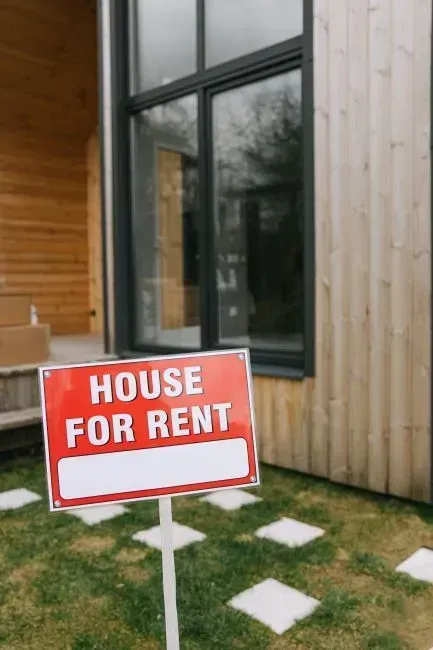
Everyone told me to rent for a year before buying, and I almost didn’t listen. I’m glad I did, because the neighborhood I loved on vacation felt completely different in January rain with no tourists around. A year of renting let me test commutes, grocery stores, and the actual rhythm of daily life before committing real money.
It also gave me leverage during the visa process itself, since proof of accommodation, whether owned or rented, is part of the paperwork. Applicants generally need to show either property ownership or a long-term lease of a year or more to satisfy residency requirements. Skipping that flexibility to buy immediately would have locked me into a decision I wasn’t ready to make.
Taxes followed me across the ocean whether I liked it or not

I had the naive idea that leaving the country meant leaving the IRS behind. It doesn’t work that way for American citizens, who owe US taxes on worldwide income regardless of where they live. Understanding the tax treaties and how US taxation interacts with foreign income turned out to be one of the more tedious but necessary parts of the planning process, and I ended up hiring an accountant who specializes in expat filings rather than muddling through it myself.
Portugal has its own tax considerations layered on top of that, and the rules have shifted in recent years as the country adjusted incentive programs for foreign retirees. I’d tell anyone considering this path to budget for professional tax advice as a recurring annual cost, not a one-time consultation. It’s not glamorous, but it’s cheaper than a mistake.
Currency and money transfers became a monthly puzzle

Nobody warns you how much mental energy goes into moving money across borders every month. Exchange rates fluctuate, wire fees add up, and the “convenient” transfer service your bank recommends is rarely the cheapest option available. I eventually settled into a routine using services built specifically for international transfers rather than relying on my old bank’s international wire desk.
It sounds like a small detail until you calculate what a bad exchange rate costs you over a full year of pension deposits. A percentage point here and there doesn’t sound dramatic, but multiplied across twelve months and several years of retirement, it adds up to a meaningful sum. I now check rates the way I used to check gas prices, which is to say, more often than is probably healthy.
Building a social life at 62 wasn’t automatic

I assumed the expat community would simply absorb me, the way it seems to happen in retirement blogs and glossy magazine features. In reality, friendships took effort, language classes, and a willingness to show up to things I wasn’t naturally drawn to. The retirees who seemed happiest weren’t the ones who stuck exclusively with other expats, but the ones who made some genuine attempt to integrate locally.
Language proficiency requirements for certain visas, including a basic level of the local language for long-term Portuguese residency paths, nudged me toward lessons I might have skipped otherwise. It turned out to be one of the better forced decisions of the whole process. Ordering coffee in broken Portuguese felt silly at first, and then it felt like home.
What I’d tell my 61-year-old self if I could

I’d say move slower on the house sale and faster on the research. I spent more time picking paint colors for a house I was about to sell than I did comparing healthcare systems in the countries on my shortlist, which in hindsight is a strange set of priorities. I’d also tell myself to build a bigger cash buffer for the first six months, because unexpected costs, from furniture to bureaucratic fees, showed up more often than the glossy retirement guides suggested.
Mostly, I’d tell myself that the paperwork is temporary but the decision is not, so it’s worth getting the fundamentals right even if it means delaying the move by a few months. None of the difficulties were dealbreakers. They were just the unglamorous parts of a genuinely good decision, the parts nobody puts in the brochure.





Leave a Reply