
Selling a home to live on the road sounds like freedom in its purest form. No mortgage, no lawn, no leaky roof, just a passport and a loose itinerary. For plenty of people, that picture is accurate for a while.
Still, the trade-offs rarely show up in the glossy version of the story. This article doesn’t draw on one person’s diary. It pulls together the regrets that are logically and commonly tied to selling a primary residence and moving around full-time, using general financial and practical principles. The aim is to help you think clearly before you list your house.
Losing a Stable Asset You Can’t Easily Rebuy
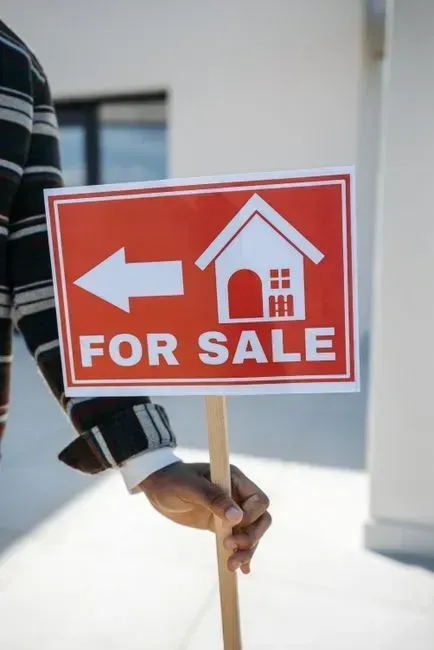
For many households, a home is the largest single asset they own. Federal Reserve survey data has long shown that housing equity makes up a major share of middle-class net worth. When you sell, you convert that asset into cash, and you can’t simply reverse the move if you change your mind.
Reentering the market later means facing whatever prices and mortgage rates exist at that point, not the ones you sold into. Rates rose sharply in 2022 and 2023 and stayed elevated well into the following years, so someone who sold a low-rate mortgage home may find that coming back costs noticeably more each month. That isn’t a prediction for your situation, just a reminder that the door doesn’t swing both ways at the same price.
Underestimating the Tax and Transaction Costs

Selling a house isn’t a clean swap of equity for cash. Agent commissions, closing costs, repairs, and moving or storage expenses typically take a meaningful bite out of the proceeds. Those costs are real even when the sale goes smoothly.
In the United States, the IRS allows many homeowners to exclude up to 250,000 dollars of gain from income, or 500,000 for married couples filing jointly, if they owned and lived in the home for at least two of the previous five years. Gains above that can be taxable, and rules differ by country. Check your own situation with a tax professional before you sign anything.
The Hidden Price of Constant Movement

Budgets for full-time travel often fail because people price the trip, not the lifestyle. Flights, short-term rentals, and eating out every day add up faster than a mortgage ever did. Slow travel, with longer stays in one place, is generally cheaper per day than hopping every few days.
Currency swings and seasonal pricing also complicate planning. Popular destinations can charge far more in peak months. Without a home base to fall back on, there’s no cheap default month where your housing cost drops to near zero.
Healthcare and Insurance Gaps

Health coverage is one of the trickiest parts of living abroad or in motion. Standard domestic plans often limit coverage outside your home country, and many travel insurance policies are designed for trips, not for years. Some policies also require that you maintain a home country residence, so read the terms closely.
Ongoing care becomes harder too. Refilling prescriptions, seeing the same doctor, and managing chronic conditions all get more complicated without a fixed address. International health plans for expats and long-term travelers exist, but they vary widely in price and coverage, so compare them carefully.
Paperwork Without a Permanent Address

An address is quietly attached to nearly everything: banking, driver’s licenses, voter registration, taxes, and insurance. Remove it and you’ll need a workaround. Many travelers rely on a mail forwarding service or a family member’s address, and some US states are much friendlier to this arrangement than others.
Visa limits add another layer. Many countries restrict tourist stays to a set number of days, so staying on the road for years requires careful tracking. Tax residency can also become murky if you spend long stretches in several places, which is another reason to get professional advice early.
Missing Roots, Routine, and Community

Travel can be exhilarating, yet research on long-term mobility and loneliness suggests that frequent moves can make it harder to maintain close relationships. Friendships built on shared routines, like a weekly dinner or a neighborhood walk, fade when you’re never in the same place twice. Video calls help, but they don’t fully replace being present.
Many full-time travelers also describe travel fatigue, the simple exhaustion of constantly planning, packing, and adapting. A home is partly a place to rest from novelty. Without one, even a beautiful beach can start to feel like another logistics problem.
Conclusion

None of this means selling your house is a mistake. It means the decision carries costs that are easy to overlook: lost equity, taxes and fees, steady travel expenses, insurance gaps, paperwork headaches, and a thinner sense of community. Some people weigh those and still choose the road happily.
If you’re tempted, consider a test run first, such as renting out your home or traveling for several months before selling. Freedom is worth planning for, and the best adventures are the ones you can afford to return from.





Leave a Reply