
Ask a couple who’ve been together for forty years for their secret, and you’ll often hear something vague, like “we just communicate.” The real answer is usually a pile of small, almost invisible routines that nobody thought to name. They don’t make for good toasts at anniversary parties, yet they do a lot of the heavy lifting.
This list draws on long-standing relationship research, including the work of psychologists such as John Gottman and Arthur Aron, along with well-established findings on gratitude, humor and shared time. I’ve kept the claims modest, because marriage science is full of correlations rather than guarantees.
1. They Turn Toward Small Bids for Attention

Gottman’s research describes “bids,” the tiny requests for connection that happen all day. Examples include pointing out a bird, sighing after a rough call, or sharing a headline. In his lab’s observations of newlyweds, couples who later stayed married responded to these bids far more often than couples who later divorced. His team reported figures of about 86 percent versus about one third.
Nobody announces this habit, because it feels like nothing. A glance up from the phone, a “hm, tell me more,” a quick grunt of interest. Over decades, those moments add up to a sense that your partner is on your side.
2. They Keep a Ritual of Reconnecting Each Day

Many long-term couples have some small daily anchor. It might be coffee before the house wakes up, a walk after dinner, or a few minutes at the end of the day to talk. Gottman’s clinical work recommends brief, regular check-ins, such as a stress-reducing conversation, because stress from outside the marriage tends to leak into it.
These rituals rarely get discussed because they seem trivial. Still, their predictability is the point. When connection is built into the schedule, it doesn’t depend on anyone’s mood or free time.
3. They Express Appreciation Out Loud

Research on gratitude in relationships backs this one up. Studies by Sara Algoe and colleagues have found that feeling appreciated by a partner is linked to greater closeness and satisfaction. A longitudinal study on married couples also linked expressed gratitude to stronger marital quality over time.
Long-married people often say thank you for things that could be taken for granted, like dishes, driving, or remembering a pharmacy pickup. It sounds a bit formal until you realize it’s the opposite of keeping score. It tells the other person that their effort was noticed.
4. They Use Humor as a Pressure Valve

Shared laughter shows up repeatedly in marriage research as a sign of a healthy bond. Gottman’s observations found that gentle humor and affection can help couples de-escalate during disagreements. The key word is gentle, because sarcasm and contempt do the opposite.
Couples with decades behind them tend to have private jokes and shorthand that outsiders don’t get. They rarely credit that humor for their staying power. Yet it can turn a tense moment into a manageable one without anyone losing face.
5. They Avoid Contempt, Even When Angry
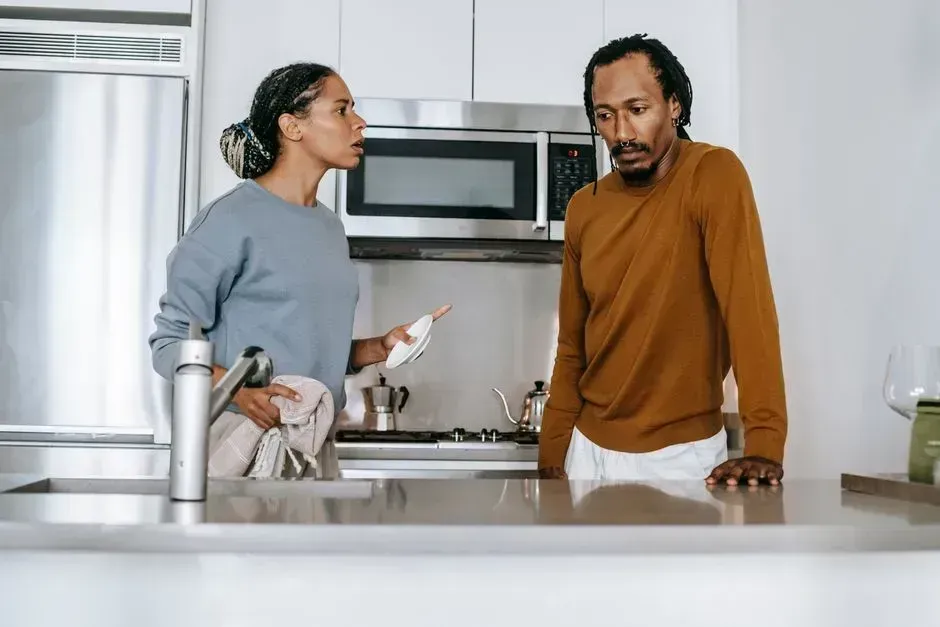
Gottman identified contempt, which includes eye-rolling, mockery and name-calling, as one of the strongest predictors of divorce in his research. He calls it, along with criticism, defensiveness and stonewalling, one of the “Four Horsemen.” Contempt communicates disgust, which makes it uniquely corrosive.
Long-married couples often fight, sometimes loudly. What many of them quietly protect is a floor of basic respect that they won’t go beneath. They’ll say “I’m furious” before they’ll say “you’re pathetic.”
6. They Take Breaks During Heated Arguments

When people are emotionally flooded, their heart rate climbs and clear thinking suffers. Gottman’s work suggests that pausing for at least twenty minutes lets the body settle before a conversation resumes. Many experienced couples learned this the hard way and now do it without ceremony.
The habit works best when it comes with a promise to return. Walking out with no explanation can feel like stonewalling. Saying “I need a bit, and then I want to finish this” keeps the door open.
7. They Keep Trying New Things Together

Arthur Aron and colleagues found that couples who took part in novel, mildly challenging activities reported higher relationship quality than those who did familiar, pleasant ones. This is part of the self-expansion model of relationships. Newness can recreate some of the excitement of early romance.
It doesn’t need to be skydiving. A new cuisine, a different hiking trail or a class together can do the job. Couples seldom describe it as a strategy, but many simply keep one another curious.
8. They Maintain Friendships and Interests of Their Own

Healthy long marriages usually aren’t fused into a single unit. Research on relationships has long found that people benefit from social support beyond their partner. Leaning on one person for everything can strain even a loving bond.
9. They Share the Mental Load, Not Just the Chores

Fairness matters to marital satisfaction, though it doesn’t always mean a perfect fifty-fifty split. Studies of household labor have found that perceived unfairness is tied to lower relationship satisfaction, particularly for the partner doing more. Planning, remembering and anticipating needs are a type of work that’s easy to miss.
Couples who’ve stayed together tend to renegotiate this over the years as jobs, kids and health change. They talk less about “who does what” than about whether it feels fair. That ongoing adjustment is often the unglamorous glue.
10. They Assume Good Intent and Repair Quickly

Gottman’s research highlights repair attempts, such as an apology, a joke or a touch on the arm, as a major factor in whether arguments cause lasting damage. Couples who give their partner the benefit of the doubt tend to accept those attempts more readily. In happy couples, negative moments are less likely to spiral.
Long-married partners rarely call this a skill. They’d probably say they just don’t hold onto things. In practice, it means saying sorry first sometimes, and accepting the apology gracefully.
None of these habits is dramatic, and that’s why they go unmentioned. Lasting marriages seem to be built from ordinary behavior repeated for years, not from grand gestures. The research points to patterns, not guarantees, so it makes sense to borrow whichever ideas fit your relationship.
Pick one habit this week and try it quietly. Small things done consistently tend to be what a long marriage is made of.





Leave a Reply