
What basting is supposed to do in the first place
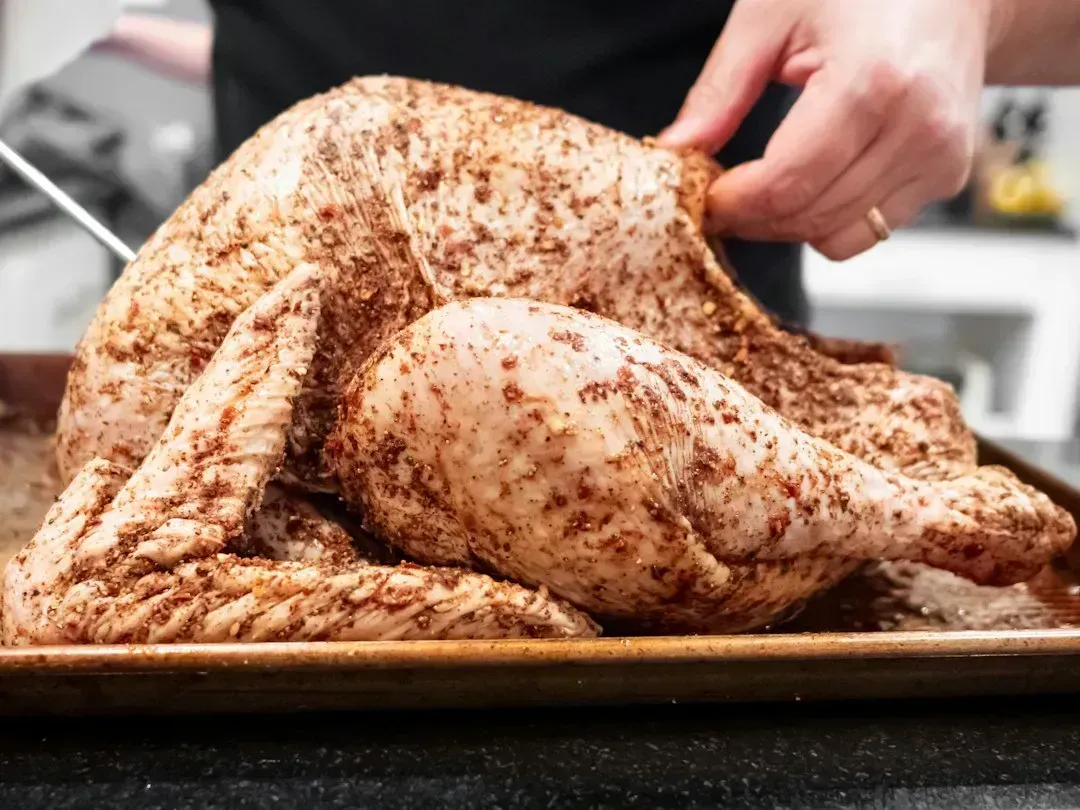
Basting is a cooking technique often used to moisten a dish by spreading meat juices, sauce, or marinade over the surface as it cooks, and it shows up constantly in traditional turkey recipes passed down through families. Basting is a cooking technique often used to moisten a dish by spreading meat juices, sauce, or marinade over the surface as it cooks. It’s a common step in many roasted turkey recipes. The logic seems sound on paper: coat the bird, keep it hydrated, repeat.
According to its proponents, basting is the best way to avoid a dry bird. Yet plenty of home cooks who follow that advice to the letter still end up serving something less than juicy. That gap between expectation and result is exactly what has chefs and researchers taking a closer look.
Why the liquid rarely reaches the meat
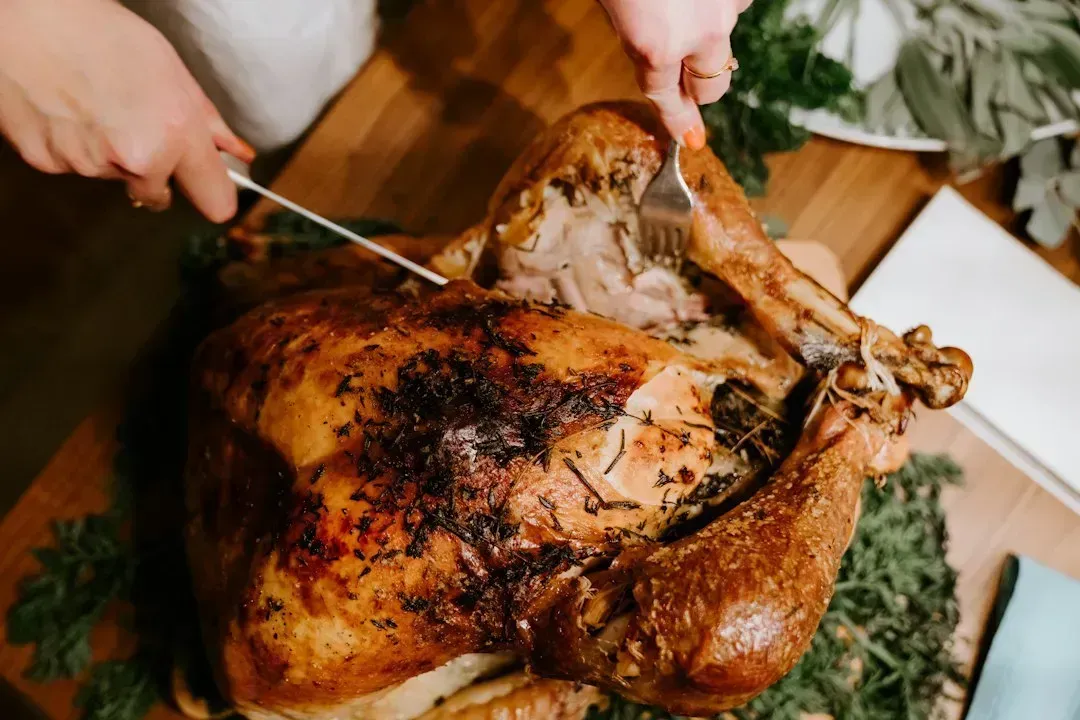
The biggest problem with basting a whole turkey is simple physics. While the idea is that basting adds moisture to dry meat, the turkey doesn’t absorb much of the basting liquid. Instead, it runs over the surface of the turkey, not reaching the center.
A Butterball Turkey Talk-Line expert put a number on it, explaining that the liquid used to baste the turkey only penetrates about ¼ of an inch beneath the skin, and most of the juices will run off back into the pan. In other words, you’re basically watering the outside of a sealed container and hoping it soaks through.
The oven door problem nobody talks about
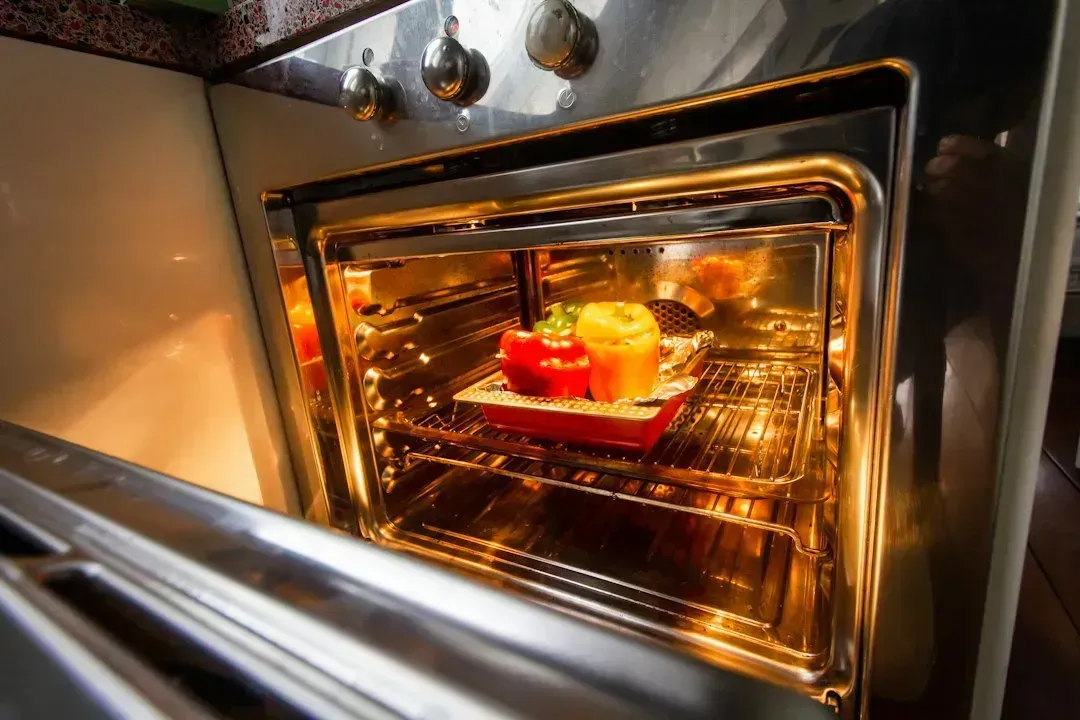
Every time that oven door swings open, heat escapes fast. One food safety expert quoted in a piece on basting said that every time you open the door and spend a few moments basting the bird, the internal temperature of the oven can drop about 100 degrees, which just slows down the entire roasting process.
Other estimates are a bit more conservative but still notable, with one source noting you can lose around 25 degrees in 30 seconds of an open door. Multiply that by six or eight basting sessions over a four hour roast, and you’ve added real time to your cooking schedule, which on Thanksgiving is rarely a welcome surprise.
Crispy skin and basting liquid don’t get along
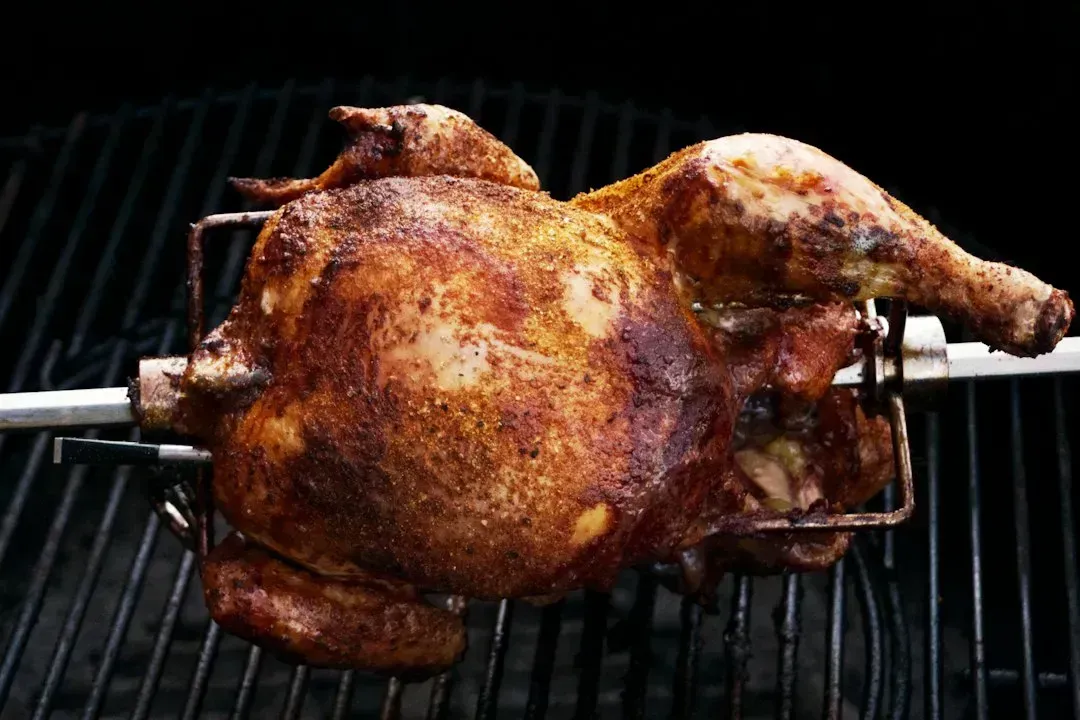
Skin crisps through dehydration, not hydration, which is the exact opposite of what basting delivers. To understand why basting isn’t helpful, it’s useful to understand a little science, and it all boils down to this: for the skin of the bird to get crispy when roasting, it needs to be dry.
The water content in pan drippings is part of the issue too. Those pan drippings aren’t just pure fat. They also contain water-based juices rendered from the meat as it cooks, so every time you baste, you’re also brushing water onto the bird’s skin. Water has a relatively low boiling point, far below the temperatures needed for browning, and that added moisture cools the surface and delays crisping, since crisping requires dehydration, not rehydration. One America’s Test Kitchen reviewer went even further, warning that repeated basting can leave the skin chewy and flabby rather than golden and crackling.
There’s a food safety wrinkle too
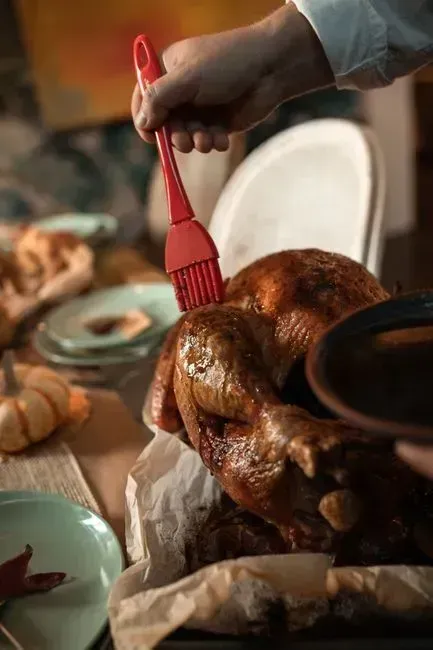
Beyond texture and flavor, there’s a hygiene angle that rarely gets mentioned at the dinner table. Basting turkey can lead to food safety concerns, since as you brush the meat with basting liquid, the basting tools and the remaining liquid can become contaminated with bacteria from the raw poultry, and even as the bird bakes off that harmful bacteria, you’re brushing it back on to baste.
That’s not a reason to panic, since a properly cooked turkey reaches safe internal temperatures regardless. Still, it’s one more small argument chefs bring up when explaining why they’ve quietly dropped the basting brush from their routine altogether.
What America’s Test Kitchen actually found when they tested it
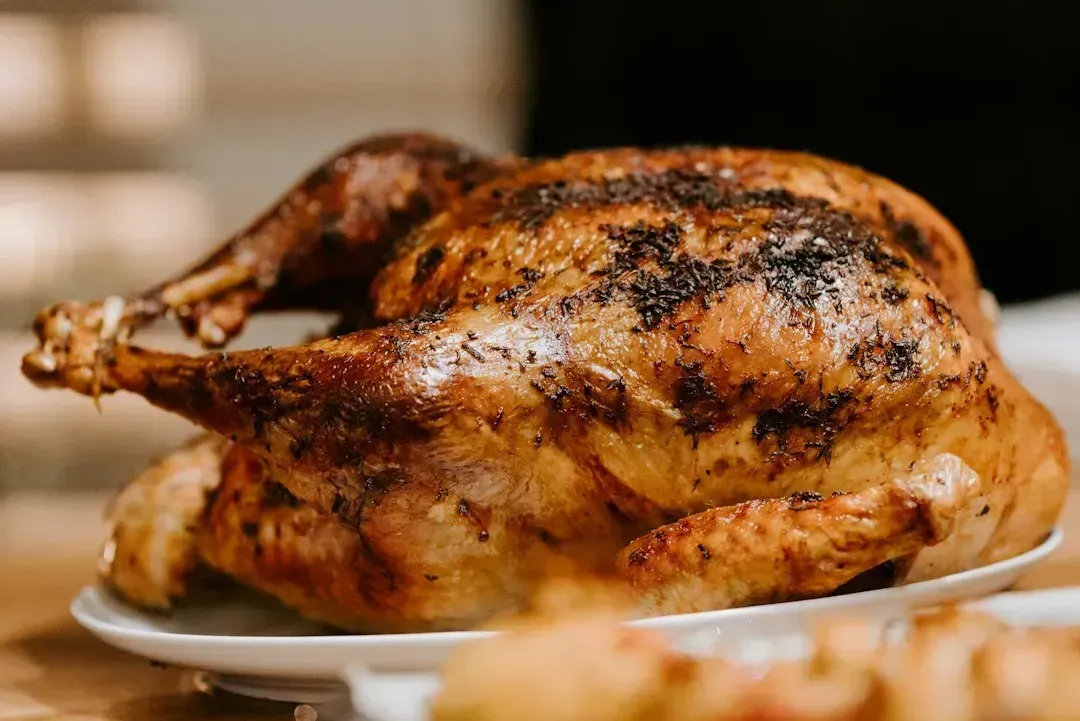
Cook’s Illustrated, the test kitchen arm of America’s Test Kitchen, ran a controlled experiment rather than relying on assumption. The CI team roasted three turkey breasts three different ways, one not basted, the second basted every 20 minutes, the third not basted but the team opened the oven door every 20 minutes to see if that affected cooking.
The results were fairly blunt. Basting does little to make the bird more moist, and while it somewhat improved the browning of the skin, it actually made the turkey longer to cook from the oven door opening and closing. Their overall verdict was direct: the small increase in juiciness isn’t worth the effort or time.
Where basting still genuinely earns its place
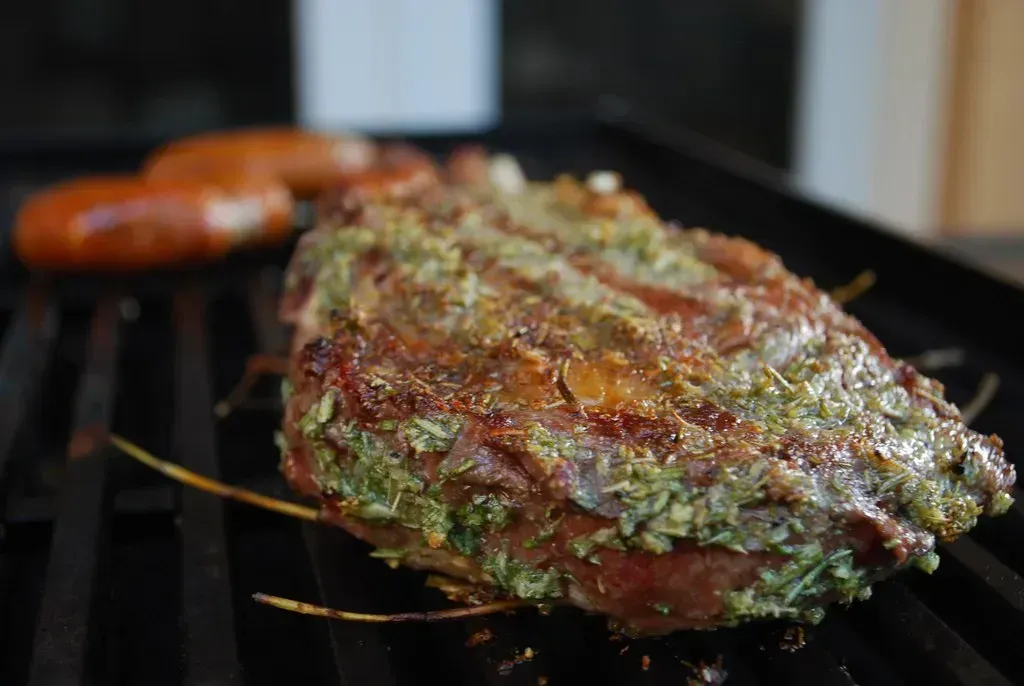
None of this means basting is a useless technique everywhere in the kitchen. It just doesn’t suit a large, whole bird roasting for hours. Basting can work well when preparing smaller meat portions such as pork chops, chicken, and steak, and butter-basting steak is a technique used by many chefs to give maximum flavor when pan-searing.
The difference comes down to scale and cook time. A steak spends minutes over direct heat, giving basting liquid a real chance to build flavor on a surface that isn’t fighting against hours of accumulated moisture loss the way a twelve pound turkey is.
What chefs recommend instead of the basting brush
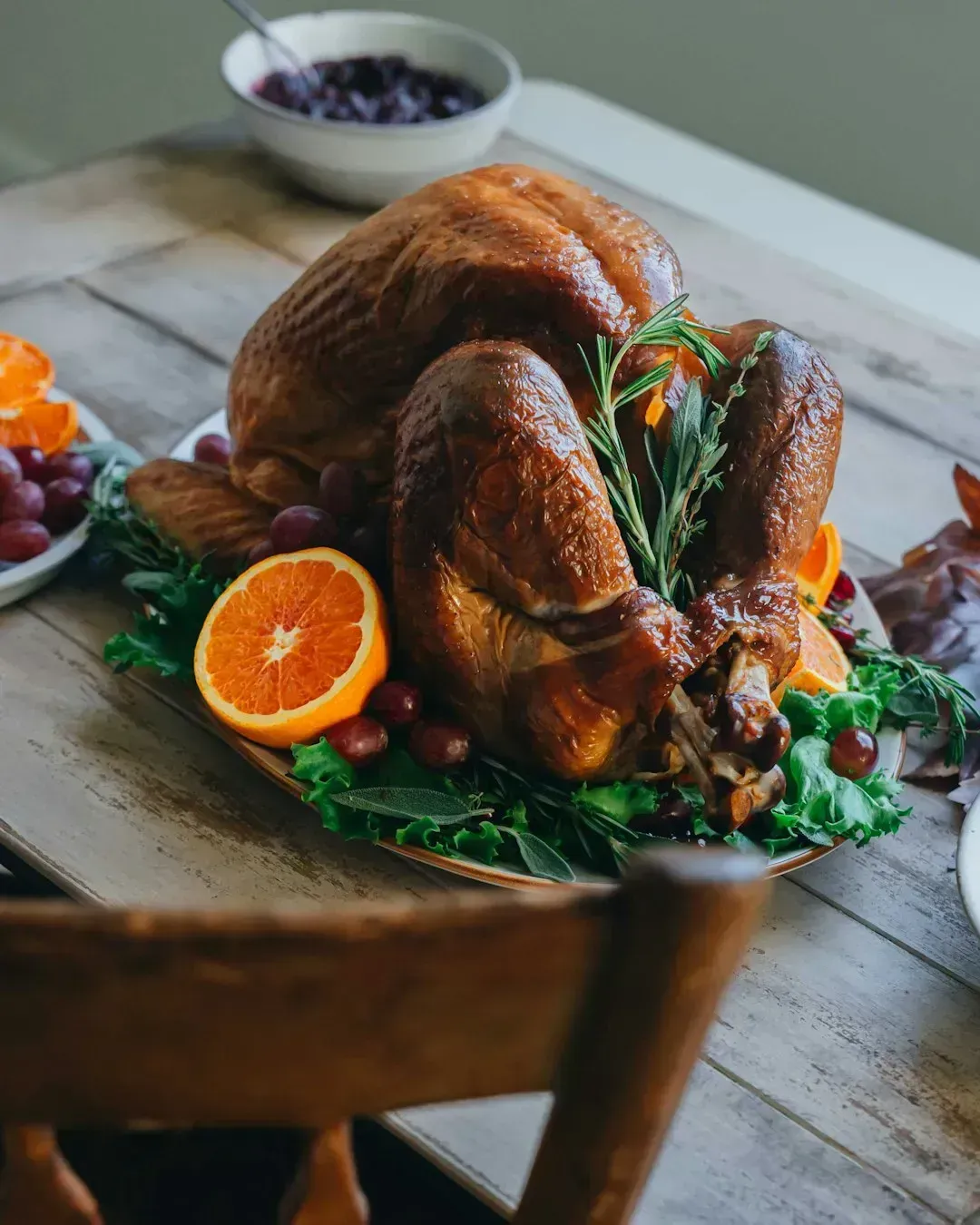
If basting isn’t pulling its weight, what actually keeps a turkey moist? The consensus among professionals points toward dry brining well before the bird goes anywhere near the oven. Make sure the bird has been refrigerated uncovered for a day or two before roasting to dry out the skin, and salt your bird before you put it in the fridge, since through osmosis, the salt draws some moisture from the skin and spreads it through the meat, ultimately making it juicier. This is known as dry brining.
A turkey farmer who runs a poultry business summed up the emotional pull of basting fairly candidly, saying basting makes little difference, apart from the feel-good factor of thinking you are doing something to help. That’s a fair way to think about it: it feels active, even when the payoff is minimal.
If you still want to baste, here’s how to limit the damage
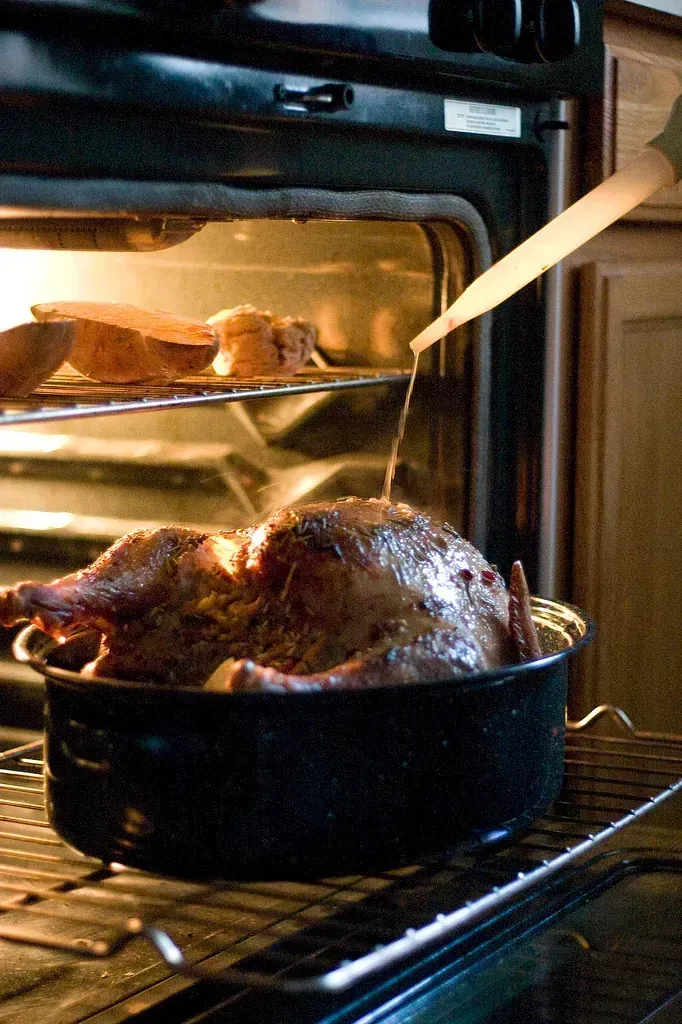
For cooks who can’t quite let go of tradition, there are ways to baste without sabotaging the skin entirely. Timing matters most, and experts suggest keeping visits to the oven infrequent. Baste the turkey every 30 to 45 minutes to make sure the inside stays moist while the skin can still get nice and crispy.
Speed also helps limit heat loss. When basting, open the oven door, take the roasting pan out, and shut the oven door as quickly as possible, since this will ensure the temperature inside the oven doesn’t drop too much. And if crispy skin is the priority, a single application of fat near the end of cooking does more good than repeated dousing throughout, since a single slather of mayonnaise, a rub of oil or clarified butter, or even a one-time coating of pure poultry fat can absolutely help promote even browning and crisping, and the key is to apply it once and leave it alone.
Final thoughts on the basting debate
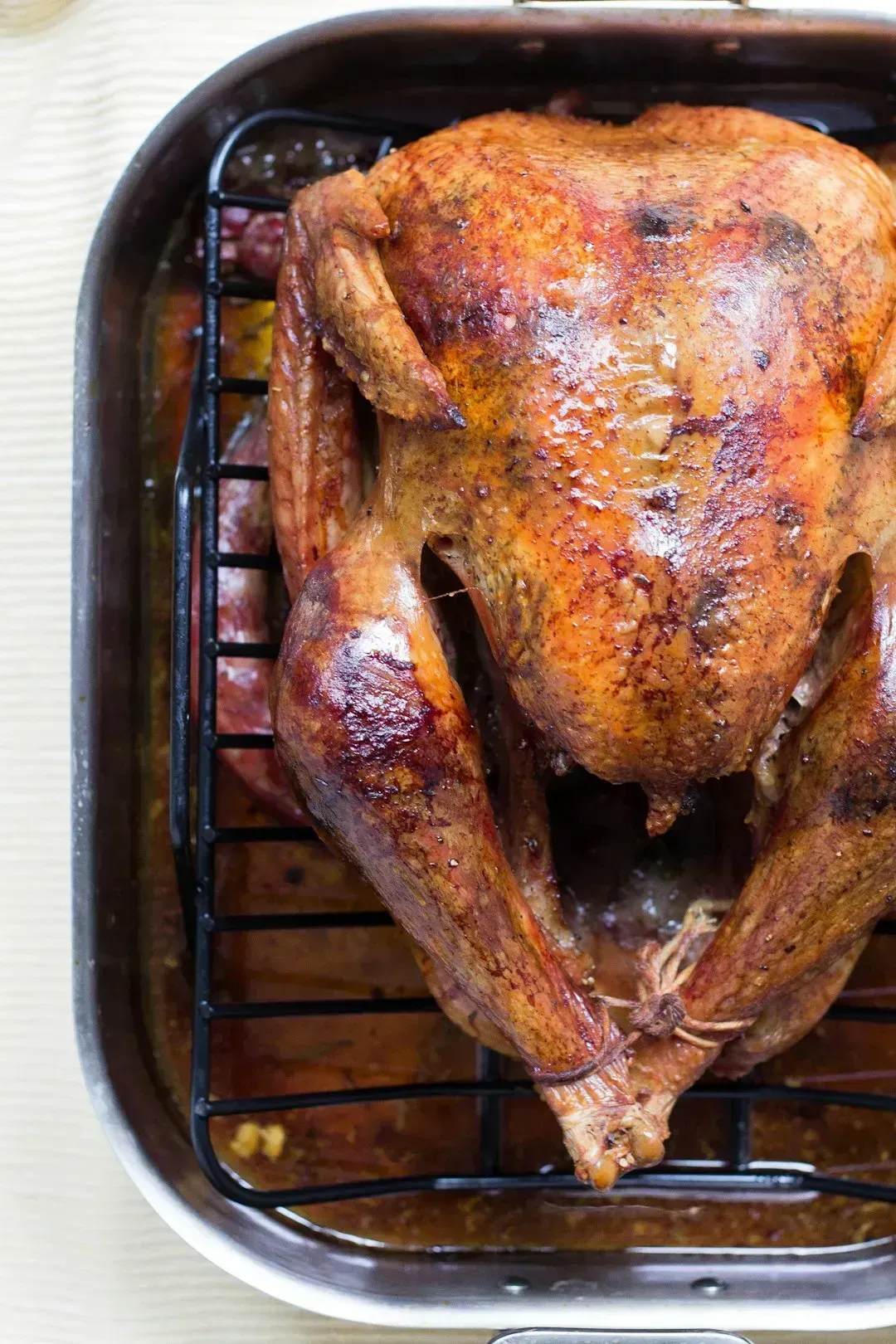
The evidence from test kitchens, food scientists, and working chefs points in a fairly consistent direction: basting a whole turkey isn’t the moisture miracle it’s often made out to be. It adds time, invites heat loss, and can even work against the crispy skin most people are chasing.
That doesn’t mean it’s forbidden or foolish, just that it’s optional. If the ritual of basting brings you some Thanksgiving comfort, a light, infrequent touch won’t ruin dinner. But if the goal is genuinely the juiciest, crispiest bird on the table, most professionals agree the real work happens before the turkey ever sees the inside of the oven.



Leave a Reply