
Ask ten home bakers which fat makes the best pie crust and you’ll probably get four or five firm answers. Some swear by the flavor of butter. Others grew up on a grandmother’s lard crust, and plenty trust a tub of shortening because it has never let them down.
The disagreement isn’t just tradition or taste. Each fat has a different makeup, and that changes how dough handles, how it bakes and how it eats. Here is what’s actually happening in the bowl and the oven.
What Fat Actually Does in Pie Dough
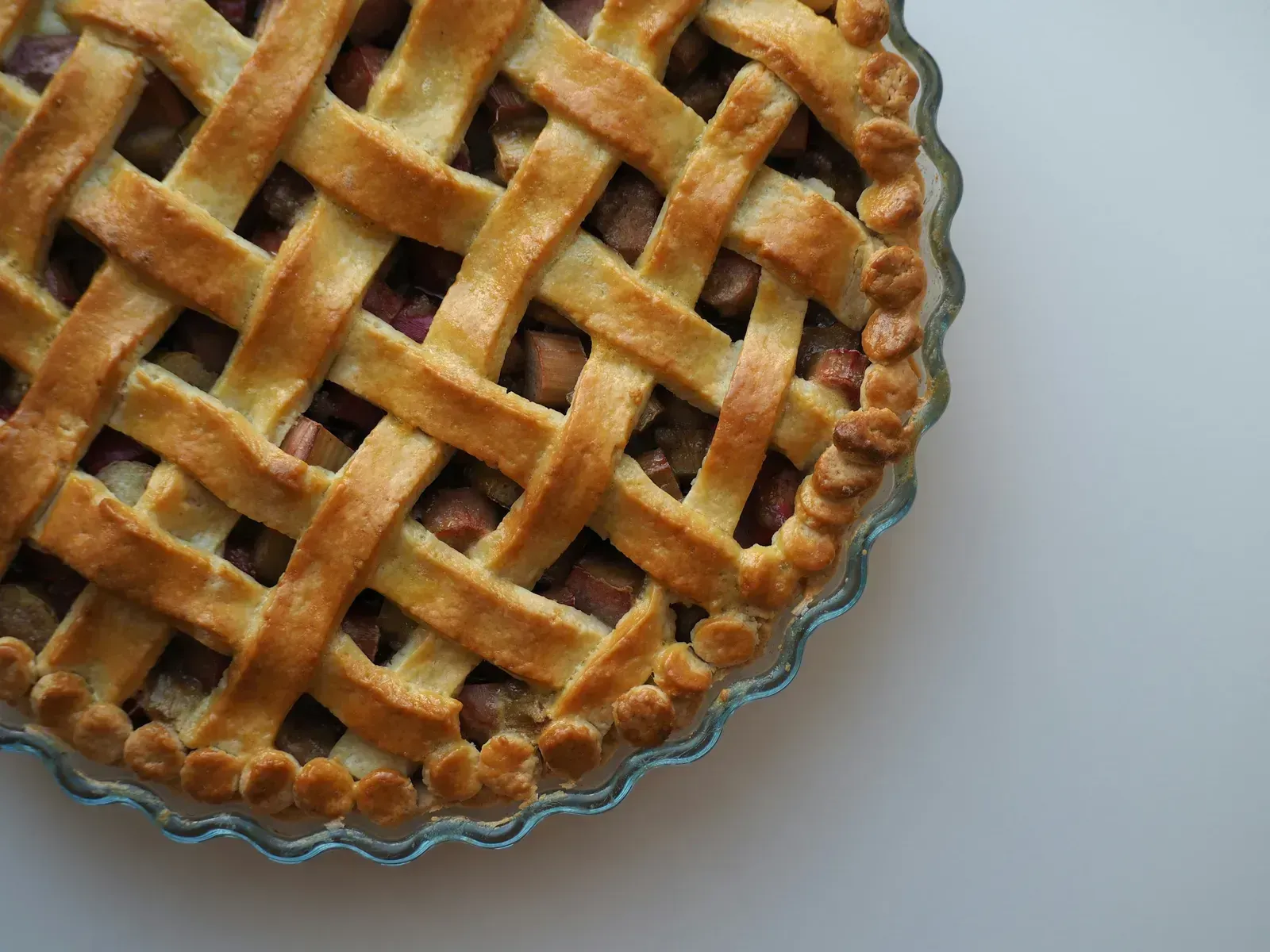
Pie dough is flour, fat, a little salt and cold water. When fat coats some of the flour, it limits how much gluten forms once water goes in. That’s what keeps a crust tender instead of chewy like bread.
Fat also creates layers. Small pieces left in the dough melt in the oven and leave pockets behind, and the crust sets around them as flaky sheets. How much a fat helps with tenderness or flakiness depends on its composition and its temperature.
Butter: Flavor and Browning
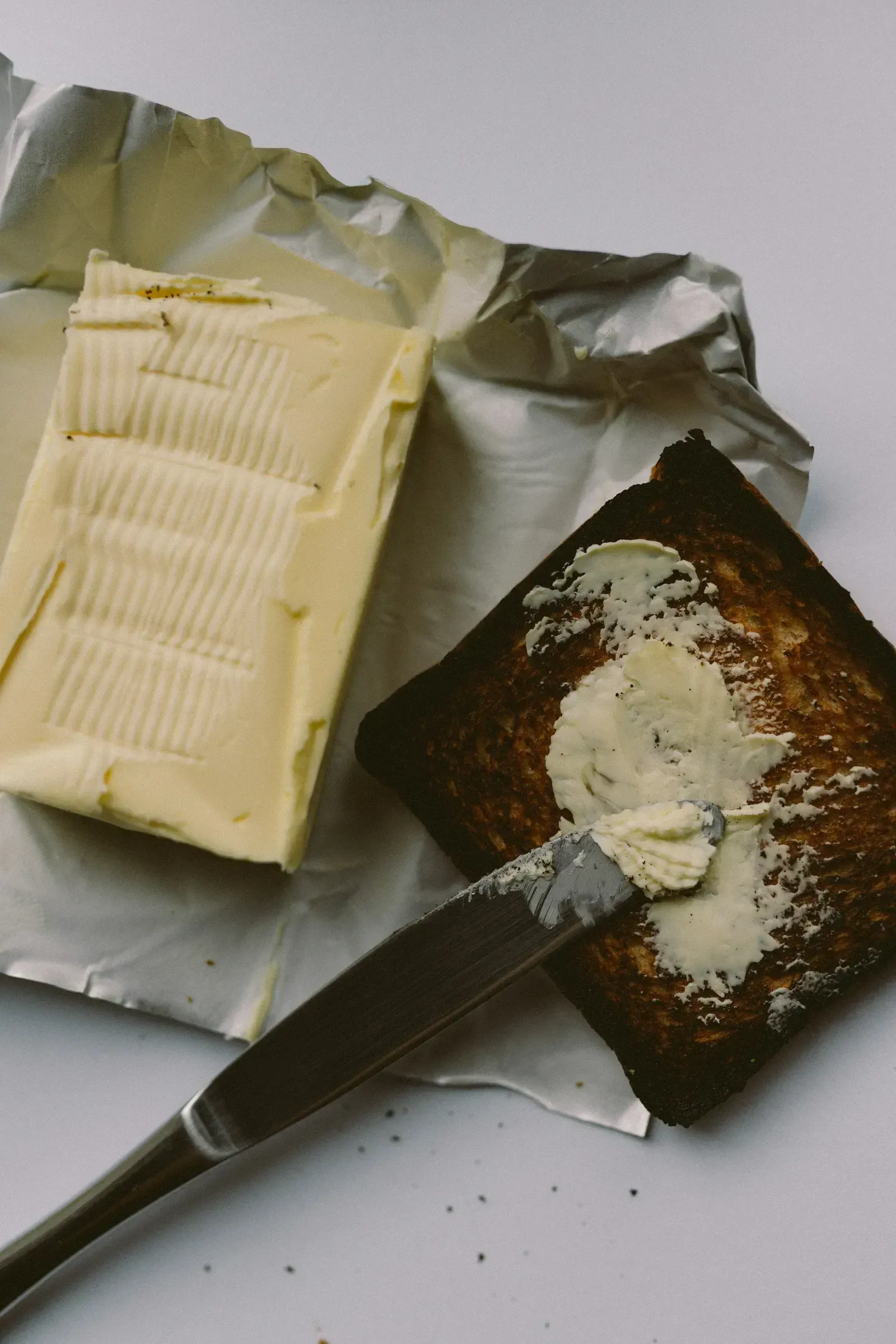
Butter is the flavor leader. By US standards it must contain at least eighty percent milk fat, and the rest is mostly water plus milk solids. Those milk solids brown in the oven, which gives the crust its toasty color and nutty taste.
The water matters too. It turns to steam during baking and helps push the layers apart, so a well made butter crust can be very flaky. The tradeoff is that butter softens quickly at room temperature, and the water can encourage gluten if you overwork the dough. Keep everything cold and work fast.
Lard: The Traditional Flake Maker
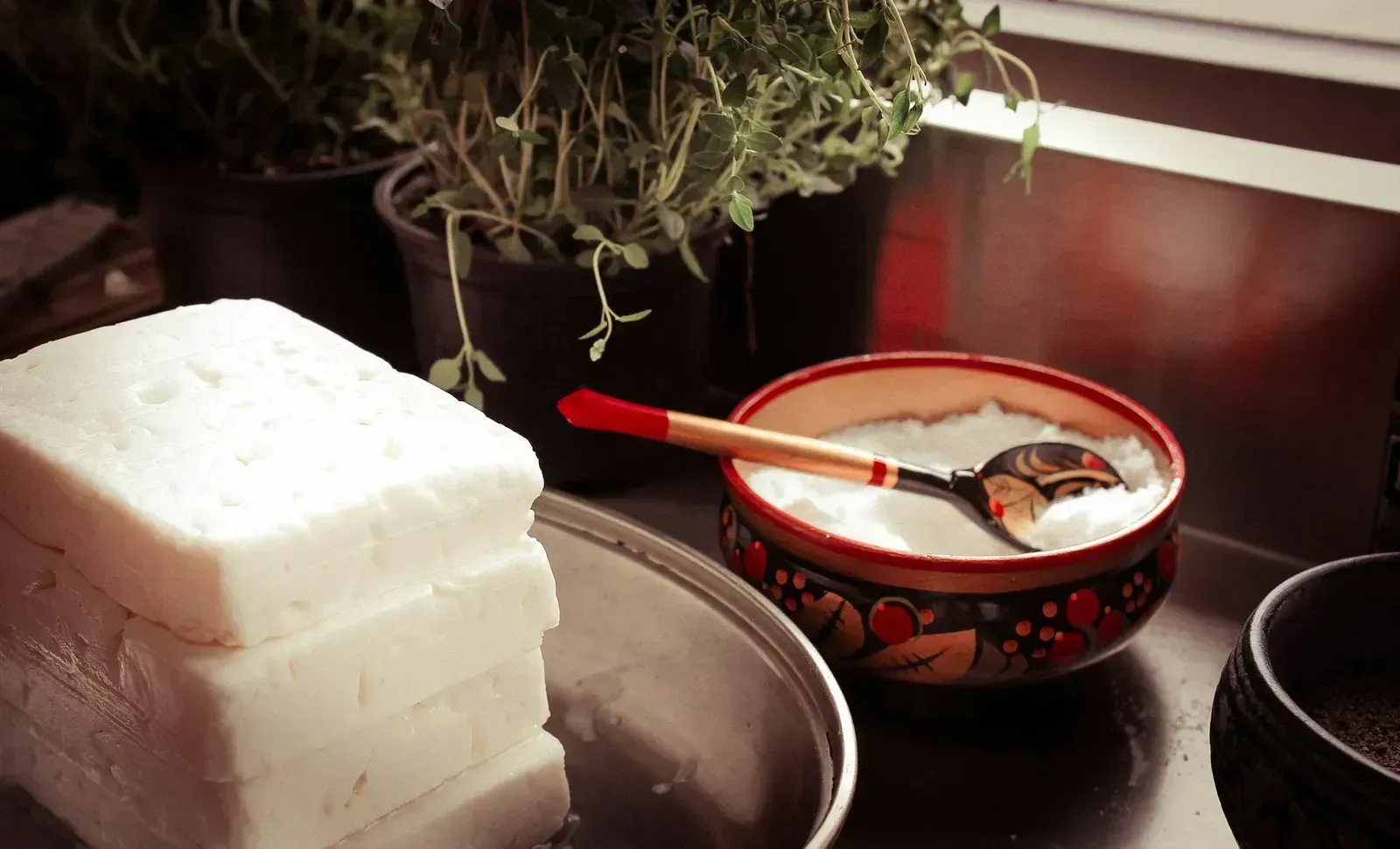
Lard is rendered pork fat and contains essentially no water. Many bakers say it produces a tender crust with large, distinct flakes, partly because of how its fat crystals behave when worked into flour. It also has a softer texture than butter, so it stays workable across a wider range of kitchen temperatures.
The flavor is more subtle than people expect, especially with good quality lard. Leaf lard, taken from around the pig’s kidneys, is prized for being especially mild and is the usual choice for pastry. Shelf stable supermarket lard is often hydrogenated and can taste stronger, so check the label.
Shortening: Easy to Handle and Consistent
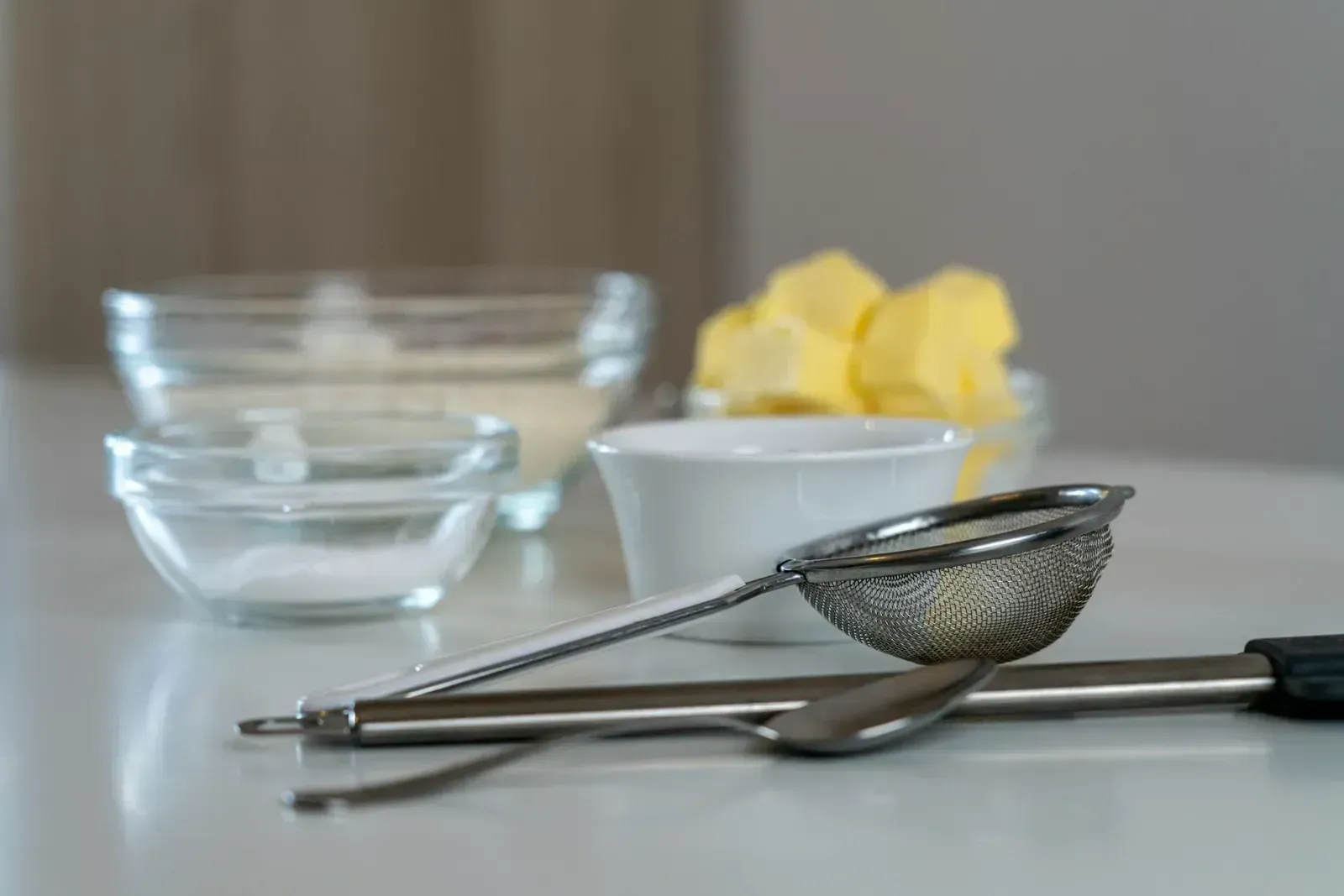
Vegetable shortening is a solid fat made from processed vegetable oils, and it contains no water. It stays firm at warmer temperatures than butter or lard, so dough rolls out forgiving and rarely turns sticky. For beginners or hot kitchens, that reliability is a real advantage.
The downside is flavor, because shortening is neutral and adds none of its own. Crusts made with it tend to be very tender and hold their shape well, which is why decorative edges often look sharper. Many bakers add a pinch more salt or a touch of sugar to make up for the blandness.
The Trans Fat Question
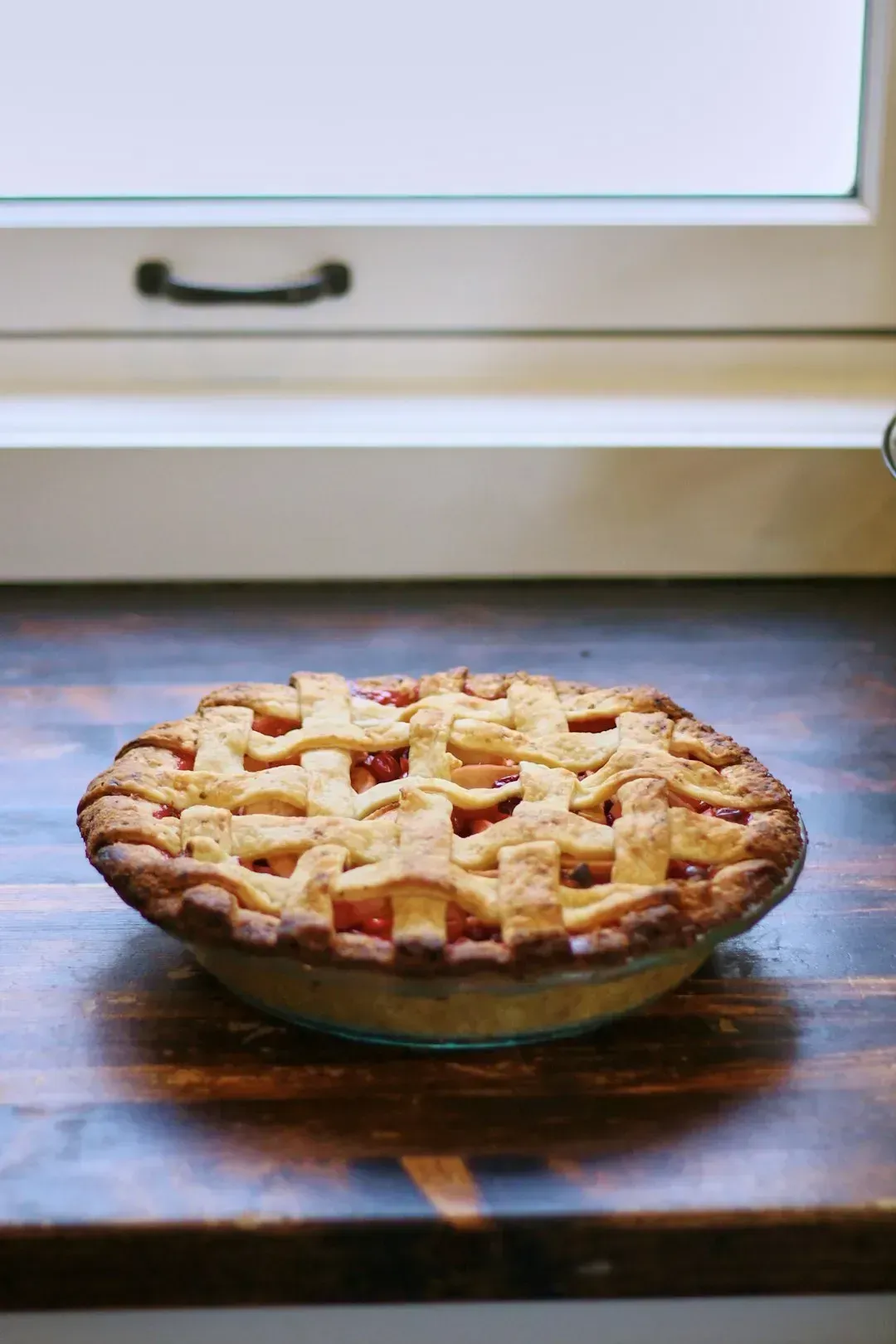
Older shortenings relied on partially hydrogenated oils, which contain artificial trans fats. In 2015 the US Food and Drug Administration determined these oils were no longer generally recognized as safe, and manufacturers had to move away from them in the following years. Today’s mainstream shortenings are formulated without them, typically using palm and soybean oils.
That change helped shortening’s reputation, though it’s still a processed fat. Lard and butter are both animal fats high in saturated fat, so none of the three is a health food. A pie is a treat, and the crust fat is usually a small part of the overall serving.
Why Many Bakers Blend Fats
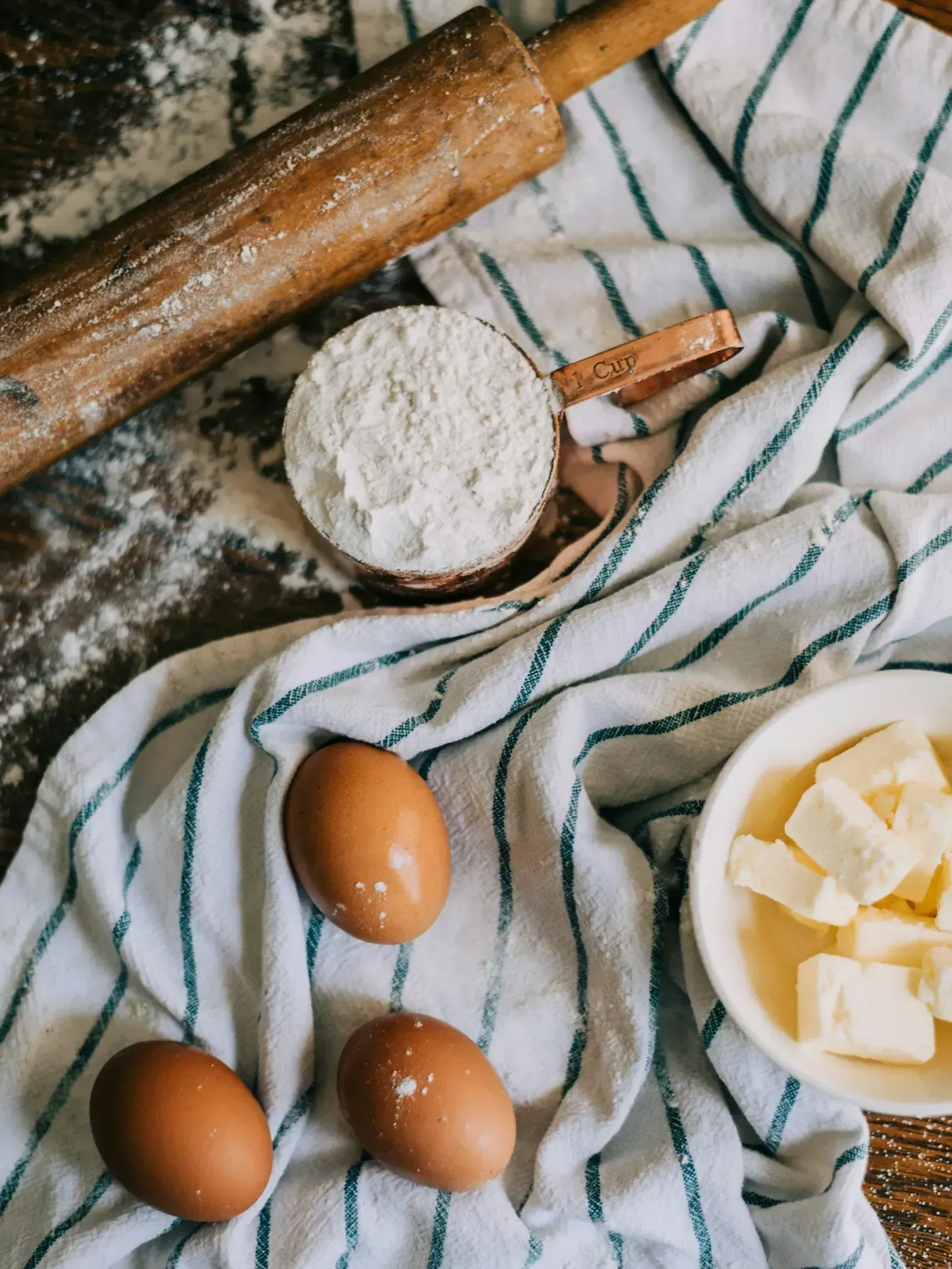
A lot of experienced bakers refuse to pick a side. A common approach is butter plus either lard or shortening, aiming for butter’s flavor with the tenderness and workability of the other fat. The split varies by recipe, and half and half is a typical starting point.
Blending also eases the practical problems. The added fat makes the dough less likely to turn greasy as you handle it, while the butter still gives color and taste. It’s a useful compromise for holiday baking, when you’re rolling several crusts in one afternoon.
Technique Matters as Much as the Fat
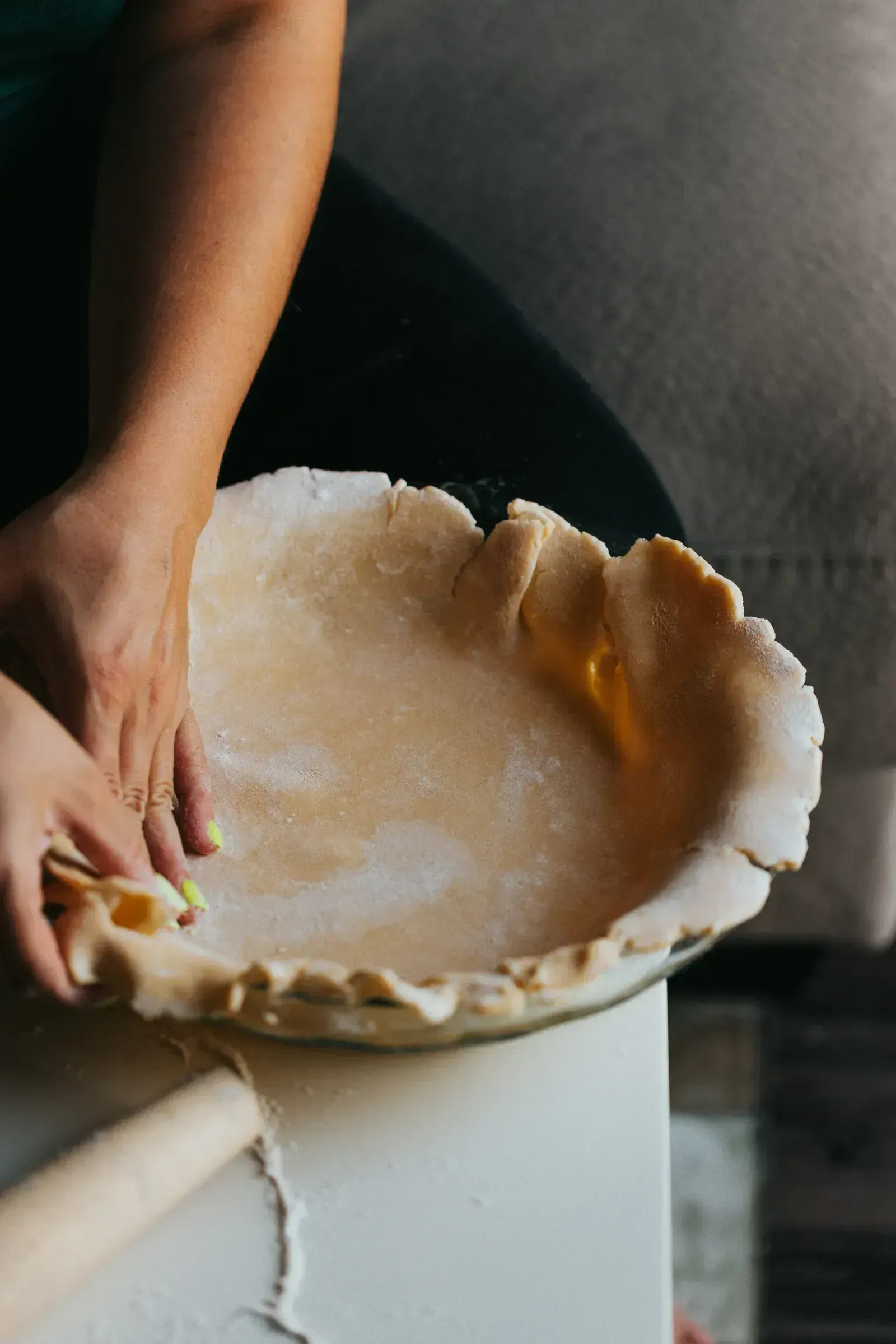
Even the best fat won’t rescue warm, overworked dough. Chill the fat, keep the water ice cold, and stop mixing while visible pieces of fat remain. Resting the dough in the fridge before rolling lets the flour hydrate and the gluten relax, which reduces shrinking in the pan.
Some test kitchens, including America’s Test Kitchen, have popularized replacing part of the water with vodka. Since alcohol doesn’t develop gluten the way water does, the dough rolls easily and bakes tender, while the alcohol evaporates in the oven. It’s a handy trick, though not a requirement.
Matching the Fat to the Pie
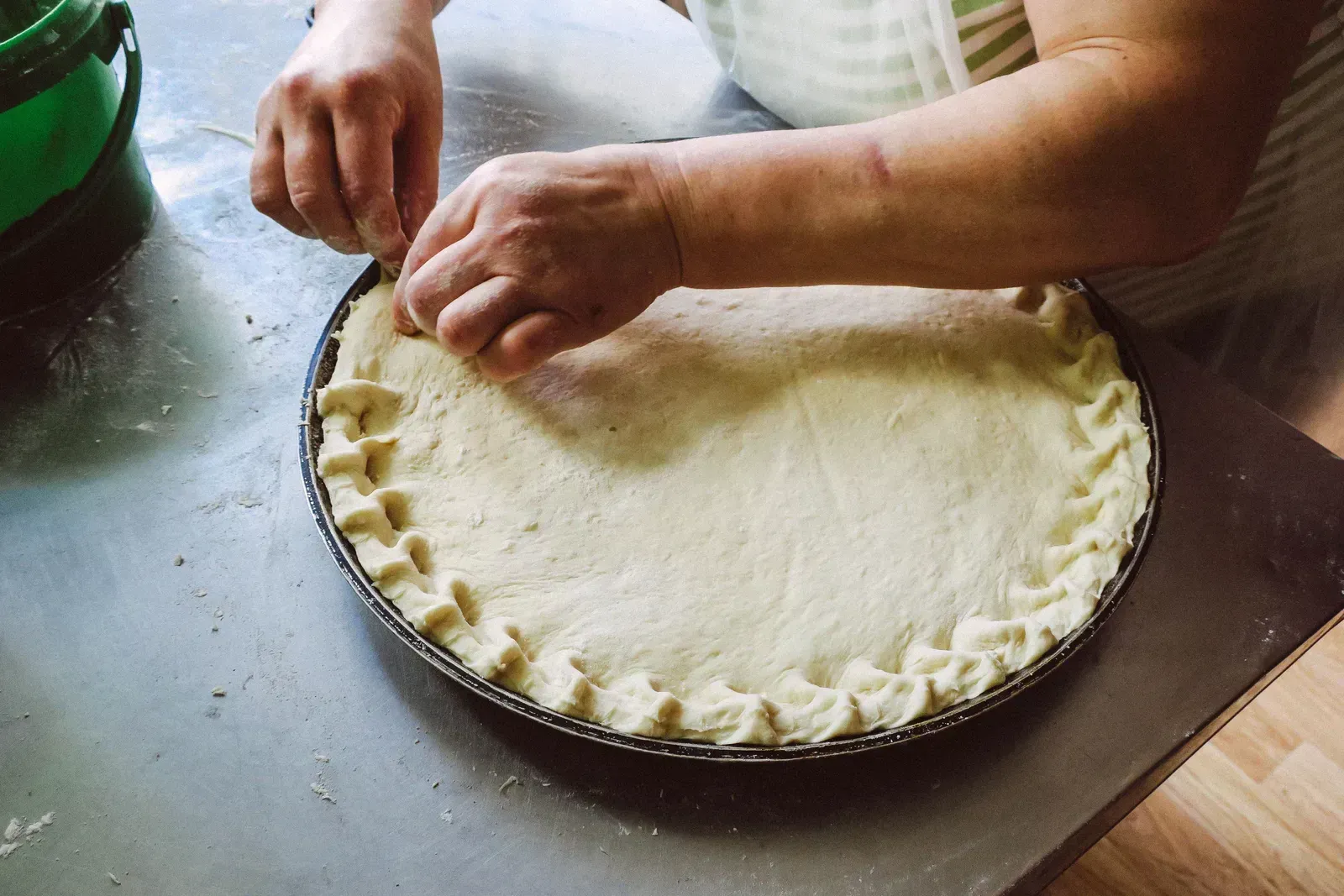
Fruit pies often benefit from butter or a butter blend, since the crust flavor stands up well to sweet, tart fillings. Savory pies such as chicken pot pie or meat pies are a natural home for lard, whose richness suits the filling. Shortening works well when you want a sturdy, tender shell for a lattice or a heavily decorated top.
Custard and pumpkin pies call for a crust that doesn’t turn soggy, so blind baking matters more than fat choice. Whichever fat you use, an extra step such as pre baking the shell will protect it from a wet filling. Choose the fat by what you value most, whether that’s flavor, flakiness or ease of handling, and keep the dough cold.





Leave a Reply