
There’s something oddly comforting about the smell of vinegar and the sight of a clothesline full of sheets snapping in the wind. Cleaning in the 1960s wasn’t about fancy gadgets or fifteen-step routines pulled from a phone app. It was practical, resourceful, and often built around whatever was already sitting in the pantry.
Looking back at those habits now, a lot of them hold up surprisingly well. Some have quietly resurfaced as “new” eco-friendly trends, even though they never really disappeared from grandma’s kitchen. Here are nine cleaning habits that defined that era, and a look at how many still make sense today.
1. Vinegar as an all-purpose cleaner
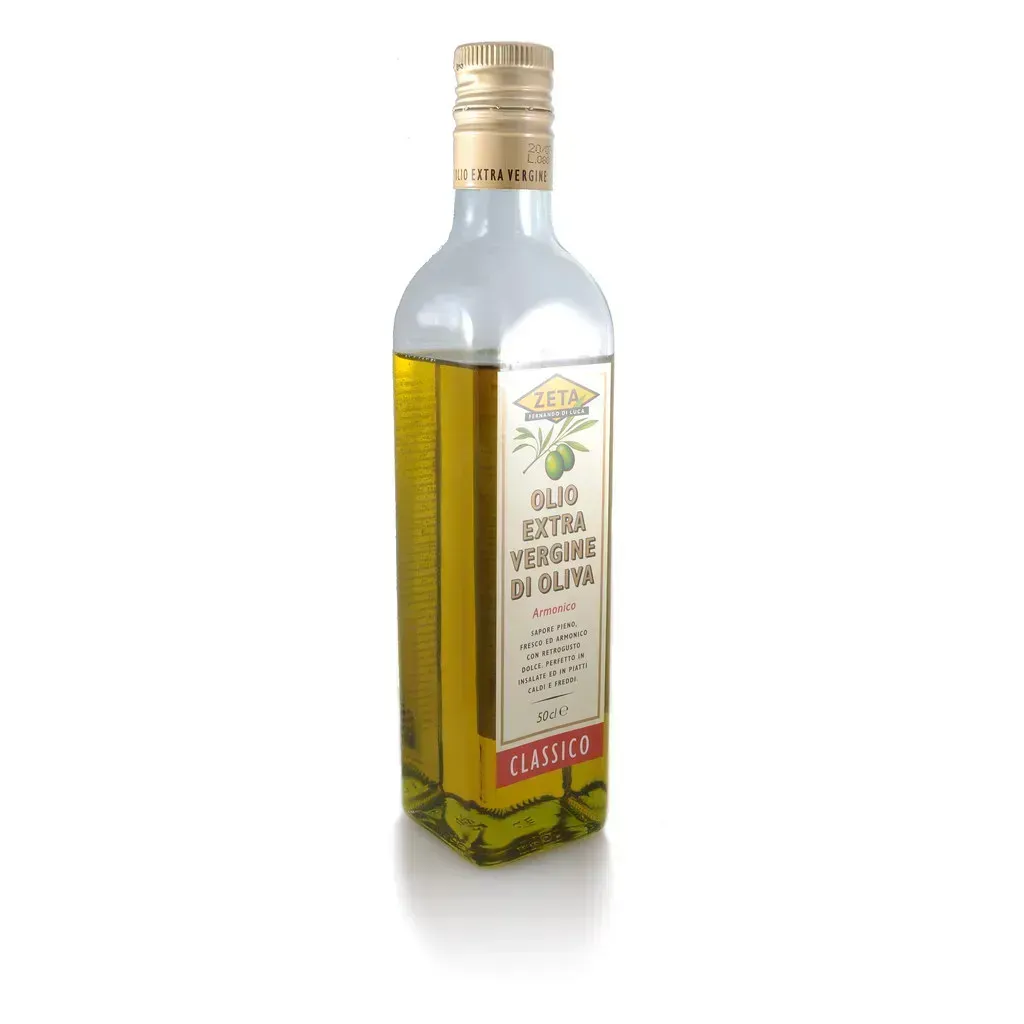
Long before “natural cleaning” became a marketing category, vinegar was already doing the heavy lifting in most households. It cut through grease on stovetops, cleared soap scum from bathroom tiles, and left windows streak free without leaving a chemical smell behind. It was cheap, it was already in the cupboard, and it worked on more surfaces than most people realize.
The habit hasn’t gone anywhere either. Diluted white vinegar is still recommended by cleaning experts for descaling coffee makers and kettles, and its acidity makes it genuinely effective against mineral buildup and light grime. The main thing that’s changed is packaging, since now it shows up in spray bottles labeled “eco-friendly” instead of sitting next to the salad dressing.
2. Baking soda for scrubbing and deodorizing
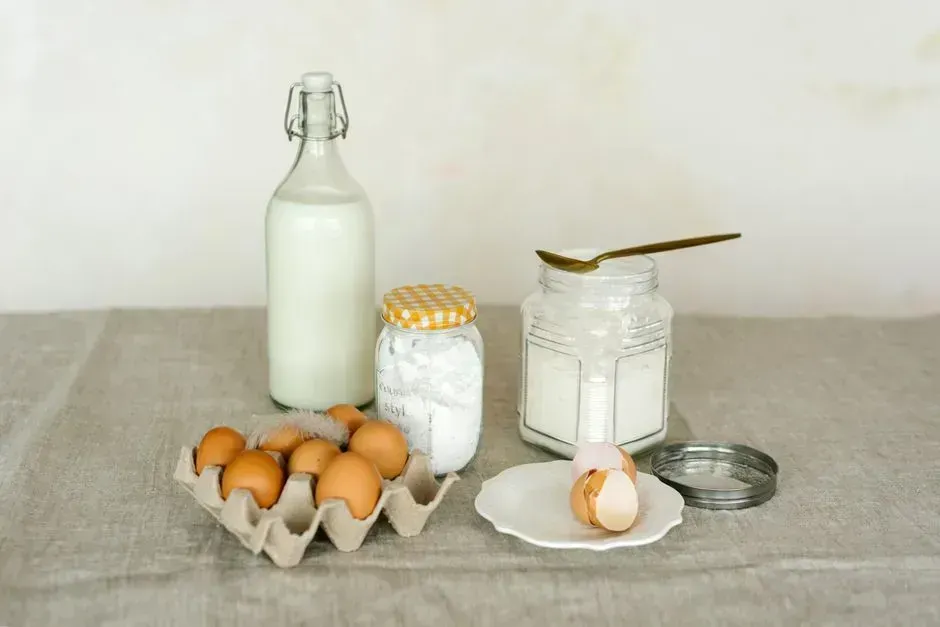
Baking soda was the quiet workhorse of a 1960s cleaning cabinet. It scoured sinks and tubs without scratching porcelain, absorbed odors in the refrigerator, and doubled as a gentle carpet freshener when sprinkled and vacuumed up later. Its mild abrasiveness made it useful in places where harsher powders might cause damage.
That reputation is well earned. The mild alkaline nature of baking soda makes it effective for lifting grease and neutralizing acidic odors, which is exactly why it still shows up in modern “natural” cleaning kits sold today. It’s one of those habits that never really needed reinventing.
3. Airing out rooms every morning
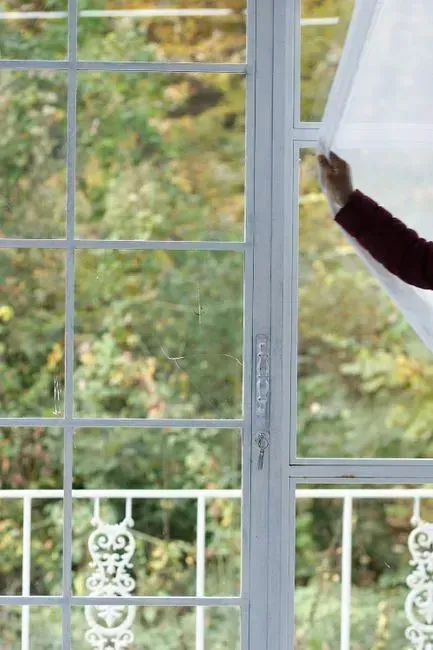
Opening windows first thing in the morning was practically automatic in many homes during that decade. It wasn’t just about fresh air for its own sake, it was a way to clear out cooking smells, dust, and the stale air that built up overnight. Even in colder months, a quick five or ten minute airing was considered part of a properly kept home.
Modern indoor air quality research actually backs this instinct. Ventilation helps reduce the concentration of indoor pollutants and moisture that can otherwise build up in enclosed spaces, according to guidance from the U.S. Environmental Protection Agency. So this one wasn’t just a nostalgic habit, it was practical hygiene that science has since confirmed.
4. Beating rugs and carpets outdoors

Before household vacuum cleaners became powerful and affordable, rugs were often dragged outside, hung over a line or railing, and beaten with a wooden paddle or broom handle. It was physical work, but it pulled dust and debris out of fibers in a way that early vacuums sometimes struggled to match. Neighbors doing this on the same weekend morning wasn’t unusual either.
While most people now rely on vacuums with HEPA filtration, the underlying logic hasn’t disappeared entirely. Deep cleaning experts still recommend periodically taking smaller rugs outside for a thorough shake or beat, especially for households dealing with allergies, since it removes trapped particles that regular vacuuming can miss.
5. Washing windows with newspaper

Instead of paper towels, many households reached for old newspaper to wipe down glass after washing it with a vinegar-water mix. The slightly rough texture of newsprint combined with the ink absorbed moisture without leaving lint or streaks behind. It was also a practical way to reuse something that would otherwise be thrown out.
This trick still gets recommended by cleaning professionals today, particularly for achieving a streak-free shine on mirrors and glass. The main caveat now is that modern newspapers sometimes use different inks, so some people substitute plain unprinted paper or microfiber cloths to avoid any transfer onto lighter colored frames.
6. Line-drying laundry instead of using a dryer
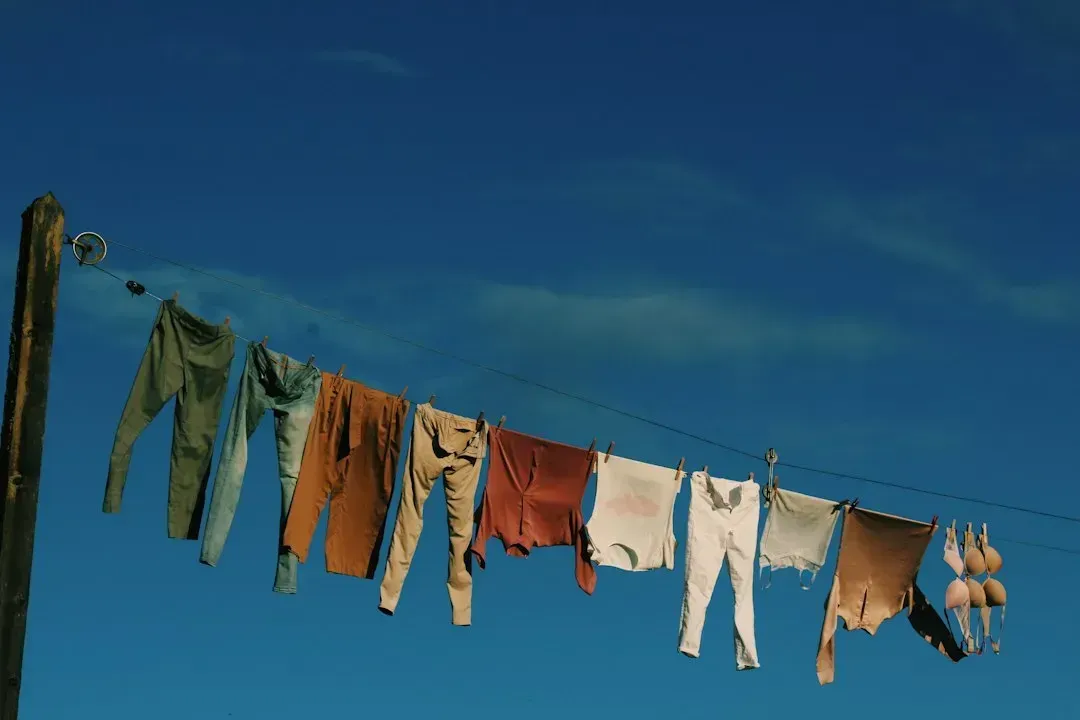
Clothes dryers existed in the 1960s, but they weren’t in every home, and even when they were, line-drying remained common practice. Hanging laundry outside gave fabrics a naturally fresh smell and helped clothes last longer since there was no heat exposure wearing down fibers. It also cost nothing beyond a bit of time and a sturdy clothesline.
Interest in line-drying has picked back up in recent years, partly driven by energy costs and partly by a renewed interest in reducing household energy use. Clothes dryers remain among the more energy-intensive household appliances, which is why some energy efficiency programs actively encourage air-drying when weather allows.
7. Deep cleaning on a strict weekly schedule
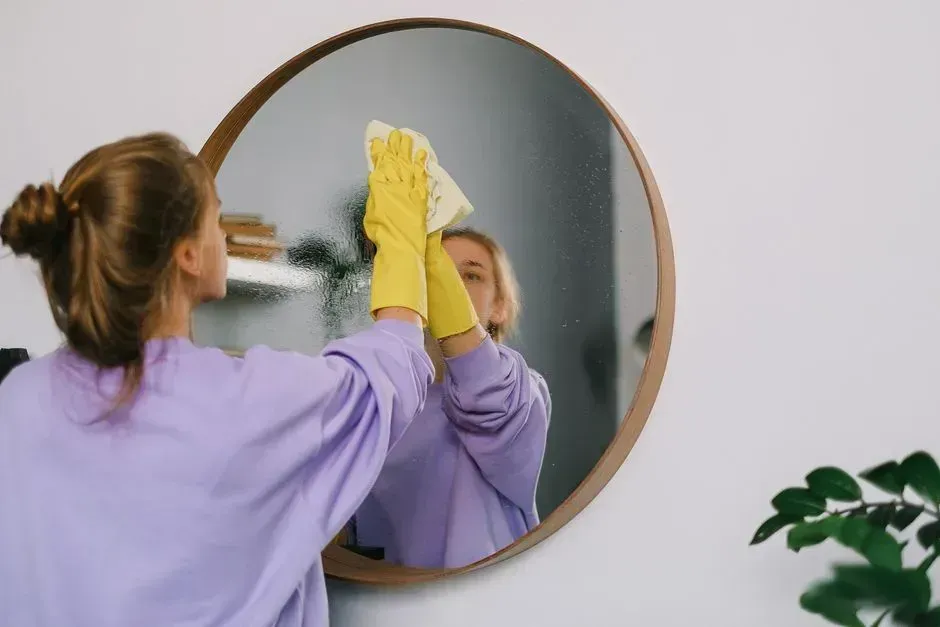
Many households in that era ran on an almost ritualistic cleaning calendar, with specific days assigned to laundry, floors, dusting, and bathrooms. Monday might be wash day, while Friday was reserved for a full floor scrub before the weekend. This structure kept the workload from piling up and made the whole house easier to maintain consistently.
Professional organizers today still recommend a version of this approach, sometimes called a cleaning zone system, where different tasks are assigned to different days rather than tackling everything at once. It reduces the mental load of deciding what to clean and prevents the exhausting all-day cleaning marathons that can happen when tasks are left to pile up.
8. Polishing wood furniture with homemade mixtures
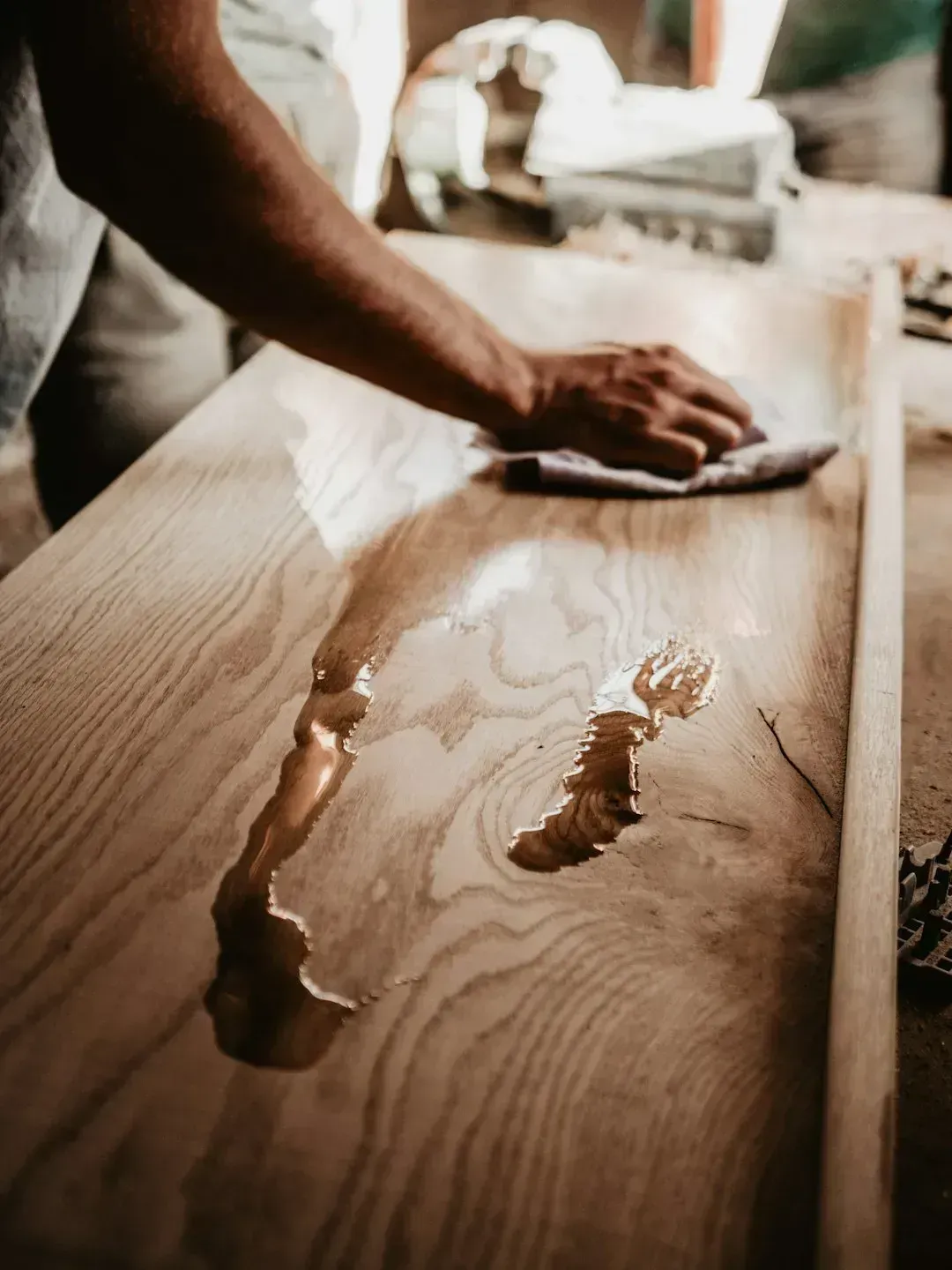
Store-bought furniture polish wasn’t always the go-to, especially in households that preferred mixing their own from olive oil, lemon juice, or a bit of beeswax. These homemade blends conditioned wood surfaces, hid minor scratches, and left a natural shine without the heavy chemical scent that some commercial products carried. It was as much about preserving furniture for the long term as it was about appearance.
Woodworking and furniture care specialists still point to oil-based treatments as effective for maintaining unfinished or lightly finished wood, since they nourish the material rather than just coating it. Commercial furniture polish today often relies on similar base ingredients, just packaged with added fragrance and preservatives.
9. Hand-washing dishes immediately after meals
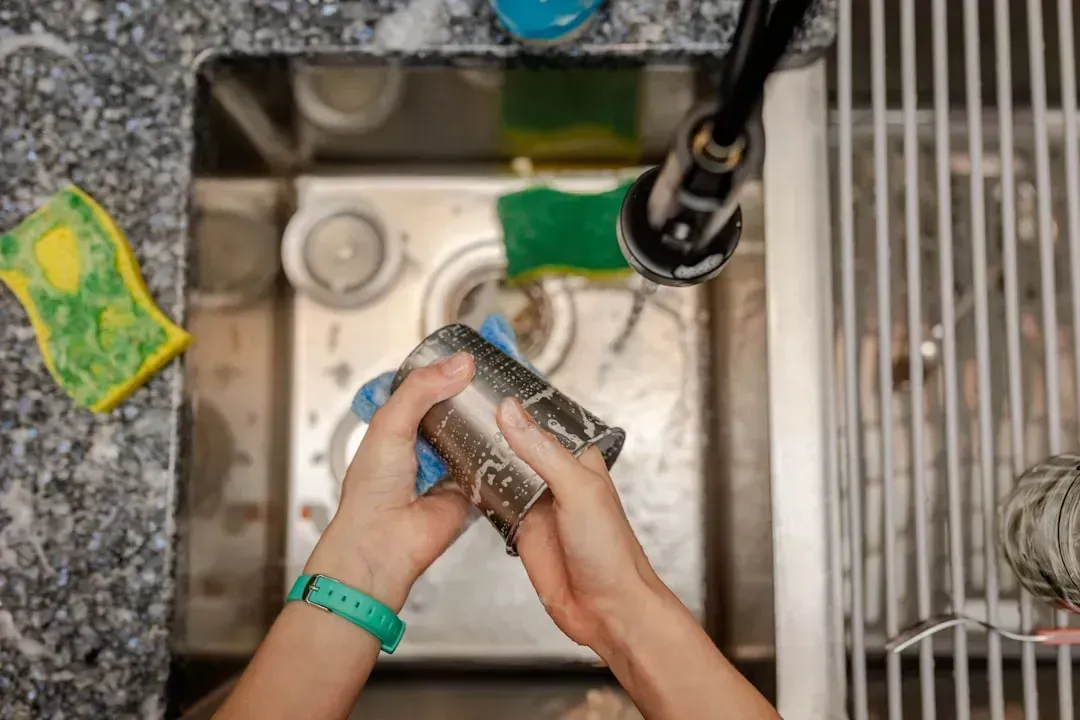
Dishwashers were around in the 1960s but far from universal, so washing dishes by hand right after eating was standard in most households. This habit kept kitchens tidy, prevented food from hardening onto plates, and made cleanup faster overall since nothing sat around getting worse. It also meant the kitchen was always ready for the next meal without a backlog of dirty dishes.
Even with dishwashers now common in most homes, plenty of people still hand-wash pots, pans, and delicate items immediately rather than letting them sit. Kitchen hygiene guidance generally supports prompt cleanup, since food residue left too long can attract pests and make stains and buildup harder to remove later.
Habits worth holding onto
Looking at these nine habits together, it’s clear that a lot of what seemed old-fashioned was really just practical problem-solving with limited resources. Vinegar, baking soda, sunlight, and a bit of elbow grease handled most household messes long before specialized cleaning products lined every store aisle. Many of these methods have simply been rebranded rather than replaced.
Recognizing three, five, or even all nine of these habits says something about how cleaning knowledge gets passed down through generations, often without anyone realizing it’s happening. Whether it’s a childhood memory of a clothesline or a bottle of vinegar under the sink, these small routines have proven more durable than most modern trends.




Leave a Reply