
Two people can look at the same flight and make opposite choices. One pays $300 without a second thought, and the other hands over 25,000 miles for the identical seat. Both may be right, because the decision rests on a bit of arithmetic and a few habits that experienced travelers tend to share.
In 2026 that arithmetic has moved. Several loyalty programs have changed how they price awards, and published valuations have shifted. Here is how frequent flyers weigh the options today.
Start With Cents Per Point

The basic yardstick is cents per point. Subtract the taxes on the award ticket from the cash price, divide by the points used, then multiply by 100. A flight priced at $800 that costs 50,000 points plus $50 in taxes works out to 1.5 cents per point.
That number means little alone, so travelers compare it to a personal benchmark. Anything above your program’s average value is usually a good redemption. Below that line, the cash fare often makes more sense.
Know What Your Points Are Typically Worth

Benchmarks vary by source, which is worth remembering. NerdWallet’s October 2026 estimates put American AAdvantage at 1.7 cents, Alaska Atmos at 1.4, and both Delta SkyMiles and United MileagePlus at 1.2. Other trackers publish somewhat higher figures, so treat any single value as an estimate rather than a fixed price.
The gap between programs matters too. AAdvantage miles rose to 1.7 cents in 2026, up from 1.3 cents in 2025. Delta and United stayed flat at 1.2 cents in the same comparison, which suggests their miles stretch less far on average.
Check Whether the Program Uses Dynamic Pricing
Many large airlines now tie award prices to cash fares. That means award costs spike when fares spike, so holidays and summer peaks hit your points balance hardest. A mile can lose value on exactly the dates you most want to travel.
Economy tickets show the effect most clearly. Economy redemptions often land at 1.1 to 1.3 cents per point, because miles mirror the low cash fare. If a program is pricing your seat near cash, there’s little reason to spend points on it.
Look for Premium Cabins and Long Hauls
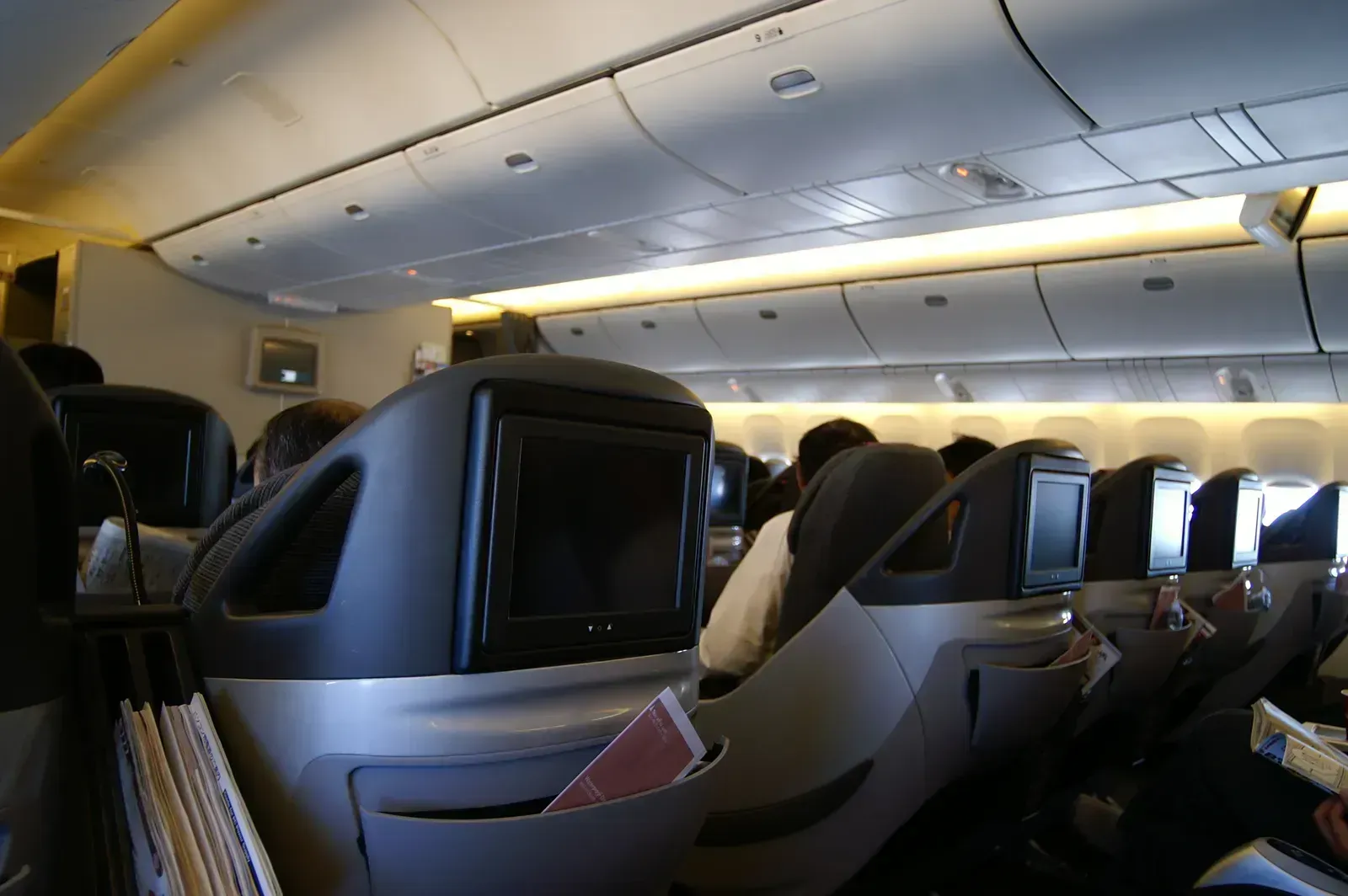
Frequent flyers tend to save their points for the expensive seats. Business and first class seats remain where outsized value hides, especially through partner programs that kept fixed charts. A cash fare of several thousand dollars can turn a modest points balance into a very large return.
The spread between good and bad redemptions is wide. Premium international flights often deliver 3 to 7 cents or more per point, while poor redemptions may be worth less than 1 cent. That range explains why many travelers pay cash for short domestic trips and use miles for long ones.
Compare Booking Through Partner Programs

The same seat can cost different amounts depending on which program you use. A United seat priced via Air Canada Aeroplan can cost half the miles of booking United directly. Checking partner sites before booking is a routine step for experienced travelers.
Partner awards can also lift a program’s average. Sweet spot redemptions on partner airlines with AAdvantage can deliver more than 6 cents per mile, although some fall below 1 cent. The lesson is to price the trip in several places before committing.
Remember That Flexible Points Behave Differently
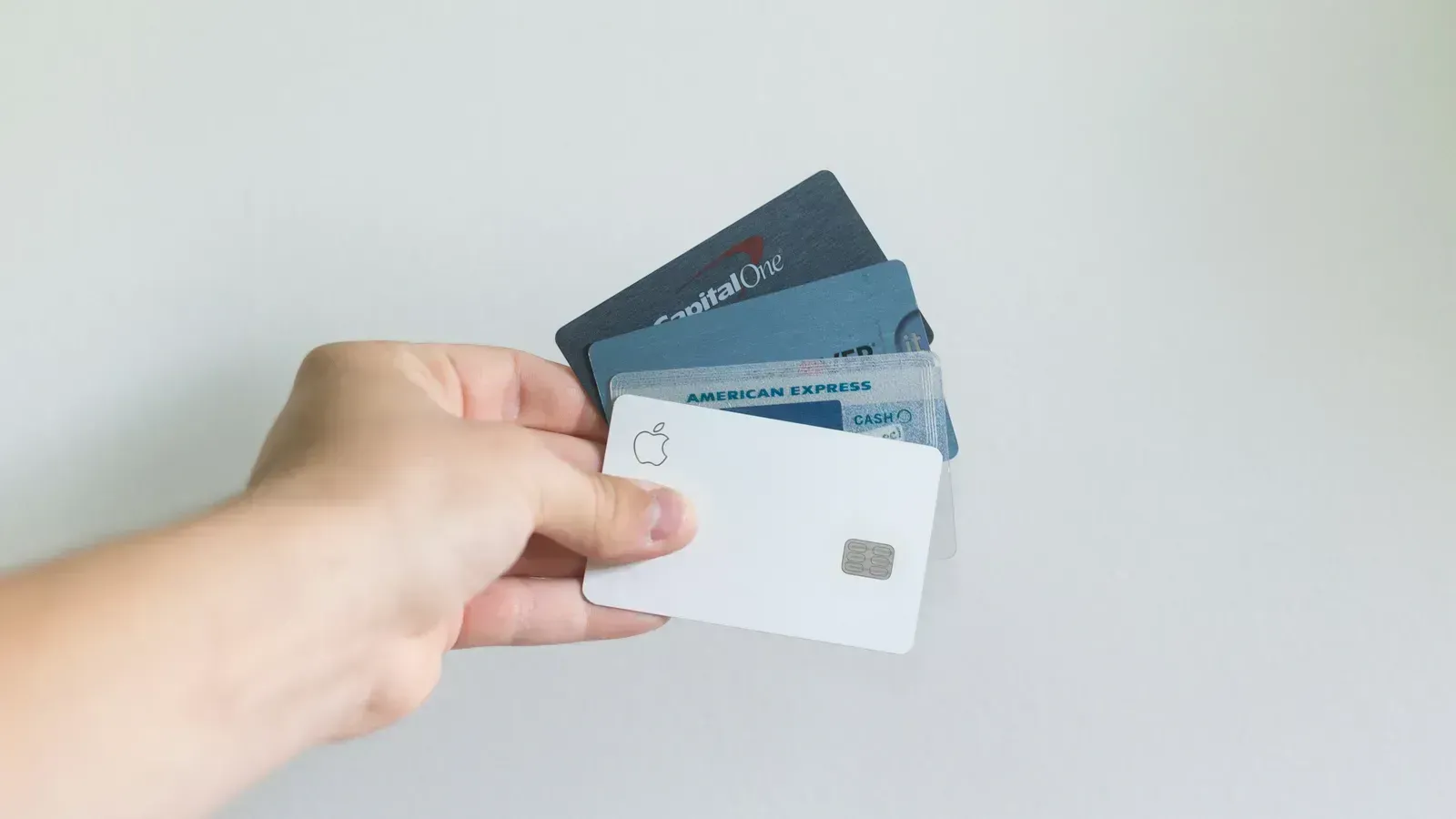
Bank points are not the same as airline miles. Flexible credit card points such as Amex Membership Rewards, Chase Ultimate Rewards, and Capital One Miles generally hold more value than airline specific miles. The reason is options, since they can move to several airline partners.
How you redeem them matters just as much. Flights booked through Amex Travel generally redeem at 1 cent per point. The Points Guy valued Membership Rewards at 2.0 cents per point as of August 2026, so transferring to a partner is where much of the upside comes from.
Factor in Taxes, Fees, and Surcharges

An award ticket is rarely free of cash costs. The formula above subtracts taxes and fees because they come out of your pocket either way. Some programs pass along heavy carrier surcharges on certain international routes, which can shrink the real value of a redemption.
Run the full numbers before booking. A flight that looks like a bargain in points can look ordinary once the cash portion is added. Experienced travelers also keep in mind that the points they spend could have bought something else later.
Consider the Cost of Getting the Points

Where your points came from changes the calculation. Miles earned through everyday card spending cost far less than miles bought outright. Airlines sell miles directly for about 3.76 cents each, so buying below that price and redeeming for premium cabins is where the value lives.
For most flyers, buying miles for a cheap domestic flight rarely pays off. AAdvantage miles run between 2.25 and 3.76 cents each when bought, dropping to about 2.25 cents only during a bulk promotion. That is well above the redemption values quoted for the same miles.
Use a Simple Rule Before You Book

Many travelers settle on a floor for their redemptions. One 2026 guide suggests that if you are getting under 1.2 cents per mile, paying cash and saving the points usually wins. The exact threshold depends on your program, but having a number keeps the choice consistent.
Beyond that, a few habits help. Price the trip in cash and in points, check a partner program, and calculate cents per point including taxes. Then compare the result against the typical value for your currency, whether that is near 1.2 cents for Delta and United or higher for programs like AAdvantage.





Leave a Reply