
Pet aisles are crowded with promises. Better digestion, calmer nerves, safer walks, less mess. Most of it is sold with good intentions, and plenty of it works fine.
Still, some well known products have left owners frustrated, out of pocket, or worried. Recall notices, regulator warnings and everyday owner experience show where the gaps tend to appear.
Raw Frozen Foods That Failed Safety Testing
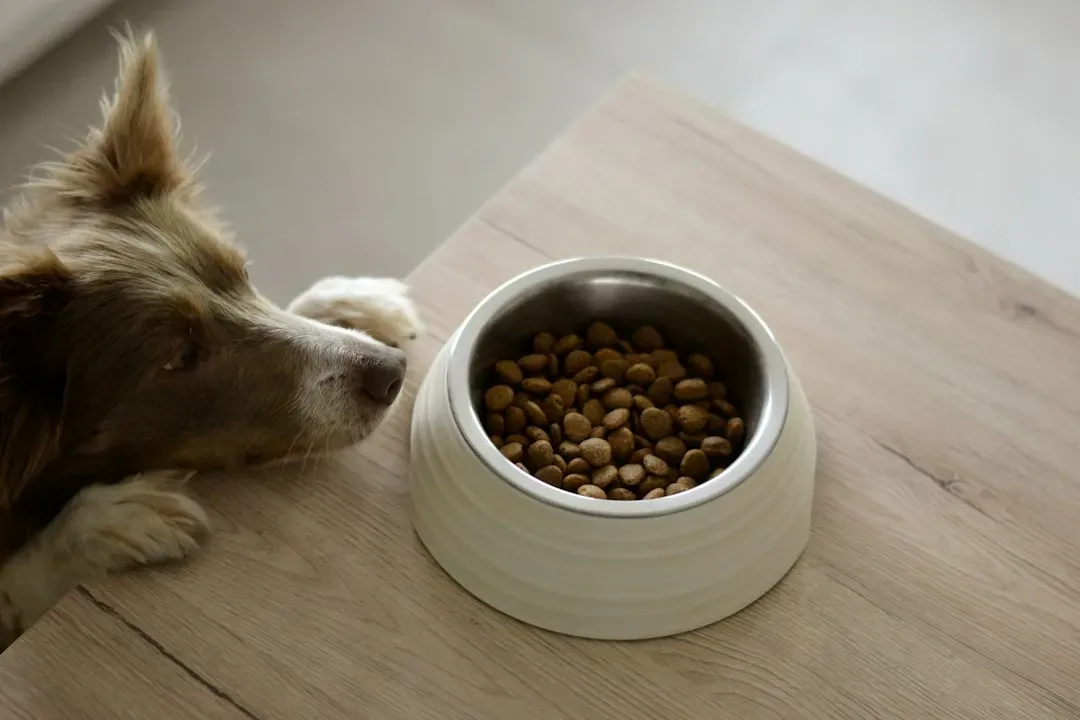
Raw diets are marketed as a closer match to what animals would eat in the wild. In 2025, though, several raw brands were pulled after contamination was found. Dog and cat food lots from Viva Raw were recalled nationwide over possible salmonella and listeria monocytogenes contamination.
The risk isn’t limited to pets. The company’s own notice said humans can be at risk from handling contaminated pet products, especially without thorough handwashing. For owners who chose raw food as the healthier option, that’s an uncomfortable surprise.
Freeze Dried Treats With Hidden Contamination
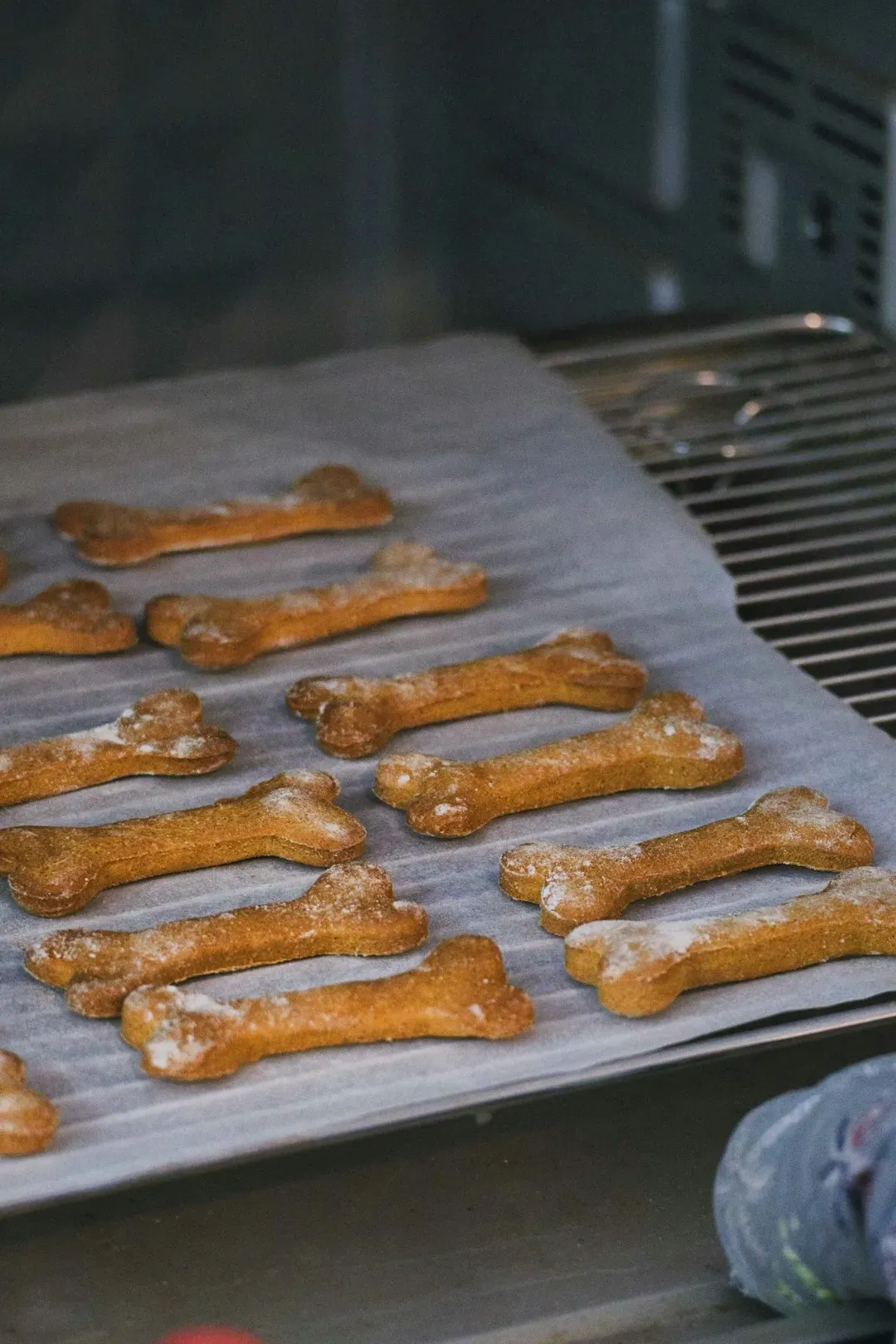
Freeze dried treats look clean and minimal, which is part of their appeal. Yet that processing doesn’t guarantee safety. In October 2025, Foodynamics recalled Raw Dog Barkery, BellePepper Cats and Kanu Pets freeze dried treats over potential Salmonella contamination.
A related recall covered more brands under the same company. Foodynamics voluntarily recalled specific lots across Raw Dog Barkery, BellePepper Cats, Kanu Pets and What’s In the Bowl. Owners paying premium prices for simple ingredients had reason to feel let down.
Bully Sticks and Chews That Tested Positive

Bully sticks are a favorite for owners who want a long lasting chew. In late 2025, one product line ran into trouble. Best Buy Bones recalled four lots of Nature’s Own Pet Chews Bully Bites after FDA testing found Salmonella.
The recall was small in scale. Only 34 bags were distributed in Minnesota and then sold in stores in Wisconsin. No illnesses in dogs had been reported as of the alert. The case still shows how a natural chew can arrive with a risk the label never mentions.
A Year of Frequent Pet Food Recalls
It’s easy to treat any single recall as a fluke. The broader count suggests otherwise. One review counted 17 pet food and animal feed recalls overseen by the FDA in 2025.
The causes varied widely. They included Salmonella, Listeria, aflatoxin, bird flu, plastics and particulate matter. A separate review found the most common reason for recall was contamination with Salmonella, listeria or E. coli.
Nutrient Imbalances in Everyday Kibble
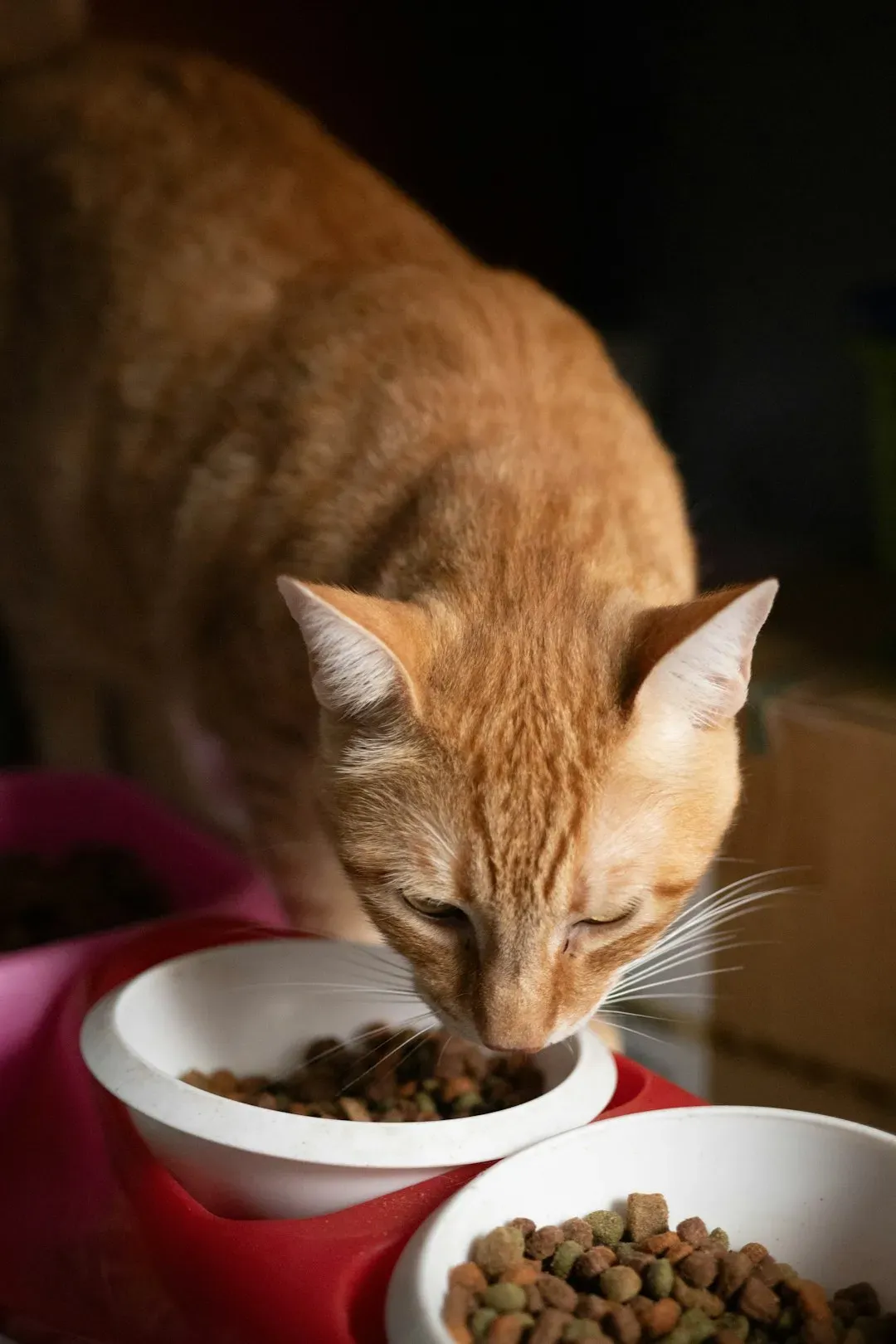
Not every disappointment involves bacteria. Some recalls trace back to formulas that simply weren’t balanced correctly. One industry roundup of 2025 and 2026 recalls flagged thiamine deficiency in cat food and vitamin D excess in dry dog food from at least two separate sources.
These problems can be hard to spot at home. Thiamine deficiency can cause neurological symptoms in cats, and it’s reversible if caught early. That’s a good reason to call a vet quickly if a cat’s behavior changes suddenly after a diet switch.
CBD and Calming Products Without Approval

Calming chews, hemp oils and joint supplements have become big sellers, often with confident claims on the label. Regulators have pushed back on some of them. The FDA issued warning letters to companies illegally marketing animal drugs without approval, including several CBD brands in April 2025.
The same list includes other firms from 2024 and 2025, covering products pitched for pet health issues. A warning letter doesn’t prove a product is dangerous. It does mean the health claims weren’t backed by the approval process that real veterinary drugs go through.
Retractable Leashes and Their Limits

Retractable leashes sell freedom, letting a dog roam while you stay put. In practice, many owners find the thin cord hard to control, and the plastic handle can slip. Veterinary and trainer groups have long cautioned that sudden stops can cause cord burns or neck strain, and the design can teach dogs to pull.
Many trainers suggest a fixed length leash of about six feet for everyday walks. It’s less exciting to look at. It gives you more predictable control near traffic and other dogs.
Automatic Litter Boxes That Cats Won’t Use
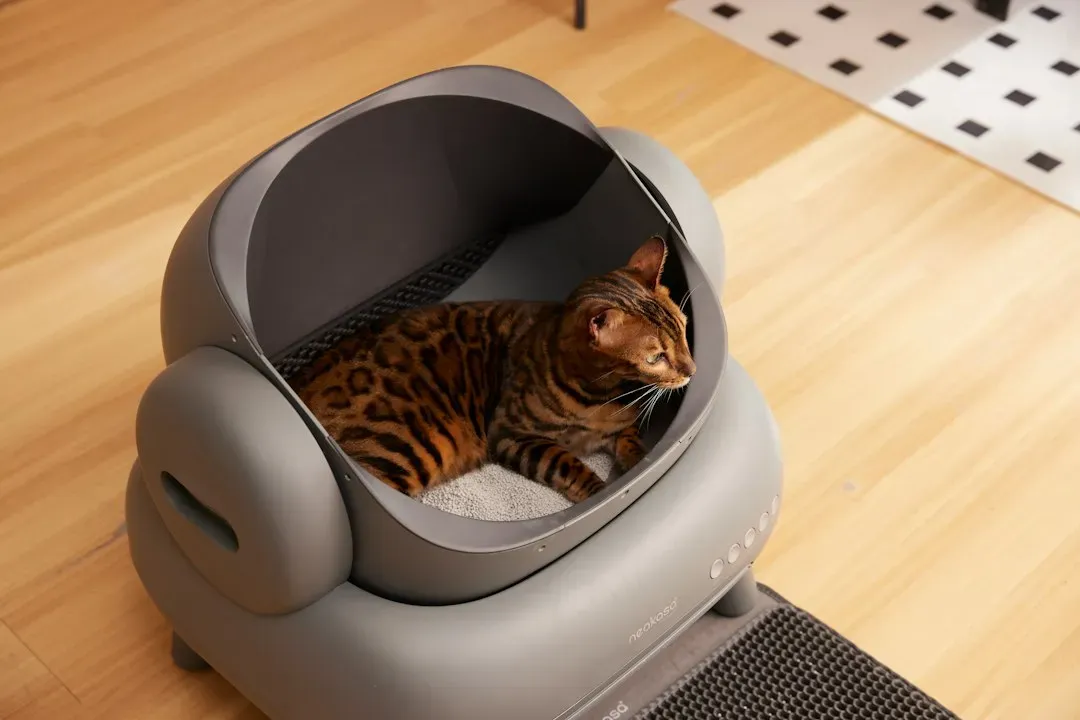
Self cleaning litter boxes promise to end scooping for good. Reviews from owners often describe a more mixed reality. Some cats are wary of the noise or motion, and sensors can misread a small cat’s weight.
Cleaning the machine itself can also take real effort, and replacement parts and liners add ongoing cost. It’s worth checking the return policy before buying. Cat behavior is hard to predict, and the most expensive model isn’t always the one your cat accepts.
Grain Free Diets and the Heart Disease Question
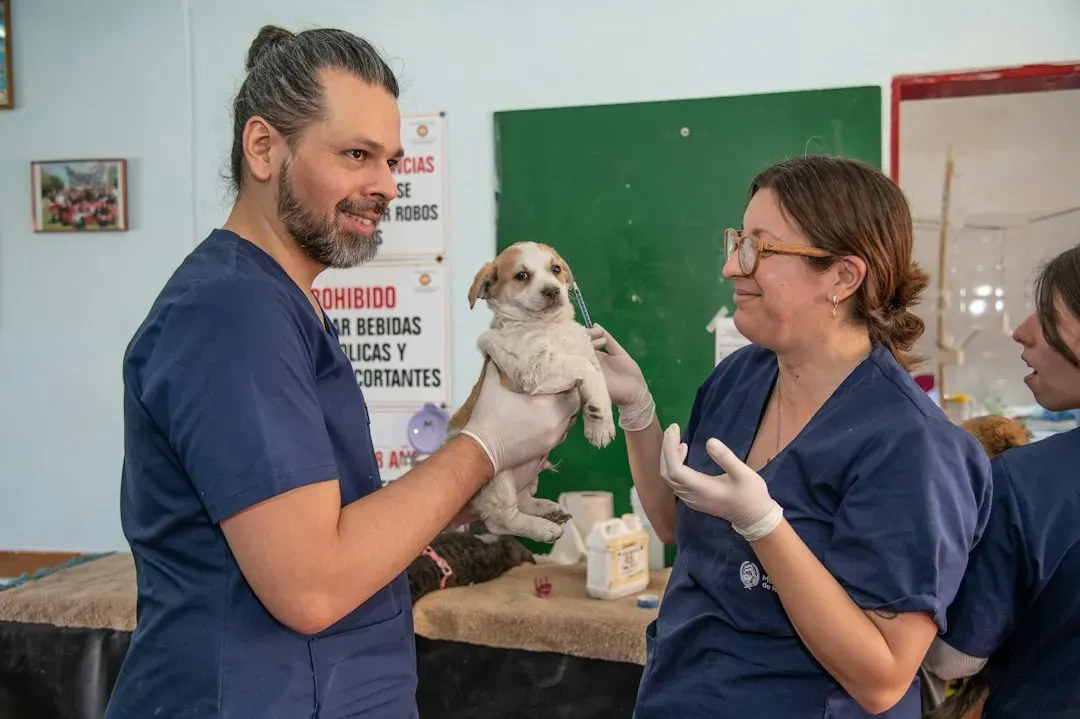
For several years grain free food was marketed as the healthier choice. Then the FDA began investigating reports of dilated cardiomyopathy in dogs eating certain diets, many of them grain free and heavy in peas, lentils or potatoes. The agency hasn’t proven a direct cause, and research has continued.
Many veterinarians now recommend foods that meet established nutrition standards rather than choosing by marketing terms. If your dog eats a grain free diet, a conversation with your vet is a reasonable step. Don’t switch abruptly without advice.

Leave a Reply