
1. Moving too far from family and friends

Distance has a way of feeling abstract until it becomes daily reality. A move that looked like a reasonable few hours on a map can turn into missed birthdays, skipped holidays, and a slow fade in relationships that once felt permanent. Many people report underestimating how much they relied on nearby family for childcare, emotional support, or just casual company.
The isolation often hits hardest in the first year, before new friendships have time to form. Remote work has made long-distance moves easier to justify logistically, but it hasn’t solved the social gap that opens up when someone leaves their support network behind. People frequently describe wishing they had tested a shorter separation first, like a few months of frequent travel, before committing to something permanent.
2. Choosing a bigger house without factoring in upkeep

A larger home often looks like an upgrade until the bills and maintenance schedule arrive. Extra square footage means more to heat, cool, clean, and repair, and those costs rarely get mentioned during the excitement of house hunting. Homeowners frequently admit they focused on the number of bedrooms without pricing out property taxes, insurance, or the realistic cost of maintaining a bigger yard.
Space also has a way of filling itself. Rooms that seemed like a luxury during the walkthrough often become storage for things nobody needed in the first place. Downsizing later, once the reality sets in, tends to come with its own hassle and expense, which is part of why so many people describe wishing they had chosen more modestly from the start.
3. Relocating for a job that didn’t pan out
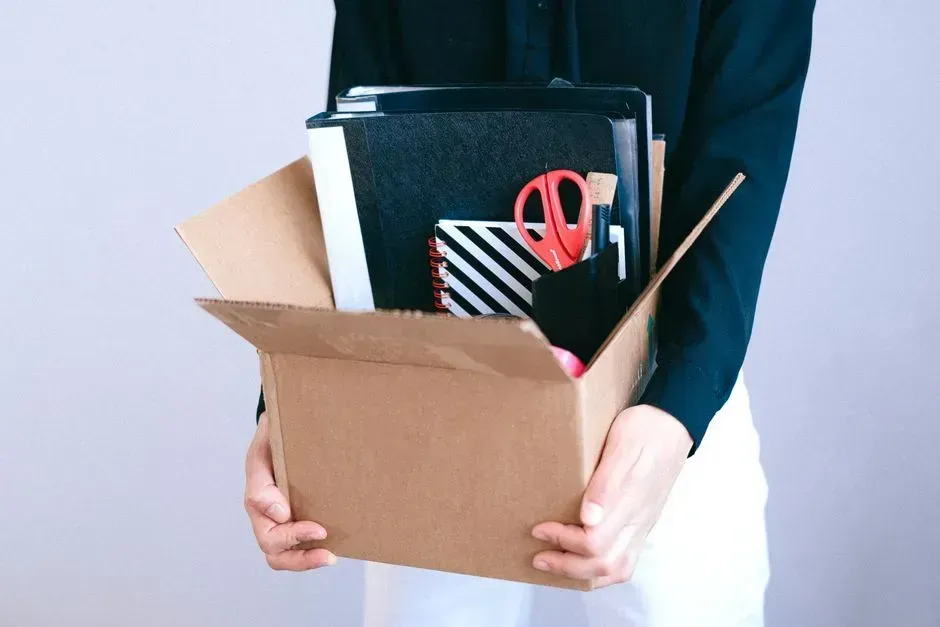
Career-driven moves carry a specific kind of risk because they depend on something outside the mover’s control. A promotion, a new position, or a company relocation can fall apart through layoffs, restructuring, or a role that simply isn’t what it was described to be. When that happens, the person is often left in an unfamiliar city with none of the professional payoff that justified the move.
Layoffs and corporate restructuring have remained common enough in recent years that job-related relocation carries more uncertainty than it used to. People who moved for a single employer sometimes find themselves stuck, either because selling a newly purchased home isn’t financially feasible or because their new local job market is thinner than expected. The regret in these cases usually centers less on the move itself and more on how little backup planning went into it.
4. Underestimating the cost of living in a new city

Cost of living calculators give a rough estimate, but they rarely capture the full picture of daily expenses in a new place. Grocery prices, insurance rates, state and local taxes, and everyday services can all shift more than people expect, especially when moving between regions with very different economic conditions. What looked like a comparable or even cheaper city on paper sometimes turns out to eat into savings much faster than anticipated.
This gap between expectation and reality tends to show up within the first few months, right as moving costs are still being paid off. People who moved to popular metro areas in recent years have often cited housing costs specifically as the expense that blindsided them most. The result is a familiar complaint: the move made sense financially in theory, but not in the checking account.
5. Buying property sight unseen or after a rushed visit

A hot housing market pushes people to make fast decisions, sometimes based on photos, a single walkthrough, or a virtual tour. What gets missed in that rush is often the character of a neighborhood, the noise level at different times of day, or structural issues that only become obvious with time. Buyers who skipped a second visit or a thorough inspection frequently describe discovering problems only after they’ve already signed.
Neighborhood mismatch is another common thread. A quiet street during a weekday showing can turn out to be busy on weekends, or a home that looked private on a map can end up next to more foot traffic than expected. The general lesson people take away is straightforward: a rushed purchase decision tends to surface its downsides slowly, and by then there’s no easy way to undo it.
6. Moving to a completely different climate

Swapping a familiar climate for something drastically different sounds appealing during a stressful winter or an unbearable summer, but the adjustment period is often longer and harder than expected. People who moved somewhere consistently warmer sometimes describe missing seasonal variety more than they anticipated, while those who moved somewhere colder often struggle with shorter daylight hours and unfamiliar weather-related costs like heating or snow removal equipment.
Climate also affects daily routines in ways that aren’t obvious until they’re lived through. Outdoor hobbies, commuting patterns, and even social habits shift based on weather, and not everyone adapts as smoothly as they expected. The regret here is rarely about the climate itself being bad, but about underestimating how much personal identity was tied to the previous one.
7. Moving in with a partner too quickly after relocating

Combining a major move with a major relationship step doubles the pressure on both. People who relocated specifically to live with a partner, especially early in a relationship, sometimes describe feeling trapped if things didn’t work out, since they had already given up their previous home, job, or social circle to make the move. The stakes of the relationship become tangled with the stakes of the relocation itself.
Even in relationships that survive the transition, the compressed timeline can create strain that wouldn’t have existed otherwise. Adjusting to cohabitation is difficult enough without also adjusting to a new city, new job, and a smaller support network at the same time. Many who went through this describe wishing they had kept the two decisions separate, giving each one room to be evaluated on its own terms.

Leave a Reply