
One week your puppy is coming when called, sleeping through the night, and settling on the mat like a tiny professional. The next, the same dog is staring at you across the yard as if you’d never met. Many owners hit this point and assume they’ve done something wrong.
Usually they haven’t. is a normal developmental stage, and it tends to show up in a fairly recognizable set of changes. Knowing what to look for makes the whole stretch easier to handle.
The Timing Usually Starts Around Six Months
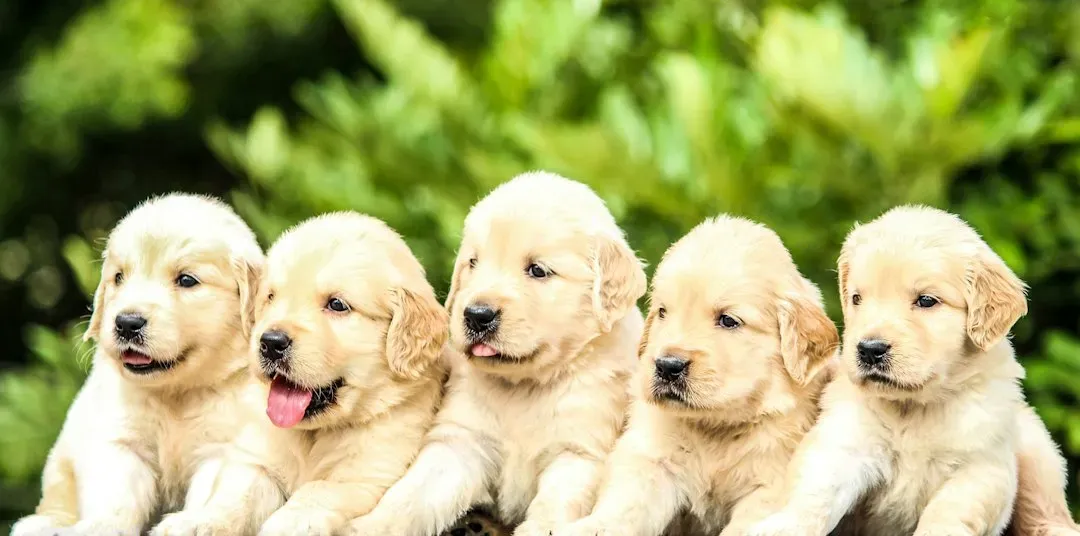
Most puppies begin showing adolescent behavior somewhere around five to six months of age. The stage commonly runs until roughly eighteen months to two years, though the exact window varies. Small breeds often mature physically sooner than giant breeds.
Because of that, there’s no single birthday when the switch flips. Some dogs drift into it slowly, while others seem to change almost overnight. Treat age as a rough guide rather than a deadline.
Selective Hearing Appears
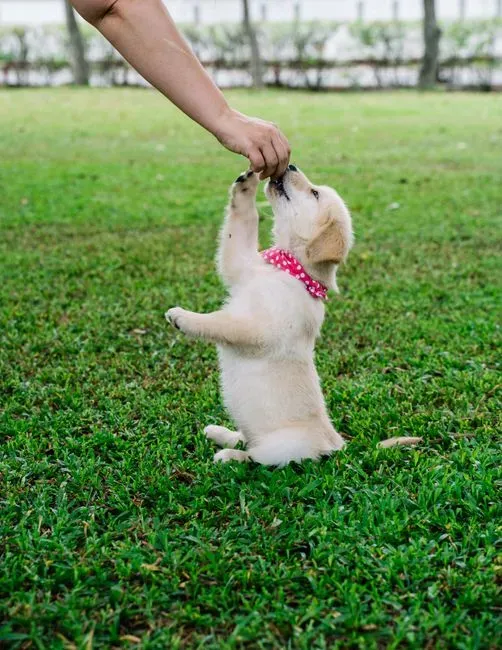
A puppy who used to respond to “sit” or “come” may suddenly act as though the words are optional. This isn’t stubbornness in the human sense. The adolescent brain is still developing, and distractions simply carry more weight than they did a few weeks ago.
Cues your dog knew well may need to be practiced again in easy settings. Shorter sessions, better treats, and plenty of patience usually work better than raising your voice. Consistency matters more than intensity here.
Boundary Testing Becomes Routine
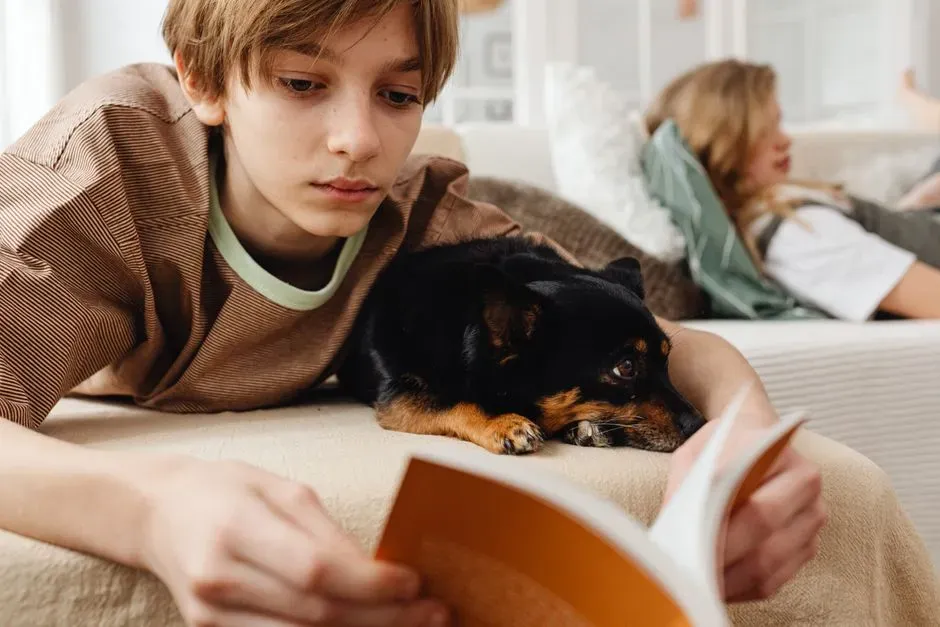
Adolescent dogs often test rules they previously followed without fuss. They might jump on the couch the moment you leave the room, or grab socks they once ignored. It can feel personal, though it’s mostly curiosity and growing independence.
Calm, predictable responses help the most. If the rules stay the same from day to day, your dog learns faster which choices pay off. Mixed messages tend to stretch this phase out.
Energy Levels Surge
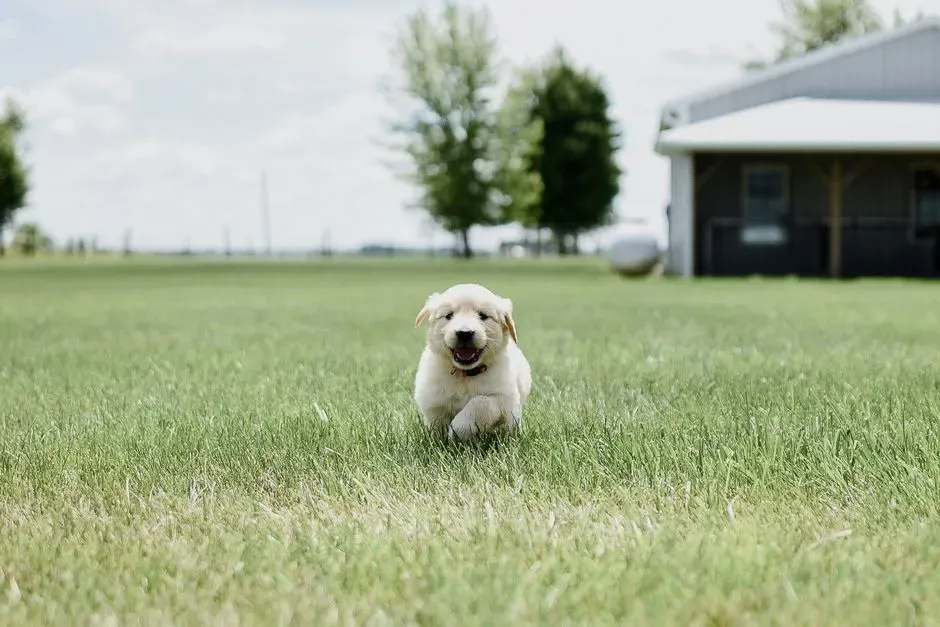
As muscles and coordination develop, many puppies suddenly have far more energy than you remember. Zoomies get longer, play gets rougher, and a walk that used to tire them out may barely register. Some owners notice the restlessness peaks in the evening.
Mental exercise counts as much as physical exercise. Puzzle feeders, sniff walks, and short training games can wear a dog out in ways that running alone doesn’t. Just keep high-impact activity moderate for large breeds, since their growth plates are still closing.
Chewing Gets a Second Wave
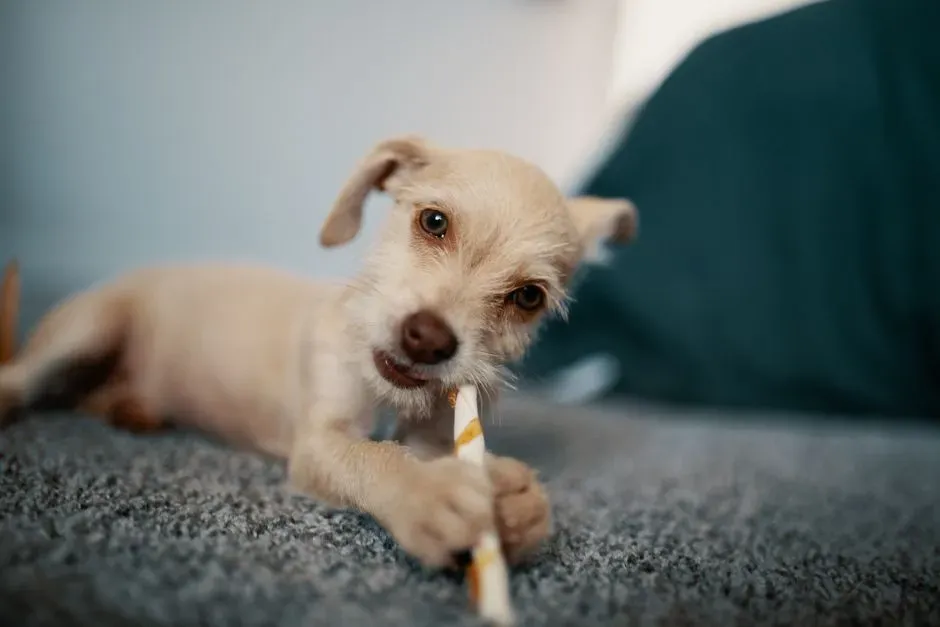
Teething ends at around six to seven months, when adult teeth have fully come in. Even so, many dogs keep chewing, and some chew harder. At this point it’s often about boredom, stress relief, or plain habit.
Offer durable chew items that suit your dog’s size, and rotate them so they stay interesting. Keep shoes and remote controls out of reach during this window. Management is a perfectly reasonable strategy while the phase passes.
Hormonal Changes Show Up
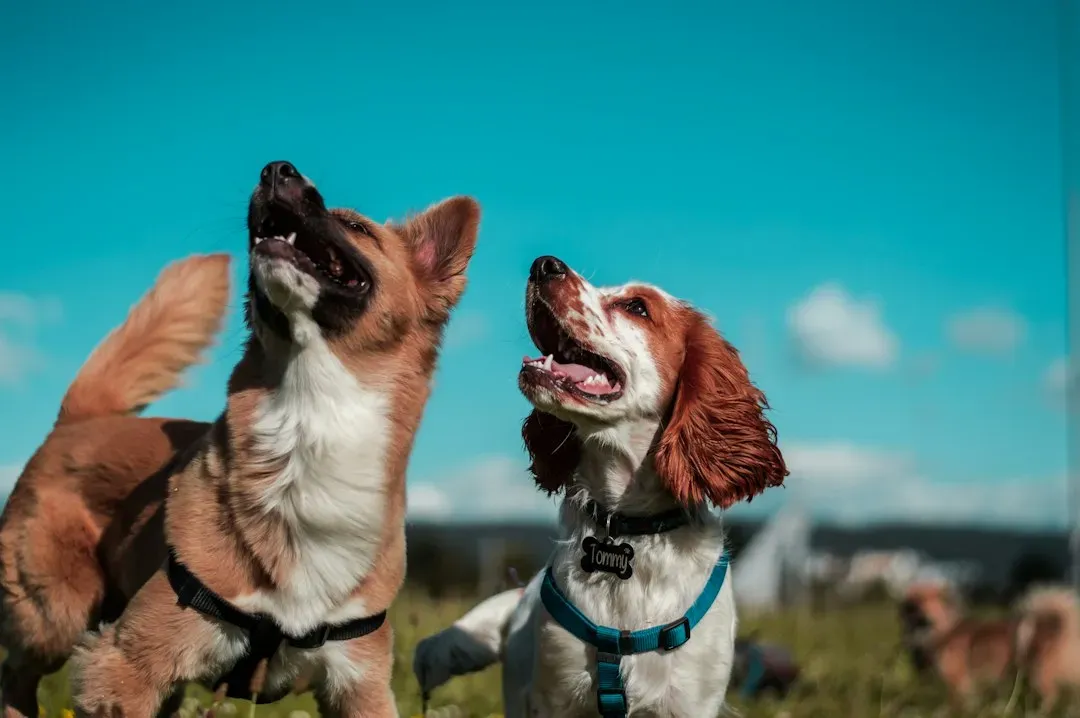
Sexual maturity arrives during , and it can bring noticeable changes. Males may begin lifting a leg, mounting, or showing more interest in scents. Females can have their first heat cycle, often between six and twelve months, though it can come later in larger breeds.
Your veterinarian can talk through spay and neuter timing, which differs by breed and size. Professional guidance is worth seeking because recommendations have shifted in recent years, especially for larger dogs. Don’t rely on a single rule for every dog.
Fear Periods Can Return
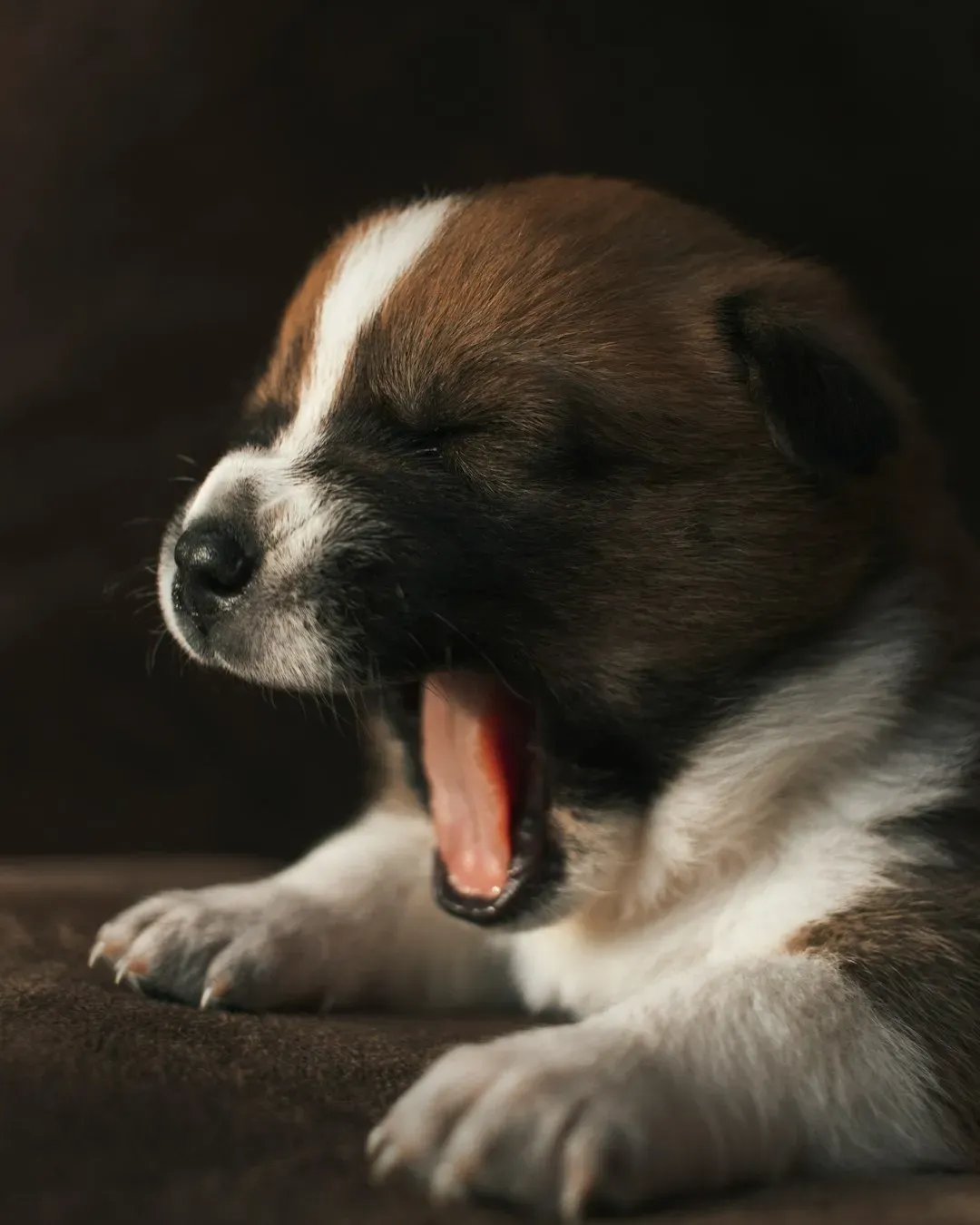
Some adolescents suddenly act scared of things that never bothered them, like a mailbox, a bicycle, or a familiar neighbor. Trainers often describe this as a second fear period. It can be confusing in a dog who seemed so confident last month.
Stay relaxed and let your puppy approach at their own pace. Pushing them toward the scary object usually backfires. Pairing the new sight with treats and distance helps rebuild confidence.
Social Behavior Shifts
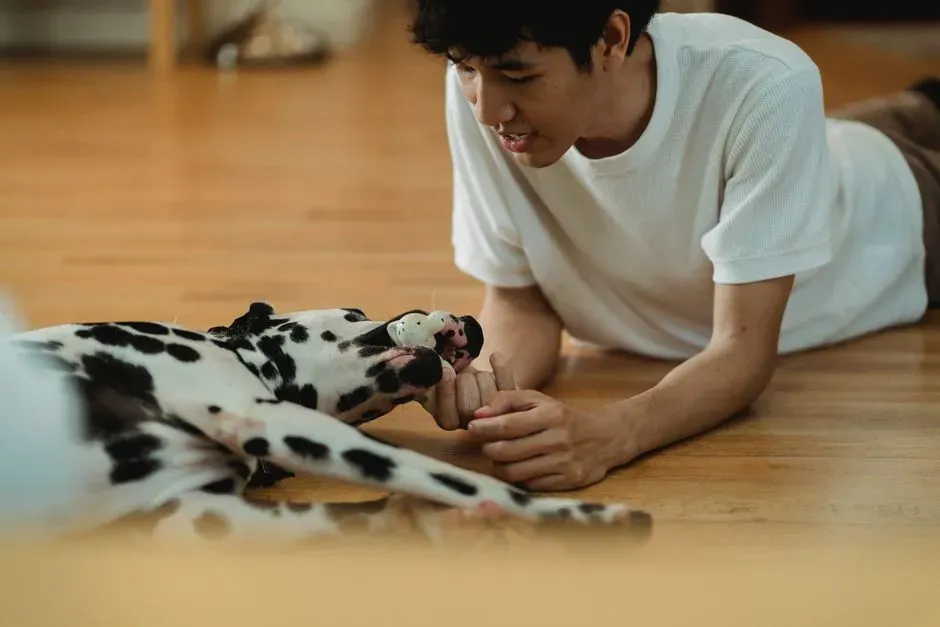
Dogs who once played happily with everyone may become pickier about greetings. Other dogs may also respond differently, since adult dogs are often less tolerant of a puppy’s bad manners once that puppy looks older. Occasional grumbles or scuffles can follow.
Choose playmates carefully and step in early if play gets too intense. Short, well-managed meetings with calm, friendly dogs are a better bet than chaotic dog parks. Good experiences during this time help shape adult sociability.
Leash Manners Slip
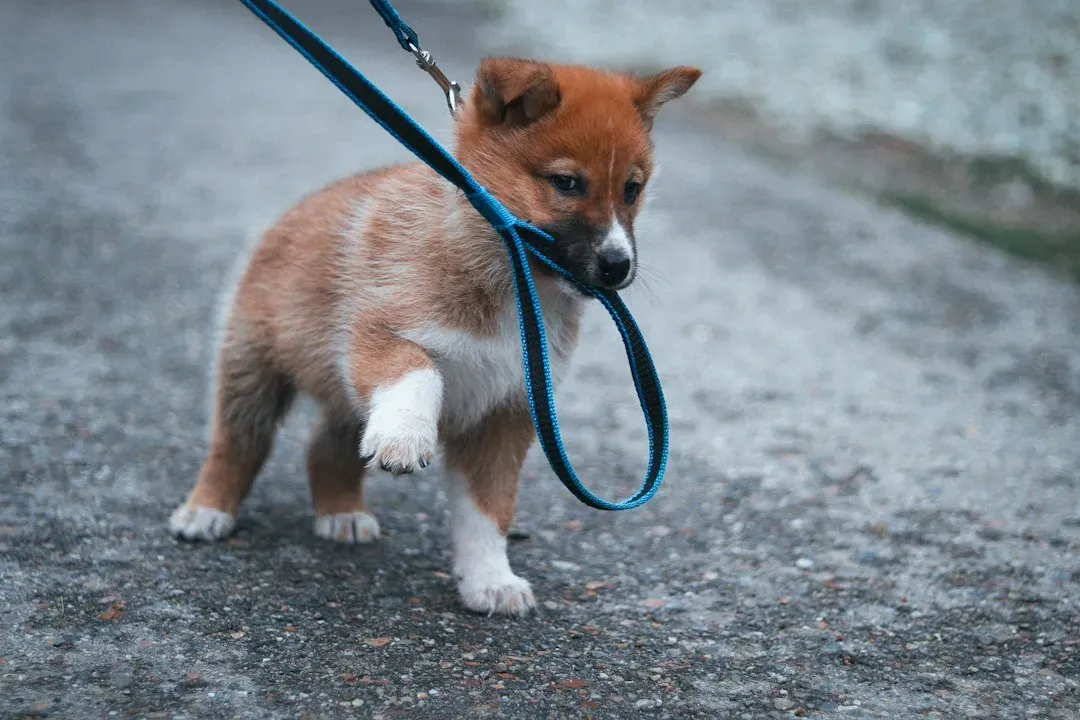
Loose-leash walking often falls apart in . Your dog may pull harder, lunge at squirrels, or stop dead and refuse to move. Stronger legs and bigger interest in the outside world combine to make walks harder.
Go back to basics with rewards for staying beside you, and practice in quiet areas before busy streets. A well-fitted harness can make control easier without causing discomfort. Progress may feel slow, though steady practice does pay off.
Training Classes Still Help
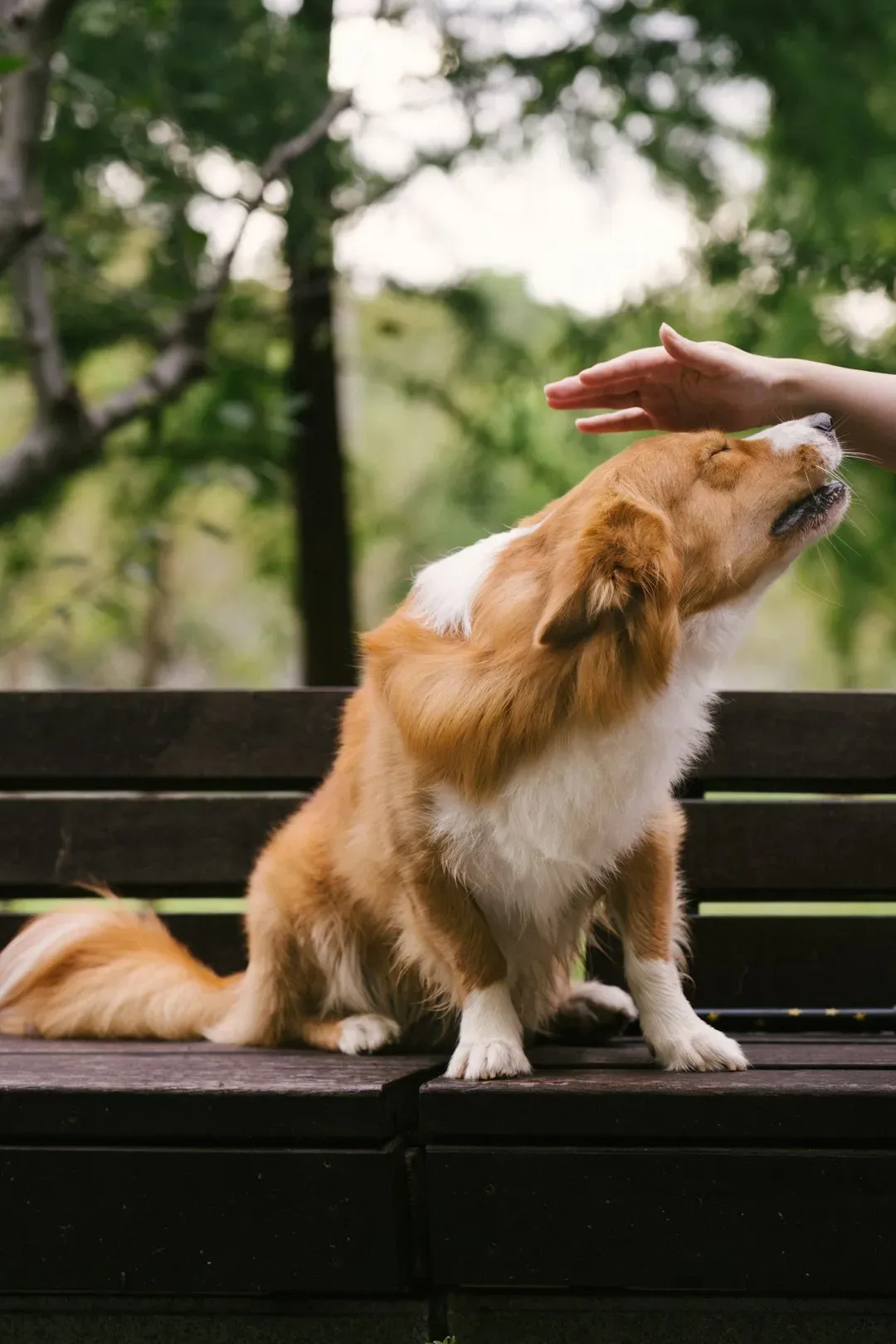
is also the stage when many dogs are surrendered to shelters, largely because owners feel overwhelmed by behavior that’s actually quite typical. Staying engaged with training, rather than pausing it, is one of the most reliable ways to get through. Reward-based methods are widely recommended by veterinary behavior organizations such as the American Veterinary Society of Animal Behavior.
An adolescent class or a few sessions with a qualified trainer can give you structure and fresh ideas. If your dog shows aggression or intense fear, talk with your veterinarian first, since pain or illness can sometimes be behind sudden behavior changes. Most dogs settle into a steadier adult temperament by around two years of age.





Leave a Reply