
Retirement, or just a slower stretch of life, often opens up time you haven’t had in decades. Filling it with something you actually enjoy doesn’t require a big budget. Many of the most rewarding pastimes need little more than a pair of shoes, a notebook, or a library card.
Research on older adults generally links regular social, creative, and physical activity with better wellbeing, though the strength of that evidence varies by activity. So treat the ideas below as starting points, not prescriptions. Pick what sparks your curiosity, spend very little, and see what sticks.
1. Walking and Hiking

Walking is about as cheap as a hobby gets. Public health guidance in the United States, including from the CDC, recommends that adults, older adults included, aim for at least 150 minutes of moderate aerobic activity each week, and brisk walking counts. A supportive pair of walking shoes is the main purchase.
You can turn walking into a real hobby by exploring local trails, joining a walking group, or tracking routes with a free app. Many parks and community organizations run free guided walks. If balance or joint pain is a concern, check with your doctor and start with short, flat routes.
2. Gardening
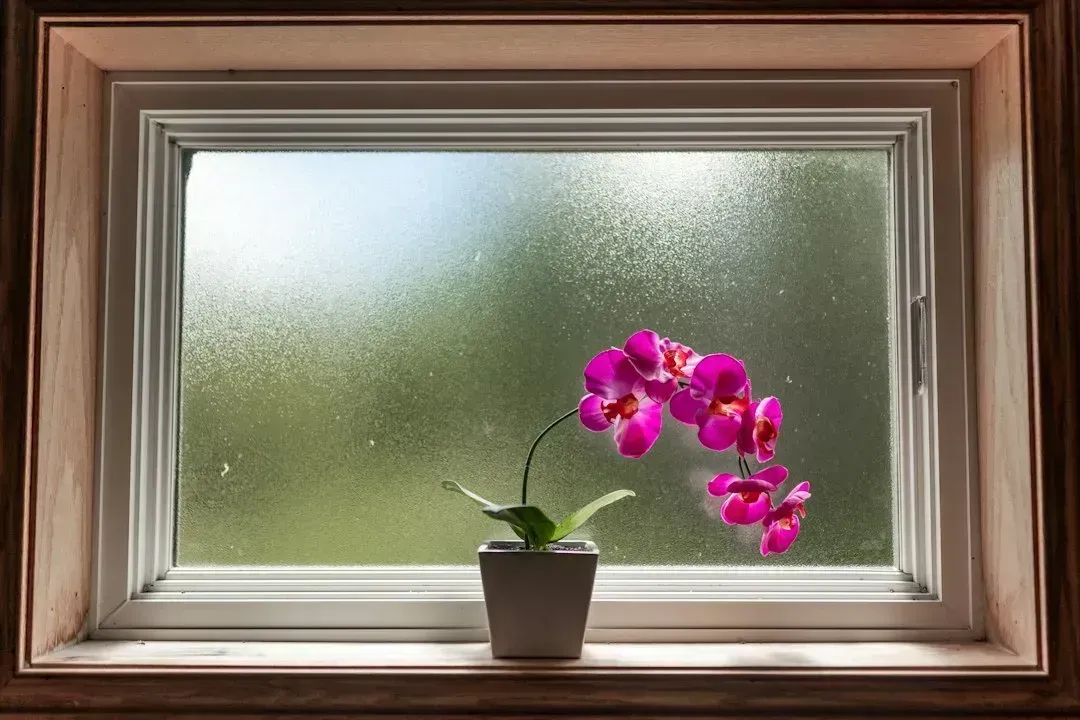
Gardening can begin with a few pots on a windowsill and a packet of seeds, which often costs only a few dollars. Herbs, lettuce, and tomatoes are forgiving choices for beginners. Community gardens frequently offer small plots at modest fees, and they come with neighbors who are happy to share advice.
It’s gentle exercise, and it keeps you outdoors. Raised beds or long-handled tools can ease the strain on knees and backs. Local extension offices in the U.S. often provide free planting guides suited to your region.
3. Reading and Joining a Book Club

A library card is free in most communities, and it opens up physical books, e-books, and audiobooks through apps such as Libby. That makes reading one of the lowest-cost hobbies available. You can borrow instead of buying and never worry about shelf space.
A book club adds a social layer. Many libraries and community centers host them at no charge, and online groups exist too. Having a monthly deadline and people to talk with can make the habit easier to keep.
4. Writing or Journaling

All you really need is a notebook and a pen. Some people write memoirs for their grandchildren, others keep a daily journal, and some try short stories or poetry. There’s no right way to begin, so lower your expectations and write a few lines each day.
Free resources help if you want structure. Libraries and senior centers often run writing workshops, and online writing communities are plentiful. Even a simple habit of jotting down memories can become a keepsake for family.
5. Learning a Language

Free apps like Duolingo, plus library language programs and YouTube lessons, let you start without paying for classes. Learning a language is mentally demanding in a satisfying way. Some research suggests that bilingualism may be associated with later onset of dementia symptoms, though scientists still debate how strong that link is, so it’s best to learn for the enjoyment.
Travel plans make a great motivator, but they aren’t required. Look for free conversation meetups at libraries or community colleges to practice speaking. Fifteen minutes a day is enough to make visible progress over a few months.
6. Drawing and Watercolor Painting
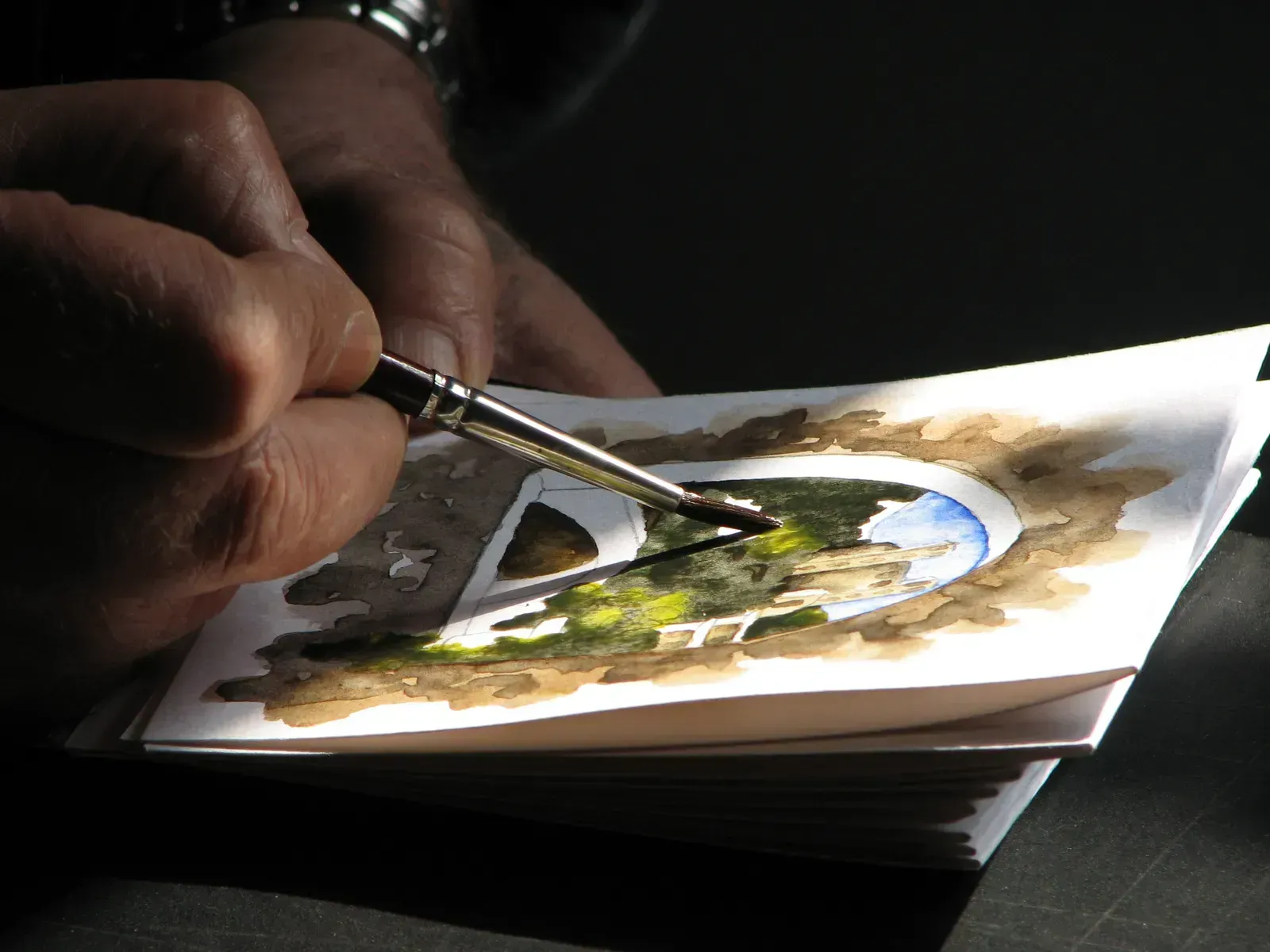
A sketchbook, a few pencils, and a basic student-grade watercolor set usually cost less than a restaurant meal. Beginners don’t need professional supplies to learn shapes, shading, and color mixing. Plenty of free video tutorials walk you through the basics step by step.
Art classes at community centers and senior programs are often inexpensive. Painting and drawing keep your hands and eyes busy in a calming way. Plus, you end up with something to show for your time, which is a nice bonus.
7. Birdwatching
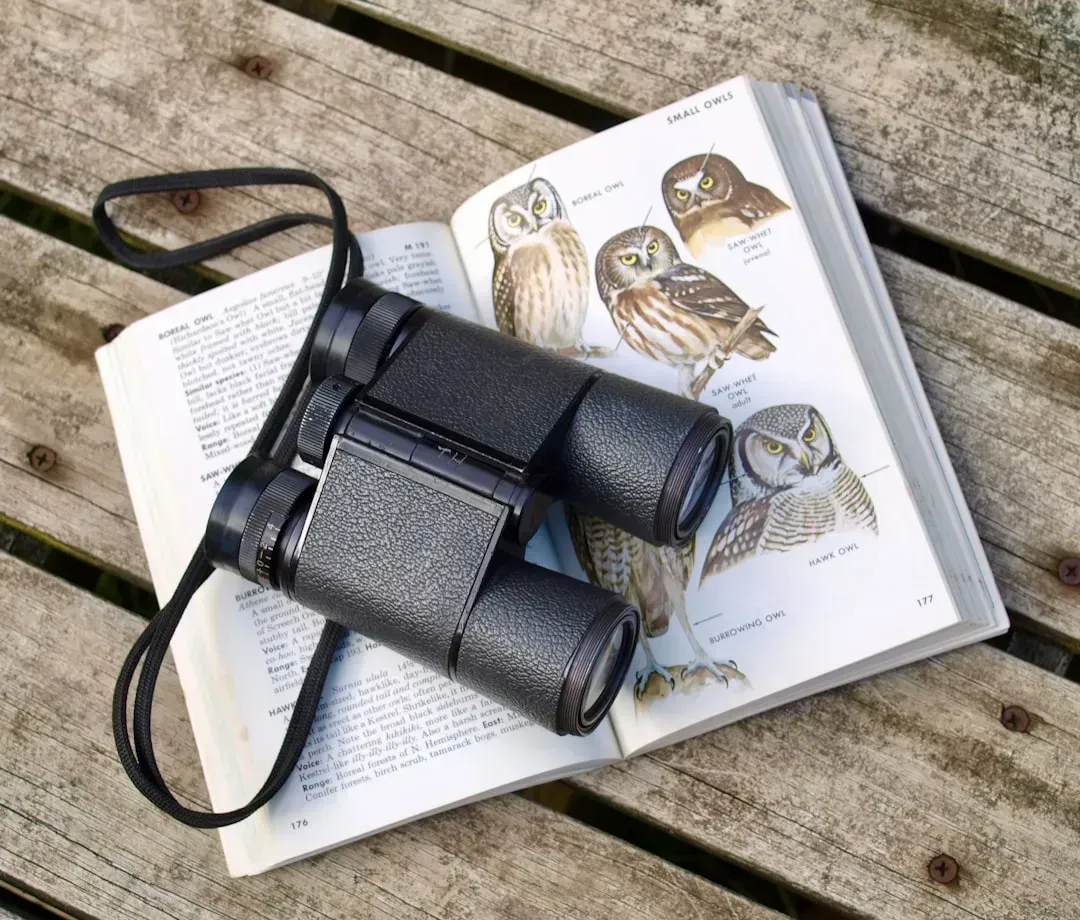
Birdwatching can start at your kitchen window. Free tools such as the Merlin Bird ID app from the Cornell Lab of Ornithology can help identify birds by photo or sound. Binoculars are helpful, and decent entry-level pairs are widely available at modest prices.
Local Audubon chapters and nature centers frequently host free or low-cost outings, which makes it easy to meet people. You can also log sightings through the free eBird platform and contribute to citizen science. The pace is relaxed, and every outing is a little different.
You don’t have to commit to a single hobby, and you don’t need to be good at it right away. Try one for a few weeks, keep the spending low, and swap it out if it doesn’t suit you. The best hobby in your 60s is simply the one you look forward to doing.




Leave a Reply