
Most people don’t set out to become overwhelmed by their belongings. It tends to happen quietly, one purchase at a time, one “I’ll deal with it later” decision stacked on top of another. Before long, drawers won’t close, the garage belongs more to cardboard boxes than to your car, and getting ready in the morning becomes a small excavation project.
Roughly more than half of Americans feel overwhelmed by the amount of clutter they have, yet nearly four in five have no idea what to do about it. The interesting part is that the problem rarely comes from a lack of space. Research suggests that roughly four out of five cases of household clutter are the result of disorganization, not a lack of space. Knowing which categories of stuff tend to spiral out of control is a more useful starting point than buying yet another set of storage bins.
1. Clothing
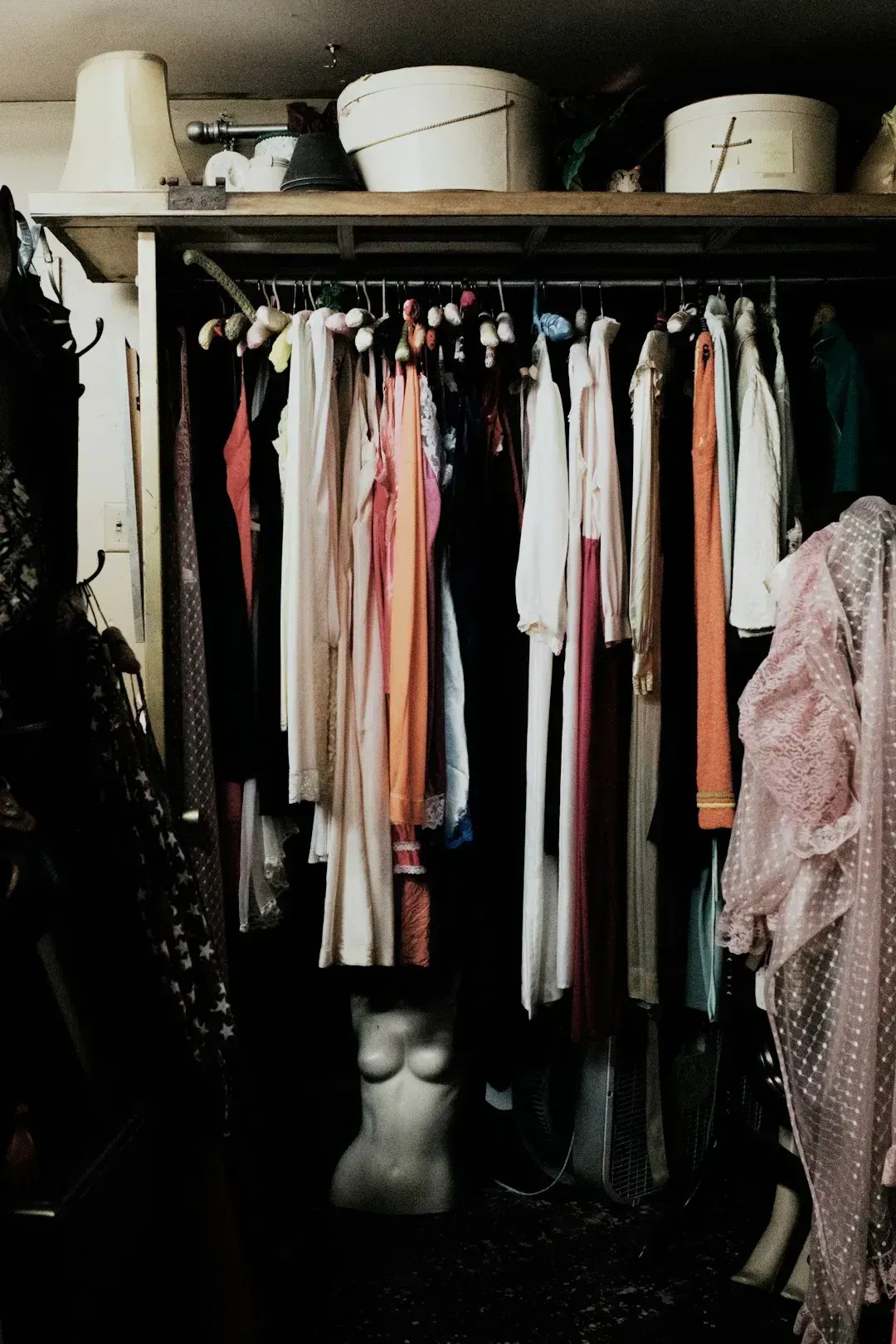
The closet is ground zero for most clutter battles. The average American woman owns around 30 outfits, one for every day of the month. In 1930, that figure was just nine. The gap between what we own and what we actually reach for is striking. It’s estimated that roughly four out of five clothing items in a typical closet are worn only about one fifth of the time.
Old garments meant to be worn again someday, along with clothes that no longer fit or simply never get touched, can rapidly overcrowd closet space. One survey of more than two thousand American women found their closets contained an average of $550 worth of completely unworn clothing. That is money sitting in the dark, taking up space, and quietly adding to the visual noise every morning.
2. Kitchen Gadgets and Appliances
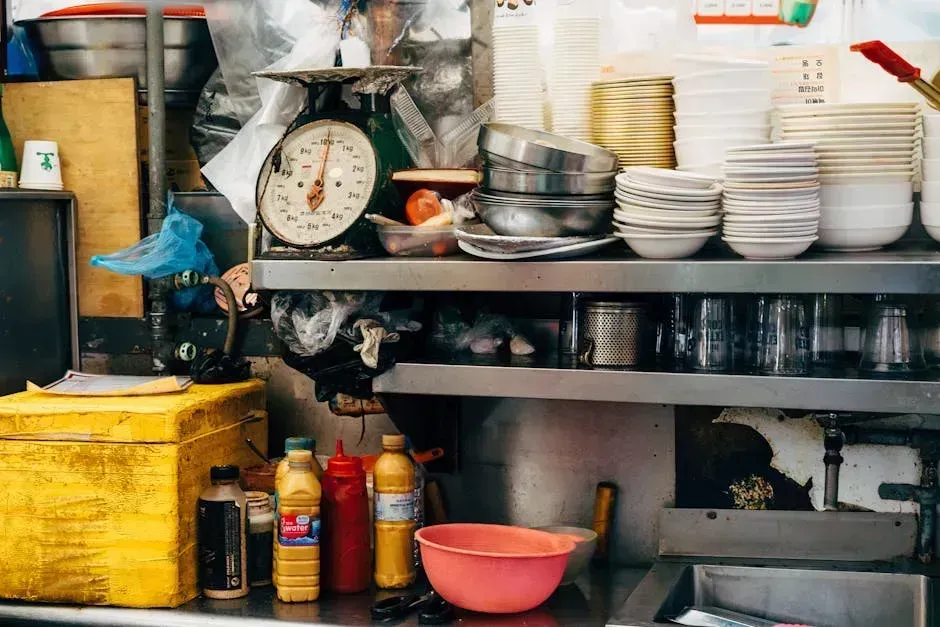
Many of us are guilty of hoarding gadgets, tools, and utensils, and the kitchen is the most common place for this type of clutter. We accumulate excess mugs, cutlery, and plates in our cupboards, along with countertop appliances like toasters and blenders that rarely get used. Single-use tools are a particular trap. That spiralizer or avocado slicer seemed practical in the store, then spent three years in a drawer.
Single-use gadgets and gizmos are consistently identified as a main source of clutter in a home. Surveys consistently find that the kitchen ranks among the most cluttered spaces in the house alongside the garage and home office. The fix isn’t more cabinet organizers. It’s fewer items that don’t earn their space.
3. Paper and Documents
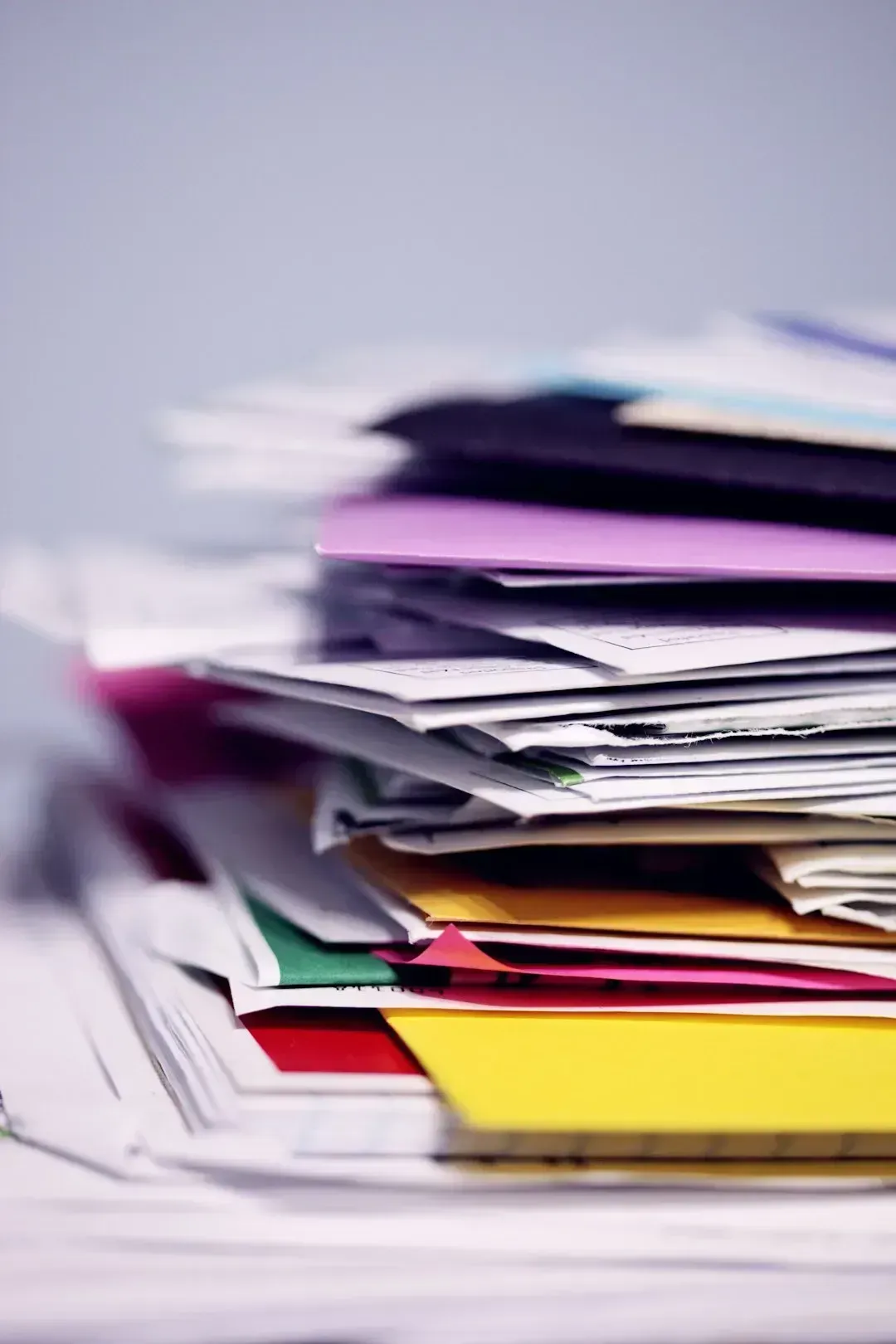
Paper is one of the quietest and most persistent forms of clutter. Bills, receipts, letters, and cards pile up fast. While certain documents may be worth keeping, many old ones can be discarded or digitized. You generally don’t need to hold onto bills or bank statements that are more than five years old.
Paper clutter can become overwhelming when not managed, especially when it involves tax receipts, bills, and miscellaneous paperwork that accumulates over time. One study found that nearly a quarter of adults report paying bills late and incurring fees simply because they can’t locate them among the clutter. The cost here isn’t just visual. It’s financial and practical too.
4. Cables, Chargers, and Old Electronics
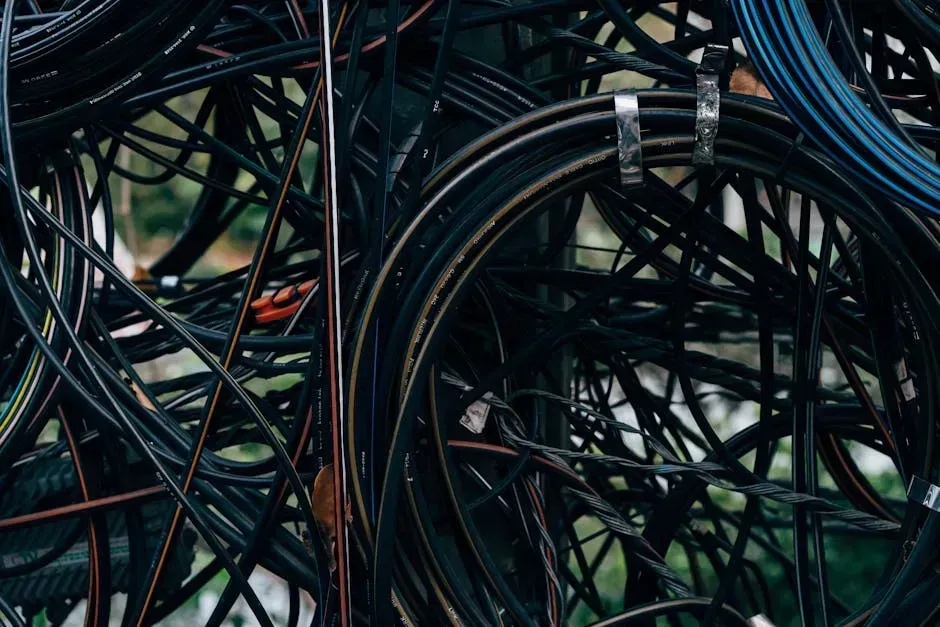
Nearly every home has that one drawer where unidentified or non-working chargers have become a tangled mess. Old phones, outdated laptops, and mystery cables from devices nobody can remember owning anymore seem to breed in the dark. Cords for devices you no longer own are a classic example of the invisible clutter that serves no purpose but takes up space.
Roughly four in ten people admit to having bought a duplicate item because they forgot they already owned it, and a tangle of unlabeled cables is a big part of why that happens. If you don’t know what a cable belongs to, the chances are strong you haven’t needed it in years. A good rule of thumb: if it doesn’t have a device to match right now, it probably doesn’t need to live in your home.
5. Toys
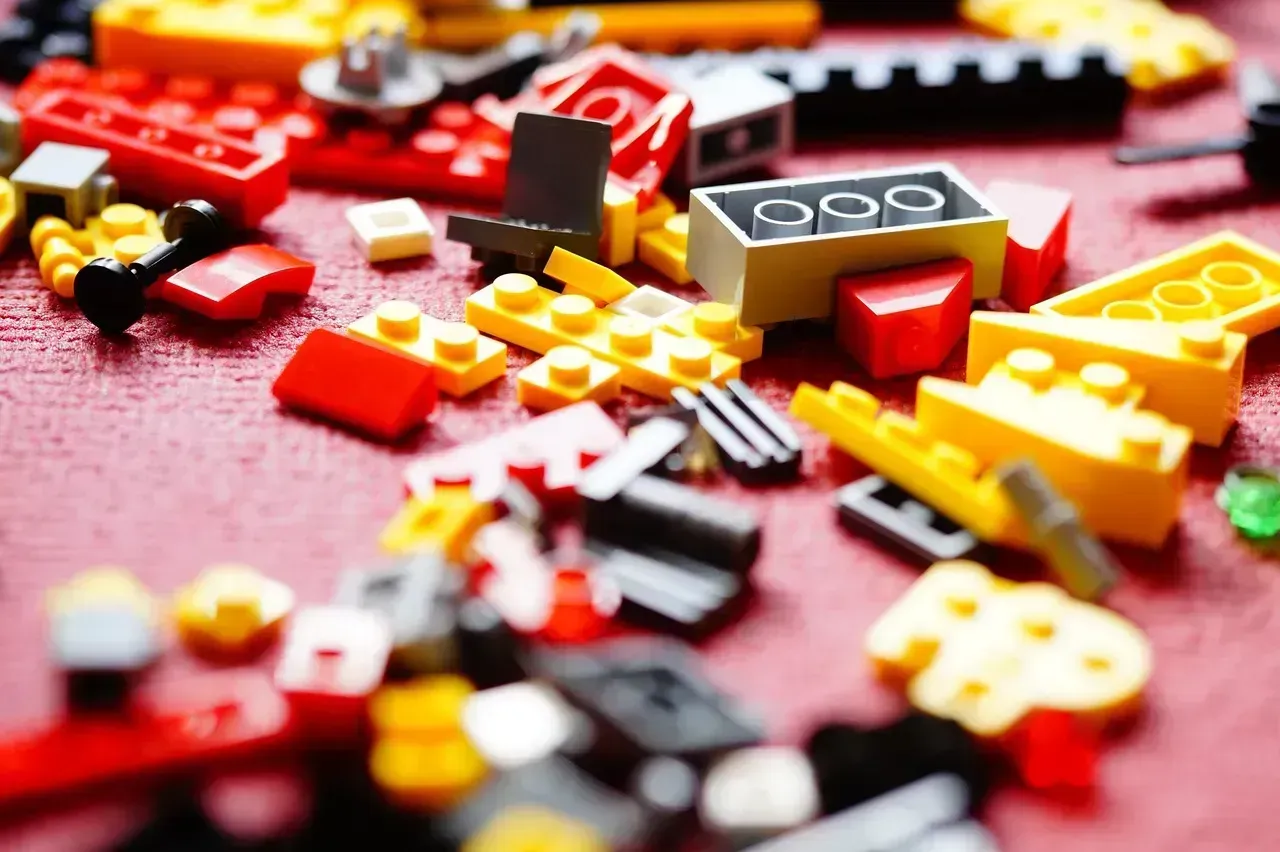
Households with children face a specific and relentless form of clutter. According to a British study, the average ten-year-old possesses 238 toys but only plays with about 12 of them on any given day. American children make up just over three percent of the world’s children, yet they account for roughly forty percent of the toys consumed globally.
When a child’s room is overrun with stuffed animals, action figures, or other multiples, it’s a clear sign that a meaningful reduction is overdue. Donating working toys that are no longer being used to local shelters, thrift stores, or daycares is a practical way to clear the space. Fewer, more intentional toys also tend to get more actual use, which is worth keeping in mind before the next birthday or holiday season.
6. Shoes
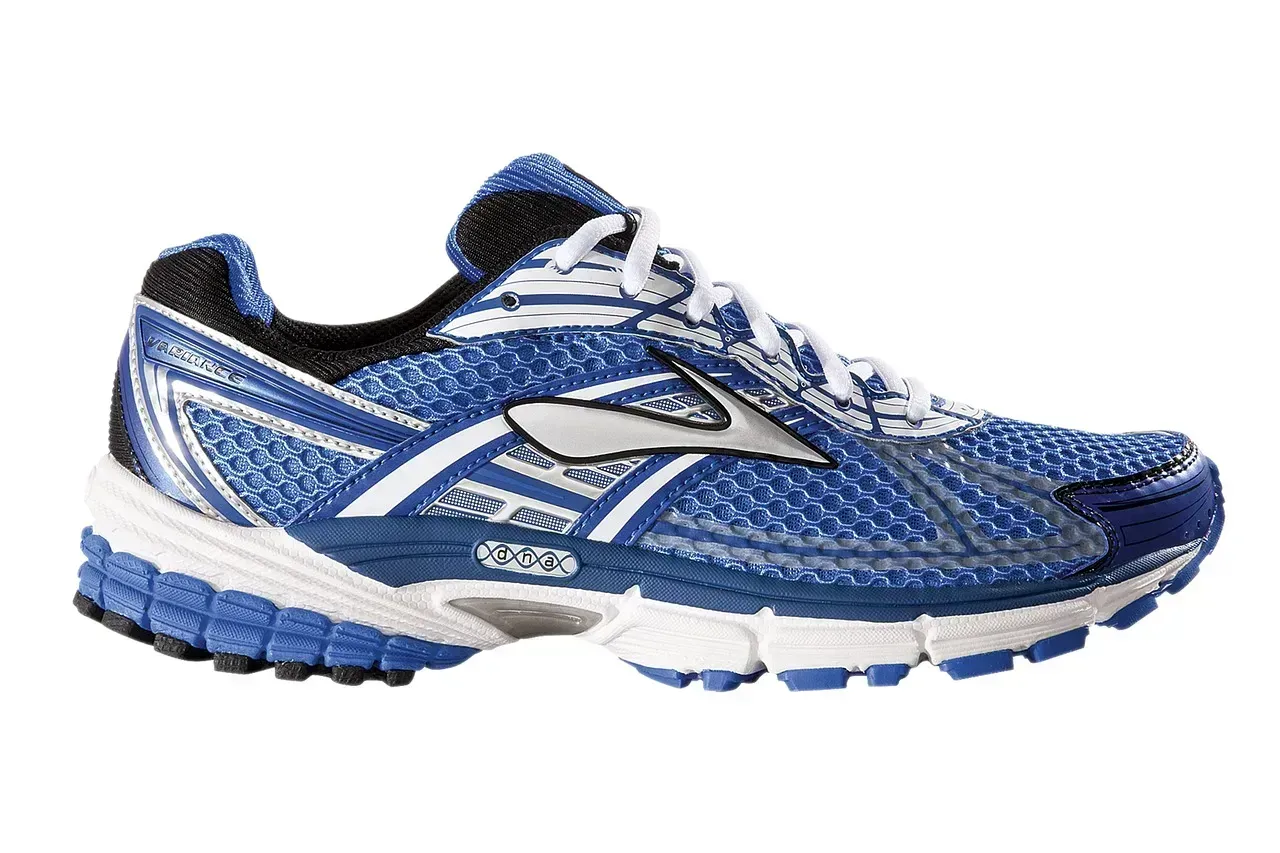
Shoes can quickly overrun closets and entryways, creating clutter and chaos that spreads beyond just that one area. They’re an easy item to accumulate because they feel functional, they’re not food, and they don’t expire. Yet most people cycle through a small handful of pairs regularly while the rest of the collection occupies prime real estate near the front door or on the closet floor.
Shoes rank among the top five items that people misplace in their homes on a regular basis. When your footwear collection grows beyond what you can reasonably keep organized, the whole entryway tends to suffer for it. A realistic audit of which pairs actually get worn in a given season can free up a surprising amount of space.
7. Sporting and Exercise Equipment
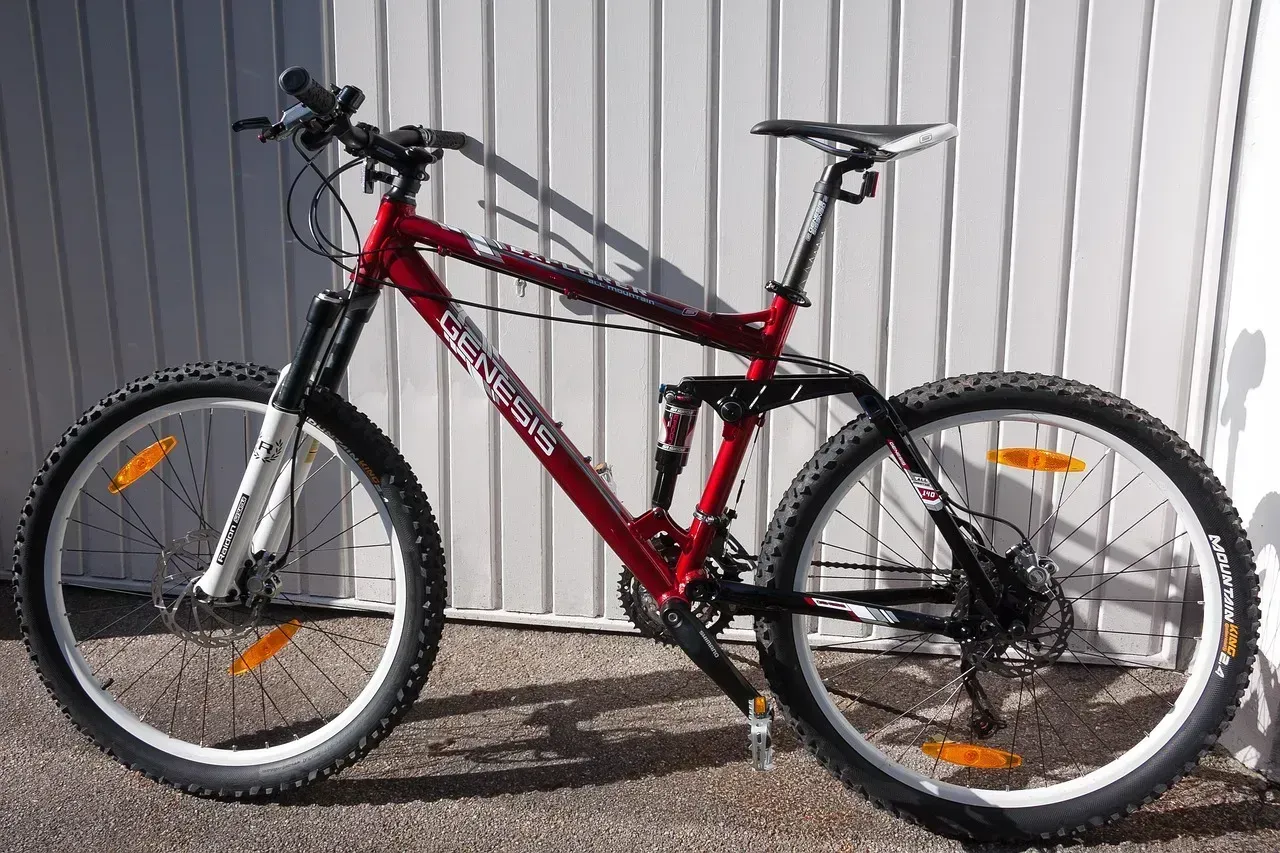
Excess sporting equipment can rapidly overwhelm garages, with balls, racquets, and bats being especially bulky and difficult to store. Exercise equipment is in a league of its own. Treadmills, stationary bikes, and resistance bands bought with real intention often migrate from the living room to the bedroom corner to the garage, where they spend years holding coats and collecting dust.
Half of homeowners rate their garage as the most disorganized room in the house, and equipment from abandoned fitness routines is a significant contributor. Unused exercise equipment, particularly items that haven’t been touched in several years, is widely cited as one of the most obvious decluttering candidates in any home. The harder honest question is whether you’ll actually use it again, or whether it’s just expensive guilt taking up square footage.
8. Decorative Items and Sentimental Objects

Decorative pieces and sentimental keepsakes are among the most emotionally charged clutter categories, which makes them the hardest to let go of. Trinkets from travels, gifts you felt obligated to keep, inherited items that don’t match your space or your taste. There’s a fine line between being a collector and a hoarder, and while some collectibles take up little space, others like vintage items and accumulated gifts can quickly take over entire rooms.
It helps to remember not to confuse things with memories. Our memories stay with us long after the objects themselves are gone. Taking photographs of bulky or sentimental items before letting them go is one practical way to preserve the memory without preserving the physical object. Keeping only what genuinely belongs to your life now, rather than to a version of your life that has already passed, tends to make a home feel considerably more like itself.
The clearest takeaway from all of this is that clutter accumulates in predictable ways. It’s not random, and it’s usually not a storage problem. People generally use less than half the items in their homes, which means the remaining half is potential clutter waiting to be addressed. Recognizing the categories most likely to get out of hand is often enough to shift the dynamic. You don’t need a complete overhaul. You just need to be honest about which things are genuinely earning their place.





Leave a Reply