
China: A Cooling Market Still Weighed Down by Old Prices

China’s property boom of the 2000s and 2010s left behind price levels that have not fully corrected even as the market has slowed. China records a home price-to-income ratio of 34.6, among the highest in the world. That figure reflects decades of urban migration and speculative buying that pushed values far beyond what typical wages could support.
Although China’s housing market has cooled in recent years, home prices remain high relative to household incomes after decades of rapid appreciation fueled by urbanization and investment demand. For young professionals in Shanghai or Shenzhen, the arithmetic rarely works without family help or years of aggressive saving. The government has rolled out support measures, but the underlying price-to-income mismatch has not disappeared.
Sri Lanka: An Economy in Recovery, a Housing Market Still Broken

Sri Lanka’s economic troubles in recent years have left an unusual mark on its housing figures. Sri Lanka posts the second-highest home price-to-income ratio globally at 40.8, trailing only Syria. That places ordinary home buying almost entirely out of reach for salaried workers.
Currency instability and inflation have played a large role in pushing this ratio upward, since incomes in local terms have not kept pace with asset values. For most households, renting or multi-generational living remains the only practical path, and that pattern shows little sign of easing in the near term.
South Korea: Seoul’s Apartments Outpace Almost Everyone’s Salary
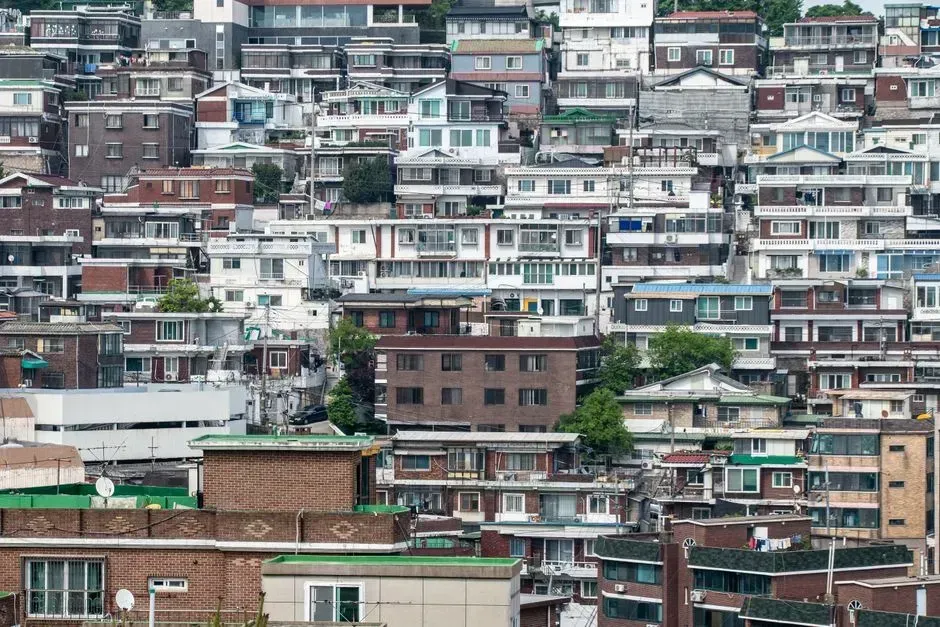
South Korea consistently ranks among the toughest places on earth to buy a home relative to income. South Korea is often cited as the least affordable country to buy a home, with a house price to income ratio of nearly 40 percent using one comparative measure. Seoul in particular has built a reputation as a market where apartment prices have detached from local wage growth.
South Korea ranks among the world’s least affordable housing markets, alongside Thailand, Vietnam, and the Philippines. High household debt levels tied to property purchases have become a recurring concern for policymakers, since so much personal wealth in the country is tied up in real estate that keeps climbing in price.
Hong Kong: The Perennial Champion of Unaffordability
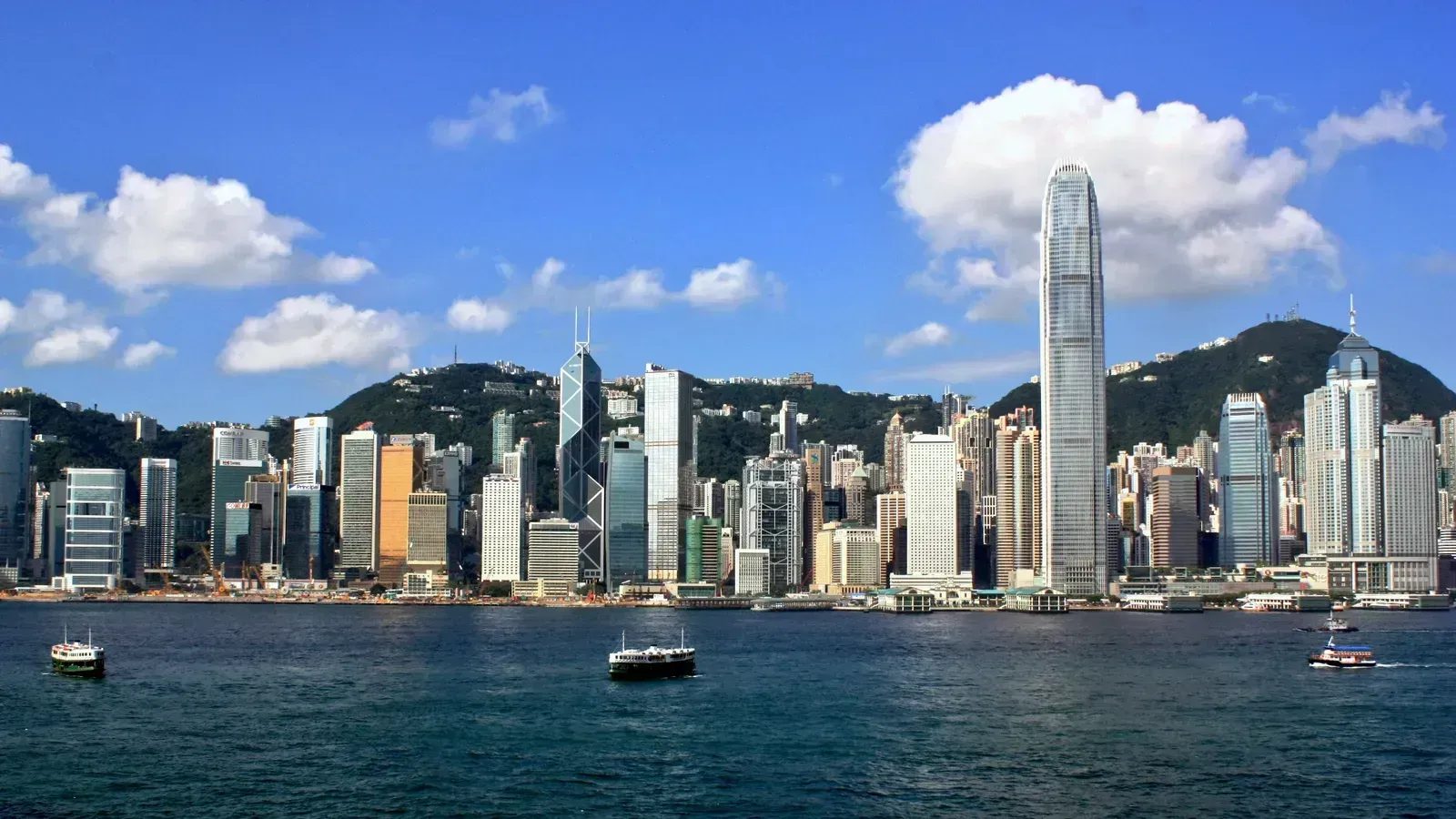
Hong Kong has held the title of least affordable housing market for well over a decade, and little has changed recently. On the core measure of median price-to-income, Hong Kong ranks as the least affordable city globally, with a price-to-income ratio of 16.7. Other measures push the figure even higher, depending on methodology.
Hong Kong sits at roughly 21.5 times annual income for prime housing according to one comprehensive estimate. Limited land supply, a dense population, and heavy demand from mainland buyers all combine to keep prices at levels that would take an average worker two decades of saving to match, assuming they spent nothing else.
Australia: Big Houses, Bigger Price Tags

Australia’s love of detached houses has collided with land scarcity in its major cities, and Sydney has become the poster child for the resulting squeeze. By March 2026, Sydney’s median home cost almost 1.3 million dollars, around 40 percent above the national median of 922,838 dollars. That price sits at the extreme end even within a country already known for expensive property.
OECD data shows 84 percent of dwellings in Australia are houses, compared with 67 percent in the United States and 65 percent in Canada, and that preference carries a higher entry price. First-home buyers increasingly find themselves priced out of the housing type most Australians consider standard, pushing many toward apartments or regions far from city centers.
New Zealand: A Small Economy With Outsized Housing Costs

New Zealand’s housing market has long punched above its weight in terms of price relative to local incomes. Research from the Reserve Bank of New Zealand notes that surging house prices are likely to raise graver concerns in the country, since its economy sits at the lower end of the income range within the developed world. That combination of modest wages and high property values makes the affordability gap especially painful.
Auckland remains the epicenter of the problem, with prices there historically running well ahead of the rest of the country. The government has experimented with various interventions over the years, from foreign buyer restrictions to lending rules, though none has fundamentally reversed the underlying imbalance between supply and demand.
Canada: Toronto and Vancouver Set the Pace for a National Squeeze

Canada’s housing affordability has deteriorated steadily, with its major cities now ranking among the least accessible in the world. Canada’s home price-to-income ratio stands at 9.4, notably higher than the United States, Australia, or the United Kingdom on the same measure. That gap has widened even as some other markets have cooled.
Vancouver and Toronto carry particularly harsh affordability scores, rated 8.5 out of 10 and 9.2 out of 10 on one comparative scale, where higher numbers signal worse affordability. Immigration-driven population growth, limited housing starts, and investor demand have all been cited as contributing factors by Canadian economists and housing researchers.
Portugal: Europe’s Steepest Price Climb

Portugal has moved from a relatively affordable European destination to one of the continent’s tightest markets in a remarkably short span. Portugal’s housing prices jumped 17 percent in the second quarter of one recent period, the steepest rise recorded in Europe. Lisbon has felt this most acutely, with foreign buyers and remote workers adding pressure on top of already limited local supply.
A first-time buyer targeting a 90 square meter apartment in Lisbon now faces a median valuation of roughly 294,000 euros, a sum requiring a 58,000 euro down payment and annual household income north of 73,000 euros to meet typical bank debt-service thresholds. That income requirement sits well above what most young Portuguese professionals earn, which helps explain why the country has seen visible public protests over housing costs.
Ireland: Population Growth Meets a Construction Bottleneck

Ireland’s housing crisis has become one of the most discussed economic issues in the country, driven largely by a supply shortfall that has not kept pace with a growing population. Irish property prices rose by 7 percent in the twelve months to end January 2026, up from the 6.9 percent pace recorded the previous year. The median national home price has climbed alongside that trend.
Roughly a third of employed 24 to 35 year olds across the EU still live in their parental homes because of high housing costs, and that figure reached as high as 40 percent in Ireland in 2022. With one of the fastest-growing populations in the EU, lagging supply, and high construction costs, Ireland sits at the sharpest edge of the European housing crisis.
The Netherlands: A Wealthy Nation Where Buying Still Feels Out of Reach
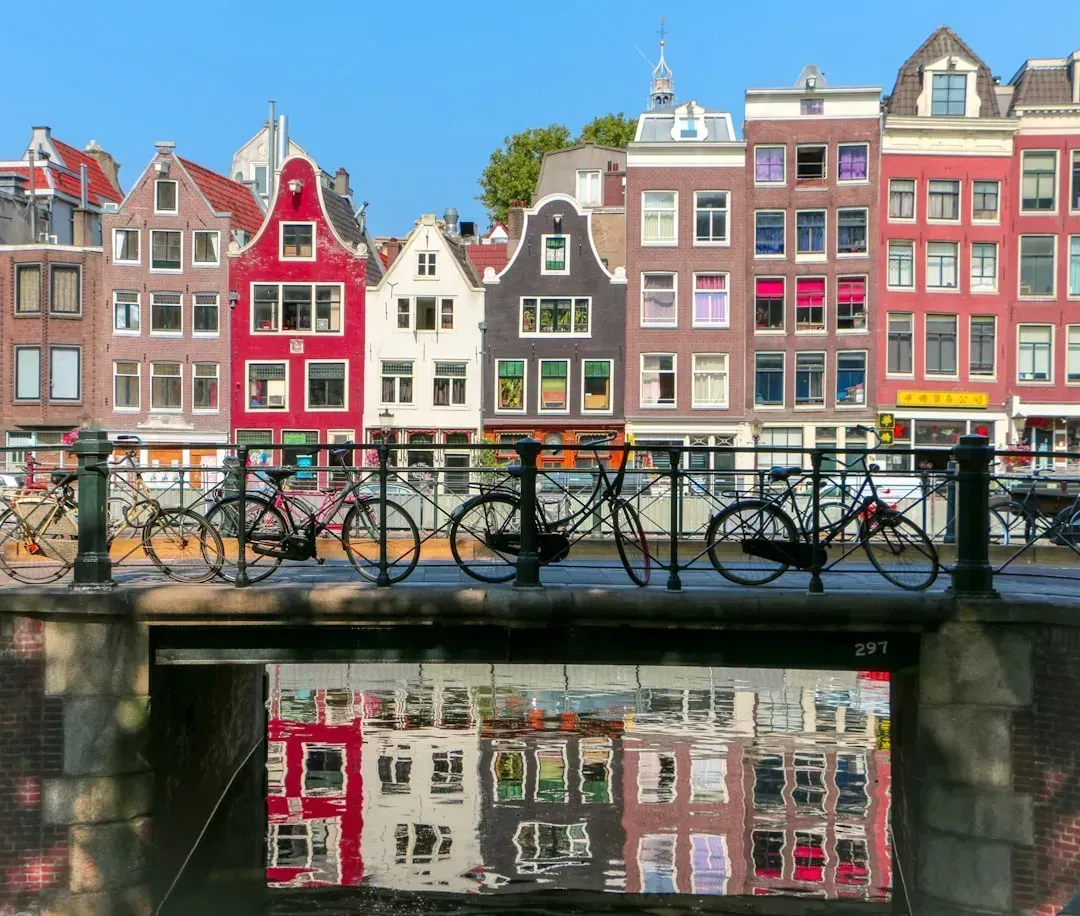
The Netherlands offers a clear example of how a genuinely prosperous economy can still price out large portions of its own population. The Netherlands ranked among the countries with the highest house price to income ratio in 2025, with its index exceeding 130 points against an OECD average of 114.7. That gap has persisted despite strong wages by European standards.
The Netherlands was among the countries where price-to-income ratios rose by more than 20 percent, alongside Portugal, Hungary, Luxembourg, Ireland, Czechia, and Austria. Dutch cities like Amsterdam and Utrecht have seen bidding wars become routine, with buyers frequently offering well above asking price just to secure a viewing slot.
What This Means Going Forward

None of these ten countries share identical causes, yet a common thread runs through all of them: housing supply has failed to keep pace with either population growth or income growth, sometimes both at once. In places like Ireland and Portugal, construction bottlenecks and rapid demand shifts have collided. In Hong Kong and South Korea, geography and density have long limited how much new housing can realistically be built.
Governments across these markets have tried a mix of responses, from Portugal phasing out property-linked visa programs to Ireland pushing new construction targets. Portugal has phased out its golden visa program for property purchases, describing it as one of the factors making housing less affordable. Whether these measures move the needle meaningfully will likely depend on how quickly new supply actually reaches the market, something that tends to take years rather than months to show up in the data.





Leave a Reply