
Ask most people what a second passport costs and they will guess a number with at least seven figures attached. The reality is more modest, and considerably more complicated once fees, due diligence checks, and family additions enter the picture. Six countries currently run government-approved programs that trade a financial contribution for full citizenship, and the price tags between them vary by more than a hundred thousand dollars depending on where you look.
What makes 2026 a particularly interesting year to examine these programs is the pressure building around them. Regional agreements have pushed minimum prices up, European governments have started tightening travel privileges for some passport holders, and at least one bloc has set a hard deadline for the whole model to end. Here is where things actually stand, country by country.
St Kitts and Nevis
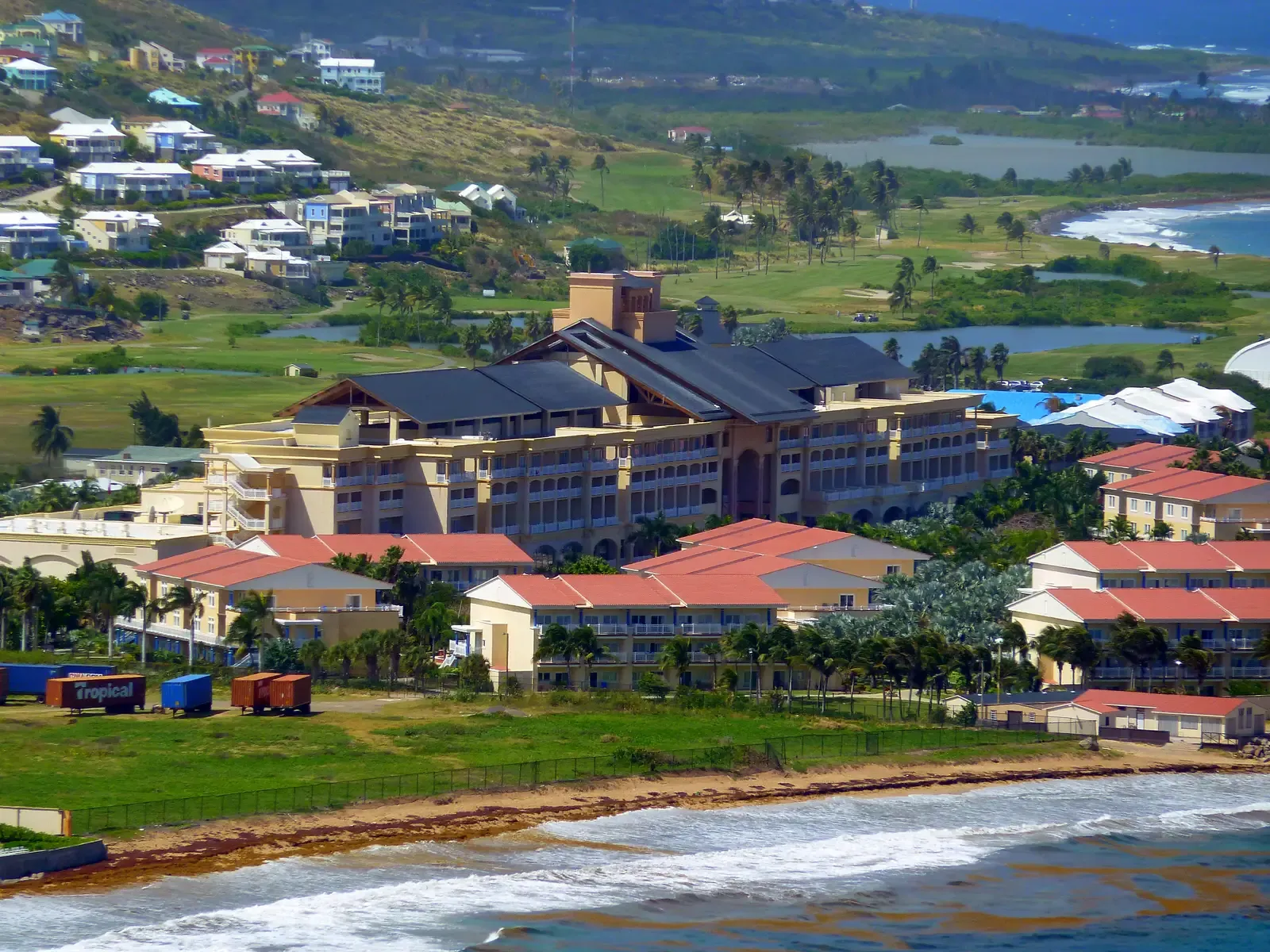
St Kitts and Nevis runs the oldest citizenship by investment scheme on the planet, dating back to 1984, and its longevity has earned it a reputation as the most established option in the market. The program offers several qualifying pathways, including a non-refundable contribution starting from US$250,000 and approved real estate investments. The real estate route sits higher, with government-approved projects starting near $325,000 and private homes requiring at least $600,000 according to program details from licensed agents.
Once government fees, due diligence charges, and processing costs are added, the realistic all-in figure climbs well past the headline number. For 2026, expect total outlay from USD 275,000 for a single applicant to USD 305,000 or more for a family of four under the SISC route. There is no physical residency requirement before or after approval, and the St Kitts and Nevis Citizenship by Investment processing time in 2026 takes just four to six months. Worth noting: the European Commission has pushed for these programs to be phased out entirely by mid-2028, a development that has already started reshaping how the region prices and markets its offerings.
Dominica
Dominica has positioned itself as the value option in the Caribbean, and the numbers back that up. Dominica offers the lowest minimum investment among Caribbean citizenship by investment programs, starting at USD 200,000 for both the government contribution and the real estate purchase. That places it squarely at the regional floor that other islands have chosen to price above.
The contribution goes into the country’s Economic Diversification Fund, and the program has built a reputation for consistent, predictable processing over several decades of operation. For applicants prioritizing entry cost, Dominica is currently the most cost-effective pathway to Caribbean citizenship. It lacks the E-2 visa treaty that makes Grenada distinctive and the passport ranks slightly lower on global mobility indices than St Kitts, but for a family watching every dollar, it remains the most straightforward entry point into the region.
Antigua and Barbuda

Antigua and Barbuda has built its program around family value in a way none of its neighbors quite match. The Antigua and Barbuda passport can be obtained by investing at least $230,000. Obtaining citizenship with family does not increase the investment amount, unlike CBI programs in other Caribbean countries. That single detail changes the math significantly for a couple with children, since the contribution amount stays flat regardless of how many dependents are included.
For larger households there is a separate route entirely. The University of the West Indies Fund option is available for families of six or more at $260,000 inclusive of processing fees. The one catch that sets Antigua apart from its regional peers is a light residency obligation: successful applicants must generally spend at least 5 days in Antigua and Barbuda within the first 5 years after citizenship is granted. It’s a small ask compared to traditional naturalization timelines, but it is technically the only physical presence requirement among the five Caribbean programs.
Grenada
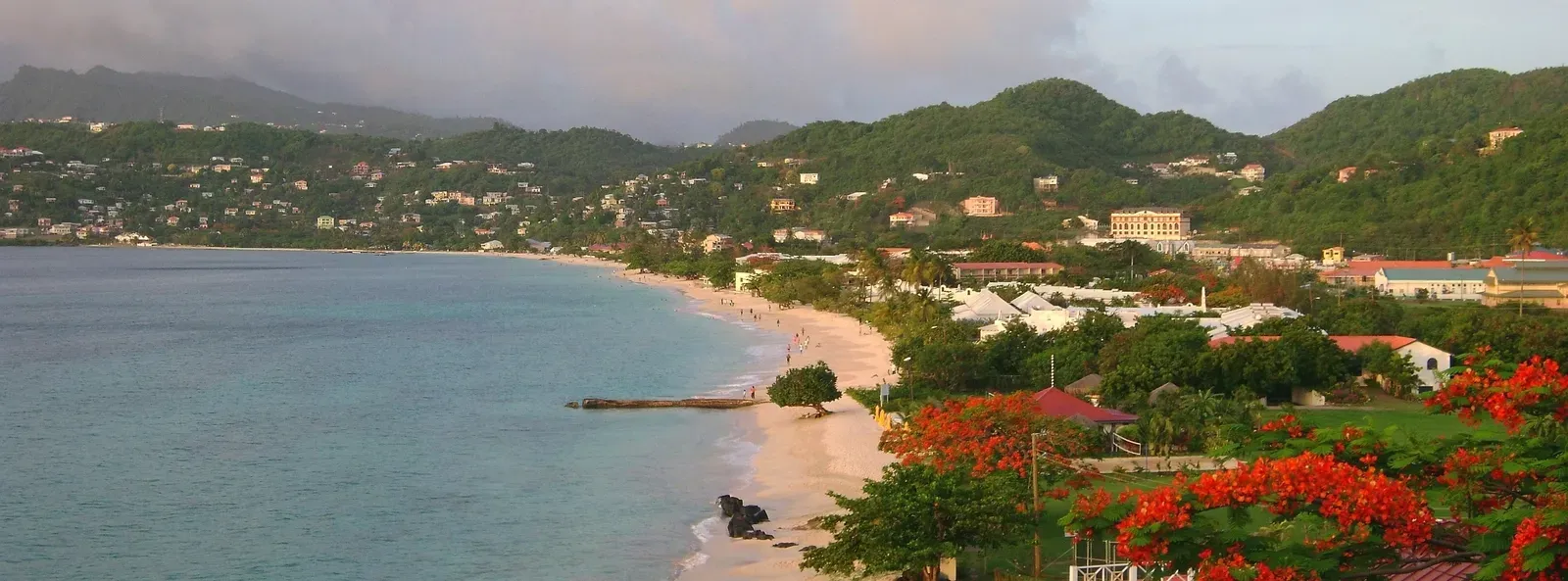
Grenada occupies a unique niche because of a decades-old treaty with the United States that none of the other islands share. Grenada is the only Caribbean CBI country whose citizens can apply for the USA E-2 Investor Visa; under Section 5901 of the NDAA for FY2023, applicants who obtain treaty nationality by investment must be domiciled in the treaty country for at least 3 continuous years before filing. That three-year domicile clause matters; it means the E-2 route isn’t instant, but it does exist where it simply doesn’t for other Caribbean nations.
On raw cost, Grenada sits in the middle of the regional pack. Applicants invest at least USD 235,000 in the National Transformation Fund or USD 270,000 in approved real estate, clear Investment Migration Agency due diligence, and receive citizenship in about 6 months. Once government and processing fees are factored in, the estimated total cost for a single applicant, including government fees, is $246,500, and for a family application it rises to $270,500. Real estate investors also get a rental income angle that the pure donation route doesn’t offer, with the property option typically carrying a five-year holding period before resale.
Saint Lucia
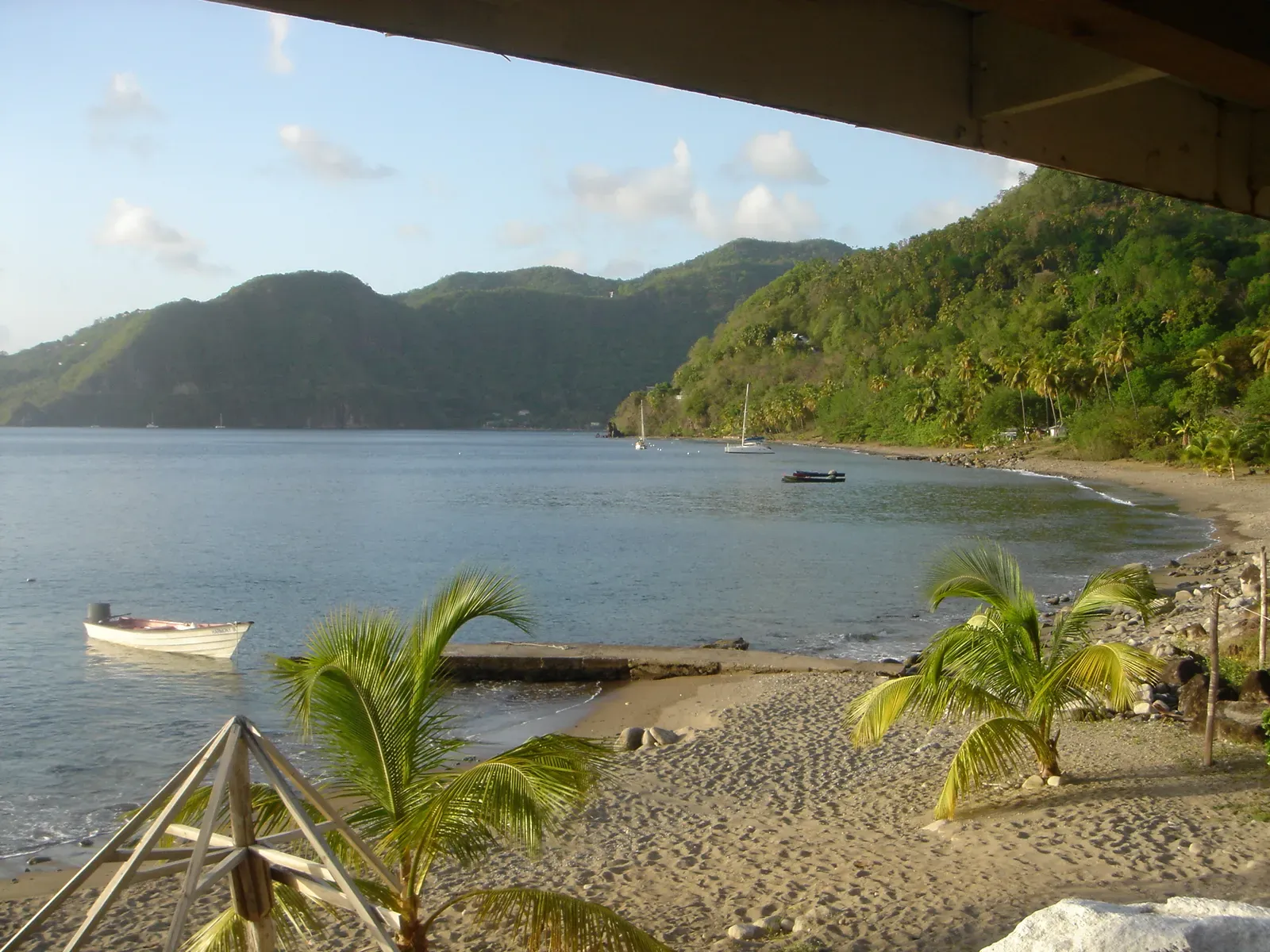
Saint Lucia distinguishes itself with an option none of the other five programs offer: a genuinely refundable investment route. St Lucia offers the only refundable investment in the Caribbean through its government bond option. That bond mechanism appeals to applicants who want some capital preservation rather than a purely non-refundable donation, even though it typically carries a higher entry threshold than the standard contribution fund.
The full cost picture for Saint Lucia lands slightly above Dominica and Antigua once fees are included. The estimated total cost for a single applicant, including government fees, is $251,000, and the estimated total cost for a family application, including government fees, is $260,500. Processing tends to run longer than its neighbors too; the steps to obtain citizenship, from preliminary due diligence to final approval from the CIU, takes approximately 15 to 16 months. The tradeoff for that longer wait is a tax regime that imposes nothing on worldwide income, capital gains, inheritance, or wealth, which some applicants weigh heavily against speed.
Vanuatu
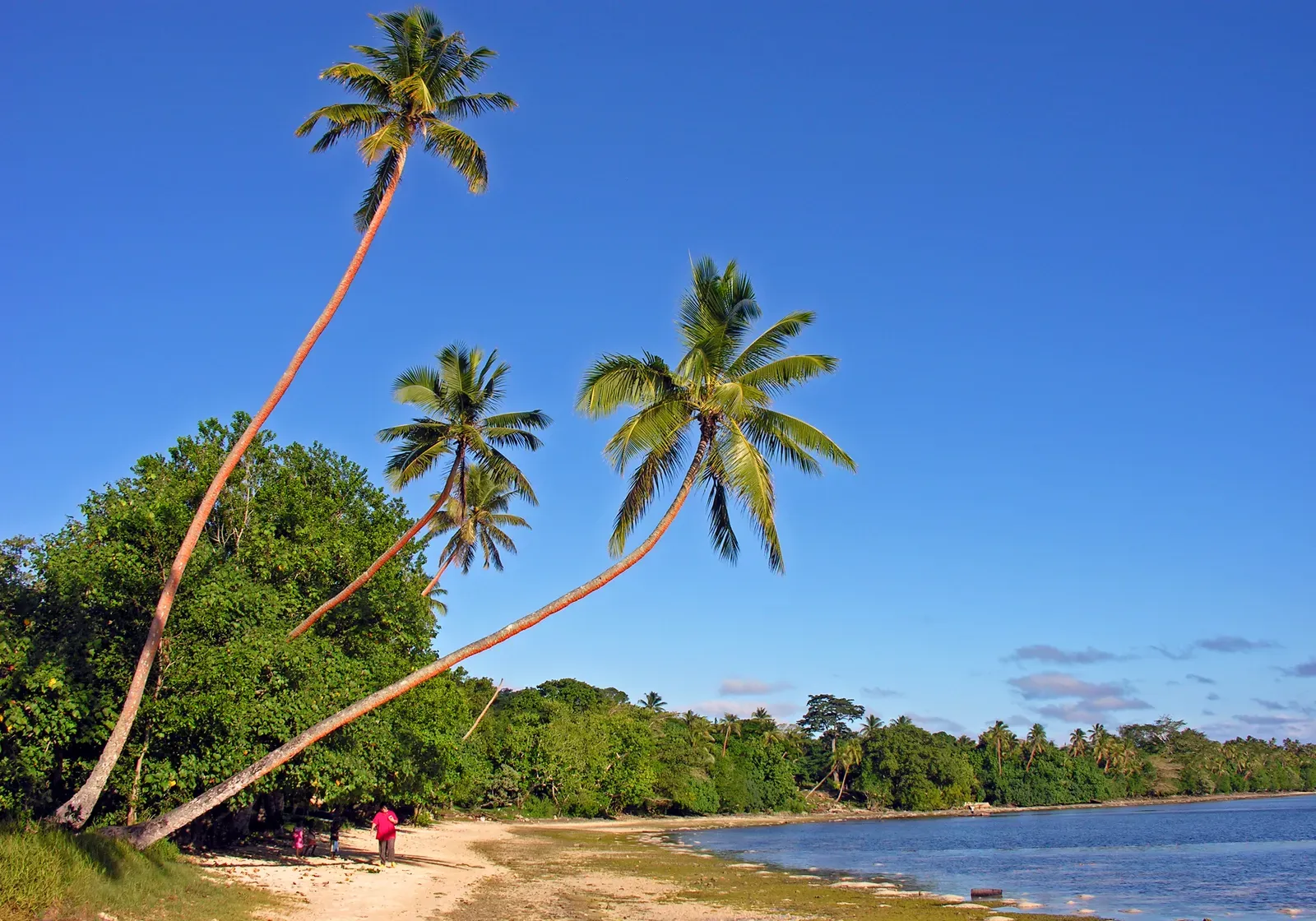
Vanuatu sits outside the Caribbean entirely, in the South Pacific, and it plays by a different set of rules than its five counterparts. The main route is through a non-refundable contribution, requiring a minimum of $130,000 for a single applicant, and the process takes 2 to 4 months, which is the fastest among citizenship-by-investment programs globally. That speed and lower entry price have made it the go-to comparison point whenever people ask what the cheapest legitimate second passport actually is.
Unlike every Caribbean program on this list, Vanuatu skips real estate entirely as a qualifying route. Unlike Caribbean CBI programs, Vanuatu does not offer a real estate investment option. The minimum investment is $130,000. Family pricing scales up from there, and one detailed breakdown for a family of four put the total investment range between roughly $152,800 and $234,000 depending on the route chosen and the number of dependents involved. The passport itself opens access to over a hundred countries visa-free, though it does not carry quite the same prestige as St Kitts in traditional passport-strength rankings.
What’s changing across the industry right now
The regulatory ground under all six of these programs has shifted meaningfully over the past two years. Since 1 July 2024, every Eastern Caribbean programme has been bound to a US$200,000 minimum investment floor agreed through the OECS Memorandum of Agreement. That single rule explains why prices across five of the six countries on this list now cluster so closely together, even though each government still sets its own figure above that baseline.
Pressure is also coming from outside the region entirely. The European Commission has demanded that citizenship-by-investment programmes be terminated by June 1st, 2028. Some of the practical consequences have already landed: Ireland has ended visa-free entry for citizens of St Kitts and Nevis, St Lucia, and Nicaragua effective June 15th, 2026, with a transitional arrangement for travellers who had already purchased tickets remaining in place until July 14th, 2026. Anyone weighing these programs now is essentially betting on how much runway remains before the political landscape shifts further.
Weighing the real trade-offs
None of these six programs is simply “the cheapest” or “the best.” Dominica and Vanuatu win on raw entry price, Grenada offers something structurally different through its E-2 treaty, and St Kitts trades a higher cost for the deepest institutional track record in the industry. Saint Lucia’s bond option and Antigua’s flat family pricing each solve a specific problem that the other programs don’t address in quite the same way.
The honest takeaway is that the headline investment figure rarely tells the full story. Due diligence fees, biometric processing charges, legal costs, and family composition can add tens of thousands of dollars on top of any minimum contribution advertised online. Anyone seriously considering one of these routes should treat the published minimums as a starting point for a conversation, not a final number to budget around.

Leave a Reply