
Every so often you stumble across a place that quietly rearranges your plans. You go in thinking it’s a quick stopover, maybe a weekend detour, and somehow you’re still there three days later, asking locals about real estate prices. It happens more often than you’d think, and it usually happens in small towns rather than big cities.
These six towns share a certain gravitational pull. They’re not the loudest names on a bucket list, but they tend to leave a mark on people who actually spend time in them. Here’s what makes each one so hard to walk away from.
Beaufort, South Carolina
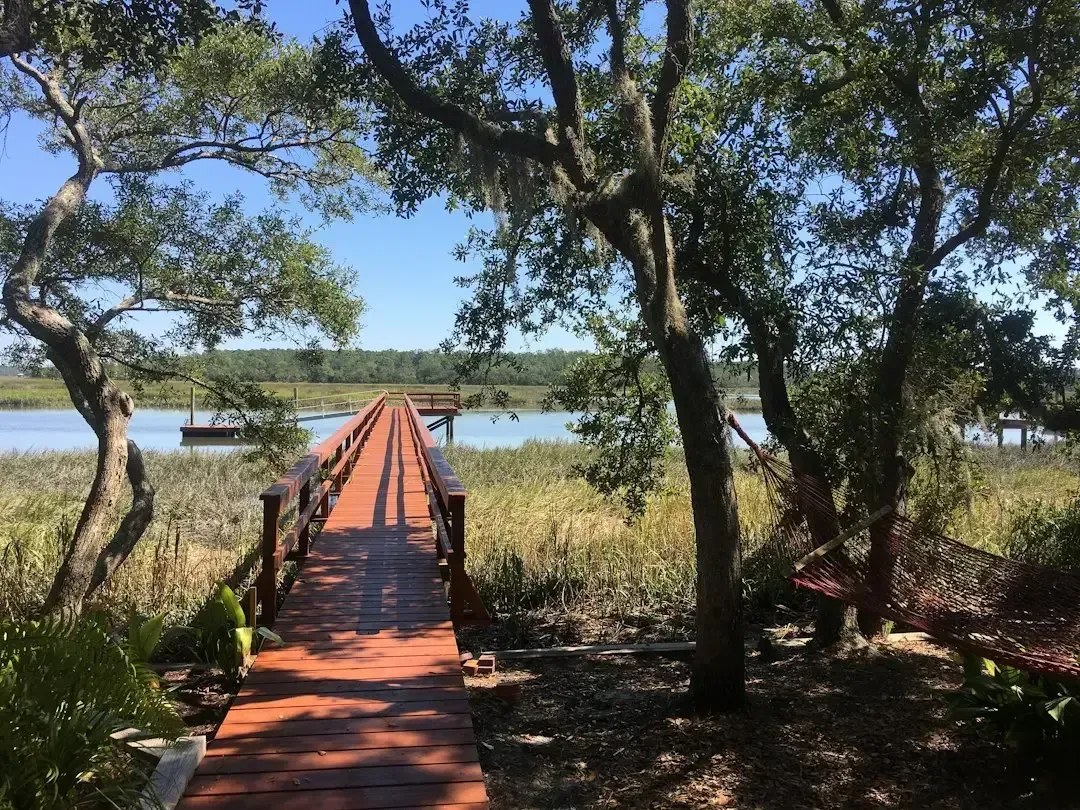
Beaufort sits on the coast between Charleston and Savannah, and it somehow avoids the crowds that both of those cities pull in. Spanish moss drapes over live oaks lining streets filled with antebellum homes, many of which have appeared in films precisely because the town looks almost too picturesque to be real. The waterfront moves at its own pace, with shrimp boats coming in and locals sitting on porches that face the Beaufort River.
What keeps people lingering here isn’t just the scenery, it’s the rhythm. Life in Beaufort doesn’t rush, and visitors often say that’s the exact thing they didn’t know they needed. The historic district is walkable, the seafood is fresh off the boats, and the sense of Lowcountry hospitality feels genuine rather than performed for tourists.
Bar Harbor, Maine
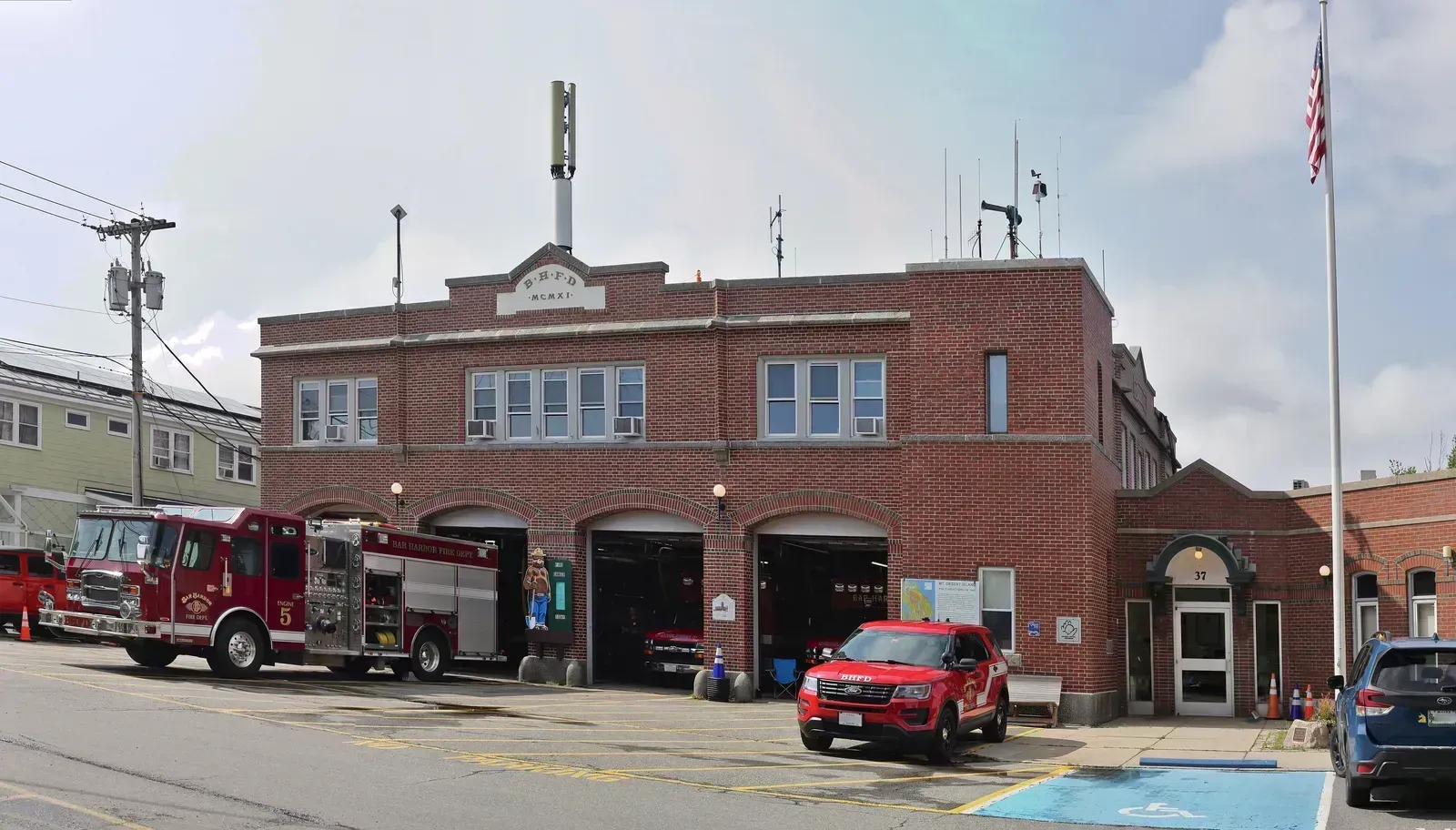
Bar Harbor works as the gateway to Acadia National Park, but it holds its own as a destination even without the park next door. Granite peaks meet the Atlantic here, and the town’s compact downtown is filled with lobster shacks, small galleries, and views of Frenchman Bay that shift color depending on the hour. Summers bring a steady flow of hikers and boaters, while the shoulder seasons show off the coast in quieter, arguably more striking ways.
People who visit for a hiking trip often find themselves extending the stay for the food alone, particularly the lobster rolls that come straight from boats docked a few hundred yards away. The pace slows dramatically once the sun starts to set over the harbor, and that’s usually when visitors admit they’re already thinking about coming back. Acadia’s carriage roads, built without cars in mind, only add to the sense that this is a place designed for slowing down.
Fredericksburg, Texas
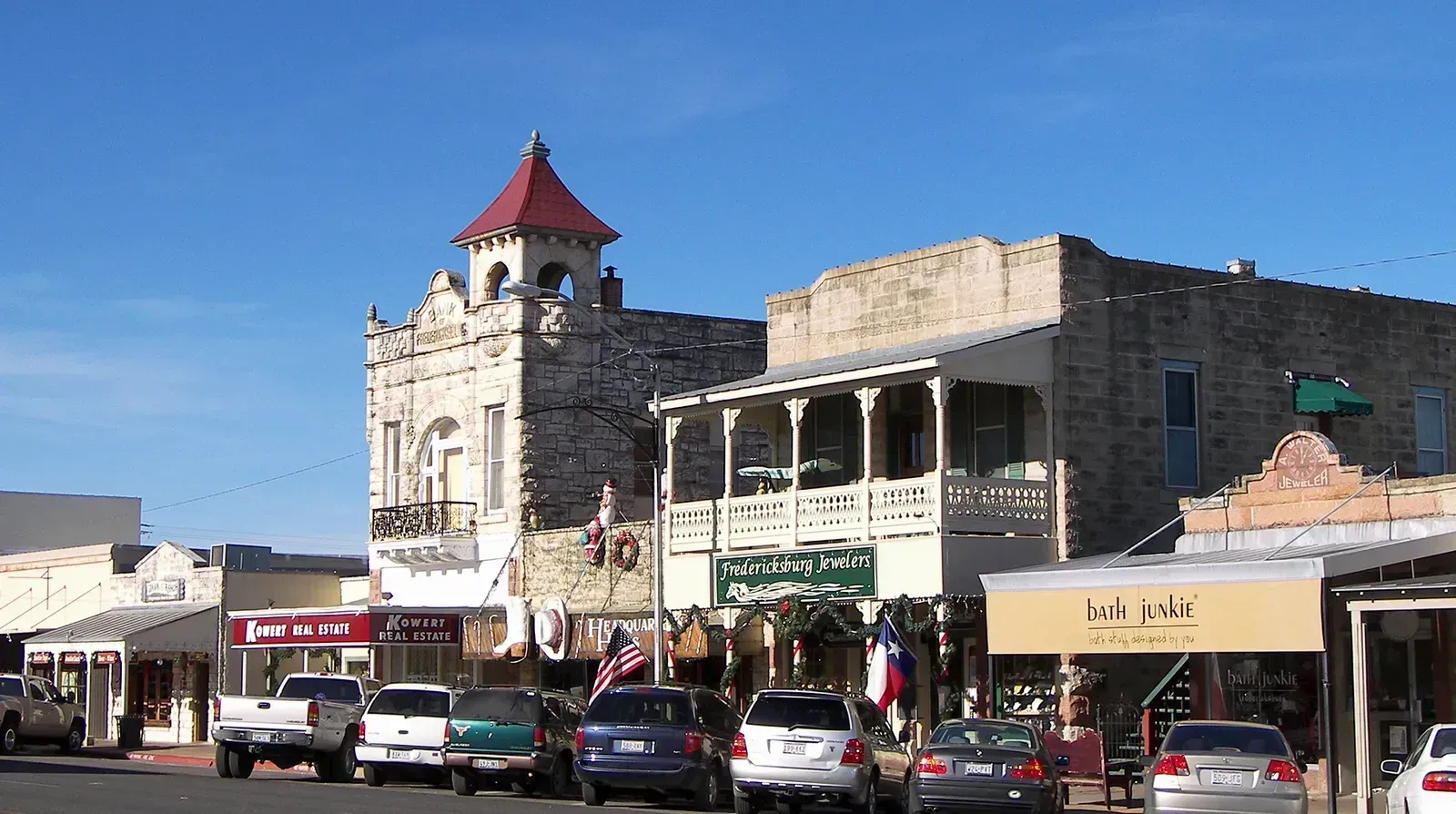
Fredericksburg sits in the Texas Hill Country and carries a strong German heritage dating back to settlers who arrived in the mid-1800s. That history shows up in the architecture, the beer halls, and the bakeries along Main Street, giving the town a character that feels distinct from anywhere else in Texas. It’s also become one of the state’s most active wine regions, with dozens of vineyards and tasting rooms scattered through the surrounding hills.
Visitors often plan a day trip and end up staying for a long weekend, pulled in by the wineries, the peach orchards in season, and a downtown that’s easy to wander without a strict itinerary. The combination of small-town warmth and genuinely good food and wine is rare enough that people notice it immediately. Locals will tell you the town gets busier every year, and the growth hasn’t stripped away the charm yet.
Mackinac Island, Michigan
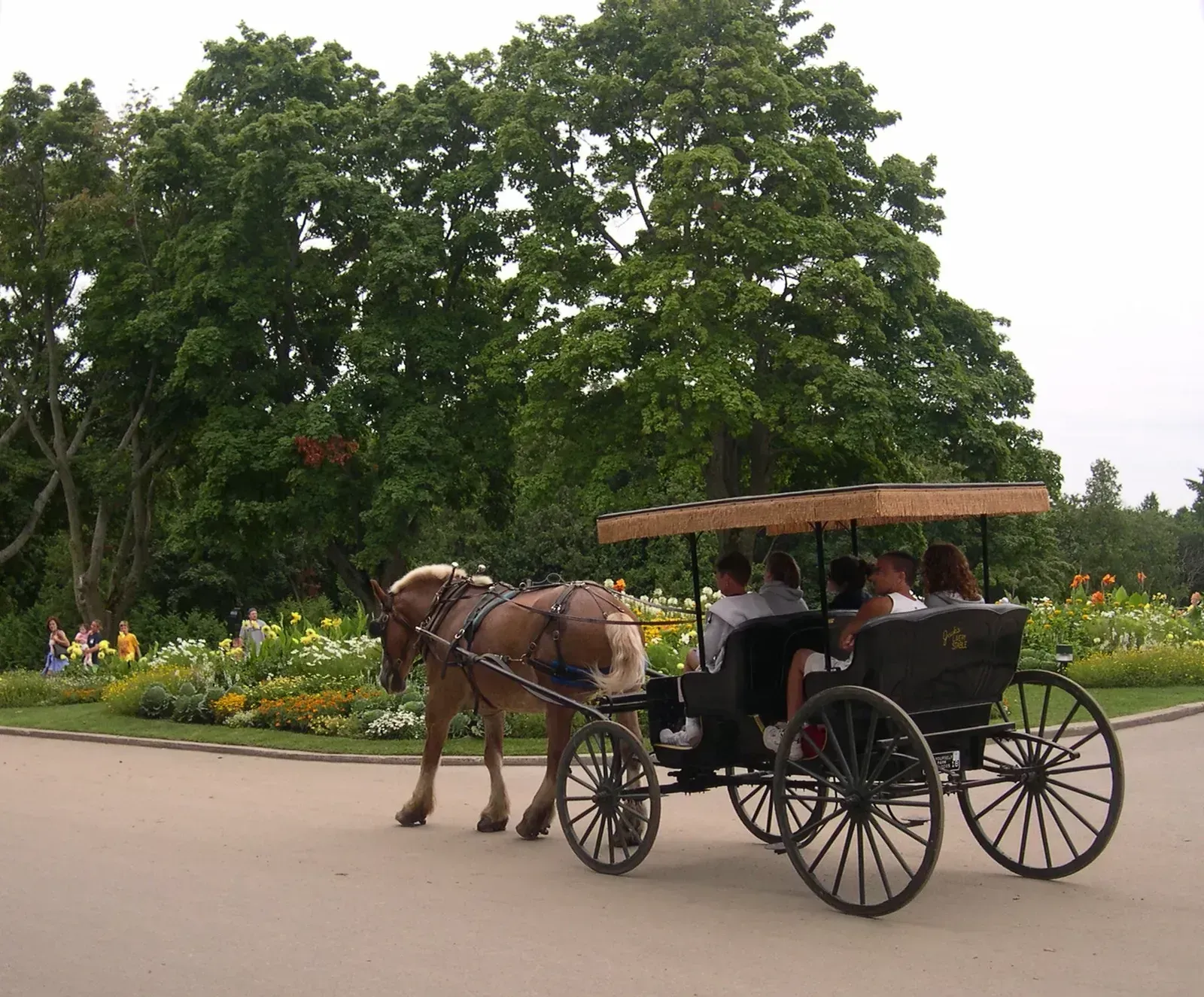
Mackinac Island bans motor vehicles entirely, so everyone gets around by bike, horse-drawn carriage, or on foot. That single rule shapes the entire experience, giving the island a quiet, almost suspended-in-time quality that’s hard to find elsewhere in the country. Victorian-era buildings line the main street, and the Grand Hotel, with its famously long porch, still anchors the island’s identity.
Visitors typically arrive expecting a novelty and leave planning a return trip. The fudge shops are a local institution, but the real draw is the sense of disconnection, no traffic noise, no rush, just the sound of horse hooves and lake water. Many describe it as one of the few places in America that genuinely feels like stepping into a different century.
Ashland, Oregon
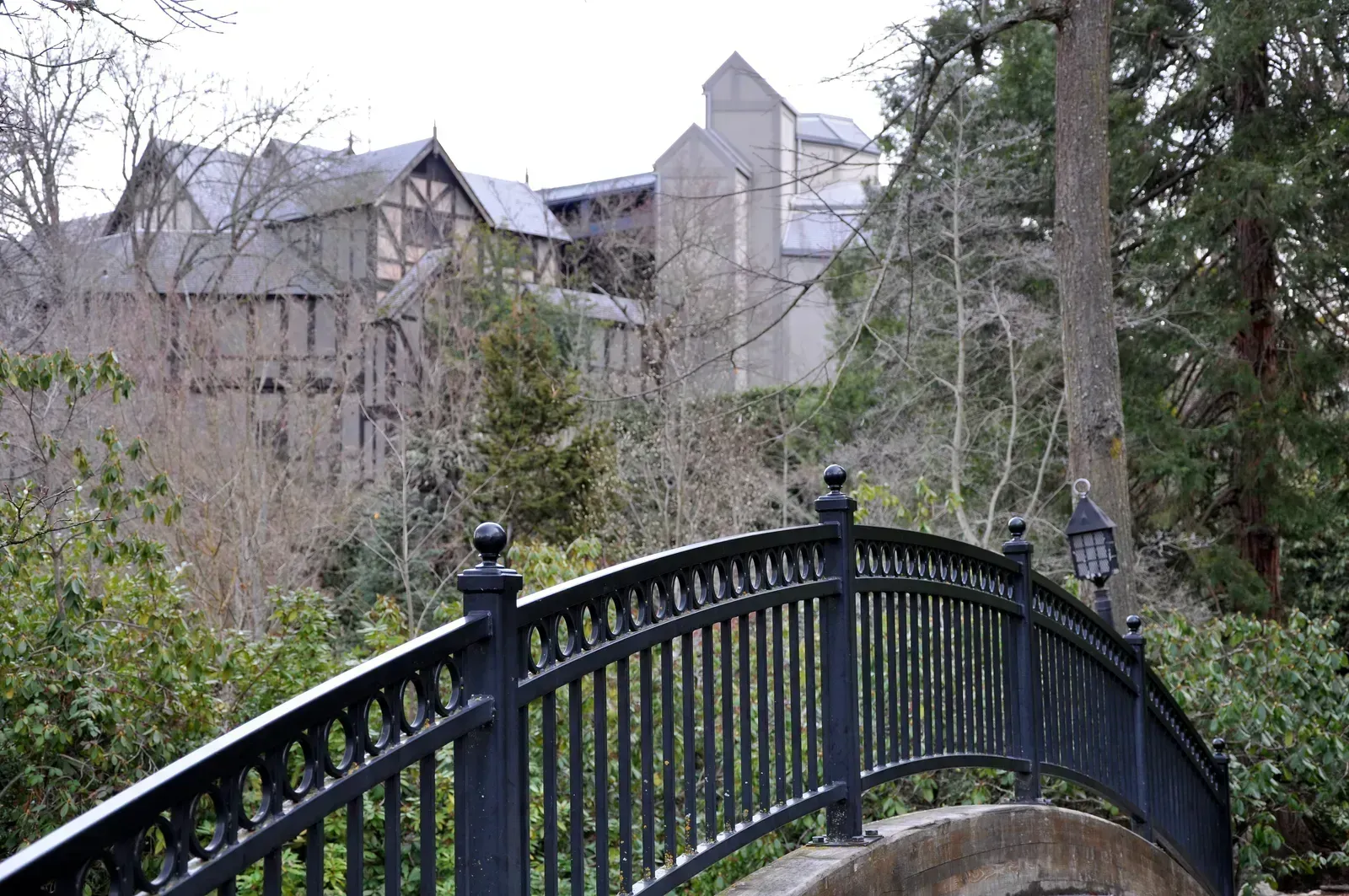
Ashland is best known for the Oregon Shakespeare Festival, which draws theater lovers from across the country to its historic stages each year. Beyond the festival, the town sits at the edge of the Siskiyou Mountains, giving it access to hiking trails, creeks, and forested parks within a short walk of downtown. The combination of culture and nature in one compact town is unusual, and it’s a big part of why people extend their visits.
Locals often mention the walkability as a major draw, since most of downtown, the park, and the theaters sit within a few blocks of each other. Restaurants and coffee shops lean into a laid-back, artsy feel that matches the town’s identity as a creative hub in southern Oregon. Visitors who come for a single play often end up booking tickets for two or three more before they leave.
Jackson, Wyoming
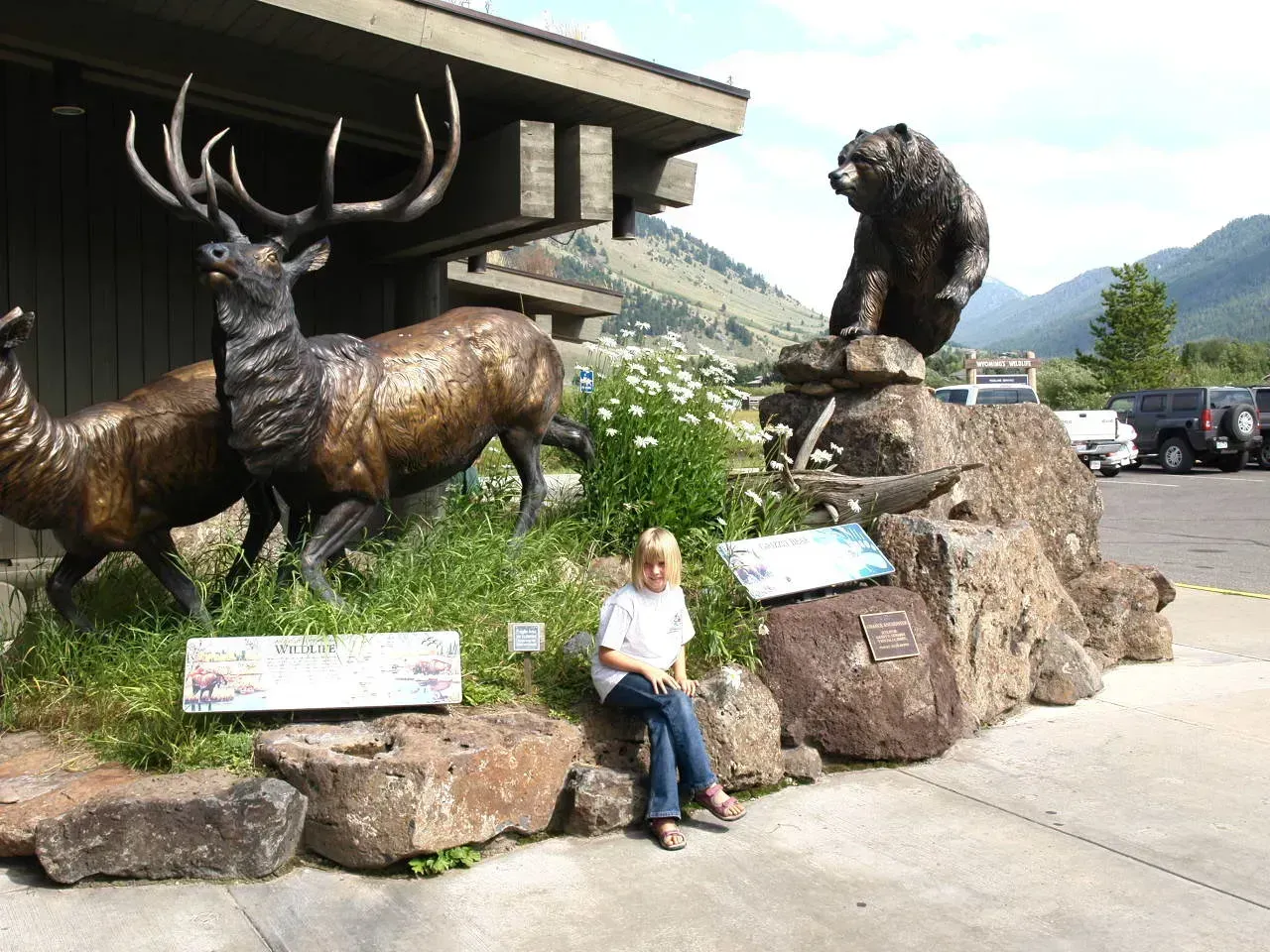
Jackson serves as the entry point to Grand Teton National Park and sits close enough to Yellowstone that many visitors treat it as a base for both. The town square, with its iconic elk antler arches, gives Jackson a distinct visual identity that photographs well but also just feels right in person. Surrounded by the Teton mountain range, the setting alone is enough to make people reconsider their travel plans.
What draws people back isn’t only the scenery, it’s the range of things to do, from skiing in winter to hiking and wildlife watching in summer and fall. The town has grown considerably in recent years, with real estate prices climbing as more people choose to relocate rather than simply visit. Still, the core appeal remains the same: mountains on every horizon and a downtown small enough to feel personal.





Leave a Reply