
Japan
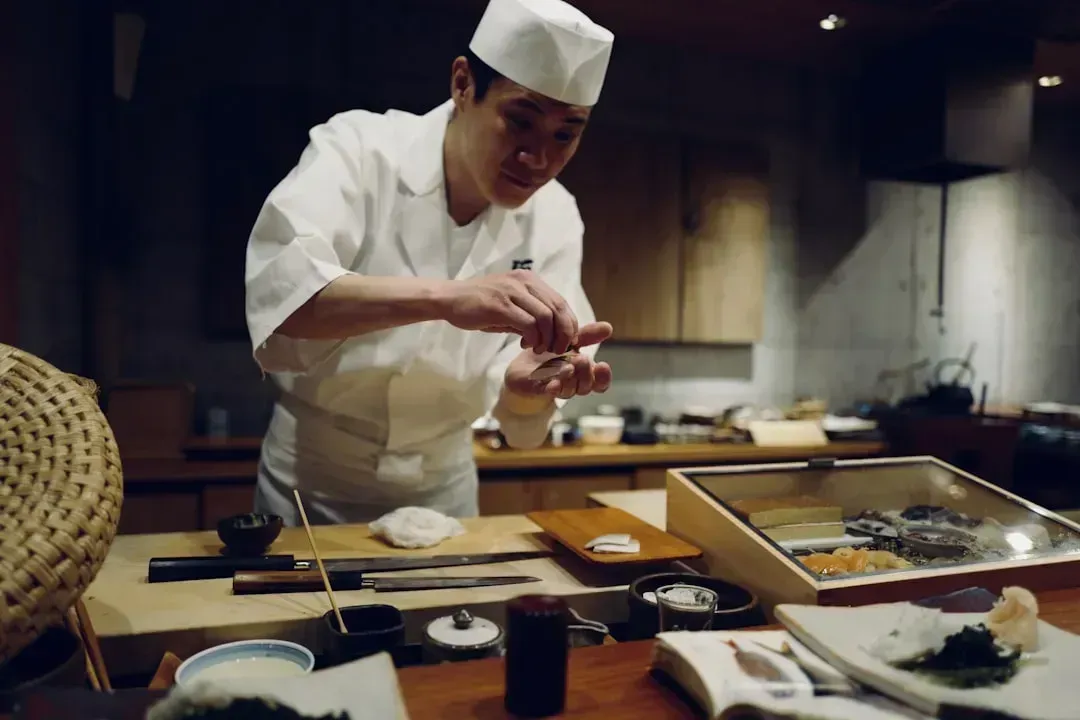
The philosophy of omotenashi, or wholehearted hospitality, means excellent service is a point of professional pride, not something requiring extra payment, and tipping implies the establishment doesn’t pay fair wages, or that you’re trying to buy preferential treatment. This runs deep enough that servers won’t just decline a tip quietly. Restaurant staff sometimes chase tourists down the street, waving forgotten bills, except that the money in question was a tip.
The instinct comes from a genuine misunderstanding rather than offense at first. The server assumes a mistake has been made rather than intentionally left extra money, reflecting a real cultural disconnect. If you want to show appreciation instead, a sincere verbal thank you goes further than cash ever could, and it won’t create an awkward chase scene on your way out the door.
South Korea
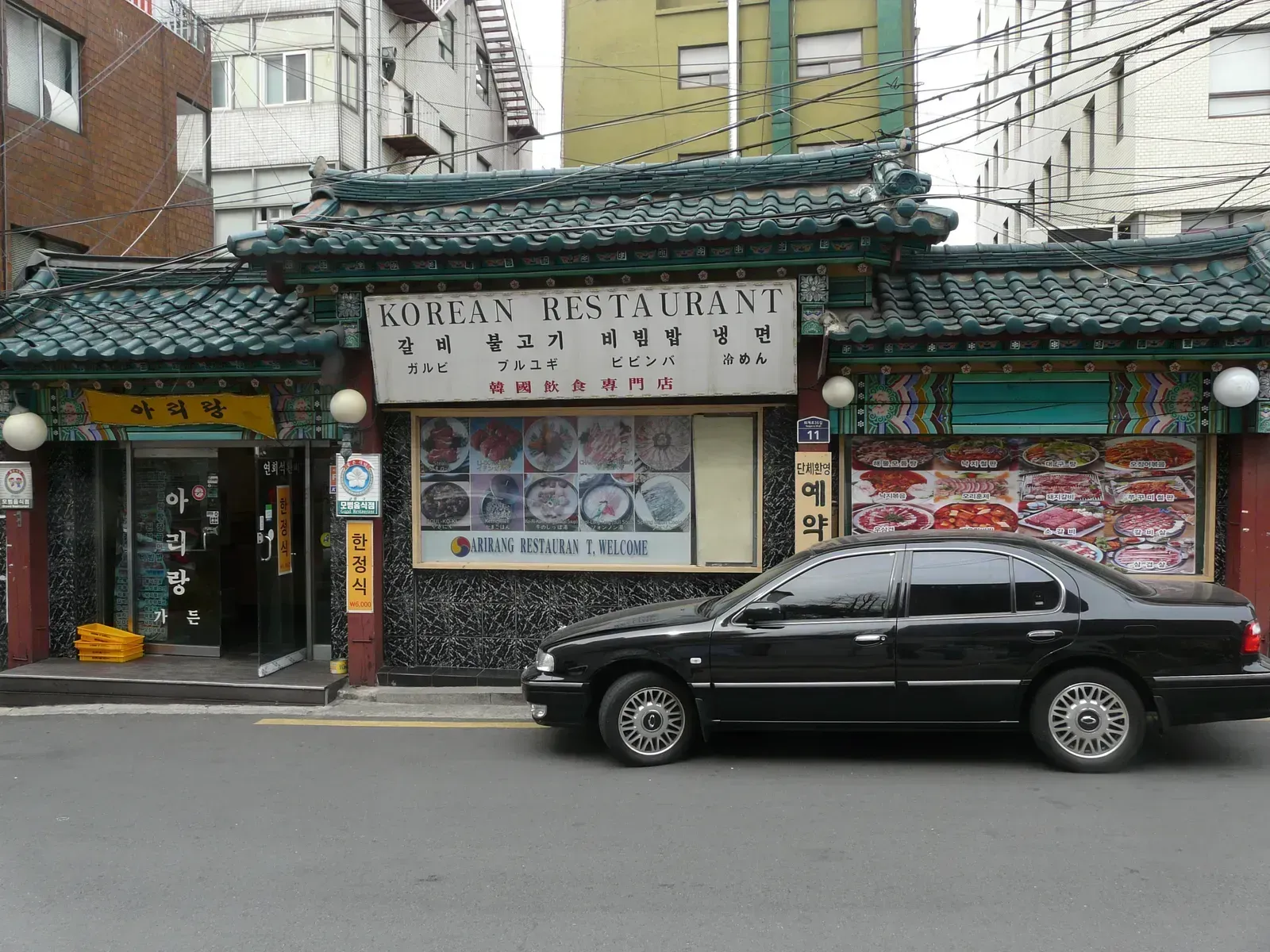
Korea shares Japan’s discomfort with gratuities, though for slightly different reasons. Tipping is not customary in South Korea because service employees are paid adequate wages, and many restaurant and hotel workers see tipping as a foreign practice that disrupts the existing wage system. The system simply wasn’t built around it.
Attempting to leave money on the table rarely ends with someone quietly pocketing it. If you try to give a tip, it will likely be declined. Menu prices already reflect the full cost of service, so what you see is genuinely what you owe, nothing more expected or implied.
China

Mainland China carries a longer historical wariness toward gratuities than most Western visitors expect. Once viewed as a capitalist practice, tipping still carries that stigma in China today, and it’s generally unnecessary in most places except luxury hotels catering to Western tourists. Outside those bubble environments, the custom simply doesn’t register as normal.
Try it at a neighborhood noodle shop and you’ll likely get confusion rather than gratitude. Beijing and Shanghai have absorbed Western culture in luxury hotels, but locals find the practice bewildering, and handing extra yuan to your server at a neighborhood restaurant will likely confuse them. Tour guides working with international groups are something of an exception, since they’ve grown used to foreign habits over the years.
Switzerland
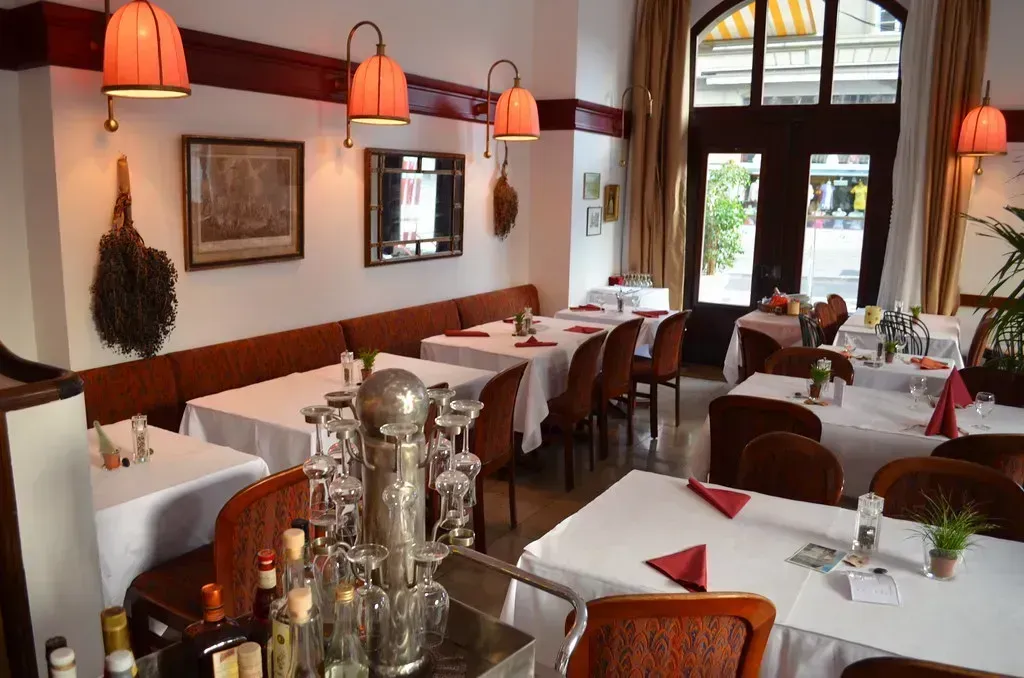
Swiss hospitality runs on a different logic entirely, one built around fixed, transparent pricing. Service charges are included in the listed price, so tipping isn’t expected, and with a high standard of living and strong worker rights, employees are well compensated, making an added tip generally seen as unnecessary. The math is already done for you before the check even arrives.
There’s also a matter of professional identity at play here. The Swiss take pride in efficiency and professionalism, and tipping implies they need performance-based incentives to do their jobs correctly. Rounding up a few francs is fine if you insist, but anything beyond that starts to feel like you’re questioning their competence.
New Zealand

New Zealand’s resistance to tipping is rooted less in pride and more in a broader social philosophy. Kiwis actively avoid the unequal dynamic that tipping creates, since hospitality workers earn salaries that don’t require customer supplementation. Wages, not gratuities, are meant to cover the cost of living.
Locals sometimes go out of their way to make this clear to confused visitors. Handing someone extra money can seem patronizing, as if you’re rewarding basic competence. Servers in tourist-heavy spots like Auckland might quietly accept a tip from a foreigner just to sidestep an awkward standoff, but it’s a courtesy to you, not an expectation on their end.
Iceland
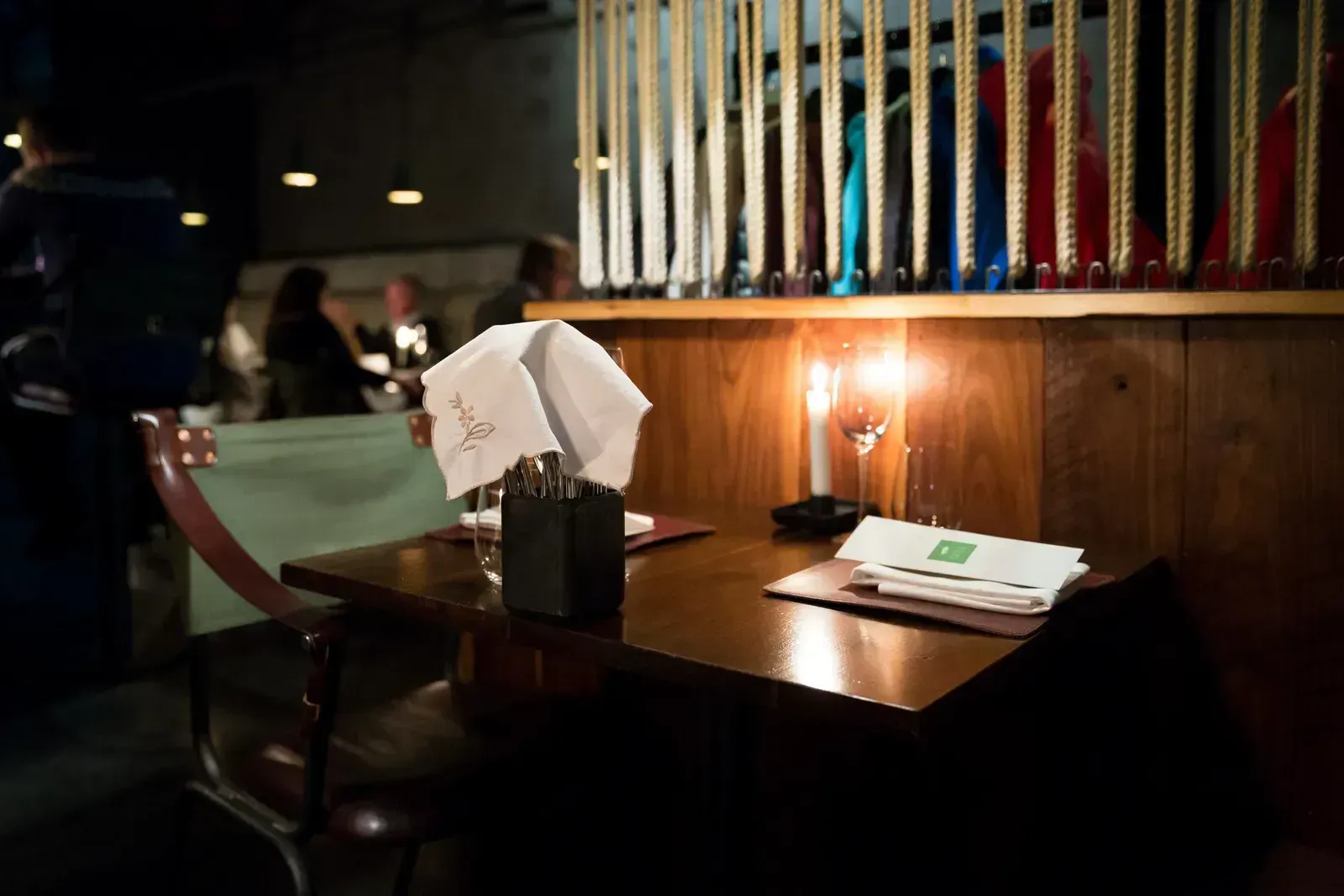
Iceland pairs a strong social safety net with one of Europe’s highest wage floors, and tipping barely registers as a concept. Tipping is not expected in Iceland, since service charges are already included in prices, whether dining at a restaurant, taking a tour, or renting a car, and locals generally do not tip, with visitors never judged for skipping it. The absence of a tip isn’t read as stinginess at all.
Icelanders are quick to reassure visitors on this point, since the misconception runs in the opposite direction from most countries. Tipping is not customary or expected in Iceland, this isn’t considered rude or unappreciative, it’s simply the cultural norm. If anything, over-tipping here tends to draw a puzzled look rather than a warm one.
Denmark
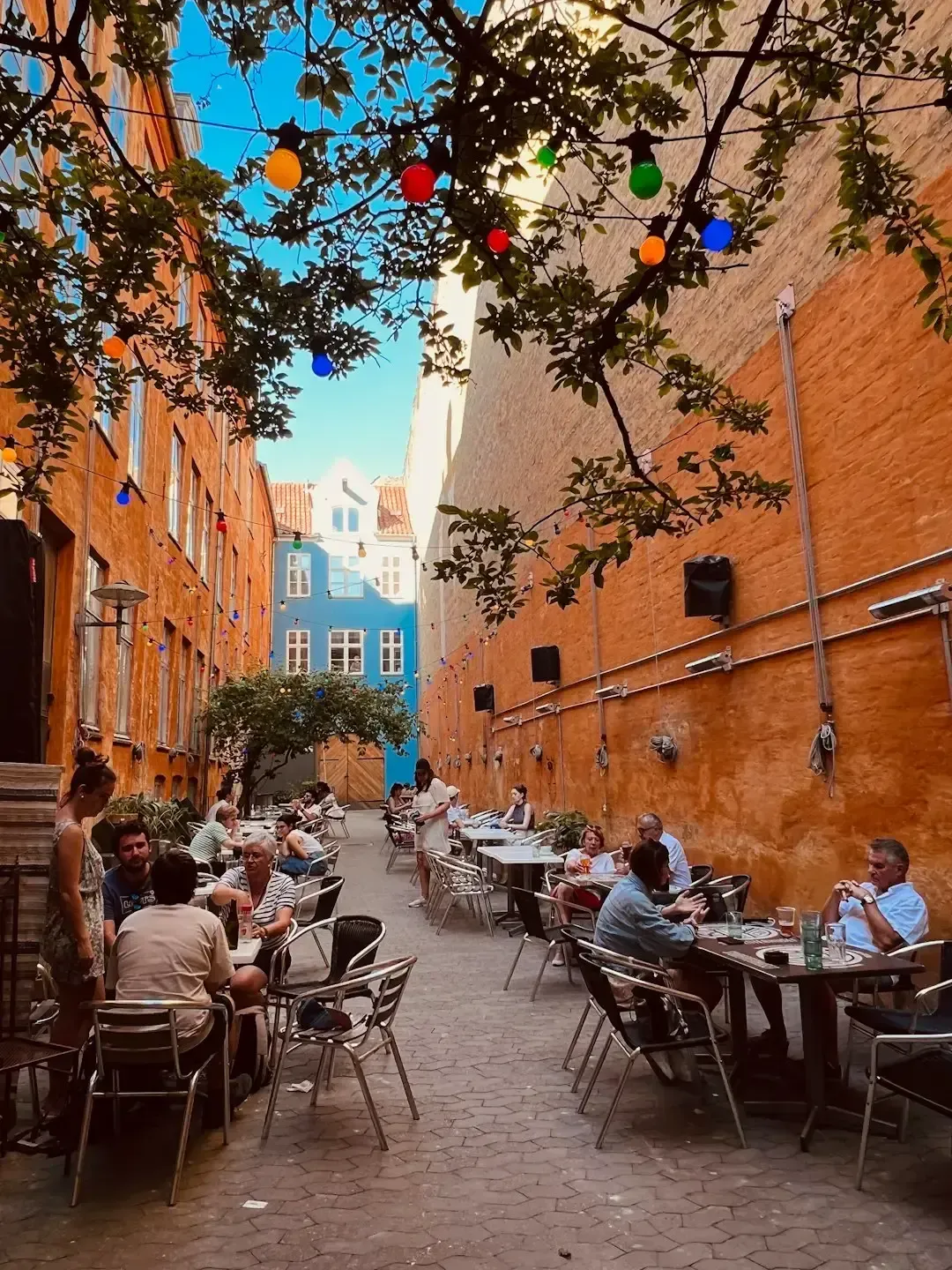
Denmark’s approach to tipping is tangled up with its broader commitment to social equality. Prices in Denmark already include service charges, and workers don’t expect additional money, since Danes value equality and prefer straightforward pricing rather than the uncertainty of tipping. The bill you see is meant to be the whole transaction, full stop.
None of this makes a small gesture of thanks unwelcome, just unnecessary. Tipping is not required in Denmark, as service is included in the bill, though rounding up or leaving small change is appreciated but not expected. A generous American-style twenty percent tip won’t offend anyone directly, but it does mark you fairly clearly as a tourist unfamiliar with the local system.
Belgium
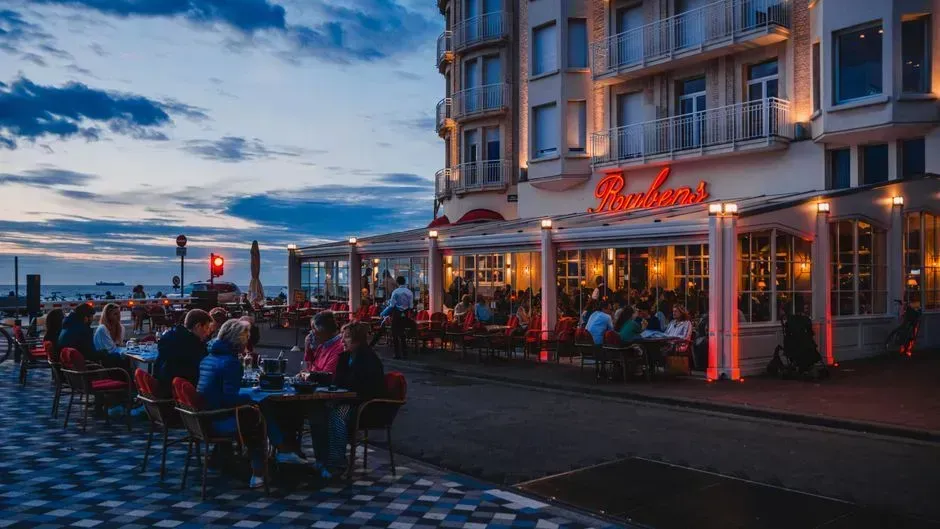
Belgium rounds out the list with a legally enforced version of the same principle found elsewhere on the continent. Belgian law requires service charges to be included in the price, ensuring workers are fairly compensated without relying on customer tips, so gratuities are often considered unnecessary and are rarely given. There’s nothing informal about this arrangement; it’s written into how restaurants are required to price their menus.
Locals treat a small rounding-up gesture as plenty. In Belgium, restaurants include a service charge in your bill, making additional tipping unnecessary, though Belgians might round up the bill slightly as a gesture of appreciation, while leaving a large tip could be seen as flashy or inappropriate, since service professionals take pride in their work and don’t expect extra payment. Anything more elaborate risks looking like a performance rather than genuine gratitude.
Final thoughts






Leave a Reply