
Moldova: Europe’s most affordable base
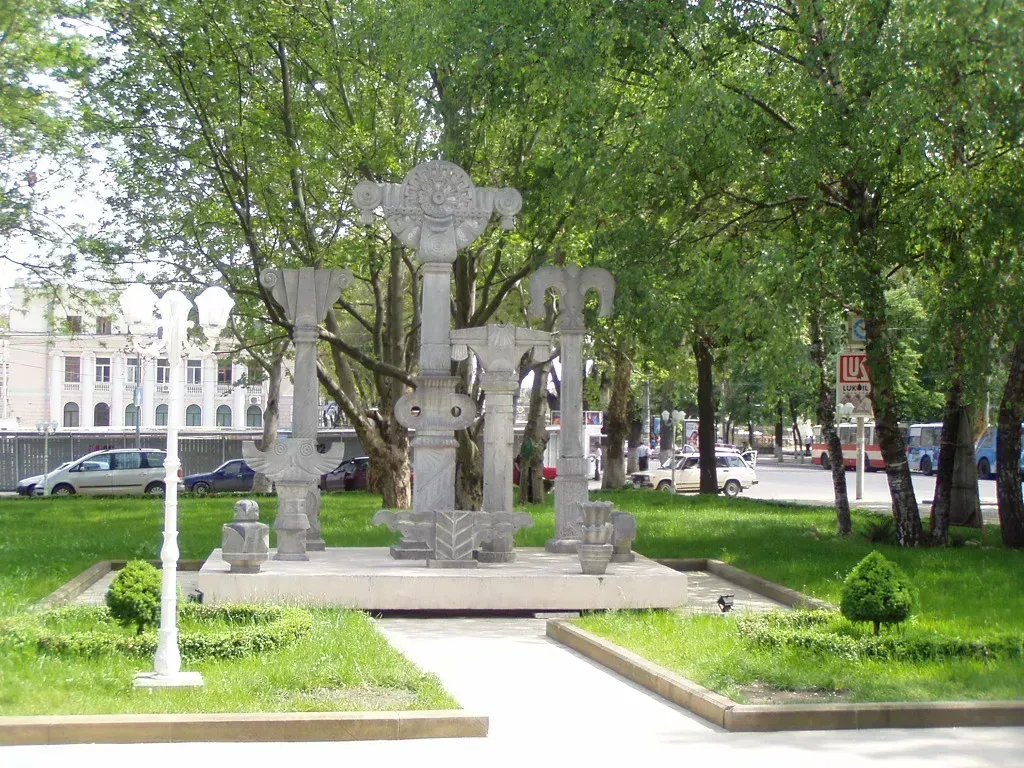
Moldova consistently tops the affordability charts, and the numbers back it up. Moldova is the cheapest European country to live in in 2026, according to Numbeo’s Cost of Living Index, combining low living costs with favorable taxes, strong job markets, and residency pathways. In the capital, a single person needs around £515 per month without rent, while a family of four requires roughly £1,726, and renting a one-bedroom apartment in the city centre adds about £510 on average.
Housing here is genuinely cheap by European standards. Housing in Moldova is remarkably affordable, with a modern furnished one-bedroom apartment in Chisinau’s city center renting for €400 to €500 a month, while older buildings go for €200 to €350. Add in surprisingly fast internet and a growing coworking scene, and it’s easy to see why remote workers have started paying closer attention to this quiet wine-producing country between Romania and Ukraine.
North Macedonia: Balkan value without the crowds

North Macedonia rarely gets the attention that Croatia or Montenegro do, yet it consistently ranks among the cheapest places to settle down. For people whose priority is maximizing their budget, this is one of Europe’s strongest options, with a single person spending an estimated €510 per month excluding rent and a family of four spending around €1,790. That leaves noticeably more breathing room in the monthly budget than most other spots on the continent.
Housing costs reinforce the appeal. Renting a one-bedroom apartment in Skopje costs about €270 per month in the city center and around €210 outside it, making long-term living accessible even on a modest income. Its location doesn’t hurt either, since North Macedonia sits in the center of the Balkans, making it easy for residents to reach neighboring countries such as Greece, Bulgaria, Albania, and Serbia by road, which simplifies weekend trips and cross-border travel.
Bosnia and Herzegovina: Affordable capital living
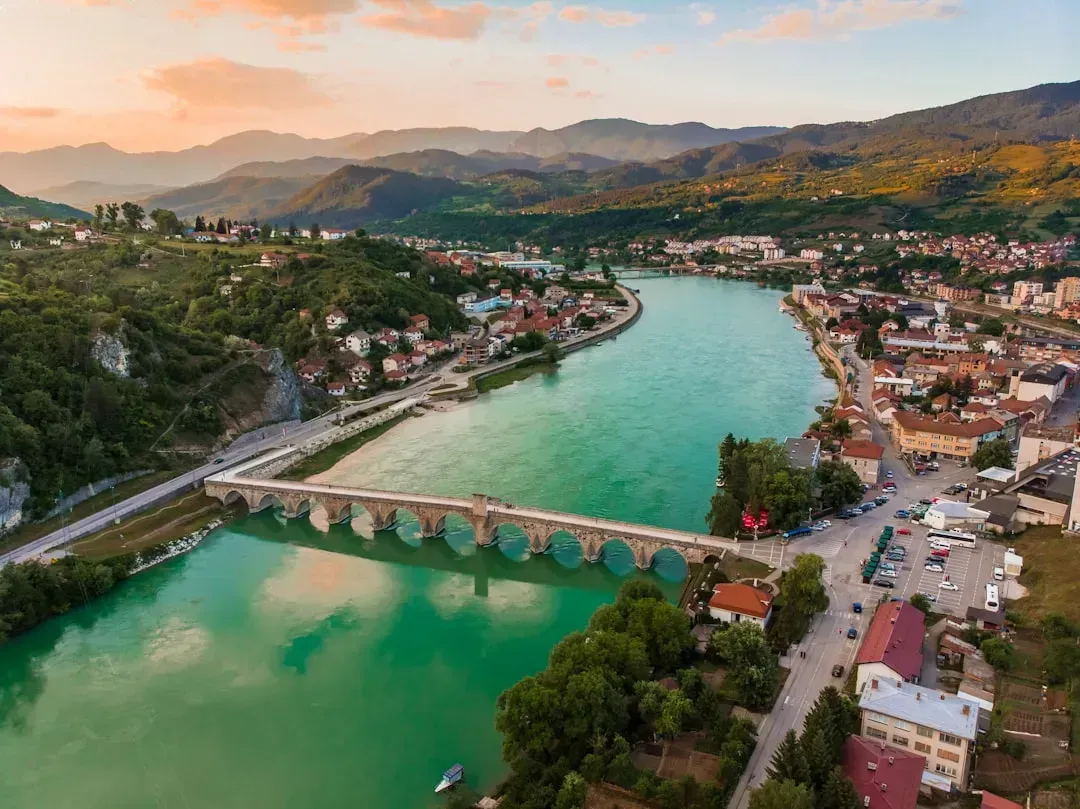
Sarajevo has a reputation for history and mountains, but it’s the price tag that keeps drawing in budget-conscious expats. Bosnia and Herzegovina is one of Europe’s most affordable countries, with costs roughly 35% below the EU average, and a single expat can live well in Sarajevo for €800 to €1,200 a month. Outside the capital, prices drop even further.
Rent is where the savings really show. The average rent for a one-bedroom apartment in the city center is $251 nationally, with capital rent at $440 in Sarajevo compared to just $176 in smaller cities like Gradiska. The convertible mark’s peg to the euro also adds a layer of predictability that some neighboring currencies don’t offer, which matters for anyone budgeting long term.
Serbia: Belgrade’s shifting price tag
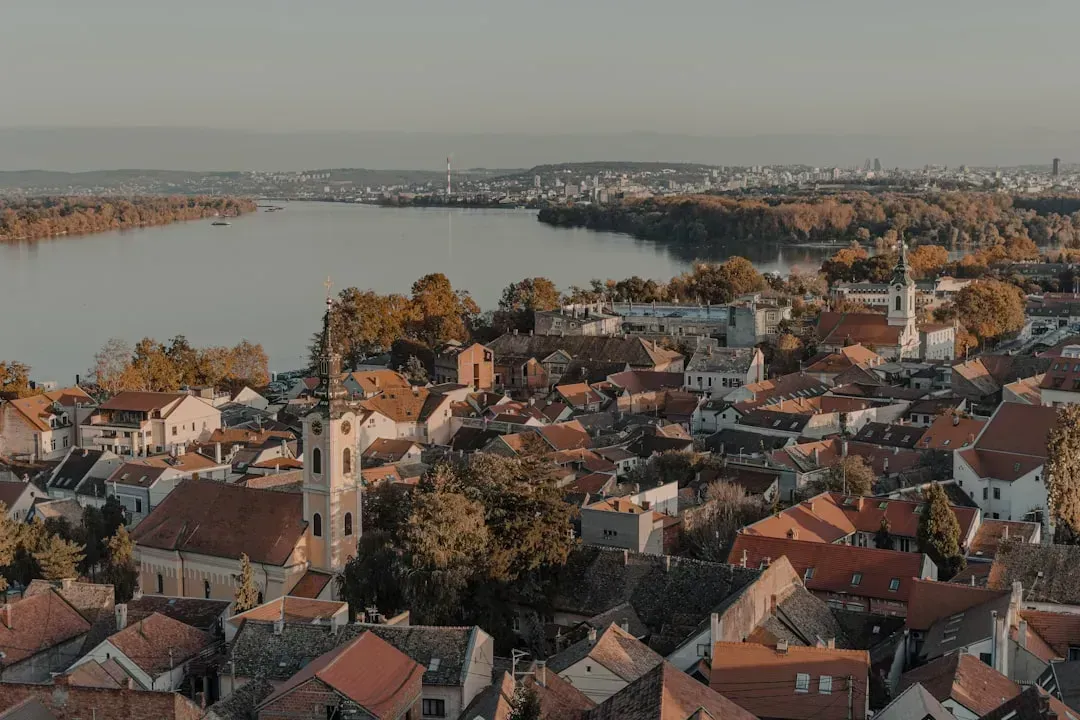
Serbia sits in an interesting middle ground. Away from the capital, it remains genuinely cheap, but Belgrade itself has crept upward as foreign investment pours in. A single person in Serbia needs approximately €714 a month for a comfortable lifestyle, including rent of €380, groceries of €140, transport of €45, and utilities of €85, with a cost of living index of 42.6 out of 100 compared to New York City.
Belgrade specifically has become pricier than many expect. Russians and Turks are pumping significant money into residential developments, and in general the cost of living there is now the highest of all the ex-Yugoslav countries and Southeast Europe. Smaller cities like Niš tell a different story entirely, where central rentals can be found for €150 to 250 per month.
Bulgaria: The European Union’s budget champion
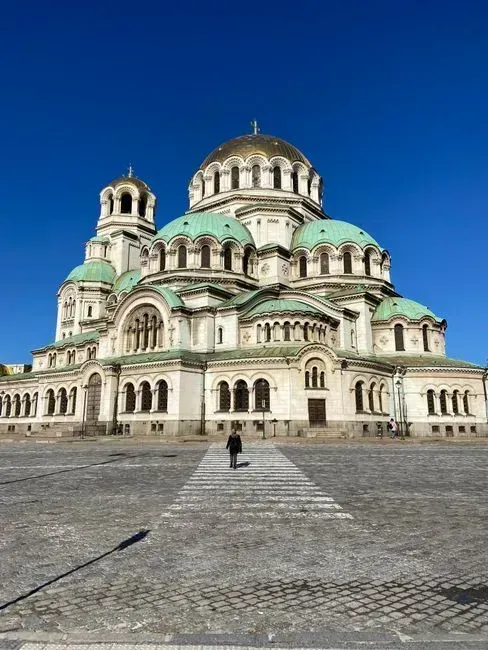
Bulgaria holds a specific distinction: it’s typically cited as the least expensive country actually inside the EU. Bulgaria consistently ranks as the cheapest EU country to live in, with Sofia offering monthly living costs around 50 to 60% lower than Western European capitals. That combination of EU membership and rock-bottom prices is rare and explains a lot of its appeal to retirees and remote workers alike.
In practical terms, the numbers are easy to plan around. Sofia offers a cost of living around €1,100 a month and is a full EU member. Outside the capital, costs fall further still, and the country’s flat tax rate has long made it a favorite among freelancers looking to keep more of what they earn.
Albania: The Balkans’ best-value coastline

Albania often shows up at or near the top of every affordability ranking, and the Adriatic coastline gives it an edge over some of its landlocked neighbors. Albania is the cheapest European country to live in 2026 for most people, with average living costs of around €700 to €800 per month including housing, and it consistently ranks as the lowest or near-lowest in Europe’s cost of living indexes.
Beyond the capital, Tirana, the savings multiply. Coastal towns like Kotor and Budva can bring costs as low as €700 to €1,000 a month. Combine that with warm weather most of the year and a relatively short flight from major Western European hubs, and it’s not hard to understand why Albania keeps attracting long-term visitors on tight budgets.
Romania: Fast internet, low prices
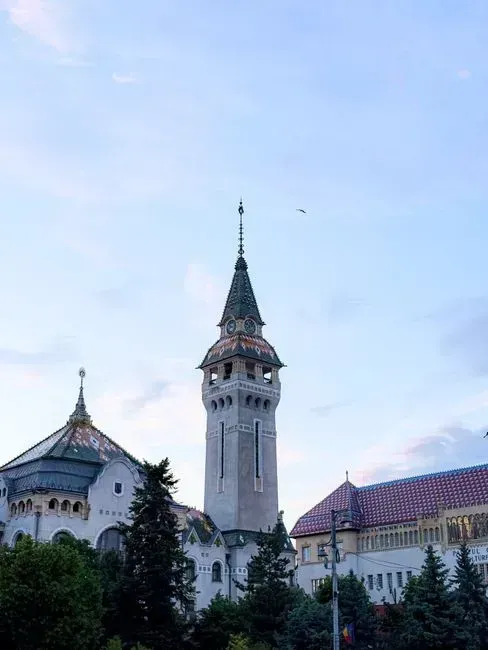
Romania offers something a little different from its Balkan neighbors: real digital infrastructure paired with genuinely low living costs. Romania remains one of the lowest-cost EU destinations while still providing EU-level mobility and benefits, and it boasts one of the fastest internet speeds in Europe at extremely low prices, with the cost of living only a third of that in London or Paris.
Cities beyond Bucharest have become particular draws for remote workers. Outside Bucharest, monthly expenses often run 40 to 50% below the EU average, with cities like Cluj-Napoca and Timișoara combining affordability with strong tech scenes and reliable infrastructure. That mix of low cost and modern amenities is increasingly rare in Europe.
Hungary: Affordable outside the capital
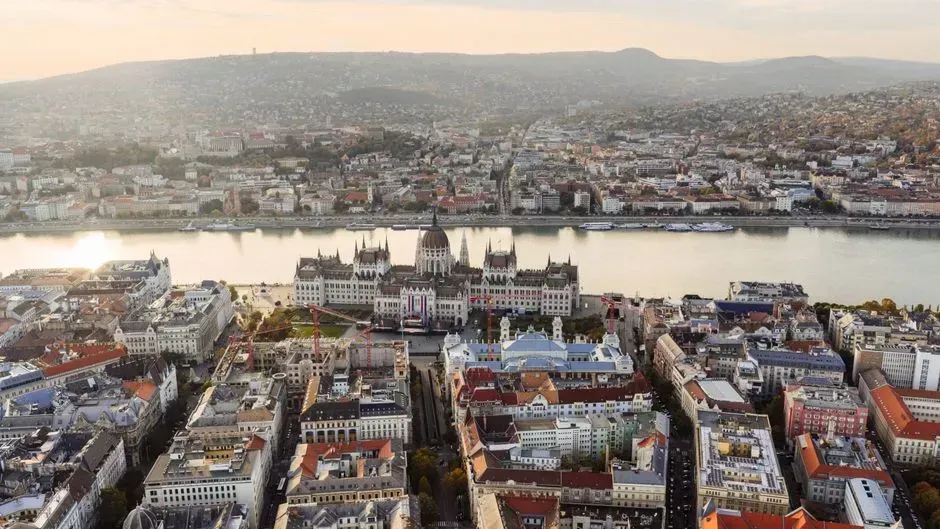
Hungary rounds out this list, though the story here depends heavily on which city you choose. While Budapest has seen some price increases, Hungary remains among the cheapest countries in Europe to live in, especially in smaller cities like Debrecen or Pécs, where monthly living costs typically run 30 to 40% below Western European averages.
Budapest itself still undercuts most Western capitals by a wide margin. Budapest is significantly cheaper than Vienna despite being just a few hours away. The country also sweetens the deal for remote workers, since Budapest offers a specific White Card for digital nomads and a highly favorable 15% flat income tax rate.
What this means for anyone planning a move


Leave a Reply