
1. Chad – the lowest adult literacy rate on earth
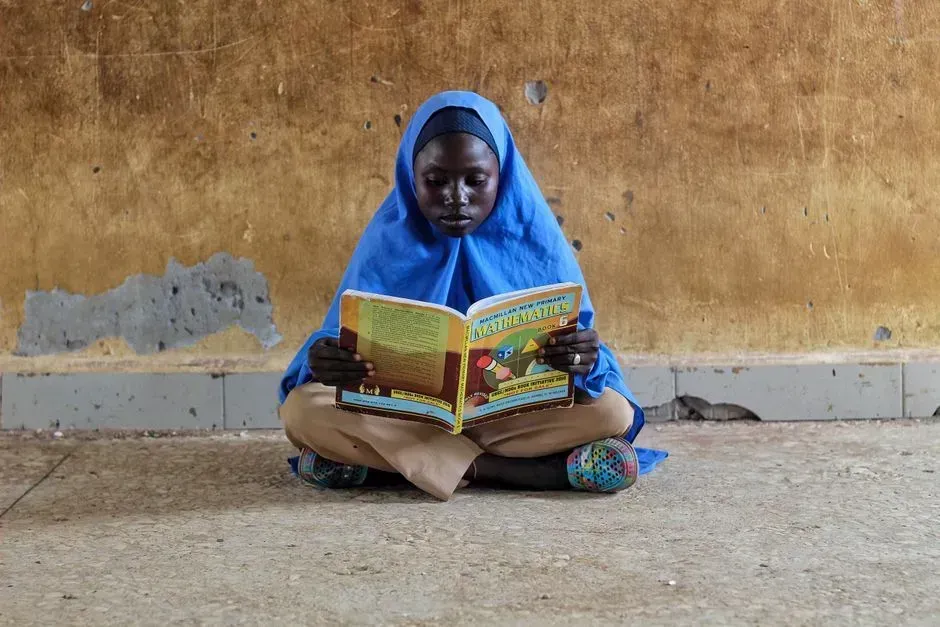
Chad currently sits at the very bottom of global literacy rankings, with an adult literacy rate concentrated around 30.63%, where access to education remains limited. The gender gap compounds the problem severely, since female literacy is just 18.2%, compared to 35.4% for men.
Money is a huge part of the story here. With a large share of the population living below the poverty line, the country allocates only a small fraction of GDP to schooling, and adults in Chad average just 2.3 years of schooling, a number that encapsulates decades of conflict, displacement, and systemic underinvestment in one of the world’s most remote regions.
2. Mali – schooling that barely lasts eighteen months
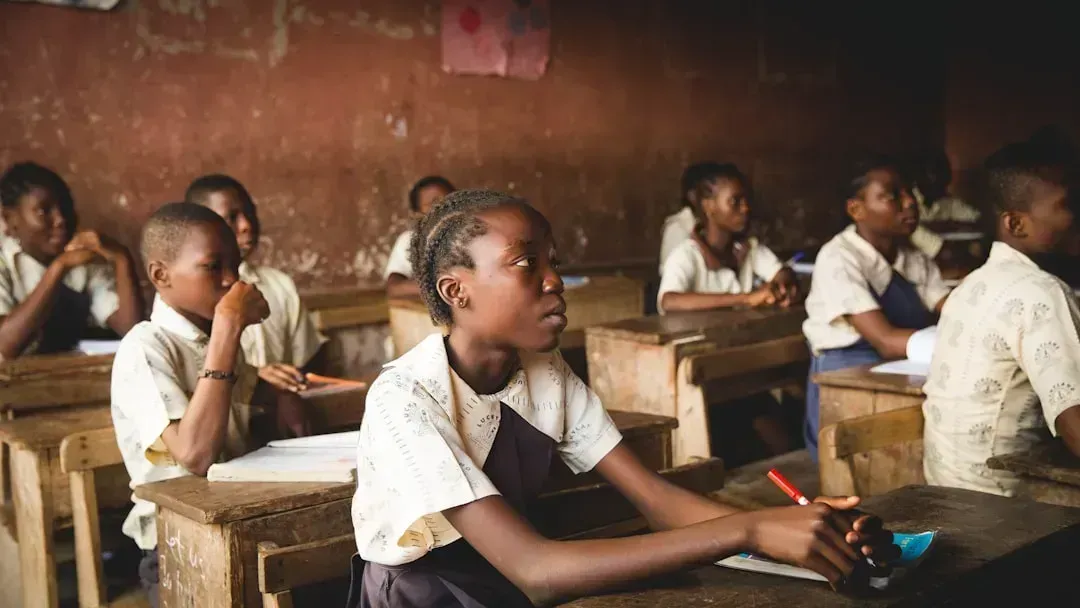
Mali sits right alongside Chad at the bottom of the pile. The country has an adult literacy rate of around 31% and an average of just 1.6 years of schooling for adults, a figure that is startling once you realize a single year of primary school typically covers only the basics of reading and counting.
Insecurity across the northern regions has made it difficult to keep schools open consistently. On the literacy front, the gender split runs 25.7% for women versus 46.2% for men, reflecting a pattern seen across much of the Sahel where families with limited resources tend to prioritize sons over daughters when deciding who attends school.
3. South Sudan – progress interrupted by crisis after crisis
South Sudan’s education numbers have barely moved in recent years, and it’s not hard to see why. As one UNICEF Education Officer has noted, the literacy rate may not have improved much due to multiple challenges the country has been grappling with, including conflicts, floods, the impact of COVID-19, and economic crisis.
There have been genuine attempts to turn this around. The UK-funded Girls’ Education South Sudan programme has provided cash transfers to roughly a million girls since 2014, with successor programmes continued support into 2024 and 2025. Still, repeated flooding and displacement keep interrupting the school calendar, making any gains difficult to lock in for good.
4. Niger – the fewest years of schooling of any nation
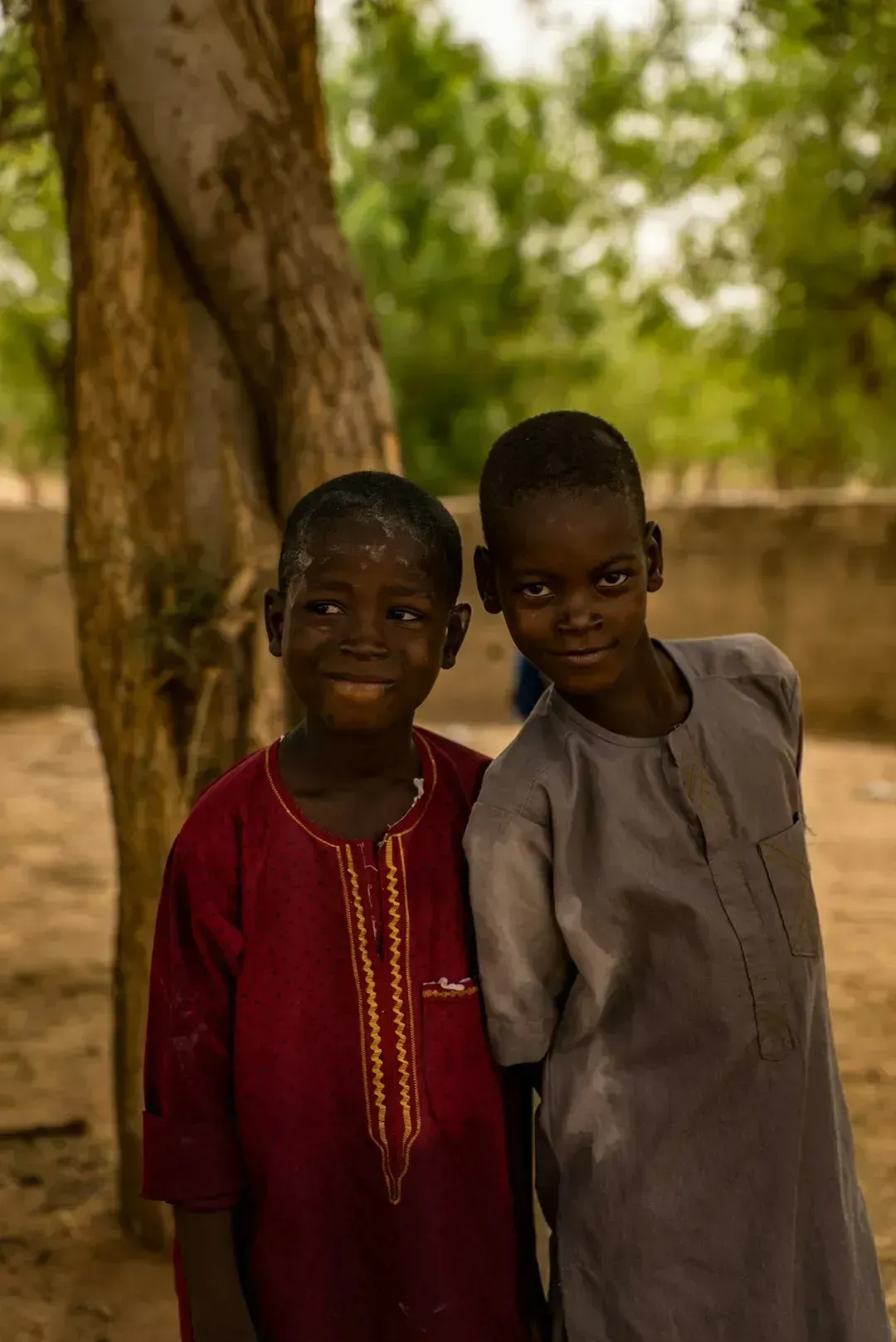
Of every country tracked by the UN’s Human Development Index, Niger records the lowest average educational attainment on record. Niger has the lowest average for educational attainment, at just 1.4 years of schooling out of an expected 8.3, a gap between potential and reality that is among the starkest of any human development indicator anywhere.
Regional instability hasn’t helped matters. Five years of heightened insecurity in the Sahel have nearly doubled the number of school closures, resulting in over 13,200 schools closed across eight countries, and while enrollment for young girls has ticked up slightly at the primary level, that hasn’t yet translated into better adult literacy figures.
5. Afghanistan – a generation locked out of the classroom
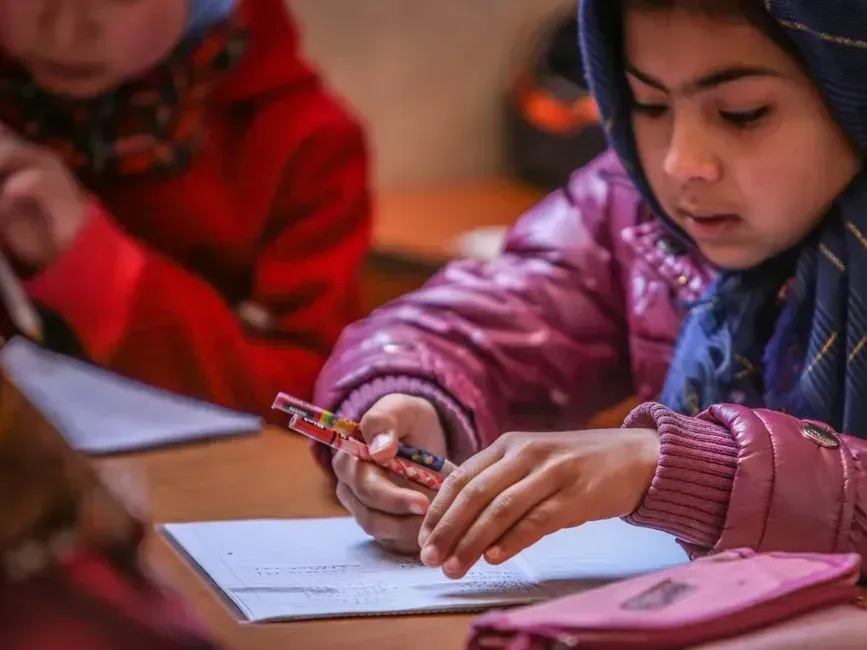
Afghanistan’s situation has deteriorated sharply rather than improved. It is now, according to available data, the only country in the world that has formally banned girls from attending secondary school and university, a policy introduced by the Taliban that reversed roughly two decades of educational progress almost overnight.
The human cost of that decision is difficult to overstate. According to UNESCO, 78% of young Afghan women are now neither in education, employment, nor training, and with only 22.6% of women able to read compared to 52.1% of men, Afghanistan holds the widest gender literacy gap tracked anywhere in the world.
6. Central African Republic – conflict meets a teacher shortage
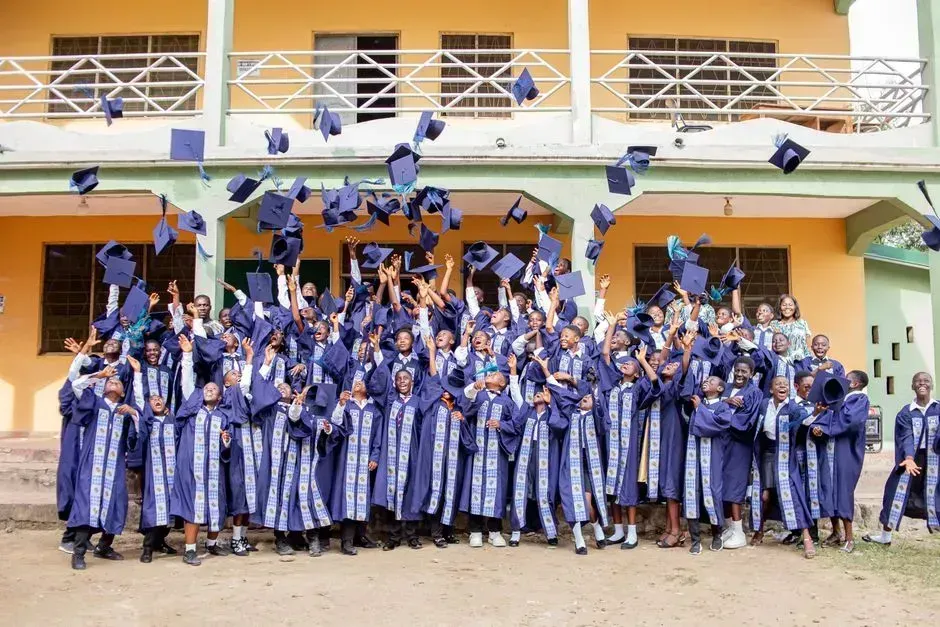
The Central African Republic continues to struggle under the weight of prolonged civil conflict. Literacy in the country sits at roughly 37.49%, a figure shaped as much by weak infrastructure as by ongoing instability.
A severe shortage of trained teachers makes the problem harder to fix. Poor roads and scattered rural populations mean that even when schools exist on paper, getting children to them consistently, and keeping qualified staff in place, remains a persistent obstacle for the government and aid organizations alike.
7. Somalia – decades of conflict, millions out of school
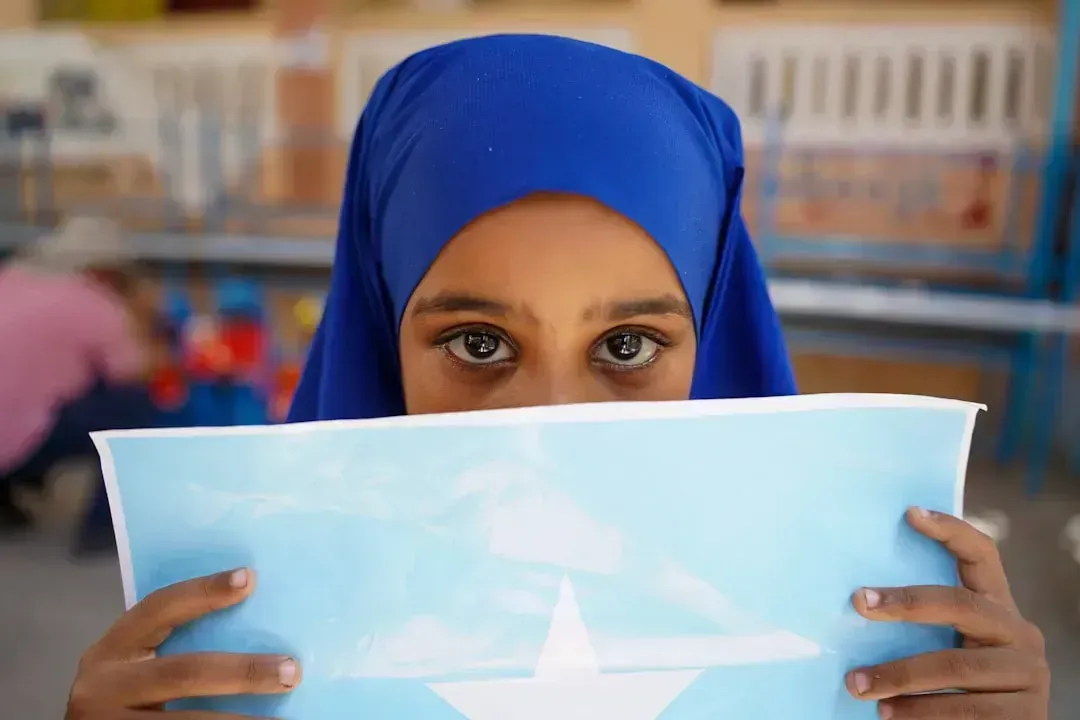
Somalia’s education system has been shaped by more than thirty years of intermittent conflict and weak central institutions. The result is stark: decades of conflict and weak institutions have left more than three million Somali children out of school, contributing to an adult literacy rate of about 41%.
Displacement plays a major role here too, since families forced to move repeatedly rarely have the stability needed to keep children enrolled. Aid groups have made some inroads in urban areas, but rural and nomadic communities remain largely disconnected from any formal schooling system.
8. Guinea – a stark gap between girls and boys
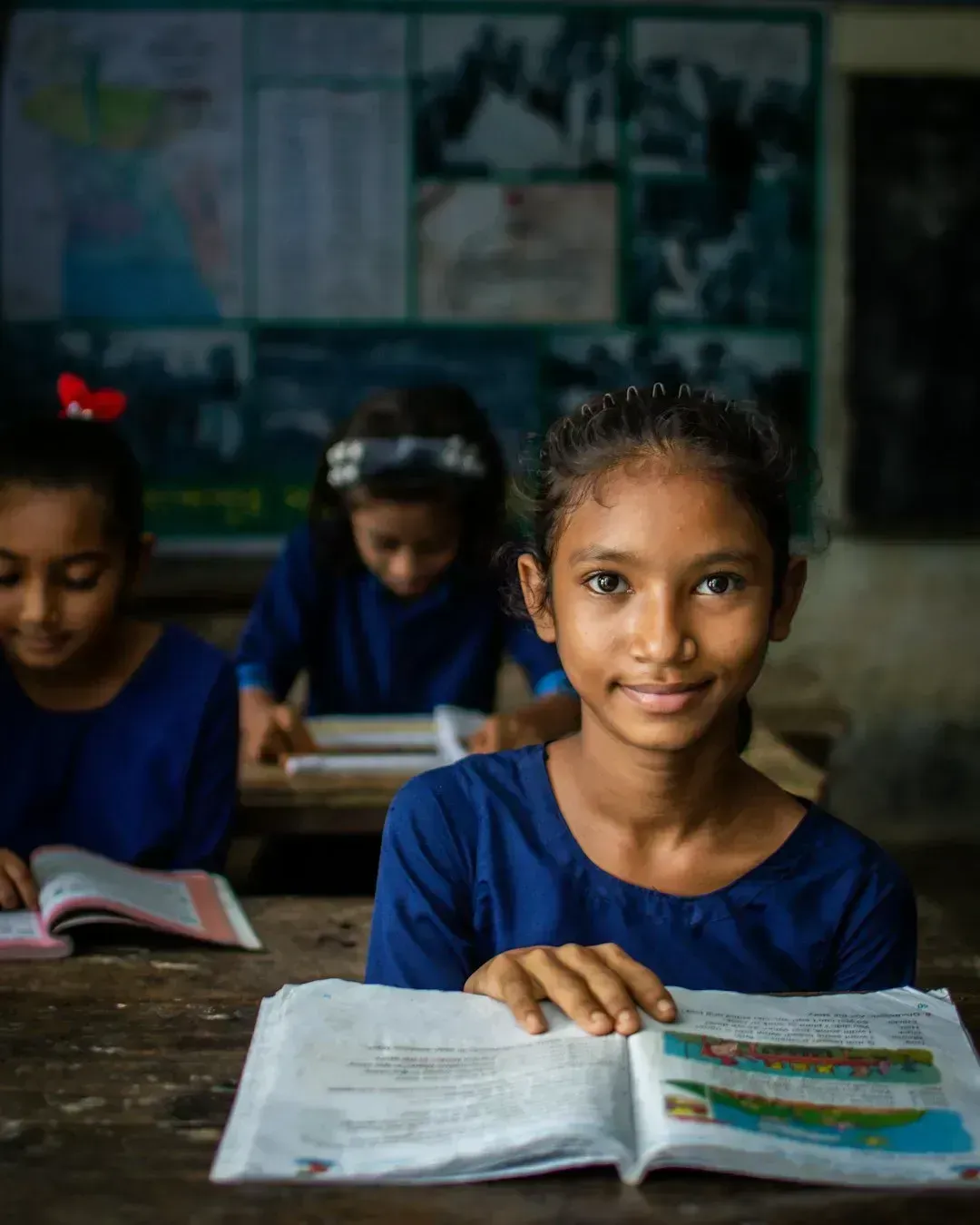
Guinea rounds out the list of the eight least educated countries, driven largely by one of the widest gender gaps on the continent. The gap between male and female literacy in Guinea runs at 29.9 percentage points, nearly matching the divides seen in Yemen and Afghanistan.
Rural isolation and underfunded schools compound the issue further. Girls in particular face barriers ranging from early marriage to a shortage of female teachers, which discourages many families from enrolling daughters at all, and without targeted investment in both infrastructure and teacher training, that gap looks likely to persist for years.
9. Canada – the world’s leader in tertiary attainment
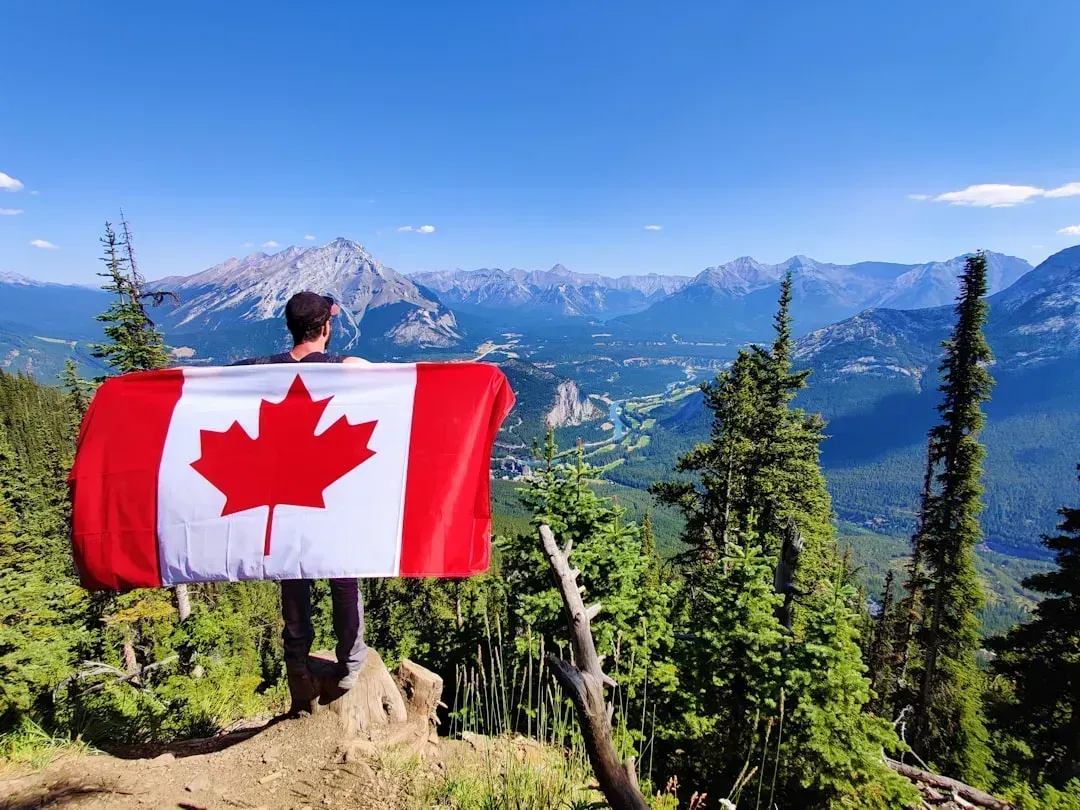
At the opposite end of the spectrum, Canada has firmly established itself as the most educated country in the world by one very concrete measure. According to the OECD’s Education at a Glance 2025 report, which compares educational attainment among working-age adults across 45 countries as of 2024, Canada tops the list with nearly 65% of adults holding a college or university degree.
That figure places Canada well ahead of every other OECD member on this particular measure. Canada leads in the G7 as having the most educated workforce, a position it has held for several consecutive OECD reporting cycles, a reflection of decades of policy that treats post-secondary education as broadly accessible rather than reserved for a select few.
10. Japan – near-universal literacy paired with high attainment
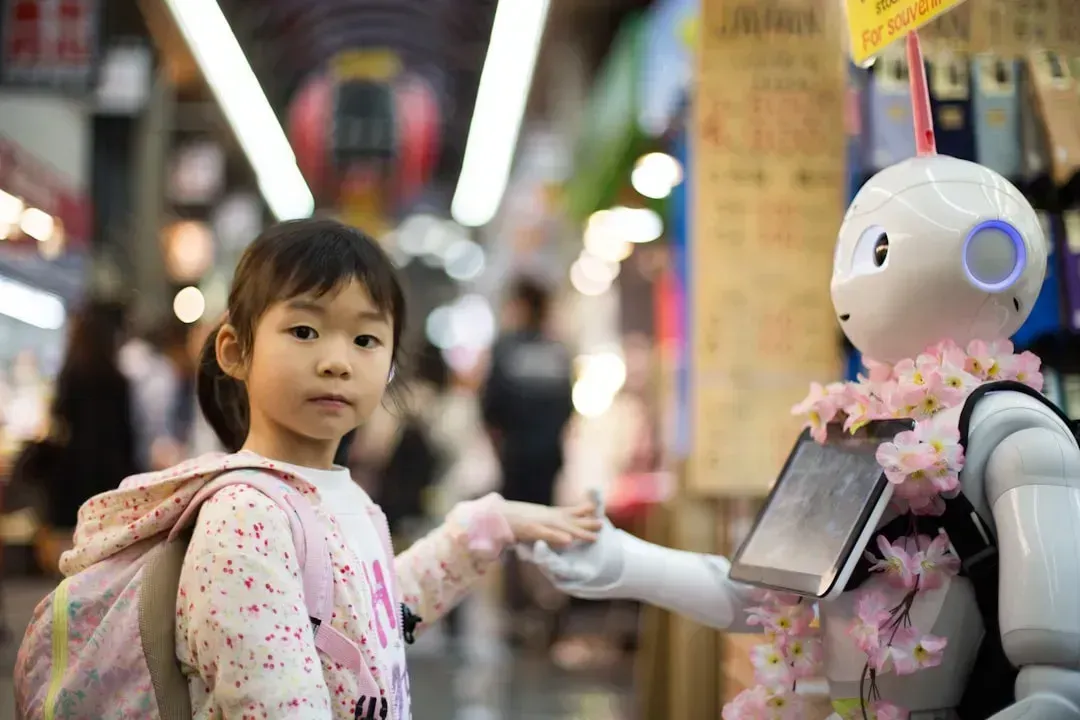
Japan earns its place among the top three by combining two things that rarely go together at this scale: near-total basic literacy and a very high share of degree holders. Japan combines near-universal literacy with one of the world’s highest tertiary education attainment rates, making it a global education leader.
That combination didn’t happen by accident. Decades of consistent investment in both compulsory schooling and technical or university-level education have given Japan one of the most balanced systems anywhere, ranking it second globally in several OECD tertiary attainment comparisons for 2024 and 2025.
11. Ireland – a small country with an outsized university degree rate
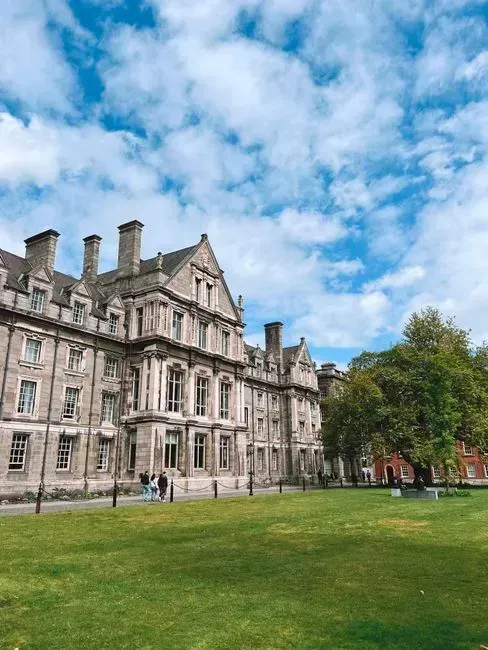
Ireland has quietly built one of the strongest higher education records in Europe. Ireland ranks highest by education rate among many peer nations, with 52.4% of its working-age population holding a bachelor’s degree or higher, putting it just behind Canada in the OECD’s most recent comparison.
That success traces back to a deliberate national strategy rather than luck. Heavy investment in tech and pharmaceutical sectors has given graduates strong incentive to pursue advanced degrees, reinforcing a cycle that keeps Ireland near the top year after year, with major multinational employers continuing to anchor demand for highly qualified graduates well into 2026. These eleven countries, taken together, illustrate just how differently education can play out depending on where a child happens to be born. In Chad, Mali, South Sudan, Niger, Afghanistan, the Central African Republic, Somalia, and Guinea, conflict, poverty, and gender inequality have combined to keep millions of children out of classrooms, often across multiple generations. In Canada, Japan, and Ireland, sustained investment and stable institutions have produced the opposite outcome: populations where advanced education is the norm rather than the exception.



Leave a Reply