
Avocado Toast: The Original Markup Masterpiece
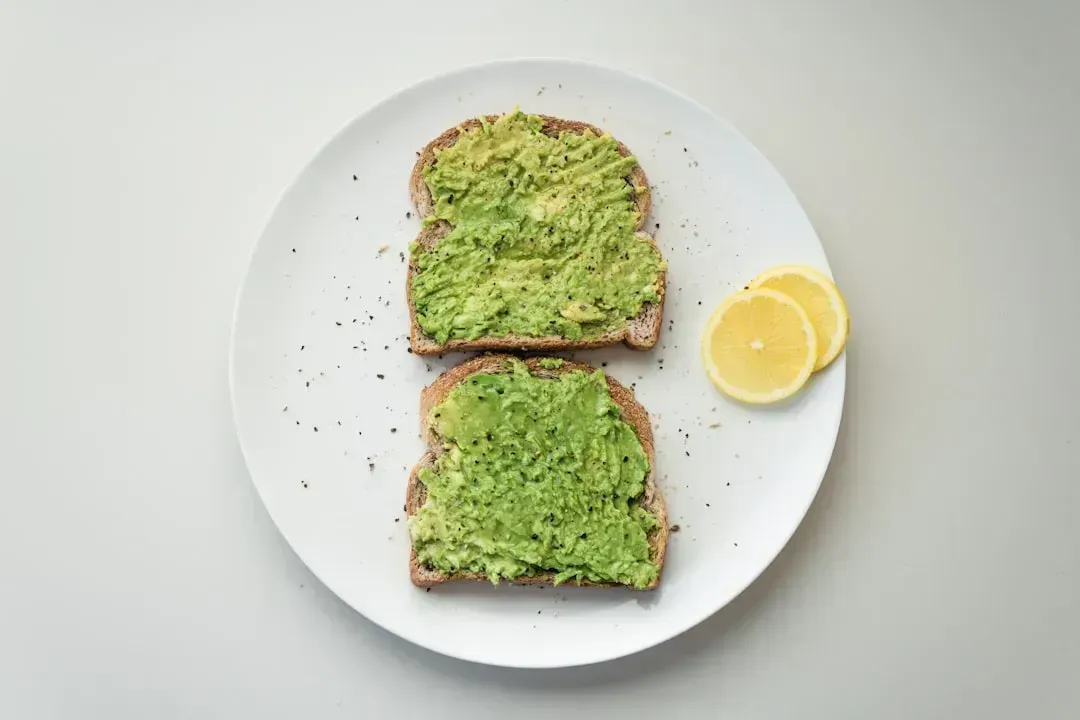
In cities across the United States, a single slice of sourdough bread topped with mashed avocado, a sprinkle of salt, chili flakes, and perhaps a poached egg can cost upwards of $16. The ingredients are almost laughably humble. A loaf of artisanal sourdough might cost four dollars, an avocado around a dollar fifty, and an egg about thirty cents. Add a few seasonings and microgreens, and the total grocery bill for one serving likely stays under three dollars.
Articles breaking down brunch pricing repeatedly call out avocado toast as one of the worst offenders in the “you could do this at home” category. Restaurants lean on trendy language – sourdough, microgreens, “smashed” avocado – to make something basic seem special. The markup is tied to how trendy the dish has become, especially among brunch crowds. The fundamentals of the dish haven’t changed. Only the price tag has.
The Bottomless Mimosa: More Illusion Than Value

The bottles of sparkling wine used for bottomless mimosas might cost the restaurant just three dollars each, and it’s almost never actual Champagne. Instead, it’s a budget bubbly made in the US, or prosecco. Unless a restaurant leaves you the whole bottle to mix on your own, your mimosa might get an ounce of this sparkling wine, of which there are 25 in a standard bottle. That breaks down to about 12 cents per mimosa, plus the cost of orange juice.
Much like free play at a casino, bottomless mimosas aren’t done for your benefit. They bilk you out of your hard-earned dollars with the promise of infinite drunken riches and offer little in return. Even if someone does manage to consume enough mimosas to make the bottomless price worth it, the mimosas act as a loss leader to get the person into the restaurant and purchase higher-margin food. The unlimited mimosas also help you not realize the food you’re getting isn’t the restaurant’s best.
Basic Egg Dishes: Scrambled Into a High Price
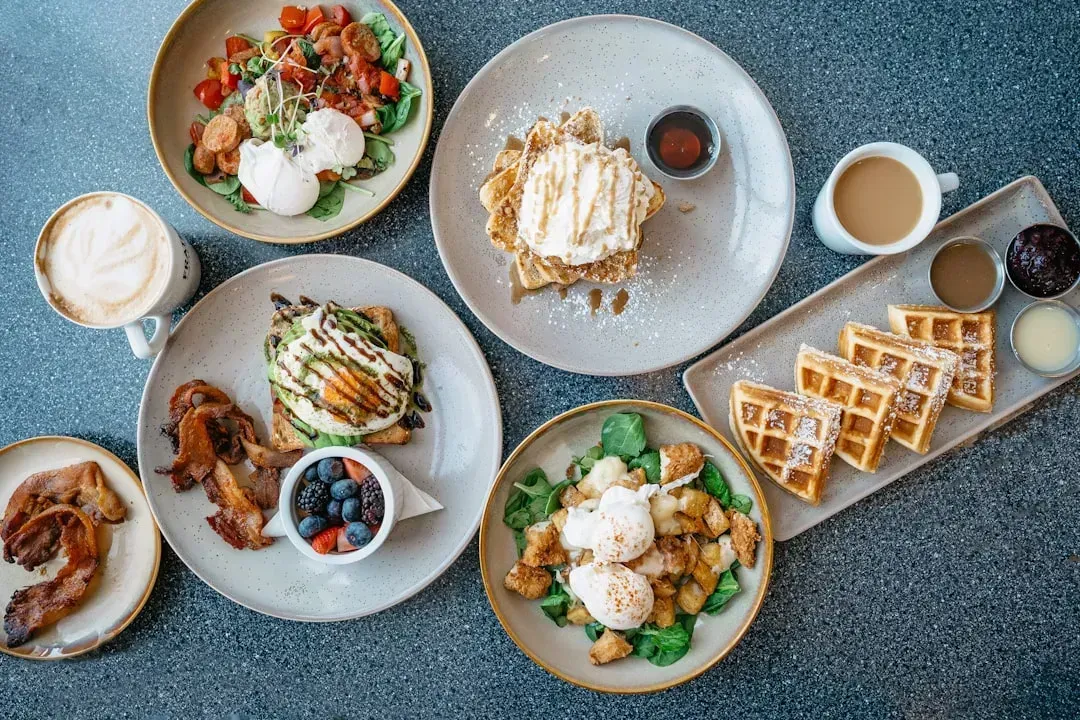
Restaurants love brunch because the margins are huge. Eggs are one of the cheapest proteins you can buy, yet egg dishes often show up on “most overpriced menu items” lists right alongside pasta and soda. A three-egg omelet with a little cheese and vegetables might cost the kitchen a couple of dollars, including toast and potatoes. On your bill? Fifteen to twenty dollars, plus tax and tip.
Dishes like scrambled eggs, fried eggs, and frittatas can all be made at home much cheaper. These menu items are rarely going to wow you or remain on your mind days later. If you find yourself at brunch, go for something else that would be hard and more expensive to replicate at home. The egg is not the problem. The ten-dollar labor charge for cracking it certainly is.
Standard Pancakes: Fluffy but Financially Flat
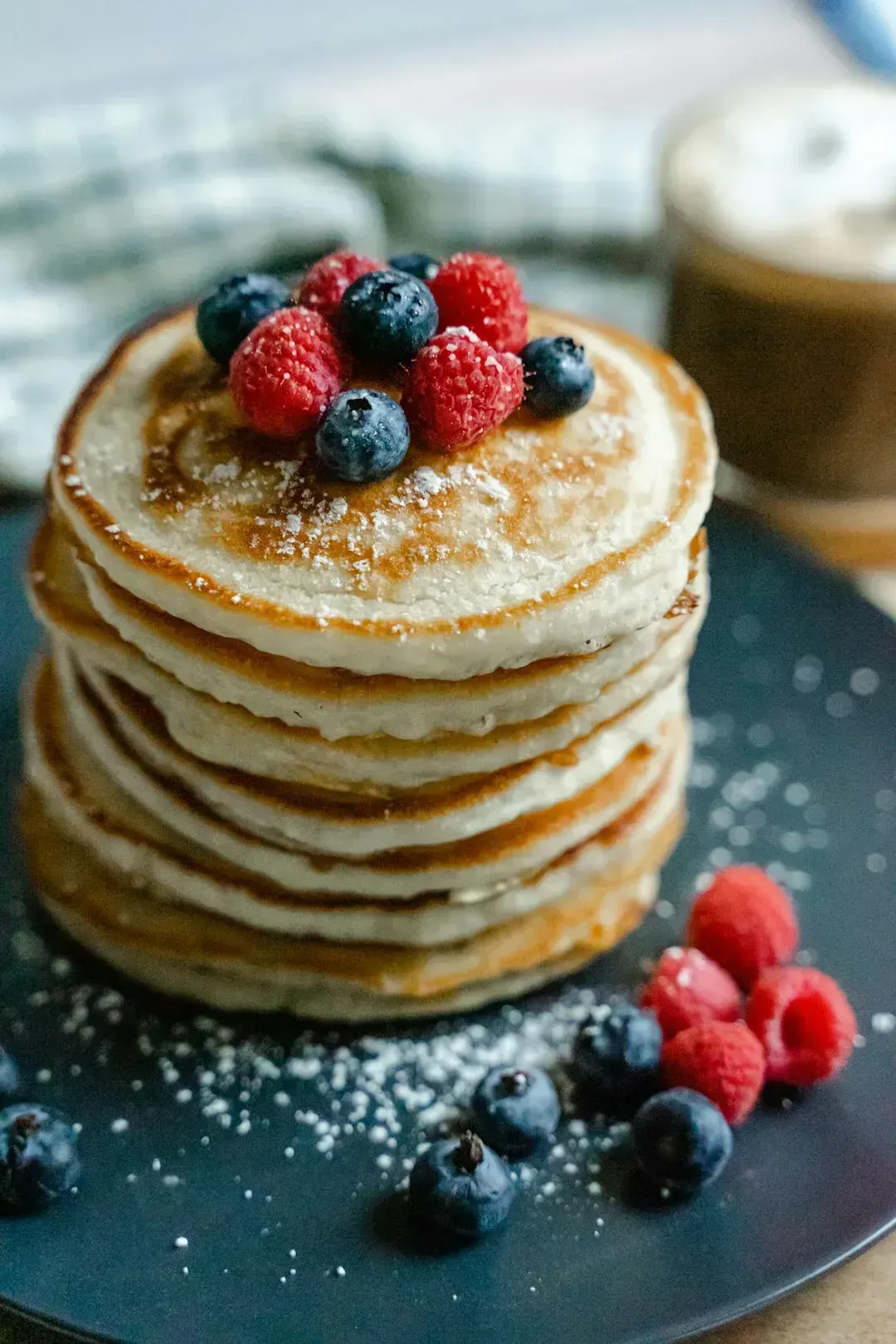
If you factor in the cost of the ingredients to make pancakes – a pancake mix, water, salt, and eggs – it runs dangerously close to too expensive for what it is. This gets compounded by the low effort and minimal labor involved for line cooks, requiring mere minutes to whip up. Restaurants love brunch for exactly this reason. Foods like Belgian waffles, pancakes, and French toast require little prep time and have low ingredient costs.
Some brunch spots will try to lure you in with menu pictures of massive pancake stacks covered in fresh fruit and pats of melting butter. They look incredibly enticing. Unless you’re getting those fancy Japanese soufflé pancakes, which require some finesse and skill, most standard restaurant pancakes are rarely worth it. If the stack is beautiful but the batter came from a bag, you’re paying for the photo opportunity, not the craft.
Eggs Benedict: Labor-Intensive but Overplayed
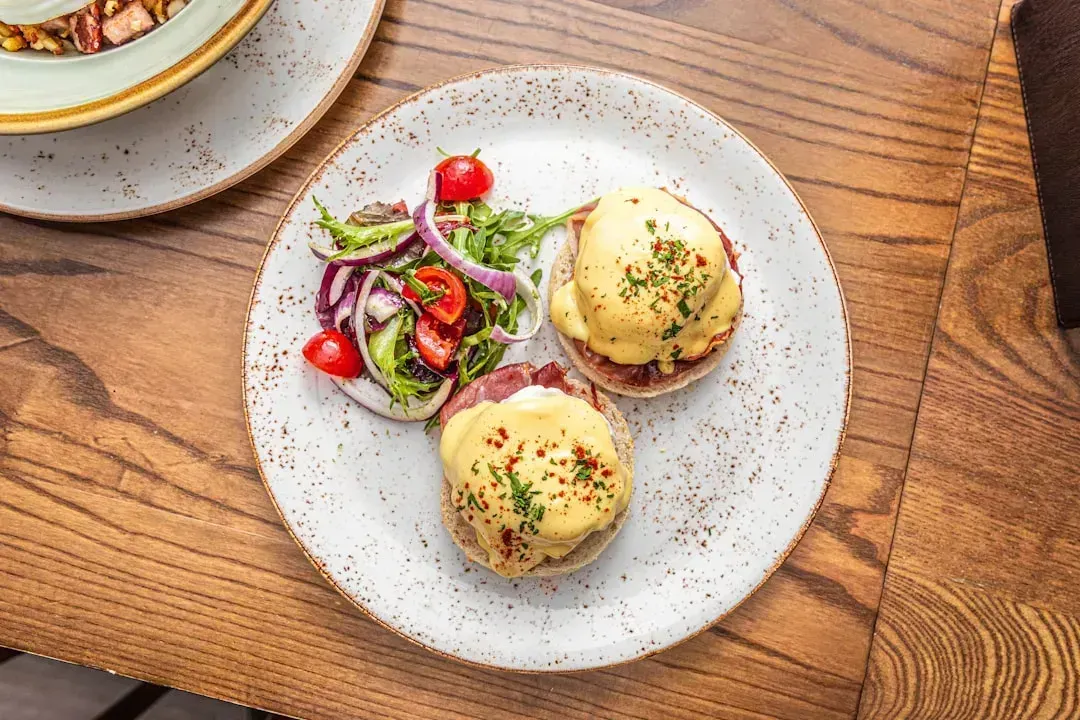
Eggs Benedict actually consists of multiple components that each cost money. Most places forget to include the hollandaise sauce, toasting the muffin, or even the garnish in their calculations. In a food-forward city like San Francisco, eggs Benedict averages between thirteen and twenty dollars. The dish does involve real skill – poaching eggs precisely and holding hollandaise without breaking it takes practice. Eggs Benedict is genuinely labor-intensive due to the hollandaise and the poaching process.
Still, the premium charged often extends well beyond what the actual skill involved justifies. Sides such as hash browns, fruit, or toast are often offered with eggs Benedict and may incur additional charges. Beverages like coffee, tea, or juice are not typically included and must be purchased separately. By the time you add gratuity, what looked like a reasonable line item on the menu has quietly become the most expensive morning meal of your week.
Açaí Bowls: Superfood Prices With Supercharged Markups
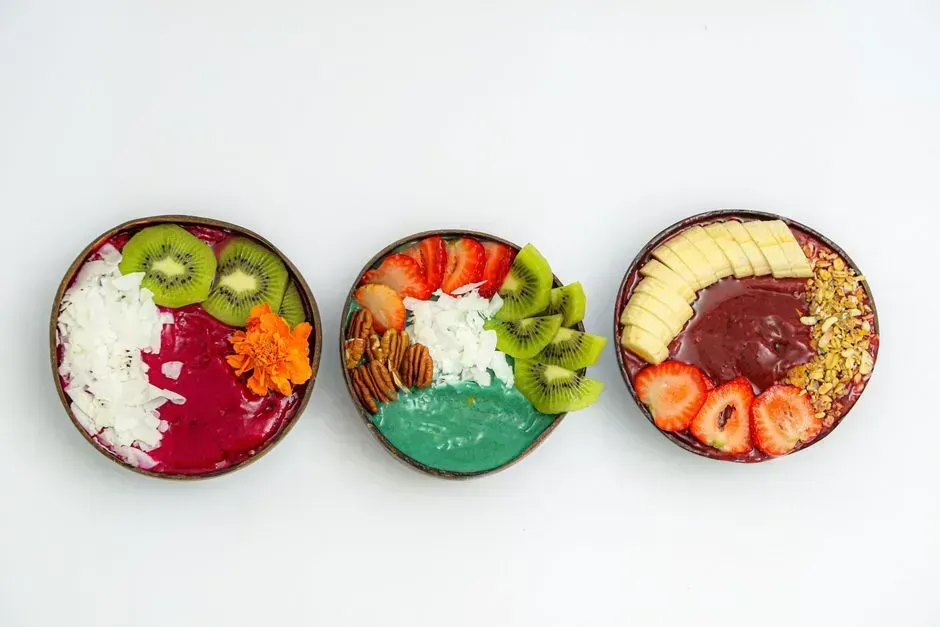
A basic açaí bowl costs a restaurant roughly two dollars and ninety cents to produce, with ingredients like açaí purée, frozen banana, oat milk, granola, berries, chia seeds, and a honey drizzle. Urban smoothie bowls usually fall between nine and twelve dollars on the menu. That’s a profit margin hovering around 68 to 72 percent depending on the build. The health branding carries enormous weight in that gap between cost and price.
U.S. import tariffs on açaí products from Brazil have added further pressure to ingredient costs, meaning those Instagram-worthy smoothie bowls and superfood-packed smoothies could shift from trendy health staple to premium indulgence. Brazil produces about 85 percent of the world’s açaí supply, and there’s literally nowhere else to source it at scale. Unlike bananas or berries that grow globally, açaí palms thrive only in specific Amazon rainforest conditions. That supply dependency will keep prices elevated for the foreseeable future.
Truffle Anything: Paying for the Word, Not the Ingredient
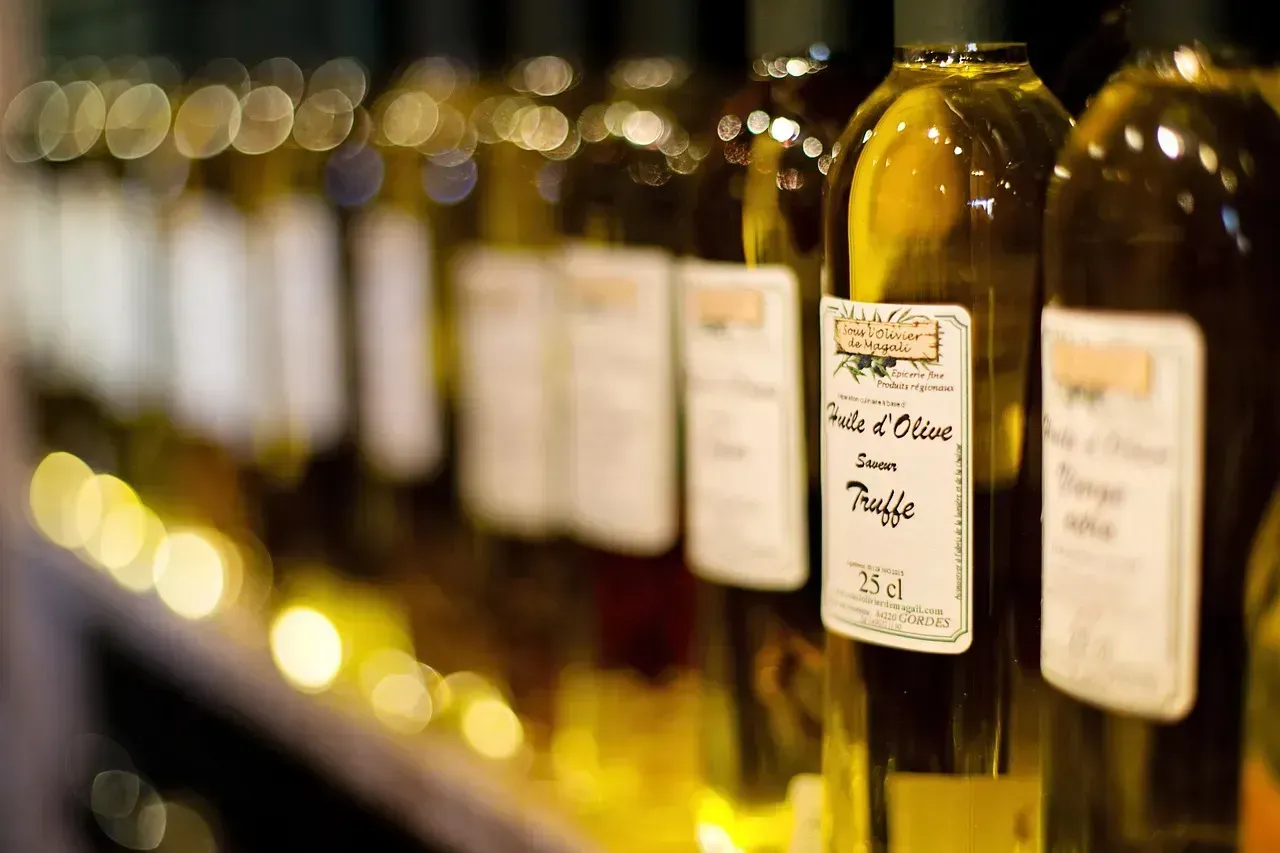
With truffle-flavored dishes, you’re often paying a premium price for a cheap oil plus a synthetic flavoring. Restaurants love this because a drizzle of flavored oil lets them charge high prices for what is essentially potatoes, pasta, or eggs. Meanwhile, your brain hears “truffle” and assumes gourmet. The gap between real truffle and truffle-flavored oil is enormous, both in flavor complexity and in actual ingredient cost.
If you truly love that flavor, you can buy a small bottle of the same oil at the store for far less and use it at home. When dining out, skip anything “truffled” unless it’s a fine-dining spot shaving real truffle at your table and charging accordingly. Otherwise, pick dishes where the cost comes from actual ingredients and skill, not a few drops of fake luxury. On a brunch menu, truffle fries or truffle scrambled eggs are almost certainly the oil version, not the real thing.
Fruit Bowls and Simple Yogurt Parfaits: Assembly Does Not Equal Value
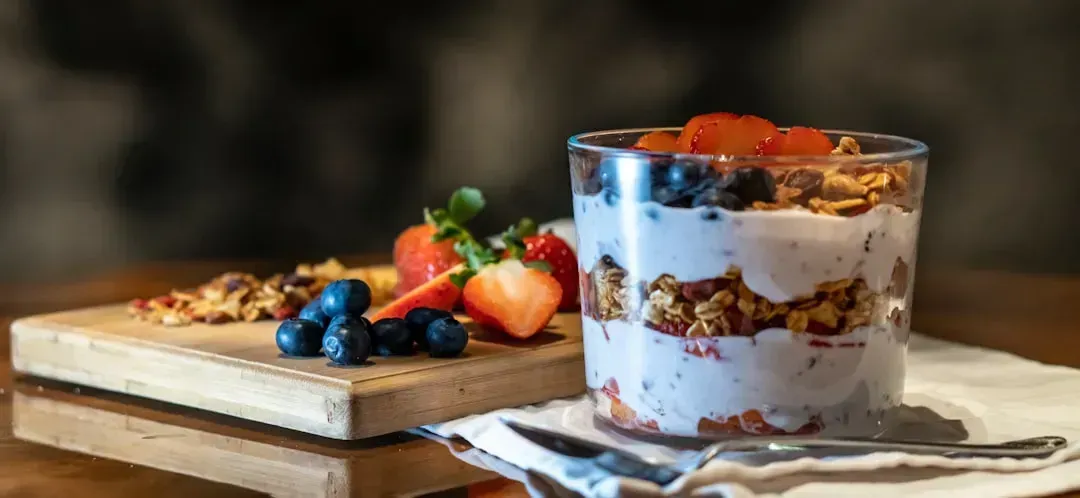
Unless you’re getting real value from grilled salmon, steak, avocado, nuts, or high-quality cheese, many “house salads” and fruit-forward dishes are mostly filler with a few sparse toppings. You’re paying entrée prices for something that cost the kitchen maybe a dollar to assemble. A yogurt parfait layered with granola and berries takes under two minutes to build and uses ingredients that cost pennies per portion at restaurant purchasing scale.
The same story applies to simple yogurt parfaits, basic oatmeal with a drizzle of honey, or fruit bowls that are mostly melon. If you love brunch, spend your money on dishes that actually require technique: fresh-baked pastries, complicated egg dishes done well, or anything that clearly took time. In a matter of only two years, the average price of breakfast items rose notably across both limited-service and full-service restaurant chains, which makes it more important than ever to choose dishes that deliver genuine value rather than just aesthetic appeal. The melon is beautiful. It is also something any grocery store sells by the pound for a fraction of what your brunch bill reflects.


Leave a Reply