
1. Retractable leashes

Retractable leashes feel like a convenience, giving dogs more room to sniff and roam without constant tugging. The problem is the thin cord itself. Veterinarians widely dislike retractable leashes, and on the human side, they cite reports of digit amputation and garrotte injuries in dog owners.
The mechanism also works against basic safety. The thin rope-like cord of the retractable leash can cause severe burns, deep cuts, entanglement, or strangulation. There’s a control issue too: the built-in locks tend to break or wear out, and the combination of loss of control with a sudden pull can allow a dog to break free into traffic or into contact with another animal. A standard four to six foot leash gives up some freedom, but it buys back a lot of control when it matters most.
2. Rawhide chews
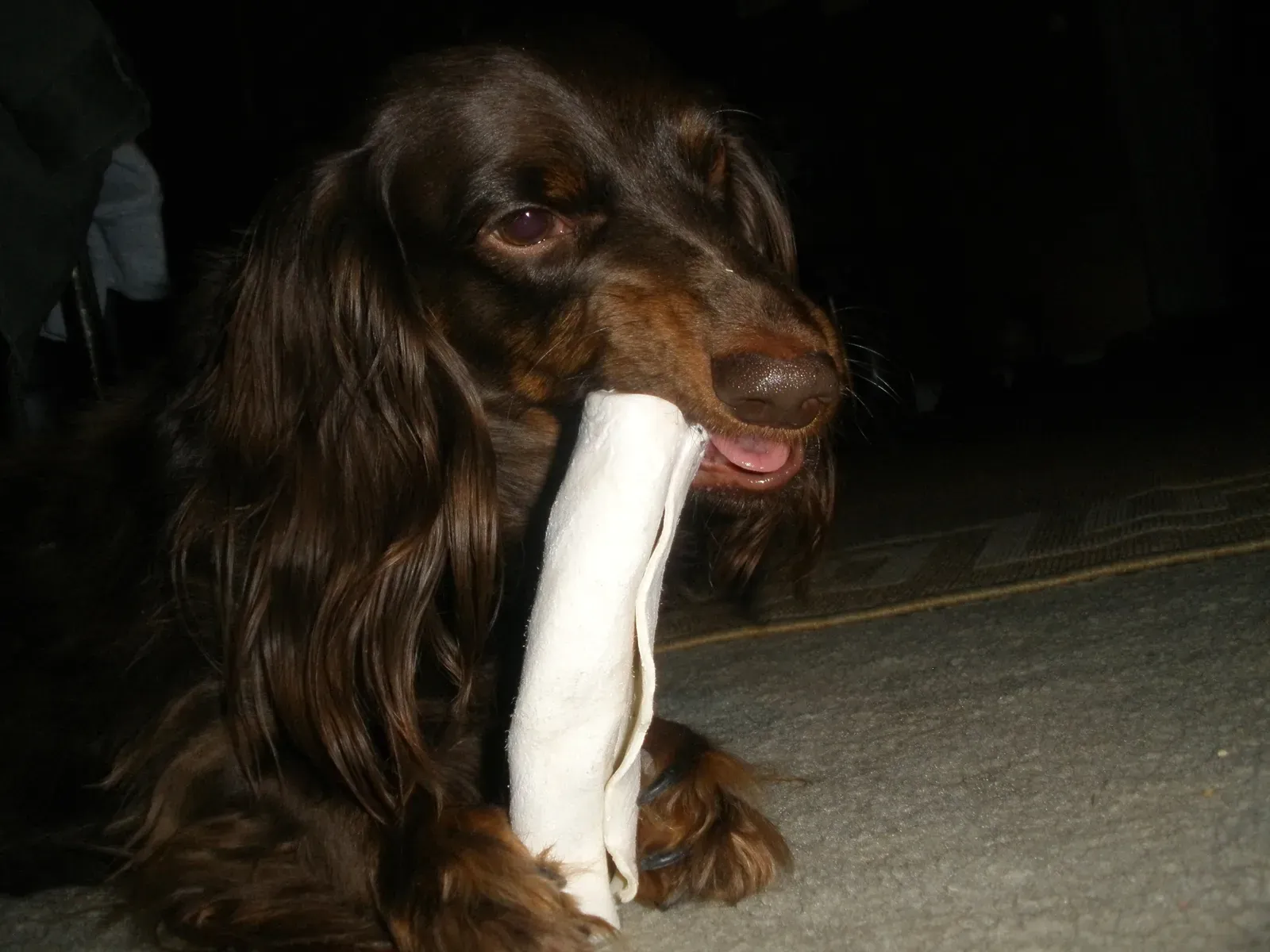
Rawhide has been a staple of the dog aisle for decades, marketed as a natural way to keep jaws busy and teeth clean. Vets see a different side of it in the exam room. Rawhide chews, made from the inner layer of cow or horse hides, carry several risks for dogs, since the hides are often treated with chemicals and preservatives that may harm dogs.
Choking and blockages are the bigger concern in practice. Rawhide bones and other edible chews can pose a choking and blockage risk, and this is actually a bigger risk than contamination or digestive irritation. Contamination has also been a documented issue historically, not just a theoretical worry. The FDA has highlighted various rawhide recalls over the years due to chemical and bacterial concerns, and in 2017 a manufacturer recalled rawhide products after a cleaning chemical used in food processing equipment was found in them. Puppies face extra risk here too, since most veterinarians advise against rawhide for puppies, whose smaller airways and less developed digestive systems compound the choking and blockage risks.
3. Certain flea and tick collars
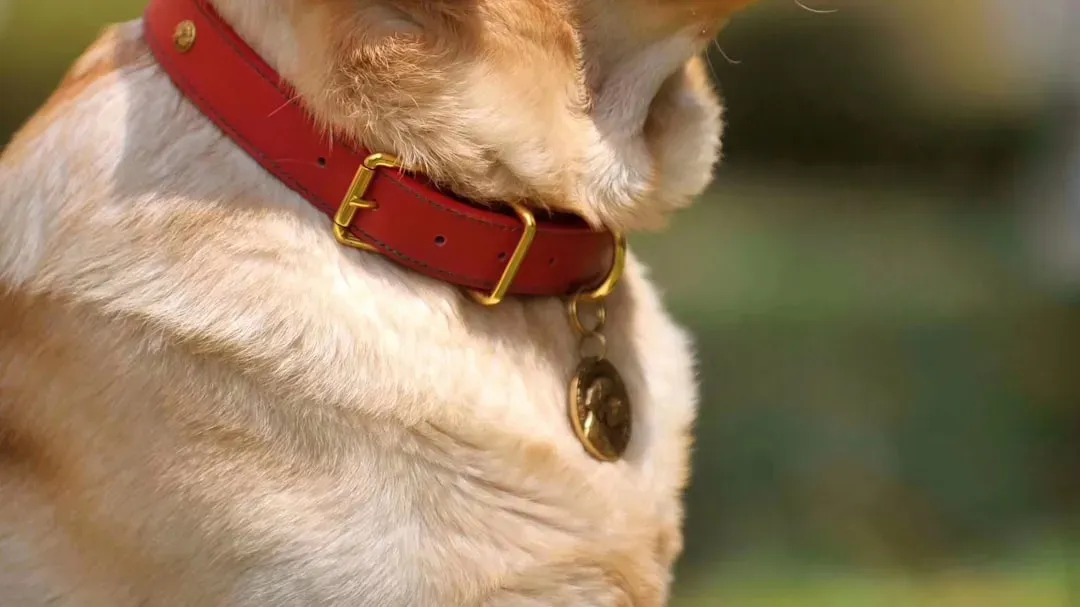
Not all flea and tick prevention is created equal, and collars have drawn some of the sharpest scrutiny. A 2024 federal watchdog report put numbers behind long-standing concerns. An Office of Inspector General report published in February 2024 found more than 2,500 pet deaths and 900 reports of adverse effects to people, citing inadequate safety reviews by the EPA’s Office of Pesticide Programs.
The chemistry itself is part of the problem. Tetrachlorvinphos, or TCVP, is an organophosphate pesticide that is toxic to the nervous system, and it remains a common ingredient in flea and tick collars. Advocacy groups have pushed back hard on this class of product, with one consumer alert noting that flea collars, especially those containing TCVP, are among the most dangerous, and owners can ask their vet about prescribing alternatives such as oral flea prevention treatments. That doesn’t mean every flea collar is dangerous, but it does mean reading the active ingredient list matters more than the brand name on the front.
4. Real bones and deer antlers

Marketed as “natural” alternatives to processed chews, bones and antlers sound like a safer bet. Dental vets tend to disagree, and the reasoning is straightforward physics. Even fresh butcher bones aren’t safe, since all bones, raw, cooked, or ring-shaped, can cause serious dental and digestive issues, ring bones may trap a dog’s lower jaw and require removal under anesthesia, and poultry bones splinter easily enough to puncture the stomach or intestines.
Antlers get pitched as the tooth-friendlier option, but that’s not really true either. Deer antlers have become a trendy “natural alternative” to bones, but they’re no safer, since they’re made of material just as tough as bone and their durability makes them a hazard, especially when determined chewers grind away at the outer surface. A dog cracking a molar on an antler is one of the more common and preventable emergency vet visits out there.
5. Squeaky and plush toys with removable squeakers

The squeak is the whole appeal of these toys, tapping straight into a dog’s prey drive. Unfortunately, that same feature is often the first thing to go once the toy gets torn open. Squeaky toys become a choking hazard once the squeaker is exposed, and soft stuffed toys can have their filling pack together and block the gut.
The risk scales with how aggressively a dog plays. Choking hazards are a real concern with aggressive chewers, who can rip toys apart and swallow small pieces or the squeaker itself. Cheaper, no-name versions add another layer of concern, since cheap toys may contain harmful chemicals like BPA or lead. If a plush toy looks stitched together loosely or feels flimsy in the store, that’s usually a fair warning sign before it ever reaches a dog’s mouth.
6. Choke and prong collars

Training collars that rely on pain or pressure to correct behavior have fallen out of favor with most veterinary behaviorists, even as they remain on store shelves. The concern isn’t really about whether they “work” in the short term, it’s about what happens with a sudden lunge or pull. A dog hitting the end of a leash while wearing a prong or choke collar can suffer damage to the trachea, esophagus, or neck vertebrae in a way a flat collar or harness simply doesn’t produce.
These collars also tend to create the exact behavior problems owners are trying to avoid, since a dog associating pain with certain triggers, other dogs, strangers, loud noises, can become more reactive rather than less. Front-clip harnesses and head halters generally accomplish the same training goals without the physical risk. Most veterinary behavior organizations now recommend positive reinforcement tools over aversive collars for this reason.
7. Tennis balls as chew toys

Tennis balls seem like the most harmless object in the entire pet aisle, cheap, bouncy, and beloved by nearly every dog. The felt coating that makes them fun to chase is exactly what makes them a problem for teeth. The felt on tennis balls acts like sandpaper, wearing enamel down over time.
There’s also a size issue that catches owners off guard. Undersized balls and toys, anything smaller than a dog’s mouth, can be swallowed whole, and even solid ball toys have gotten lodged in the back of the throat. Fetch is still a fine game, it’s the unsupervised chewing on a fuzzy tennis ball for hours that tends to land dogs in a dental chair or, worse, an emergency room.
8. Cheap plastic toys and chews from unregulated sources
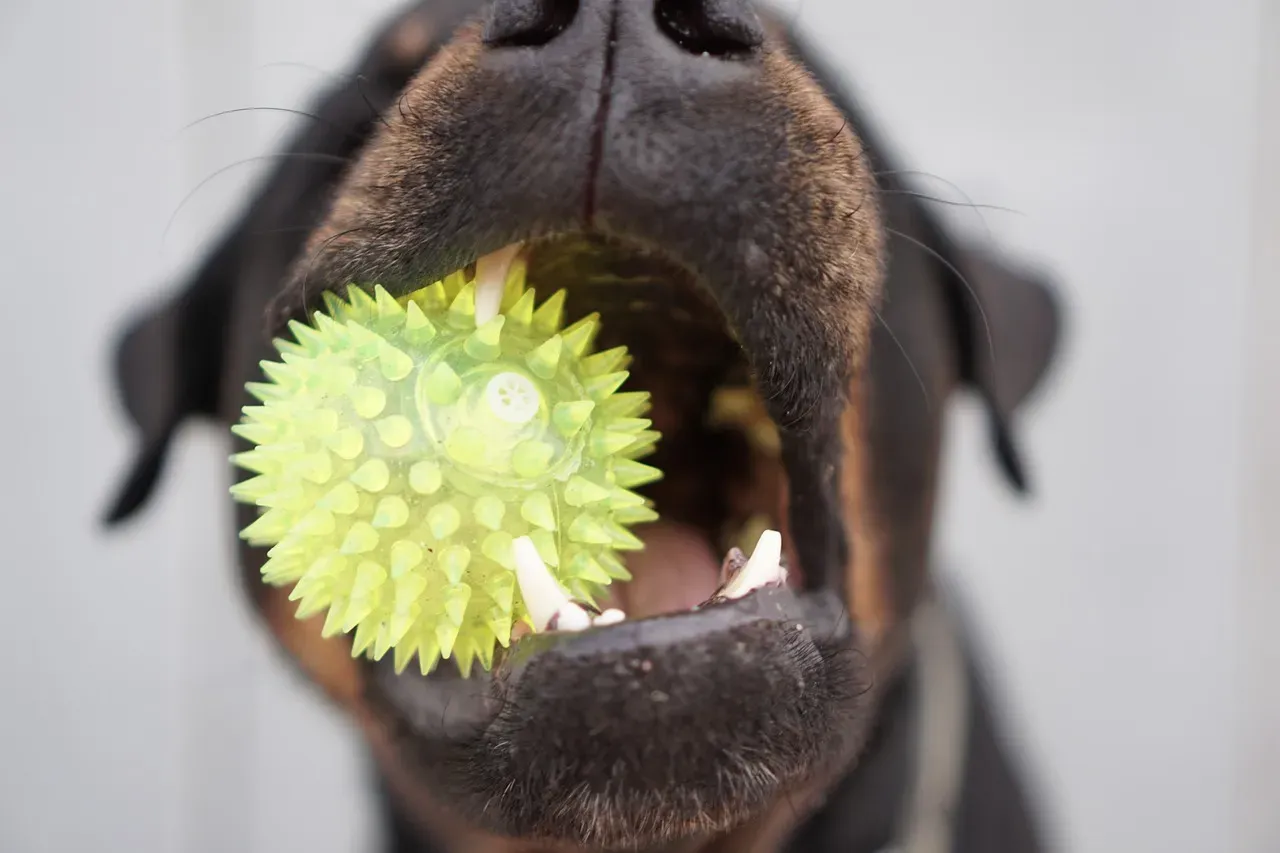
Not every toy sold online or in discount bins goes through the same quality checks as established pet brands, and the materials can vary wildly from batch to batch. Hard plastic is a recurring offender in vet warnings, since it doesn’t give the way rubber does under pressure. Hard plastic toys are unforgiving on teeth, and they splinter into sharp bits.
Color and coating can hide other risks too. Toys with lead-based paints or coatings are toxic if ingested, and detachable parts like plastic eyes or bells add another layer of danger. The general rule vets suggest is simple enough to apply in any store aisle: if a chew doesn’t give slightly under a thumbnail, or if a toy has small glued-on pieces, it’s probably not worth the risk of finding out the hard way.




Leave a Reply