
Electric vehicles were supposed to be the simple choice. Lower fuel bills, fewer trips to the mechanic, a cleaner conscience. Millions of early adopters believed the pitch, signed the paperwork, and drove home feeling like they were ahead of the curve. Then reality settled in – not all at once, but gradually, through cold winter mornings, failed charging stops, and resale value estimates that made their stomachs drop. Car buyers who were among the first to make the EV switch are far from wholly converted, and nearly 30% of electric vehicle owners globally are now likely to switch back to internal combustion engine vehicles, according to a McKinsey survey of consumers around the world. That number is not a fringe statistic. It tells a more complicated story about what happens when a promising technology meets everyday life.
The Depreciation Nobody Warned Them About
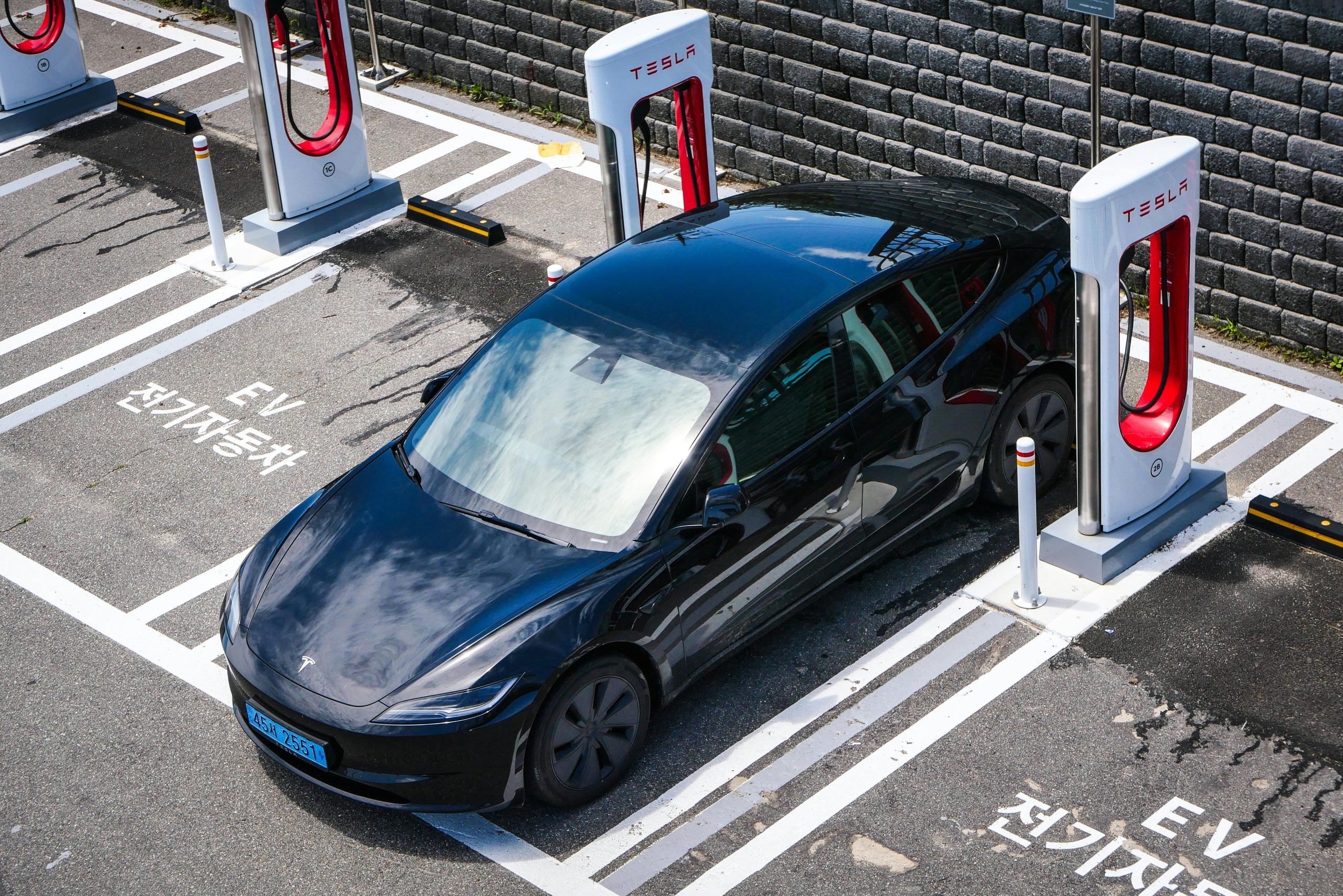
For most car owners, depreciation is an unpleasant but predictable fact of life. For EV owners, it became something closer to a financial shock. Electric vehicles are cheaper to maintain than cars with internal combustion engines, but they tend to lose money fast – and in general, EVs depreciate by 13% more over a five-year period than the overall market, according to iSeeCars, which tracks the used car market. That gap has real consequences for anyone who bought an EV expecting it to hold value like a reliable gas vehicle. For Tesla owners in the U.S., their 2023 Model Ys are worth 42% less than what they paid two years ago, while a Ford F-150 truck bought the same year depreciated just 20%.
The depreciation problem is not just a personal finance headache – it rattled the entire EV ecosystem. Florida-based car rental company Hertz, which bought 100,000 Teslas in 2021, reported a $2.9 billion loss in 2024 driven largely by plummeting EV value, and the company was losing more than $530 per car monthly by late 2024, due to high upfront costs, steep insurance premiums, and long repair and restoration lead times. Several independent studies have found that many EVs lose value almost 30% faster than the overall vehicle market over five years, driven by rapid tech changes, shifting incentives, and a surge of off-lease EVs entering the used market. Battery technology is advancing so quickly that a car purchased just two or three years ago can feel genuinely outdated – and the second-hand market prices them accordingly.
Battery Degradation: The Invisible Countdown
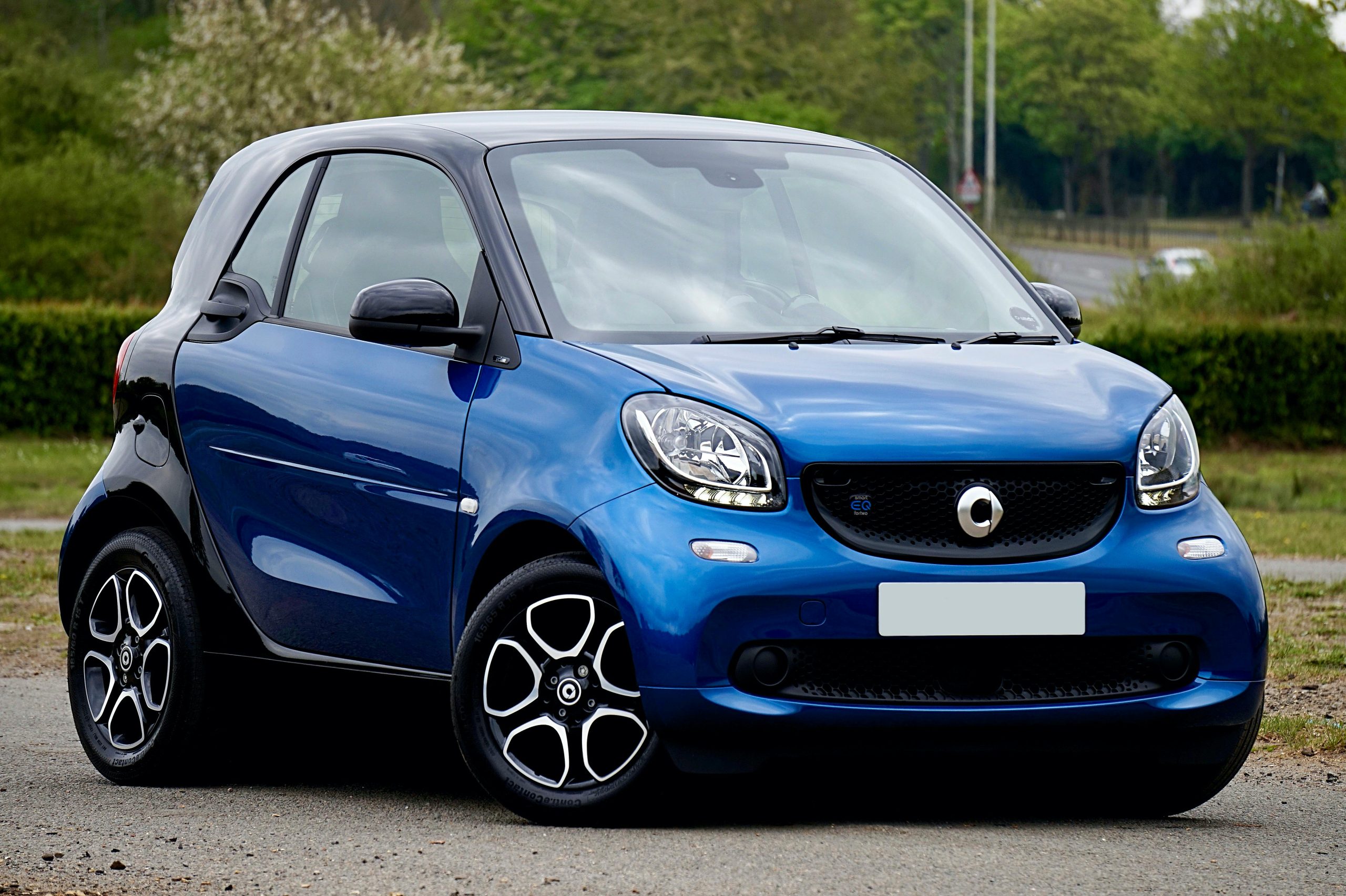
Every EV owner knows, at least in theory, that the battery loses capacity over time. What many did not expect was how visibly that degradation would affect daily driving. Geotab’s latest analysis shows an average degradation rate of 2.3% per year across more than 22,700 vehicles, and EV battery degradation varies by model and is also influenced by operating conditions such as charging power, climate, and usage – with fast charging, particularly using DC fast chargers, capable of increasing battery degradation due to higher temperatures and currents, while frequent use of fast chargers may shorten the battery’s lifespan compared to slower Level 2 charging. That means the very chargers many drivers rely on during road trips are the ones doing the most damage to their investment.
The picture is nuanced, though. When Geotab expanded its study in 2025, the average capacity loss had returned to 2.3% per year across 21 vehicle models, which means the average battery is projected to have 81.6% of its original capacity after eight years. The analysis shows that charging power is now the strongest operational influence on EV battery health, with vehicles that relied heavily on DC fast charging above 100 kW experiencing faster degradation, averaging up to 3.0% per year, compared with around 1.5% for vehicles that primarily used AC or lower-power charging. For owners who regularly depend on fast chargers out of necessity – because they live in apartments or travel frequently – the degradation curve can be significantly steeper than the averages suggest.
The Charging Infrastructure Gap
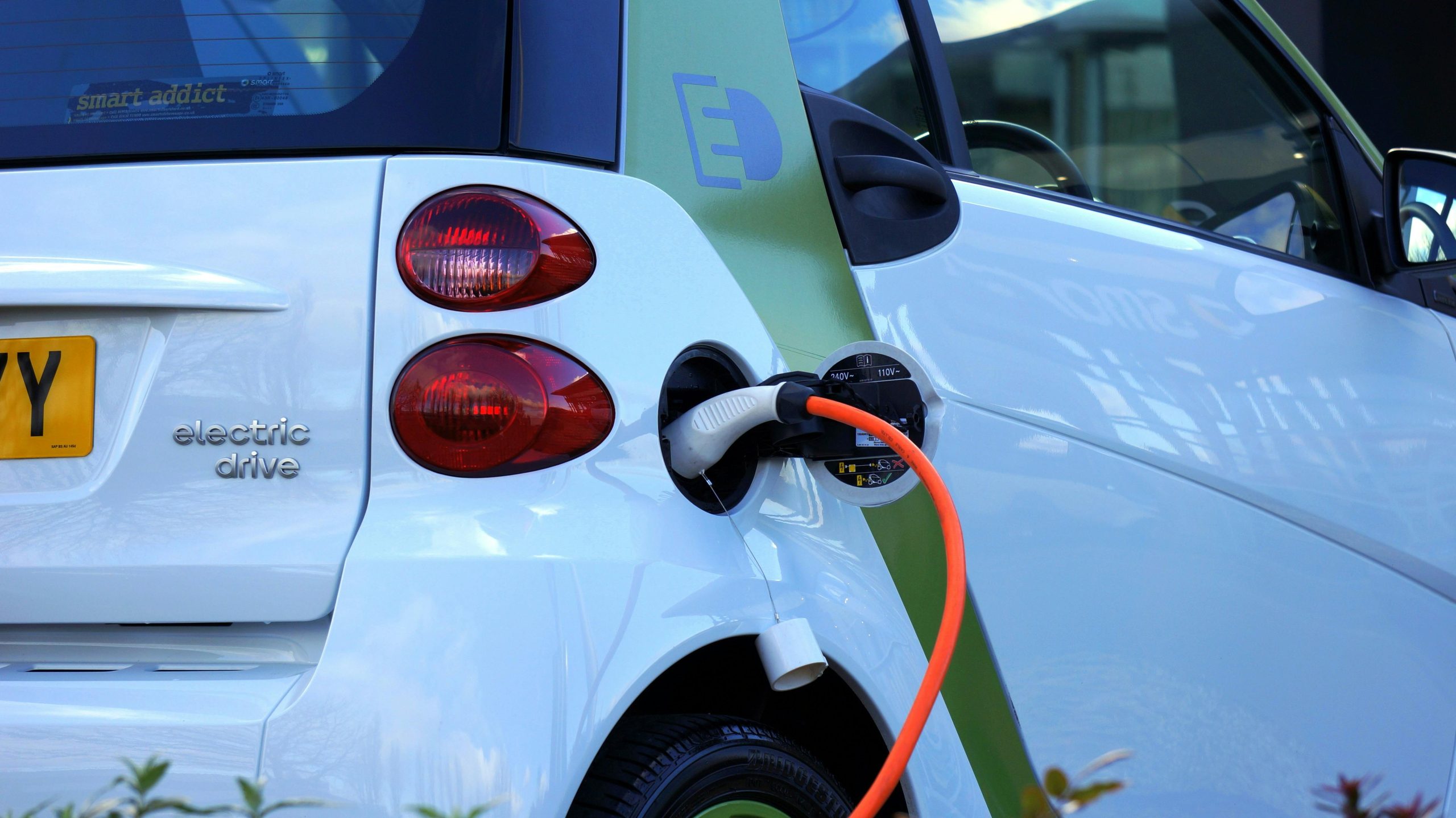
The promise of convenient charging was central to the EV sales pitch. The reality on the ground has been considerably messier. A scholarly review of 1 million EV charging station consumer reviews, led by a Harvard Business School fellow, found widespread dissatisfaction with the current state of EV charging infrastructure – estimating that drivers can successfully recharge their cars using non-residential EV equipment only 78% of the time. That figure means roughly one in five charging attempts ends in failure. By far, the most common reason for non-charge visits is the charger being out of service or not working properly, which affects 60% of failed charging visits.
The situation is improving, but unevenly. In 2025, 14% of all EV owners reported that they visited a charger without successfully charging their vehicle, compared to 19% in 2024 – the best result in four years, according to J.D. Power. Still, access itself remains deeply unequal. Charging infrastructure remains a critical barrier to widespread EV adoption – and although there are currently over 76,000 public station locations and 228,000 charging ports across the United States, access is still uneven, especially in rural areas, with permitting delays, interconnection issues, and high installation costs continuing to slow progress. In the U.S., 60% of urban residents live less than a mile from the nearest public charger, compared to just 41% of suburban residents and 17% of rural residents.
The Cold Weather Problem
Range anxiety is a well-documented phenomenon among EV owners, but what often catches drivers off guard is just how dramatically temperature affects their vehicle’s performance. Consumers remain concerned about the limited range of EVs, and freezing temperatures can reduce EV range by as much as 32%. An EV rated for 280 miles on a warm spring day can suddenly struggle to deliver 190 miles in a January cold snap – a difference that can strand a driver who planned their trip based on EPA estimates. This is not a minor inconvenience; for anyone commuting in northern climates or taking winter road trips, it is a fundamental shift in how the vehicle performs.
Battery health is also influenced by climate in the long term, not just on cold days. Climate showed a measurable independent effect on battery health, with vehicles operating in hotter regions degrading around 0.4% faster per year than those in mild climates. EVs operating in hot climates showed faster degradation rates compared to those in temperate conditions, defined as fewer than five days per year above 80°F (27°C) or below 23°F (-5°C). Owners in the Sun Belt and the Frost Belt face opposite but equally real challenges, and neither group was clearly warned about these tradeoffs when they bought their vehicles.
The Home Charging Dilemma
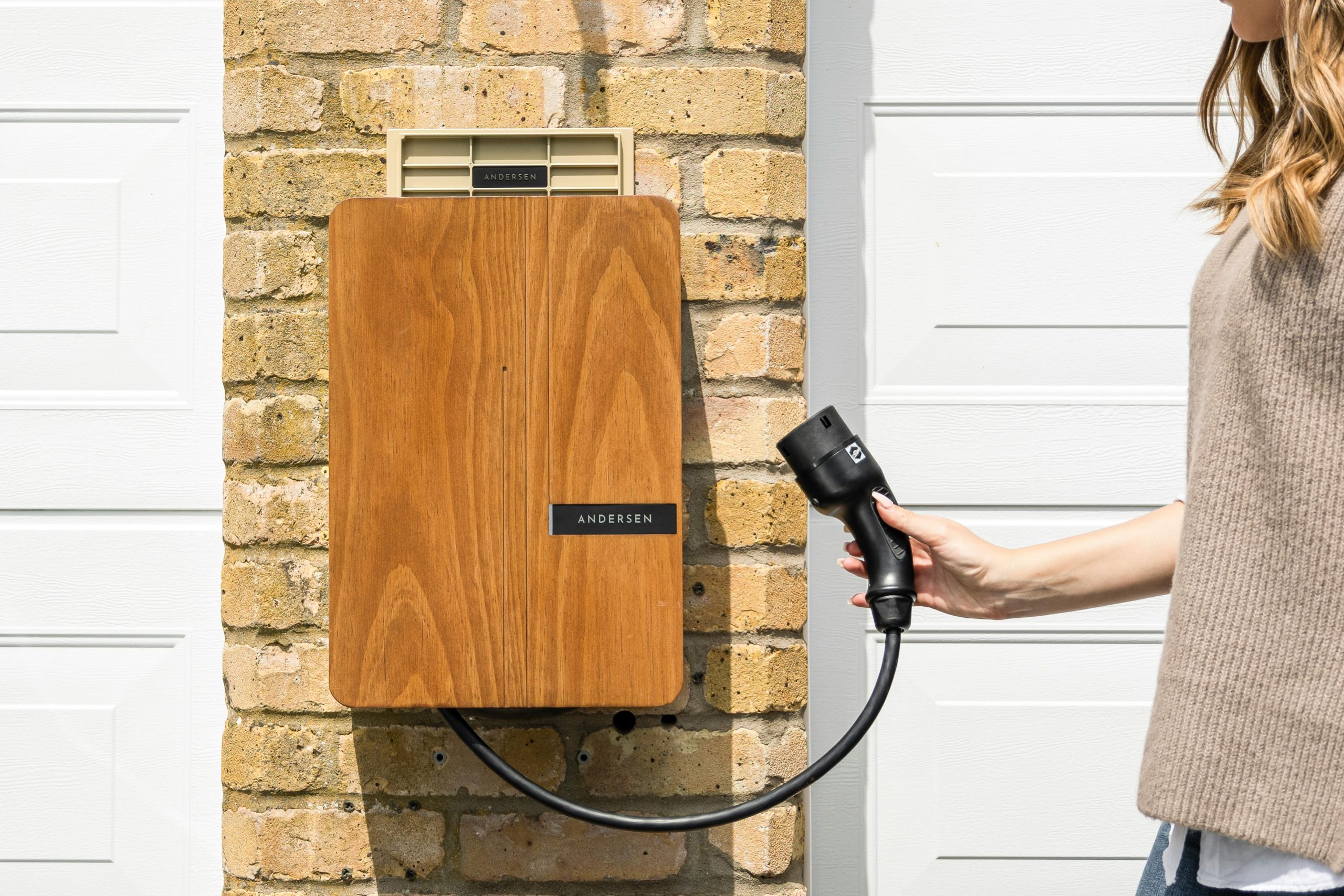
The economics of EV ownership hinge heavily on the assumption that drivers can charge at home overnight. For millions of Americans, that assumption simply does not hold. The inability to install a charging station at home is a significant reason not to purchase an EV – and according to the National Multifamily Housing Council, 57.7 million Americans live in multifamily rental apartment structures, with millions of others owning condos in multi-unit buildings, making these residences problematic for EV charging. Without home charging, an EV owner becomes dependent entirely on public infrastructure – with all its reliability limitations, higher costs, and inconvenience.
Even for homeowners, the transition is not always simple. The purchase of an EV also requires the installation of a home charger, and some homes’ electrical systems cannot handle a car charger, with the costs associated with upgrading that system or providing the proper plugs creating real concerns for buyers. EV owners are not thrilled with the cost of public charging either – satisfaction with cost of charging among users of both Level 2 and DC fast chargers declined by 16 points each to 459 and 430 respectively in 2025, with cost being the least satisfying aspect of DC fast charging overall. The math that made EVs look affordable at purchase is being quietly eroded by charging costs that few owners fully anticipated.
The Broader Rethink – Owners, Automakers, and Policy
The doubts of individual owners are now echoed across the industry at every level. A study from Edmunds found that in Q2 2024, just under 40% of EVs used as a trade-in were applied toward purchasing or leasing a new internal combustion engine vehicle, and issues like charging, range, and battery degradation could turn many early buyers off from another purchase. A recent Gallup poll found fewer non-EV owners in the U.S. saying they might consider an EV purchase, down from 43% in 2023 to 35% in 2024, while the percentage of American adults who do not intend to buy an EV went up from 41% to 48% year over year. These are not marginal shifts – they represent a meaningful cooling of consumer enthusiasm.
The automakers themselves have responded by pulling back dramatically on their commitments. Ford announced a pivot to a hybrid and extended-range EV strategy instead of focusing on full EVs, with future EVs being fewer and smaller – a move that came with planning and strategic charges of $19.5 billion. Policy support for EVs in the U.S. has changed significantly over the last year, with elements of the Inflation Reduction Act being removed or threatened as well as the potential removal of California’s ability to set its own emissions standards – and BloombergNEF’s outlook for U.S. EV adoption has decreased as a result. The story of the EV transition is far from over, but the early chapter – the one where buyers jumped in on faith – has closed, and the industry is now grappling with the lessons it taught.

Leave a Reply