
Every week, households across the country throw out food that is perfectly safe to eat. The culprit is almost always a printed date on the packaging, whether it says “best by,” “sell by,” or “use by.” According to the USDA’s Food Safety and Inspection Service, manufacturers put these dates on their products to let stores and consumers know how long their products are expected to maintain their best taste and texture. That’s it. Not safety. Not spoilage. Just peak quality.
Research has found that the vast majority of consumers toss out food at least some of the time because of the date label, and the USDA estimates that the average family of four spends at least $1,500 each year on food that ends up uneaten. Except for infant formula, dates are not an indicator of a product’s safety and are not required by federal law. Eight foods in particular take the biggest hit from this confusion, and chances are you’ve thrown at least one of them away this month.
1. Eggs
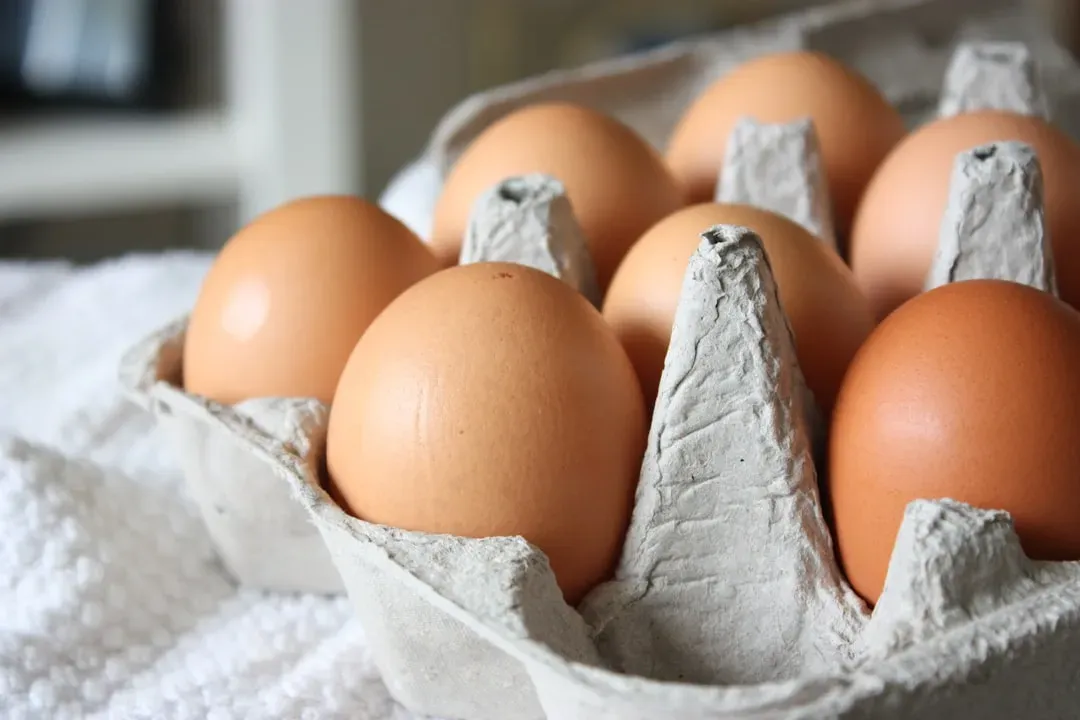
The date stamped on an egg carton is a freshness date. The food is freshest by the date on the label, but still safe to eat after that date. In fact, eggs can remain safe for three to five weeks after the “sell by” date. That’s a generous window that most people never take advantage of. The simple float test tells you everything you need to know: a fresh egg sinks flat, an older but still edible egg stands upright, and a bad egg floats.
The truth is that expiration dates largely depend on the type of food and its chemical composition, according to food scientist Bryan Quoc Le. Eggs are a good example of this. Their natural protective coating, called the cuticle or bloom, helps seal out bacteria when the egg is stored properly in the refrigerator. Tossing a carton of eggs the day after the date on the box is one of the most common and most unnecessary acts of food waste in the average kitchen.
2. Hard Cheese
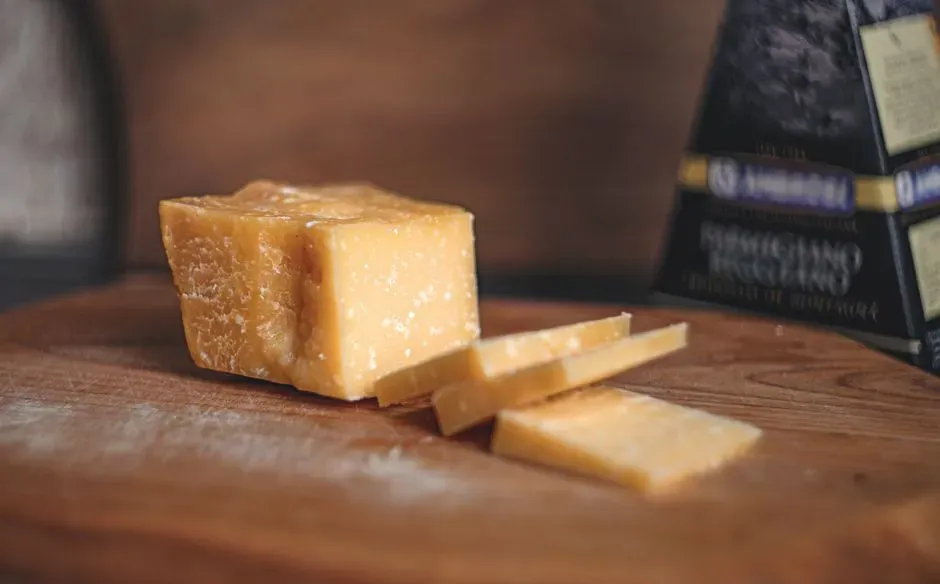
Hard cheeses like Parmesan, aged cheddar, and Pecorino Romano are among the most resilient foods in your refrigerator. If you store them properly, you can eat cheeses past their expiration date, according to experts. The low moisture content in hard varieties is what makes them so forgiving. Mold that appears on the surface of a hard cheese can simply be cut away, removing at least an inch around the affected spot.
These dates aren’t required by federal law and don’t necessarily indicate a product’s safety. In fact, perishable products are usually safe to consume beyond their “best by” date if they’ve been handled and stored properly. A block of aged Parmesan wrapped tightly in wax paper and kept cold can remain perfectly good weeks, even months, beyond its printed date. Soft cheeses are a different story, but for anything aged and firm, that date is largely a formality.
3. Canned Goods
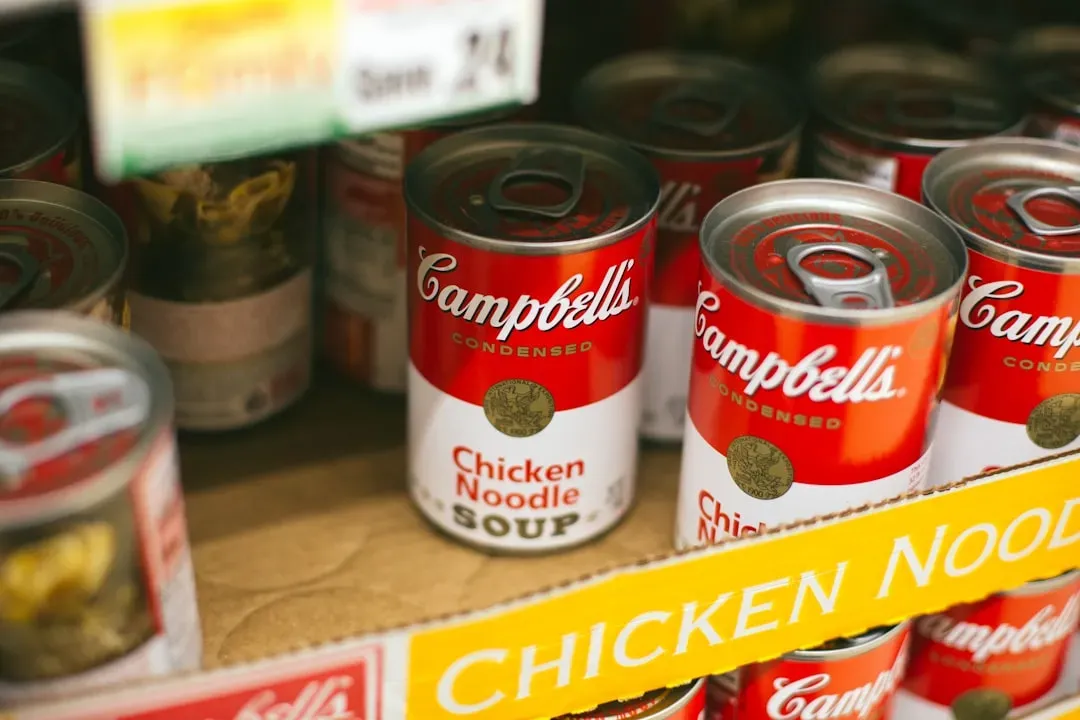
The canning process sterilizes food by sealing it in an airtight environment and heating it to destroy bacteria, giving it a remarkably long shelf life. As long as the can isn’t rusted, swollen, or leaking, the contents are generally safe to eat. The only thing you might notice is a slight change in flavor or texture over time. A slightly softer vegetable or a muted flavor after two years is not a health risk.
You can eat acidic canned foods such as canned tomatoes or pineapples twelve to eighteen months after the date. Non-acidic canned goods like vegetables, soups, and meats can remain safe up to two to five years after the printed date. If your cans look rusted or have deep dents or bulges, don’t eat what’s inside. Those physical signs are the real warning system. A date stamp alone is not.
4. Dry Pasta
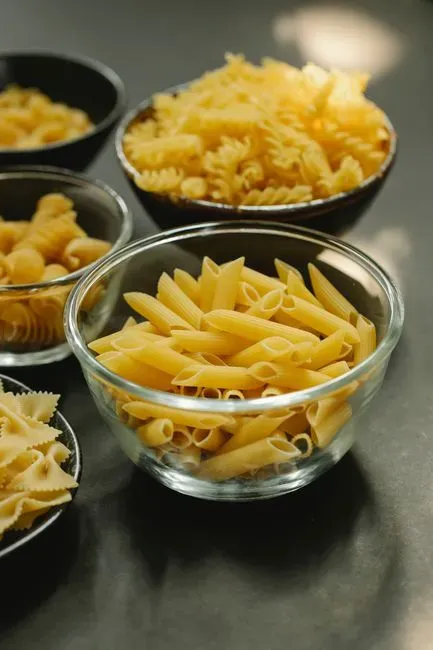
Dry pasta is one of the most forgiving pantry staples. Experts agree that dried pasta doesn’t “expire” in the traditional sense. It simply loses its quality over time. The absence of moisture means bacteria and mold can’t thrive, so even a year or two beyond the printed date, your penne or spaghetti is likely fine. You might notice a slightly different texture when it’s cooked, but the safety issue simply isn’t there.
For the best quality, the USDA and most sources recommend keeping pasta no more than two years. Store it in an airtight container in a cool, dry place, as the pasta is affected by extreme temperatures and humidity. Toss expired dried pasta only if the noodles appear blotchy or discolored, or if you find insects or larvae in the noodles. Absent those signals, that box in the back of your cupboard is still dinner.
5. White Rice
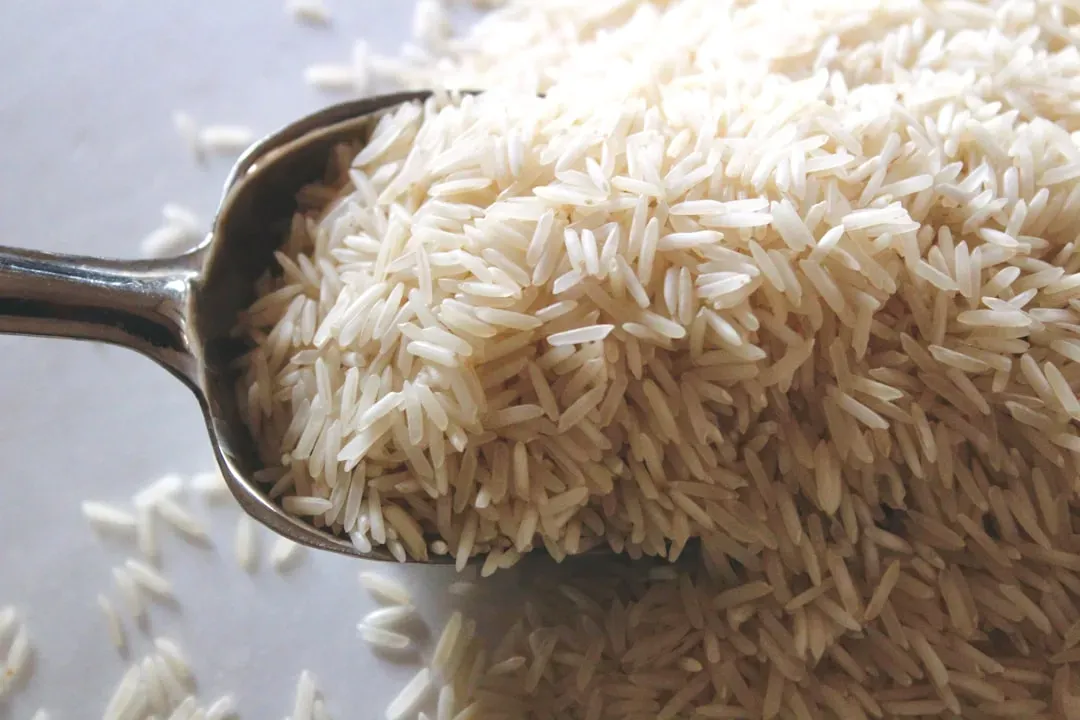
Whole-grain rice and milled rice have very different shelf lives. Whole-grain rice like brown, red, or black rice deteriorates faster because of the oils in its natural bran layer. When stored in an airtight container, whole-grain rice has a shelf life of around six months. White rice, however, is an entirely different matter and doesn’t follow those same rules.
Inside an airtight food storage container, all varieties of uncooked white rice will last virtually indefinitely when kept in cool, dry conditions. The date on the bag of white rice is essentially a manufacturer’s suggestion rather than a deadline. Product dating was never intended to serve as an indicator of food safety. In fact, most foods, when kept in optimal storage conditions, are safe to consume and maintain an acceptable level of quality well past the label date. White rice is perhaps the clearest example of that principle in action.
6. Honey
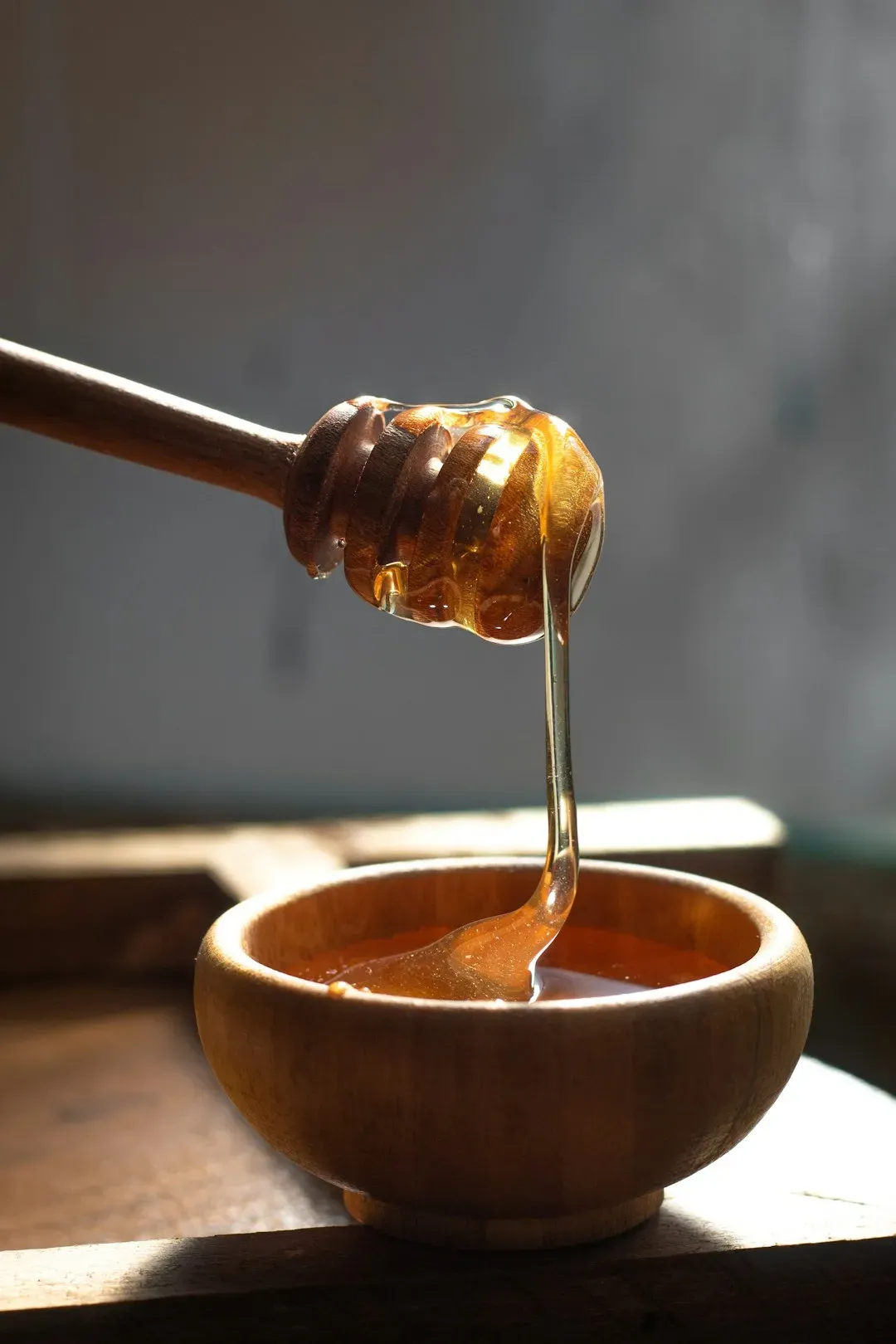
Honey is genuinely one of the few foods in existence that does not spoil in any practical sense. Its chemistry, specifically its low moisture content, natural acidity, and hydrogen peroxide content, creates an environment where bacteria simply cannot grow. Archaeologists have found edible honey in ancient Egyptian tombs that is thousands of years old. The “best by” date on a jar of honey is there for regulatory reasons and has almost nothing to do with safety.
Among the most flexible pantry items, honey has an indefinite shelf life when stored properly. Crystallization, which is the granular texture that sometimes forms, is a natural physical process and does not mean the honey has spoiled. Gently warming the jar in warm water will bring it back to a smooth consistency. As long as no water has been introduced into the jar, your honey is fine regardless of whatever date the label carries.
7. Soy Sauce
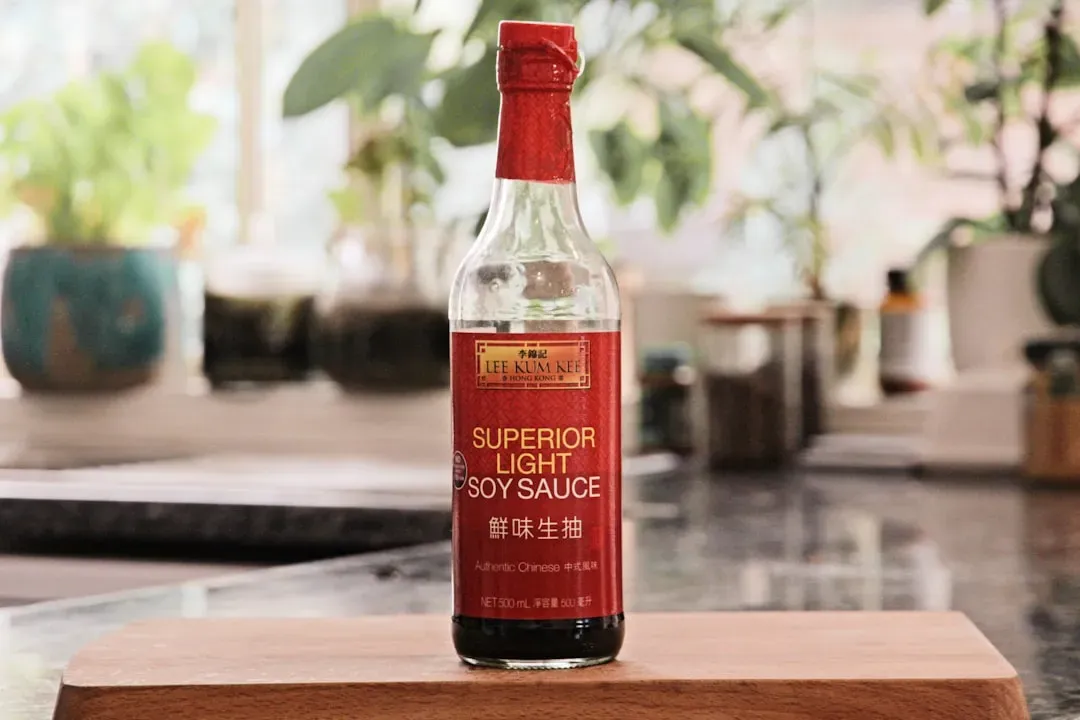
Products like mustard, soy sauce, and vinegar contain high levels of salt or acid, which help keep bacteria away. Even unopened ketchup or salad dressing often stays good months past its printed date if stored properly. The only issue you might face is that the taste might be a little off, or some separation might occur. For soy sauce specifically, the high sodium concentration acts as a powerful natural preservative.
Condiments like soy sauce usually carry a best before date and not a use by date or expiration date. Because of this distinction, you may safely use soy sauce after the best before date has lapsed if it has been stored properly. Soy sauce and teriyaki sauce can remain safe for up to three years past their coded date. A darker color or slightly muted flavor after opening is normal and not a reason to discard it.
8. Frozen Vegetables
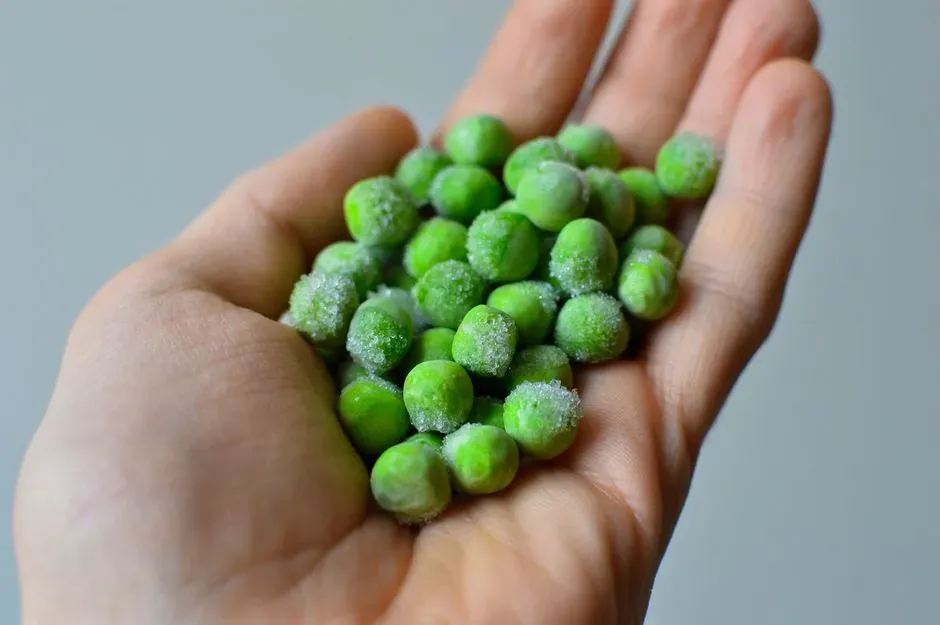
If you find a bag of peas in your freezer from two years ago, don’t panic. Freezing halts bacterial growth completely, meaning as long as your freezer has stayed below 0°F (-18°C), those fruits and vegetables are still safe to eat indefinitely. The printed date on a bag of frozen corn or spinach is about texture and flavor, not about whether it will make you sick.
Once a perishable item is frozen, it doesn’t matter if the date expires. Foods kept frozen are safe indefinitely, though the quality slowly deteriorates over time. Freezer burn, that chalky white discoloration on the surface, affects taste and texture but is not a food safety concern. A slightly freezer-burned pea is still nutritionally intact and safe. Throwing away frozen vegetables because a date on the bag has passed is perhaps the most avoidable form of food waste there is.
The broader pattern across all eight of these foods is the same. Confusion over the meaning of dates applied to food products can result in consumers discarding wholesome food. To reduce food waste, it is important that consumers understand that the dates applied to food are for quality and not for safety. California recently passed a law that requires the standardization of food date labels, with “best if used by” indicating when food is at its peak freshness and “use by” reserved for actual food safety concerns. Until clearer labeling becomes standard everywhere, the best tools you have are your eyes, your nose, and a basic understanding of what those printed dates actually mean.


Leave a Reply