
Some recipes come and go. Pot roast stays forever. When it comes to comforting one-pot meals, pot roast stands out from the rest due to its tender, melt-in-your-mouth texture, rich delicious gravy, and abundance of rustic vegetables – a flavorful, meaty meal that is time-tested and remains a cozy staple on cold winter nights. Year after year, home cooks return to this dish, and for very good reason. Pot roast recipes dominated 2024, with slow-cooked roasts and sheet pan dinners ranking among the most popular and most-made dishes of the entire year. This is the guide to making it absolutely right – every single time.
Why Pot Roast Has Never Gone Out of Style
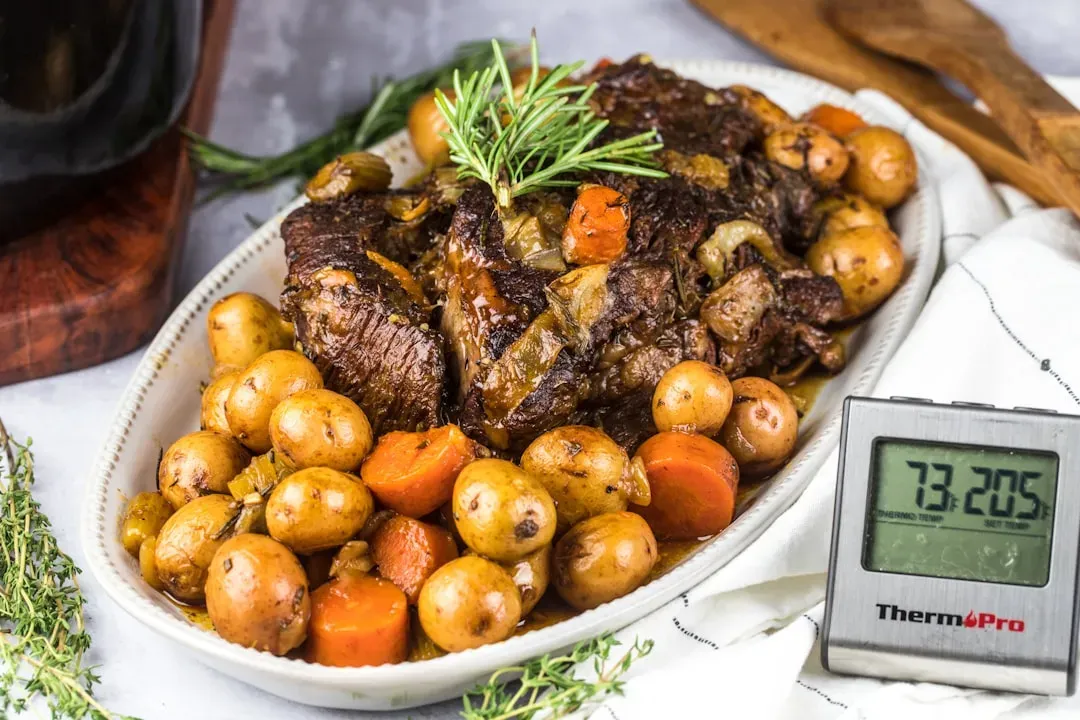
Why Pot Roast Has Never Gone Out of Style (Image Credits: Unsplash)
Pot roast is a quintessential American meal. The recipe first began appearing in cookbooks in the late 19th century, when it was heralded as a low-effort meal that could be prepped quickly and then left to simmer all day. Today, pot roast remains a familiar comfort. It has survived every food trend that has come along since, from nouvelle cuisine to air fryer mania, and it has outlasted them all. There is something about slow-cooked, fork-tender beef that no trend can replace.
Pot roast is so popular because it is inexpensive, yields a ton of servings, and makes the whole house smell delicious and warm. It can be easily adapted to your kitchen, working just as well on the stovetop in a Dutch oven as it does in the slow cooker or even in the oven. This dish is more than a meal – it feeds the soul. And perhaps even better, it only requires 10 to 15 minutes of prep before going in the oven. That ratio of effort to reward is genuinely hard to beat.
Choosing the Right Cut: This Decision Changes Everything
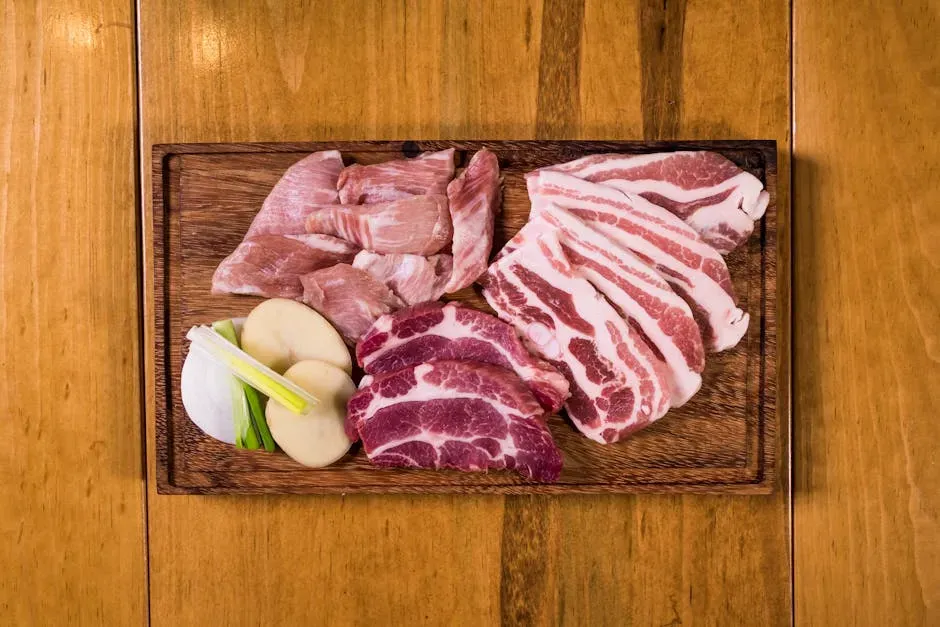
Choosing the Right Cut: This Decision Changes Everything (Image Credits: Pexels)
The go-to choice for pot roast is a chuck roast, due to its rich and beefy flavor, tough marbling that breaks down beautifully with low-and-slow cooking methods, and a cheaper price point. The chuck is from the cow’s shoulder, the brisket is from the chest, and the round is from the rear above the cow’s hind legs – all flavorful because areas of the cow that do a lot of work carrying weight end up developing a lot of connective tissue and muscle fibers. Those are exactly the qualities you want for this dish.
The connective tissue called collagen is what makes pot roast melt-in-your-mouth tender. Collagen wraps tightly around meat’s muscle fibers, so cuts that have a lot of it can be tough and rubbery when raw or cooked quickly over high heat. Long, slow cooking begins to melt the collagen, turning it from elastic to gelatin. This is what makes pot roast so tender and easy to carve, and also why the liquid it cooks in becomes naturally thick and luscious. Cuts like tenderloin or ribeye should be avoided, as they do not contain the high amounts of collagen that break down into gelatin, as the tougher cuts do.
The Science Behind Low and Slow: What’s Actually Happening in That Pot
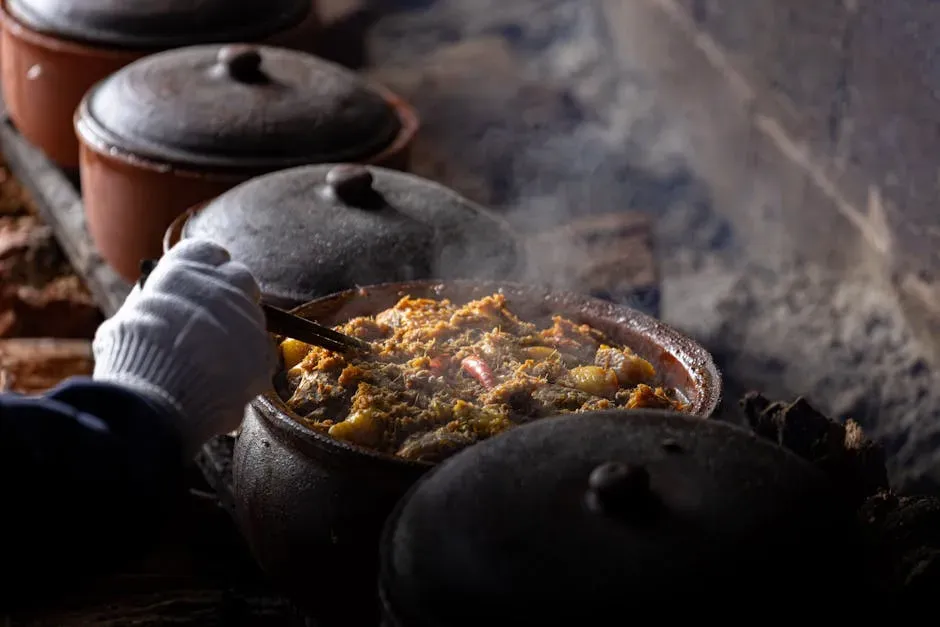
The Science Behind Low and Slow: What’s Actually Happening in That Pot (Image Credits: Pexels)
Slow-cooked meals are generally easier to make and very cost-effective using cuts of meat that improve in texture and flavor when cooked for long periods of time at low temperatures. These tough cuts of meat contain large amounts of collagen, which require long cooking times to break down into a rich gelatin. This collagen-to-gelatin transformation occurs most effectively at internal temperatures between 190°F and 205°F. At these temperatures, the collagen denatures and hydrolyzes, essentially melting away and creating a tender, flavorful result. Cooking at lower temperatures might leave the collagen intact, resulting in a tougher, less desirable texture. Conversely, excessively high temperatures can dry out the meat, negating the benefits of the slow cooking process.
Instead of high heat, which would cause the collagen and connective tissues to shrink or contract rapidly, gentle heat relaxes the collagen so that it can melt and become gelatin, which absorbs the water inside the meat. By absorbing up to ten times its weight in the liquids that the meat is releasing, collagen keeps the flavor locked into the meal. Braising – which generally means slowly simmering a dish in a small amount of liquid over low heat in a covered pot – is the technique that makes pot roast and stews so exceptional. This is not just good cooking practice. It is applied food science.
Building the Flavor Layer by Layer: The Full Recipe Process
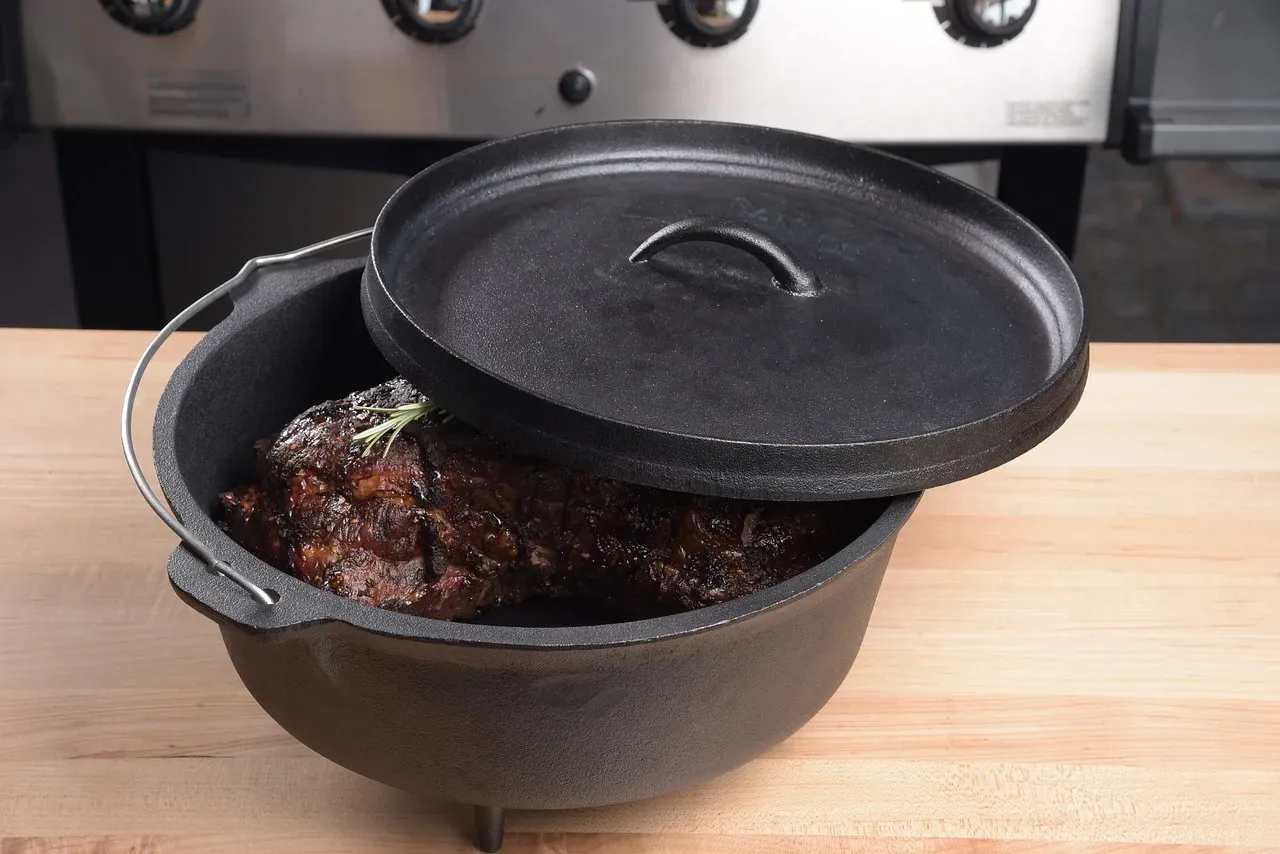
Building the Flavor Layer by Layer: The Full Recipe Process (Image Credits: Pixabay)
First, prepare a dry rub by combining your spice and herb ingredients together. Rub the roast down on all sides using every last bit of that spice rub. Then heat olive oil in a Dutch oven or heavy pot over high heat and liberally sear the roast on all sides until a dark brown crust forms. Add onions to the pot and cook for about 10 minutes until starting to brown. Add the garlic and cook for another minute. Add the carrots and celery and cook for 3 to 5 minutes. Then deglaze the pan, adding wine and bringing it to a boil, scraping up the browned bits of beef from the bottom of the pan. Those scraped-up bits are pure flavor.
Transfer the roast to the Dutch oven or slow cooker along with carrots, celery, potatoes, garlic, tomato paste, beef broth, bay leaf, and fresh thyme – or add the carrots and potatoes about an hour after the other ingredients and the meat. Fresh rosemary and thyme sprigs tossed in the pot during the roast make an amazing difference in flavor. Dried herbs simply cannot compete. This pot roast makes for the perfect make-ahead dish because its flavor gets even better the next day. It will keep in the fridge for up to 4 days and also freezes well for up to 2 months.
The One Mistake to Avoid: Skipping the Sear
The One Mistake to Avoid: Skipping the Sear (Image Credits: Unsplash)
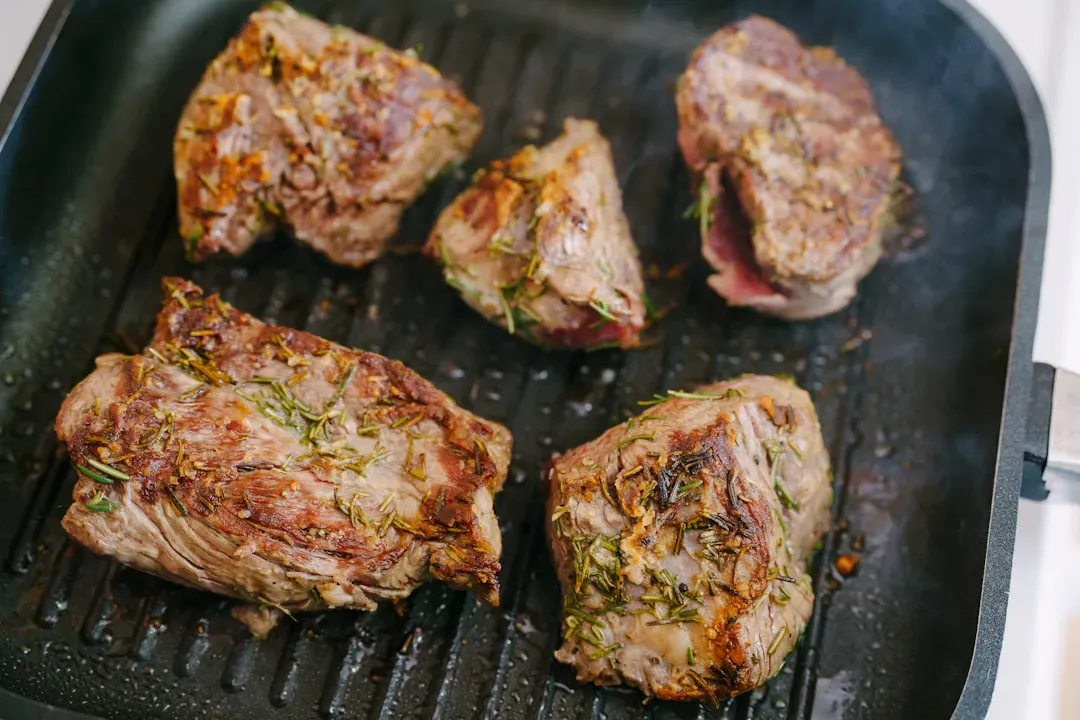
Skipping the sear is the one step you should never skip when making pot roast – and yet, some people forget to do it. Once you have chosen the cut of beef for your juicy, tender pot roast, it is time to sear it. If you are busy, you may be tempted to just place the meat in a crockpot and go, but it is essential to give it a good sear first. If you skip this step, it may prove to be a big mistake when it is time to eat. The results are noticeably flatter in both flavor and appearance.
As culinary expert Mike Saperstein puts it, “Searing is a non-negotiable step for me. You’re not just browning meat – you’re building layers of flavor through the Maillard reaction.” This reaction is especially important when cooking meat because it “caramelizes the exterior and creates that deep, rich umami we associate with well-developed stews and roasts.” The reason searing the meat over high heat is so effective is because it caramelizes the exterior of the protein through the Maillard reaction. This gives it a deeper flavor, and also leaves behind the small brown bits – called fond in culinary terms – which add even more of a rich, beefy taste. No other step in the entire process delivers that same return on investment.




Leave a Reply