
When people talk about the best places to live in the United States, the conversation almost always gravitates toward the same familiar names. Austin. Denver. Nashville. Portland. These cities have been written about so many times that their reputations now precede them by years. What tends to get missed in that conversation are the genuinely well-run, affordable, safe, and culturally rich small cities quietly scattered across the country, the ones that locals adore and outsiders have simply never thought to investigate.
SmartAsset ranked 279 cities with population sizes between 65,000 and 100,000 across seven metrics reflecting how each city offers a well-rounded spread of livability factors, including housing affordability, poverty and unemployment rates, and health insurance coverage. The results revealed something worth paying attention to: the cities that consistently topped those lists weren’t the flashy ones. They were the overlooked ones.
Carmel, Indiana: The Midwest’s Quietly Exceptional City

Carmel, Indiana, ranks as the best small city to live in, thanks to a combination of strong economic performance, health outcomes, and safety. The city boasts one of the lowest unemployment rates in the nation, alongside relatively affordable housing, with rent accounting for just about a seventh of the median household income. Households earn a median annual income of nearly $135,000, placing Carmel in the top ten percent of cities studied.
Beyond finances, Carmel stands out for well-being, with the eleventh-lowest share of adults in poor health, one of the lowest premature death rates, and exceptionally safe streets. Roughly 30 minutes outside of Indianapolis, Carmel is a picturesque city with a stellar arts scene and top-rated schools. Most people flying into Indianapolis have never considered stopping north of the beltway. That’s quietly worked in Carmel’s favor for years.
Brookfield, Wisconsin: A Milwaukee Suburb Worth More Than a Second Glance

Brookfield, Wisconsin, features a remarkably low unemployment rate and just a small fraction of residents living in poverty. The city’s median credit score ranks in the top ten nationally. Nearly all residents are insured, and Brookfield has one of the country’s lowest rates of adults reporting poor health.
Over 98 percent of the Milwaukee suburb’s population has health insurance, the eleventh-highest percentage in the nation, and the city has an exceptionally high homeownership rate. Eau Claire offers boundless natural beauty and opportunities for outdoor adventure. Brookfield, however, has earned impressive rankings in categories such as work-life balance, best places to retire, and best places for business and careers. Outside of Wisconsin, almost no one has heard of it. Inside Wisconsin, residents tend to want to keep it that way.
Apex, North Carolina: The Triangle’s Best-Kept Secret
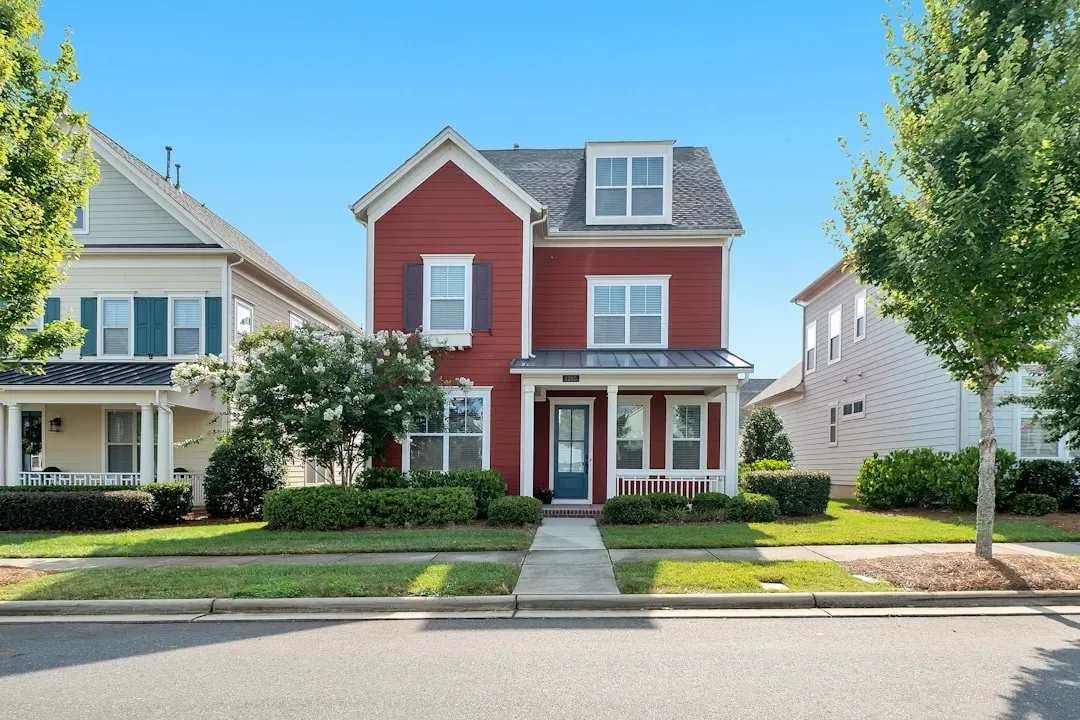
Apex’s poverty rate is the fifth-lowest among the roughly 1,300 cities analyzed. Residents enjoy a median household income exceeding $138,000 and a median credit score of 770. Apex came in third nationally, with the twelfth-lowest unemployment rate and a strong twentieth-place ranking for employment growth.
It sits in the Research Triangle region of North Carolina, close enough to Raleigh and Durham to benefit from their economies, yet distinct enough to feel like its own community. Housing costs make up only a modest portion of annual income in places like Apex, which ranks among the most affordable cities relative to incomes in the entire study. The name Apex barely registers outside the state, which is genuinely surprising given how competitive its livability numbers are.
O’Fallon, Missouri: The St. Louis Suburb That Punches Above Its Weight

Just over 30 miles away from St. Louis, O’Fallon, Missouri, leads SmartAsset’s study as the most livable small city in America in its category. Nineteen of the 25 most livable small U.S. cities identified by SmartAsset are in the Midwest, with O’Fallon, Missouri, claiming the top spot, followed by Oshkosh and Eau Claire in Wisconsin.
What makes O’Fallon compelling isn’t flash. It’s the fundamentals: low crime, strong schools, manageable housing costs, and a stable local economy with close proximity to a major metro. Eight out of the top ten cities in SmartAsset’s study are located in Midwestern states, and all eight rank within the top 70 for strong home affordability and within the top 60 for low unemployment rates. O’Fallon fits that Midwestern pattern almost perfectly.
Plymouth, Minnesota: The Twin Cities’ Most Livable Neighbor

Plymouth, Minnesota, is the most livable small city in SmartAsset’s ranking. It ranked among the top ten percent of cities for multiple factors, with nearly 99 percent of the population covered by health insurance. Housing is relatively affordable, with only a modest share of the median household income going to monthly payments. Poverty and unemployment were also among the lowest studied.
Plymouth sits just west of Minneapolis, close enough to access the full urban infrastructure of the Twin Cities metro but separated enough to have a genuinely suburban, community-oriented feel. It’s not glamorous in the way that coastal cities style themselves, but that’s precisely the point. The combination of financial stability, healthcare access, and low poverty makes Plymouth one of the more quietly impressive places to actually build a life in America.
Leander, Texas: The Austin Suburb Most People Haven’t Thought to Move To Yet

Northwest Austin neighbors Leander and Cedar Park top the list of best small cities in the metro area. Leander ranked in the 97th percentile of WalletHub’s national survey, while Cedar Park ranked in the 94th percentile. Located about 26 miles northwest from downtown Austin, Leander’s thriving economic environment ranked second nationally in WalletHub’s ranking of small cities with the best economic health.
Nearby Princeton, a Dallas-area suburb, claimed the title of fastest-growing city in America between 2023 and 2024, with population surging roughly 30 percent in just one year. Affordable homes combined with easy access to major city jobs have turned these once-quiet towns into magnets for families and young professionals. Leander is following a similar trajectory, still affordable relative to Austin proper but gaining fast. The window to discover it on your own terms is narrowing.

Leave a Reply