
Most people walk through a home and notice the kitchen countertops, the backyard, or the freshness of the paint. Inspectors walk through the same house and see something else entirely. Their eyes go straight to the things sellers hope nobody notices – the quiet signs of systems failing, materials aging out, or corners cut decades ago that are now quietly costing someone money.
Roughly 86 percent of home inspections find something that needs a fix. That figure sounds alarming until you understand what it actually means: virtually no home is problem-free, and that’s normal. What matters is knowing which findings are truly serious. The seven features below are the ones inspectors flag most often – and the ones that consistently cause the worst downstream damage.
1. Aging or Damaged Roofs
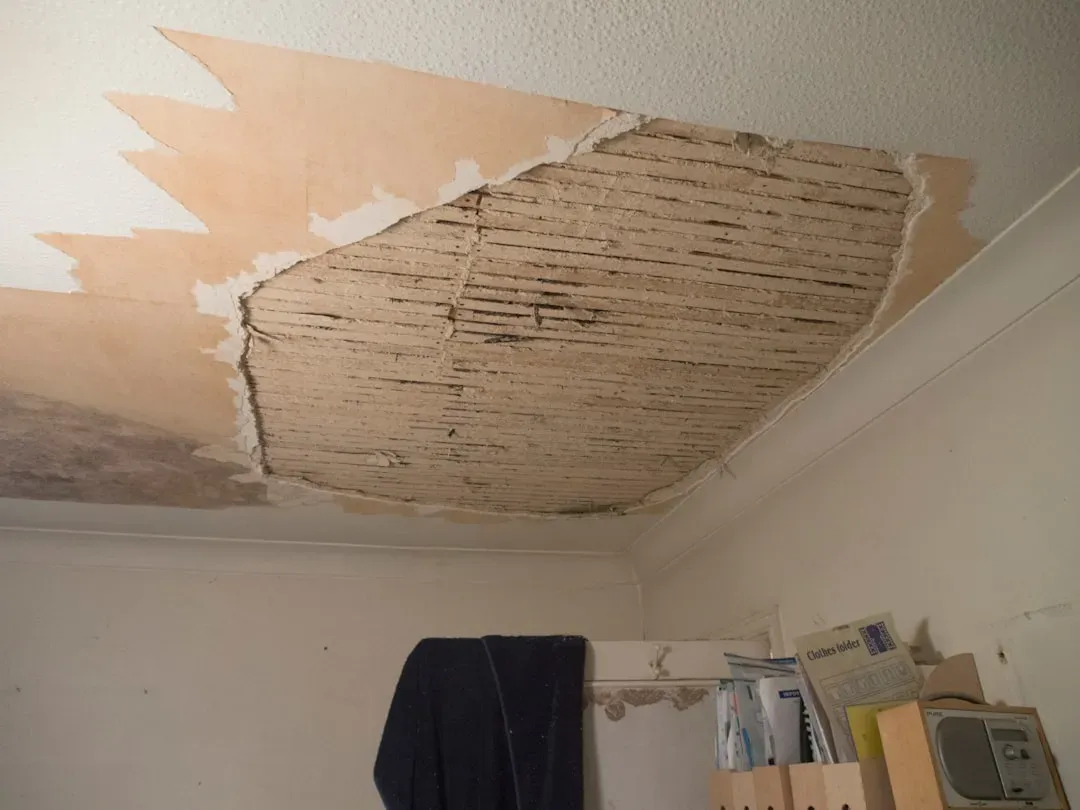
Over 19 percent of home inspections uncover roofing issues, making the roof consistently the most cited problem across inspection reports nationwide. Roofs made of traditional asphalt shingles typically last around 15 to 40 years, depending on the location of the home and the weather or climate there. That lifespan shortens quickly in places with heavy snow, hail, or intense heat cycles.
Roof leaks are one of the most common problems, often caused by worn-out shingles, poor installation, or damage from severe weather. Water leaks can lead to ceiling stains, insulation damage, and mold growth. Inside the home, water stains on the ceiling could indicate a leaking roof, and freshly painted ceilings or differences in ceiling texture could be a sign that the present owners are attempting to cover up damage.
2. Outdated or Faulty Electrical Systems
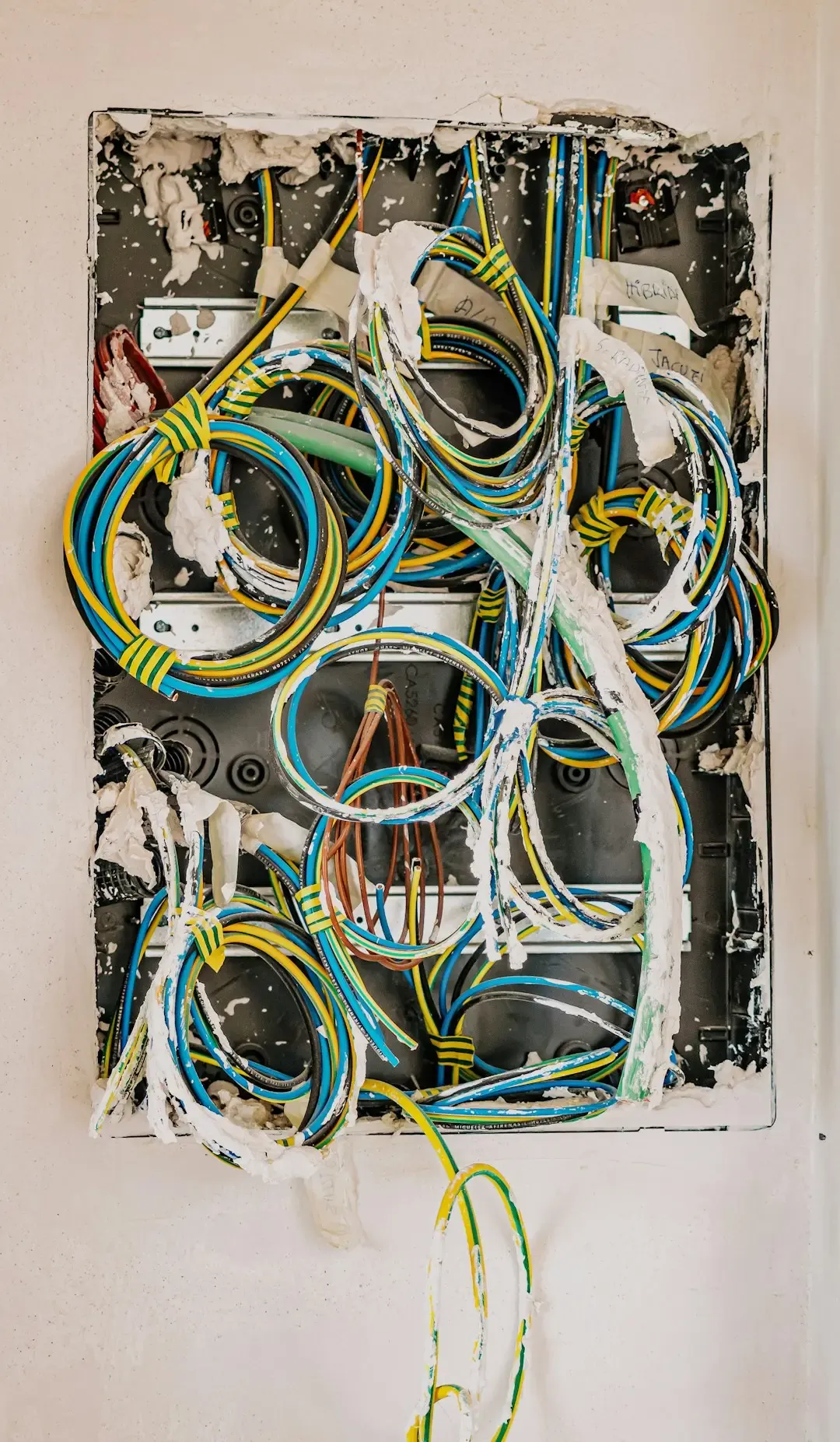
Old or unsafe wiring is a serious safety concern. Home inspections often uncover problems like outdated electrical panels, exposed wires, overloaded circuits, and missing GFCI outlets. In older homes, knob-and-tube wiring is still a big issue in 2025. Approximately 51,000 fires start each year in the home due to improper wiring.
Aluminum wiring can be found in older homes from the 1960s and 70s but has since been found to pose a fire risk, especially if not properly maintained. It can expand and contract more than copper, which may lead to loose connections and overheating. Outdated or overloaded electrical panels pose a safety risk and may not meet modern power needs. Inspectors check amperage, condition, and code compliance, as some older panels and brands are fire hazards and can’t support new appliances.
3. Foundation and Structural Problems

Structural concerns are among the most serious findings during a home inspection because they can affect safety and long-term stability. Inspectors look for signs of movement, moisture problems, or weakened support structures. Minor foundation issues include hairline settling cracks less than a quarter inch wide that aren’t growing. Major issues involve horizontal cracks, stair-step patterns, or cracks wider than a quarter inch.
Houses can experience uneven settling, particularly if the soil beneath the foundation was not properly prepared. This can lead to sloping floors, doors and windows that don’t close properly, or cracks in walls. Often, newer homes built in the last 10 to 15 years suffer from structural issues due to poor soil compaction that doesn’t allow the foundation to settle properly. Foundation repairs aren’t cheap either: the typical repair cost range is $2,200 to $8,100, but costs can vary significantly based on the extent of foundation damage.
4. Plumbing Issues and Aging Pipes
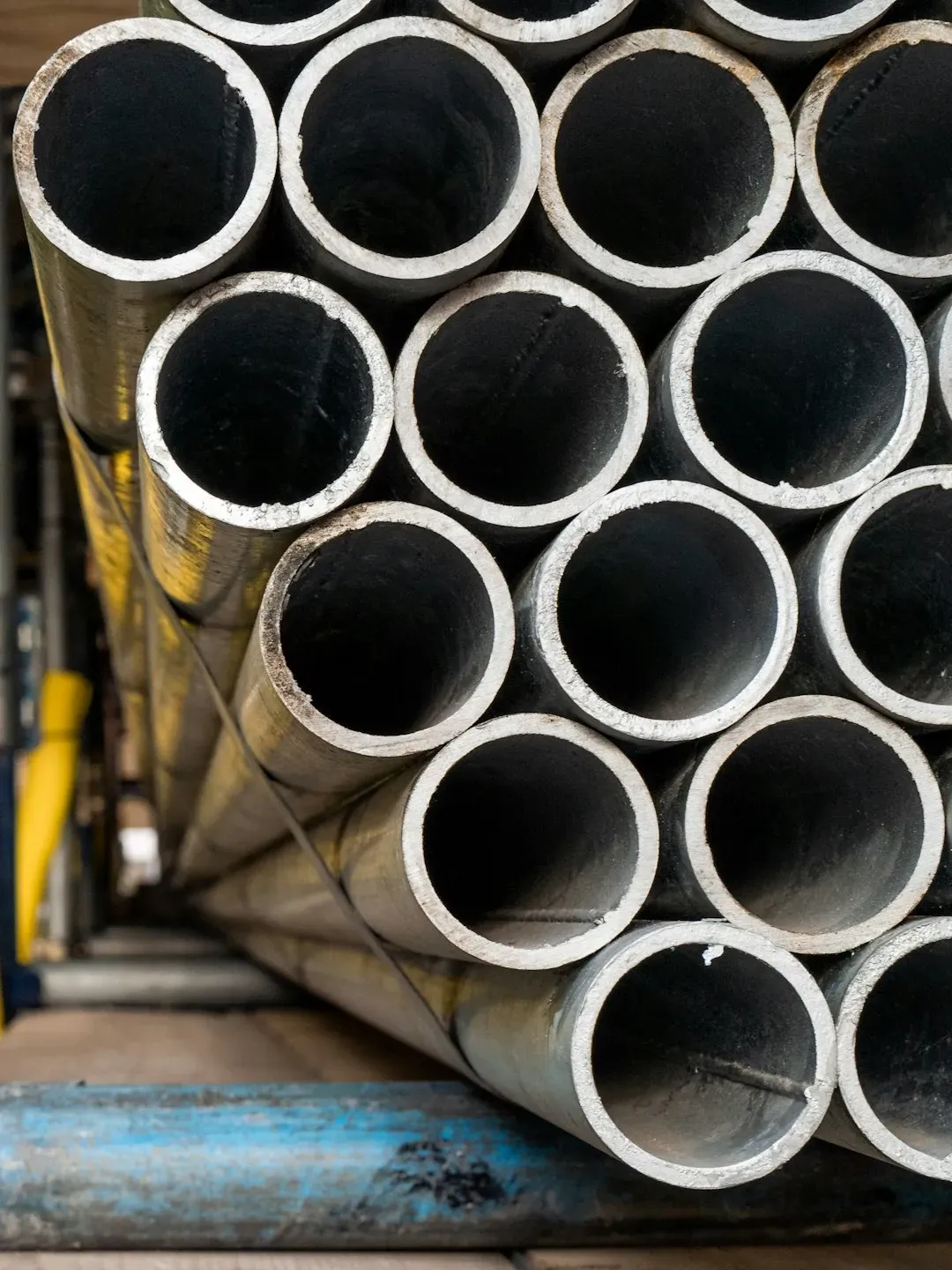
More than 13 percent of home inspections find issues with plumbing. Home inspectors spend extra time inspecting plumbing systems because of their complexity. Like electrical and HVAC systems, plumbing can set you back thousands of dollars. Older pipes, particularly those made of galvanized steel, can corrode, causing water quality issues and potential leaks. In 2024, many homes built before the 1970s still have these outdated materials, making them susceptible to failure.
Most inspectors will also check for polybutylene pipes, which were standard in construction in the 1980s and 1990s but were banned from use in 1995 due to significant leaking risk. Along with leaks, galvanized pipes are difficult to repair, and rusted pipes can release lead into the water. Especially if a line is used for drinking water, it’s best to get galvanized pipes replaced as soon as possible.
5. HVAC Systems That Are Aging or Poorly Maintained
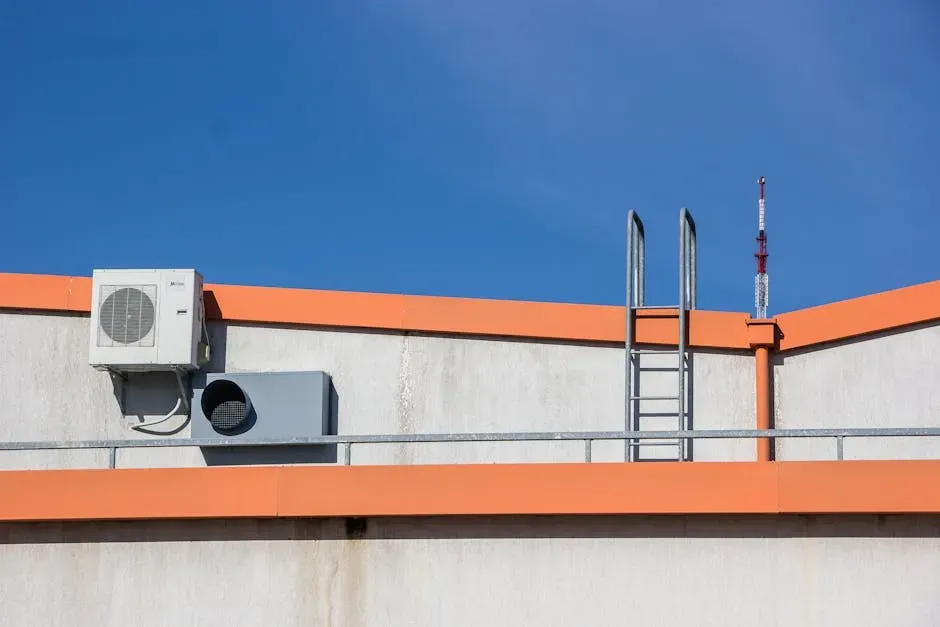
HVAC systems affect comfort, air quality, and energy costs. An aging system may need replacement, and poor maintenance can cause mold or dust in ducts. Heating and cooling system issues are standard and can be systems not running as efficiently as they should, ductwork incorrectly installed or not properly sealed, or units at the end of their lifespan. Generally, heating and cooling units have a lifespan of 15 to 25 years, depending on routine service, maintenance, and other care.
Inadequate maintenance of HVAC equipment is a common finding. Dirty condenser coils on the air conditioner unit and dirty furnace filters can lead to major repairs. The equipment may be at or near its life expectancy and require replacement. Many homeowners simply lose track of how old their system is, which is exactly why inspectors treat HVAC age as a serious line item rather than a minor note.
6. Mold, Moisture, and Poor Drainage
Inspectors are trained to spot signs of water damage, especially around windows, ceilings, basements, and attics. In 2025, one of the top reasons homes fail inspection is because of mold and moisture buildup. Even a small leak can cause mold growth that leads to health concerns. Home inspectors often find attics that are insulated yet not ventilated, which makes them too hot in the summer. This lack of ventilation can make it harder to keep the house cool, while also potentially leading to mold and other issues.
Poor grading and drainage can lead to bigger problems like water in the basement or foundation damage. In 2025, inspectors are flagging homes where rainwater flows toward the house instead of away from it. If the water collects around the foundation, it can compromise the home structure. If unaddressed, it can also cause a house to collapse. The damage chain from drainage problems is long, and by the time it’s visible, it’s usually already expensive.
7. Pest Damage and Hidden Infestations

Termites, rodents, and carpenter ants are silent threats. In many areas, pest damage shows up as a hidden problem in inspections. In 2025, pest inspections are often required as part of real estate deals. Conditions that lead to termites taking up residence are moisture and wood elements in contact with the ground. Visual signs of termites can be mud tubes in the crawlspace or, in severe instances, the termites themselves.
Since termites eat wooden structures, treatment and replacement of affected parts can range in severity and cost. The average price of remediation if they’ve done significant damage is $1,000 to $10,000. What makes pest infestations particularly dangerous in the inspection context is how invisible they can be. Not all home issues are visible to the naked eye, and a professional home inspector could find problems that homeowners didn’t know existed. Pests are perhaps the clearest example of that reality.




Leave a Reply