
Most people can recall a moment when a glance across a room lasted a beat longer than expected. Nothing was said, yet something registered. Psychologists have been studying that small exchange for more than fifty years.
The findings are more specific than the popular idea of “chemistry” suggests. Gaze affects how attractive a face seems, how the body reacts, and how safe or threatening a stranger feels. Much of the best known work is older, and newer studies mostly refine it rather than overturn it.
Why the Eyes Draw Attention First

Human faces pull attention toward the eyes almost automatically. Eye tracking studies repeatedly show that people spend much of their viewing time on the eye region when looking at a face. Infants show a preference for faces with open eyes and direct gaze within their first days of life.
This early bias makes sense. Eyes show where another person’s attention is aimed, and that tells us whether we are being noticed. Attraction needs that signal, because interest only matters if it might be returned.
Direct Gaze and Perceived Attractiveness
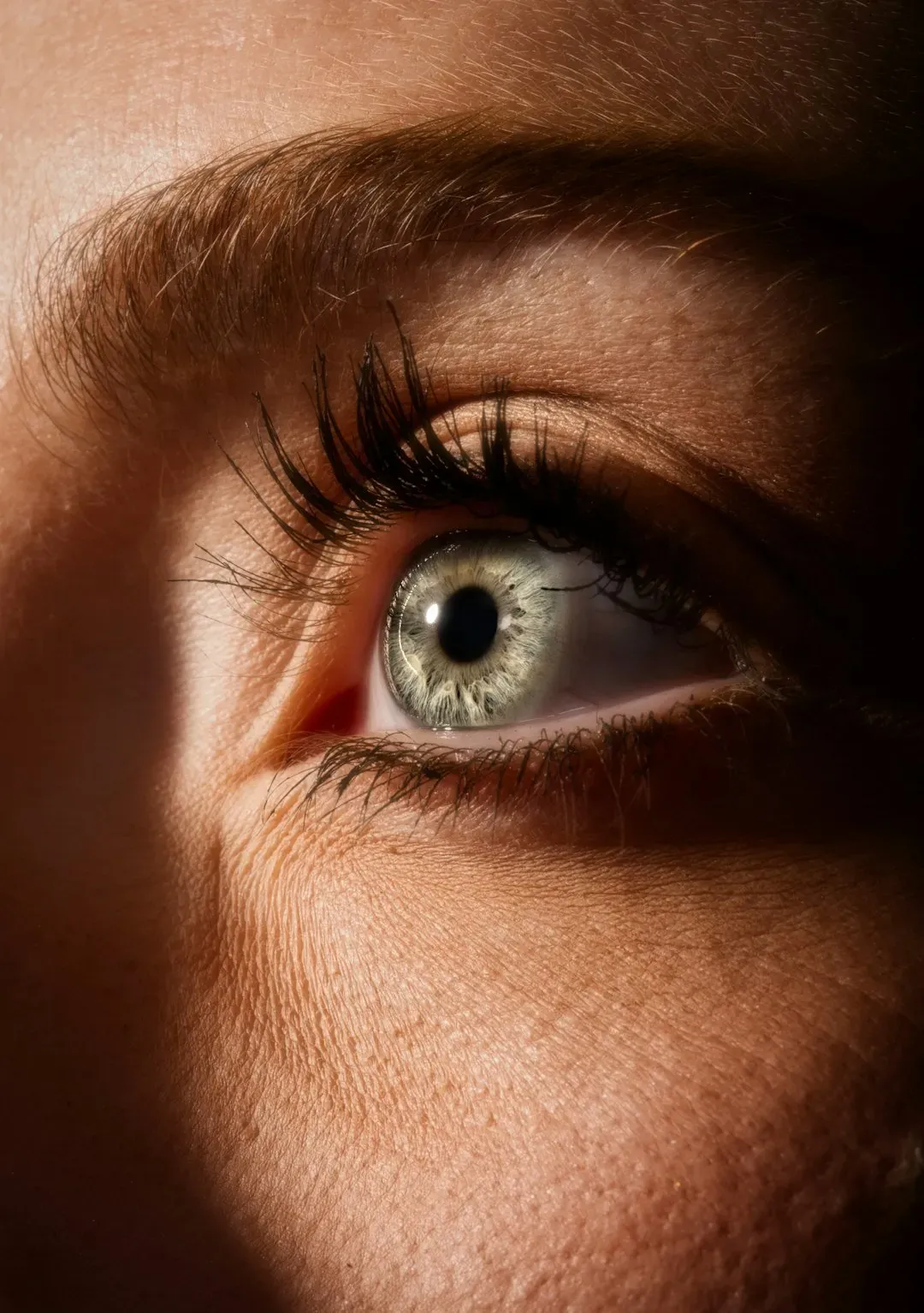
Experiments on gaze direction have found that a face looking straight at the viewer is often rated more attractive than the same face looking away. A 2010 study by Ewing, Rhodes and Pellicano, published in the journal Cognition, tested this idea and found that gaze direction shaped attractiveness ratings. The effect was not identical for every face, which hints that context matters.
Work by Conway and colleagues in 2008 added a useful twist. They found that direct gaze made attractive faces more appealing to viewers, while averted gaze could lower the appeal of the same faces in some conditions. In plain terms, a look can amplify attraction that already exists more than it can create it from nothing.
The Famous Two Minute Experiment

In 1989, Kellerman, Lewis and Laird reported a study in the Journal of Research in Personality. Pairs of strangers sat and gazed into each other’s eyes for two minutes, while comparison pairs looked at each other’s hands. The eye gazing pairs reported stronger feelings of affection and passionate love afterward.
The study was small and used a controlled setting, so it doesn’t prove that staring creates romance on demand. Still, it showed that sustained mutual gaze can shift feelings between people who have just met. It remains one of the most cited experiments on the subject.
What Happens in the Body

Being looked at directly can raise physiological arousal. Hietanen and colleagues, in a 2008 study, measured skin conductance and found that live direct gaze produced stronger arousal than averted gaze. This is the same type of measure used to track emotional intensity generally.
Arousal is not the same as attraction, though. The body can respond with a quickened pulse to both excitement and unease. How a person labels that reaction, often based on the other person’s face and the setting, largely decides whether it feels like interest or discomfort.
Pupils as Quiet Signals
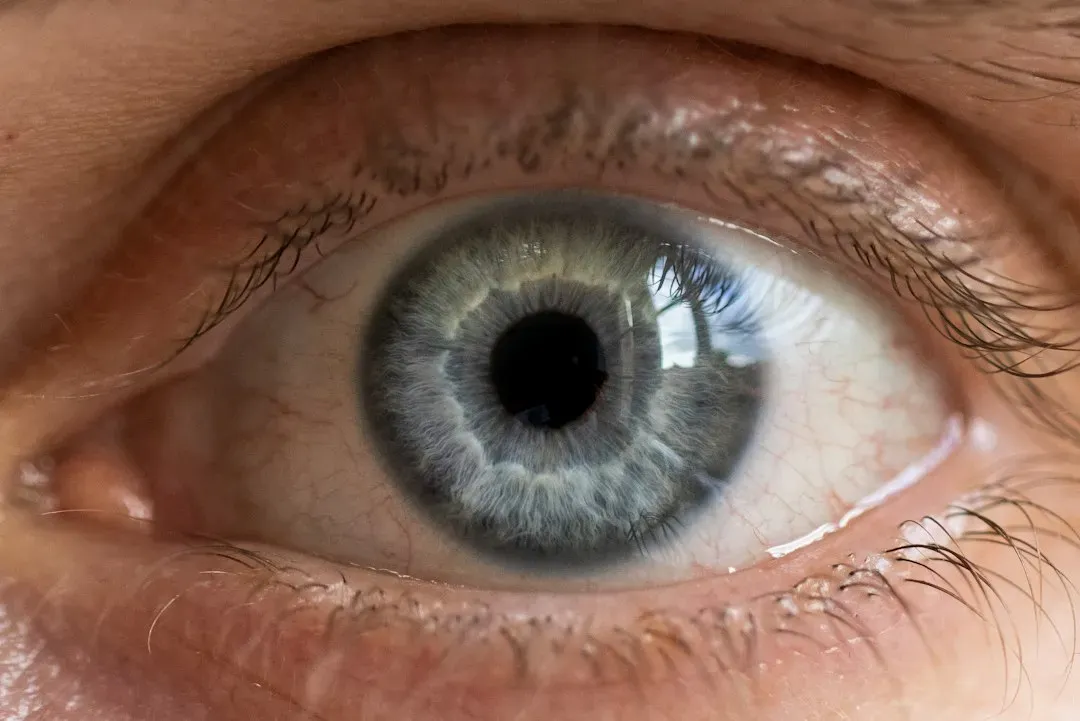
Pupil size is a subtler part of the story. Pupils widen in dim light and also with emotional arousal, and some studies have found that faces with larger pupils are rated as more attractive. Tombs and Silverman reported this in a 2004 paper in Evolution and Human Behavior.
Most of us don’t consciously notice pupil size across a table. Even so, the research suggests that observers can respond to it without being able to explain why. This is one reason attraction can feel instinctive rather than reasoned.
How Long Is Too Long?

Duration shapes whether eye contact feels warm or invasive. A 2016 study by Binetti and colleagues, published in Royal Society Open Science, found that people preferred mutual gaze lasting only a few seconds, around three seconds on average. Longer looks became uncomfortable for many participants unless the relationship was already close.
That helps explain why a brief look away can feel natural, even friendly. Holding a stare past the comfortable point can read as intensity or pressure. Preferences varied from person to person, so the average is a guide rather than a rule.
Gaze and the Signal of Approach
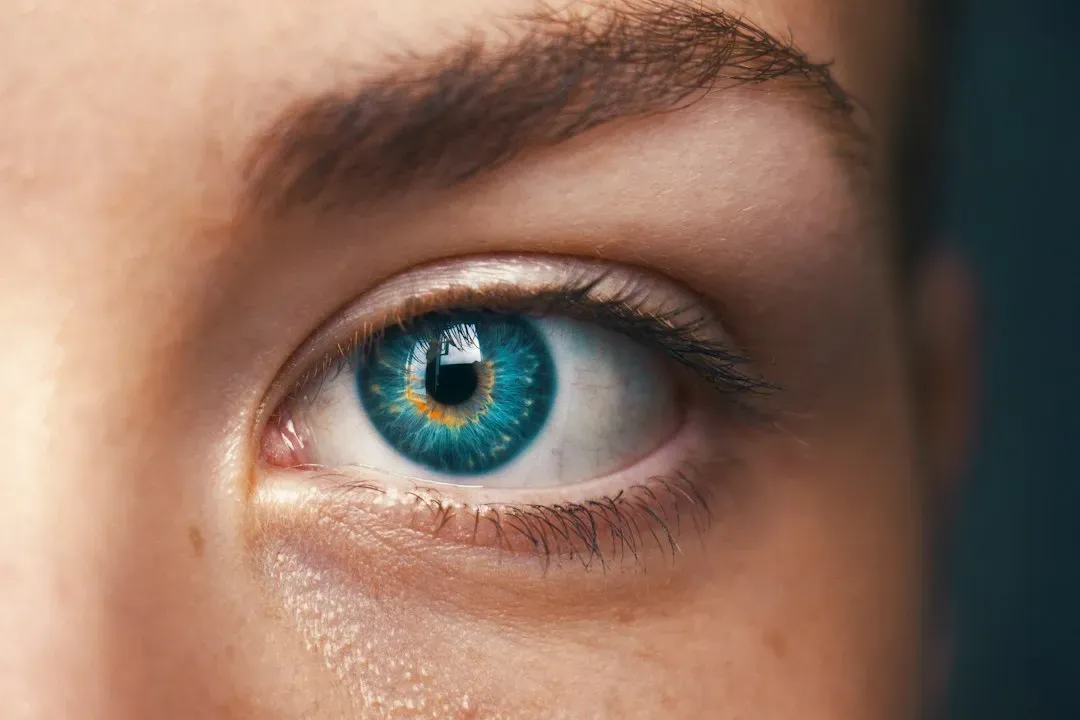
Gaze also tells us about intention. Research by Mason, Tatkow and Macrae in 2005 found that people preferred faces with direct gaze if those faces appeared to be approaching, and averted gaze if they appeared to be moving away. The look had to match the movement to feel coherent.
This points to a practical idea. Eye contact tends to work best when it fits the rest of someone’s behavior, such as turning toward you or leaning in. A direct look paired with a closed or retreating posture sends a mixed message.
Culture, Personality and Individual Differences

Norms around eye contact are not universal. Akechi and colleagues, in a 2013 study, found that Japanese participants judged faces differently from British participants when gaze was involved, and many researchers link this to different cultural expectations. In some settings, prolonged direct gaze can seem rude or confrontational rather than flirtatious.
Personality matters too. People with social anxiety often find eye contact stressful, and autistic people may find it uncomfortable or overwhelming. Reading a lack of eye contact as disinterest can therefore be a mistake.
Eye Contact in Established Relationships

The role of gaze doesn’t end once a couple is together. In early work from 1970, Zick Rubin found that couples who scored higher on a love scale spent more time looking at each other during conversation. The finding was correlational, so it can’t show which came first.
Gaze can also support everyday closeness. Attentive eye contact during conversation signals listening, and listening is a consistent ingredient in how responsive and valued partners feel. Attraction, in other words, can be renewed through ordinary attention as well as first glances.
Using Eye Contact Well

The research points toward a modest approach. Short, warm looks that are broken naturally, paired with an open expression such as a smile, tend to read as friendly interest. Staring, or forcing contact, tends to work against the person doing it.
Context should guide the choice. Watching how the other person responds, whether they hold your gaze, return it or look away, gives real information about their comfort. Eye contact supports attraction best when both people choose to take part in it.





Leave a Reply