
Most cats don’t care about the scenery. They care about whether the smell of home is still nearby, and a long road or a flight can feel like losing it. That’s why a cross-country move tends to go better when the planning starts weeks ahead of the departure date.
The advice below reflects what veterinary groups and experienced cat owners commonly recommend. Nothing here is complicated, though a few of these steps are easy to skip when the moving list is already a mile long.
Get the Carrier Familiar Well Before the Trip
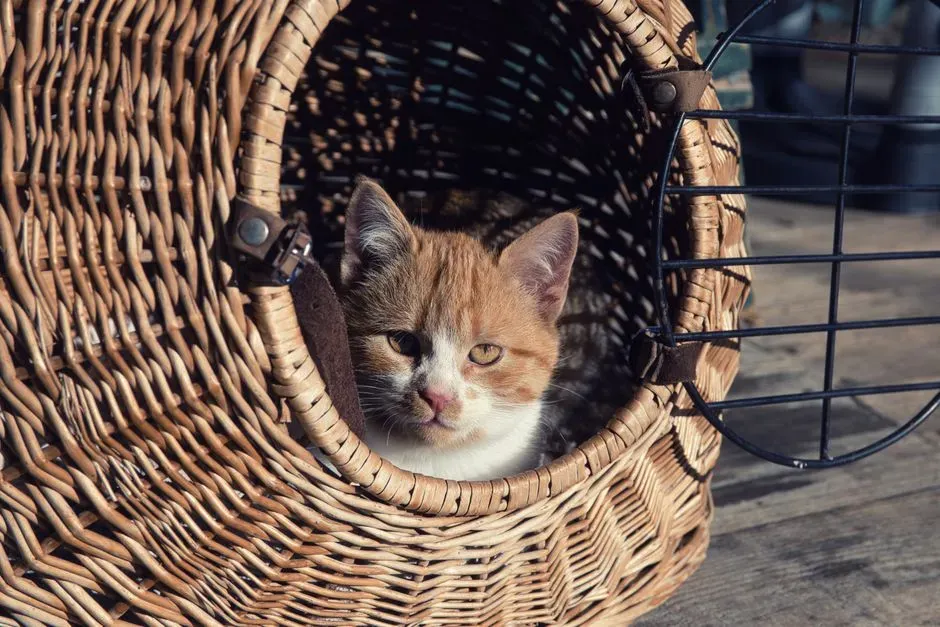
A carrier that only appears on vet days becomes a symbol of bad news. Leave it out in a living space for a few weeks, with a soft blanket inside, so your cat can wander in on its own. Treats and the occasional meal near or inside it help build a calmer association.
Choose a sturdy, well-ventilated carrier that opens from the top as well as the front. That makes it easier to lift a nervous cat out without pulling. If you’re flying, check your airline’s size limits for under-seat carriers before you buy anything.
Book a Vet Visit and Paperwork Check
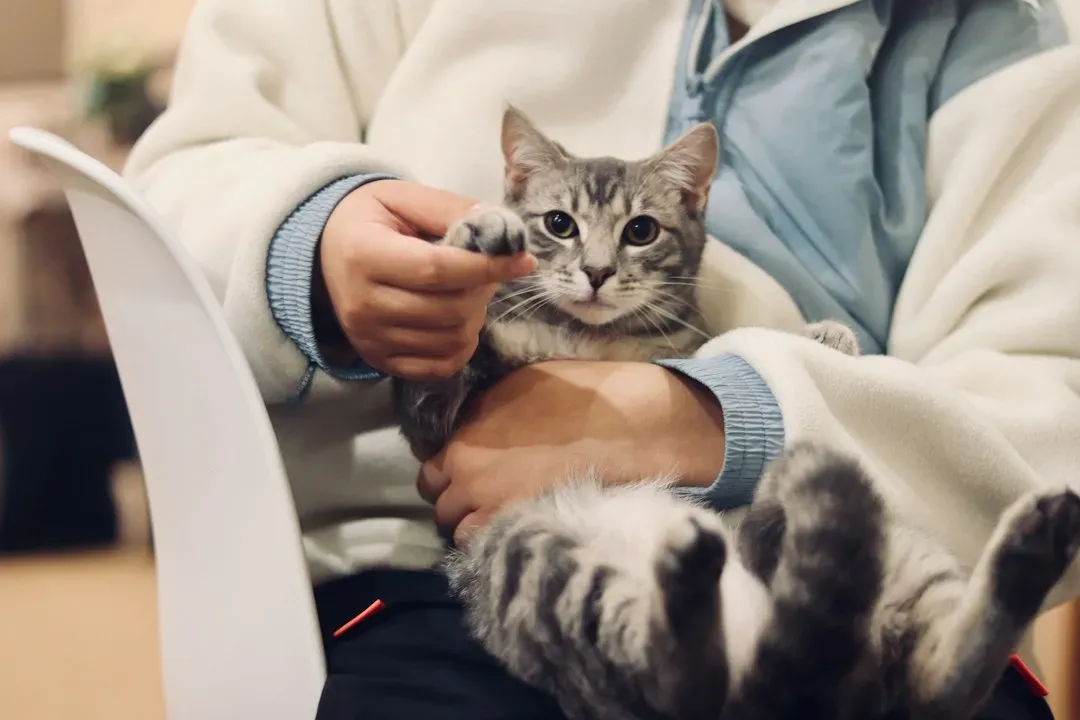
A checkup before a long move is worth it, especially to confirm vaccinations are current and your cat’s microchip information is registered correctly. Ask the vet about a health certificate too. Airlines and some states require one within a set window before travel, and the timing rules vary, so confirm the details for your route.
This is also the moment to ask about anxiety. Some vets prescribe calming medication for cats that struggle with travel, but sedatives are generally discouraged for air travel because of possible effects on breathing and balance. Test any medication at home first so you know how your cat reacts.
Update Identification Before You Leave
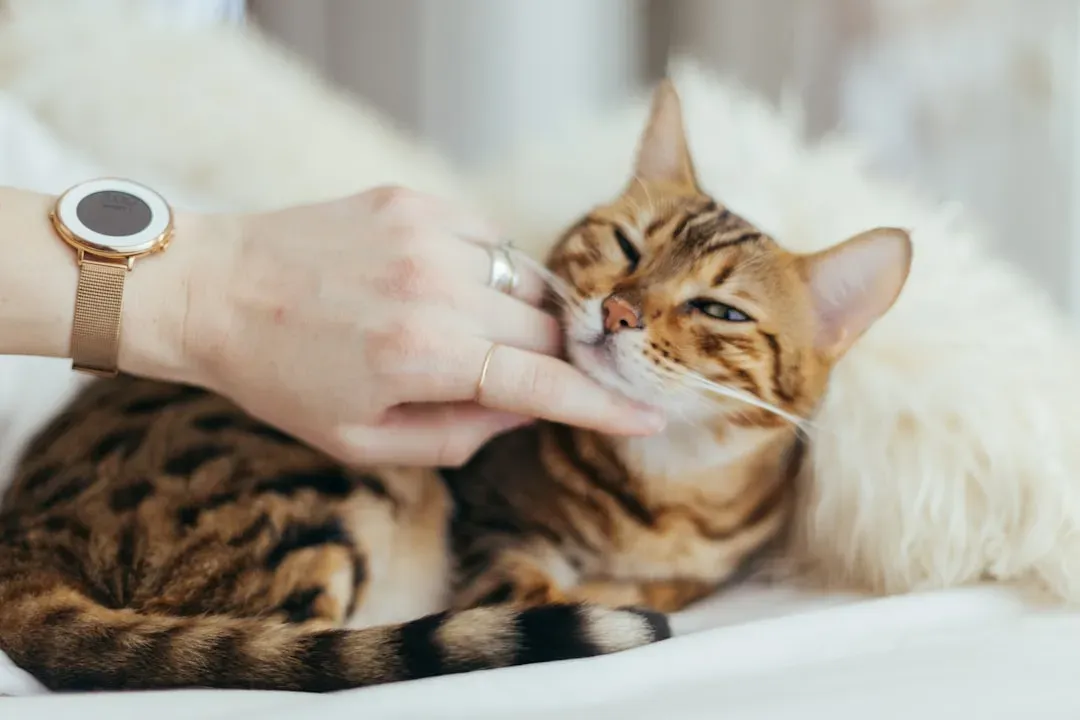
Cats bolt in unfamiliar places, and a move is full of open doors. Make sure the microchip is registered with your current phone number, and add your new address once you have it. A breakaway collar with an ID tag adds a visible backup.
Keep a few clear photos of your cat on your phone as well. If your cat slips out at a rest stop or hotel, a recent picture makes it easier for people to help. Many owners also carry a printed copy of vaccination records in the same folder as the health certificate.
Plan the Route Around Your Cat, Not Just the Clock
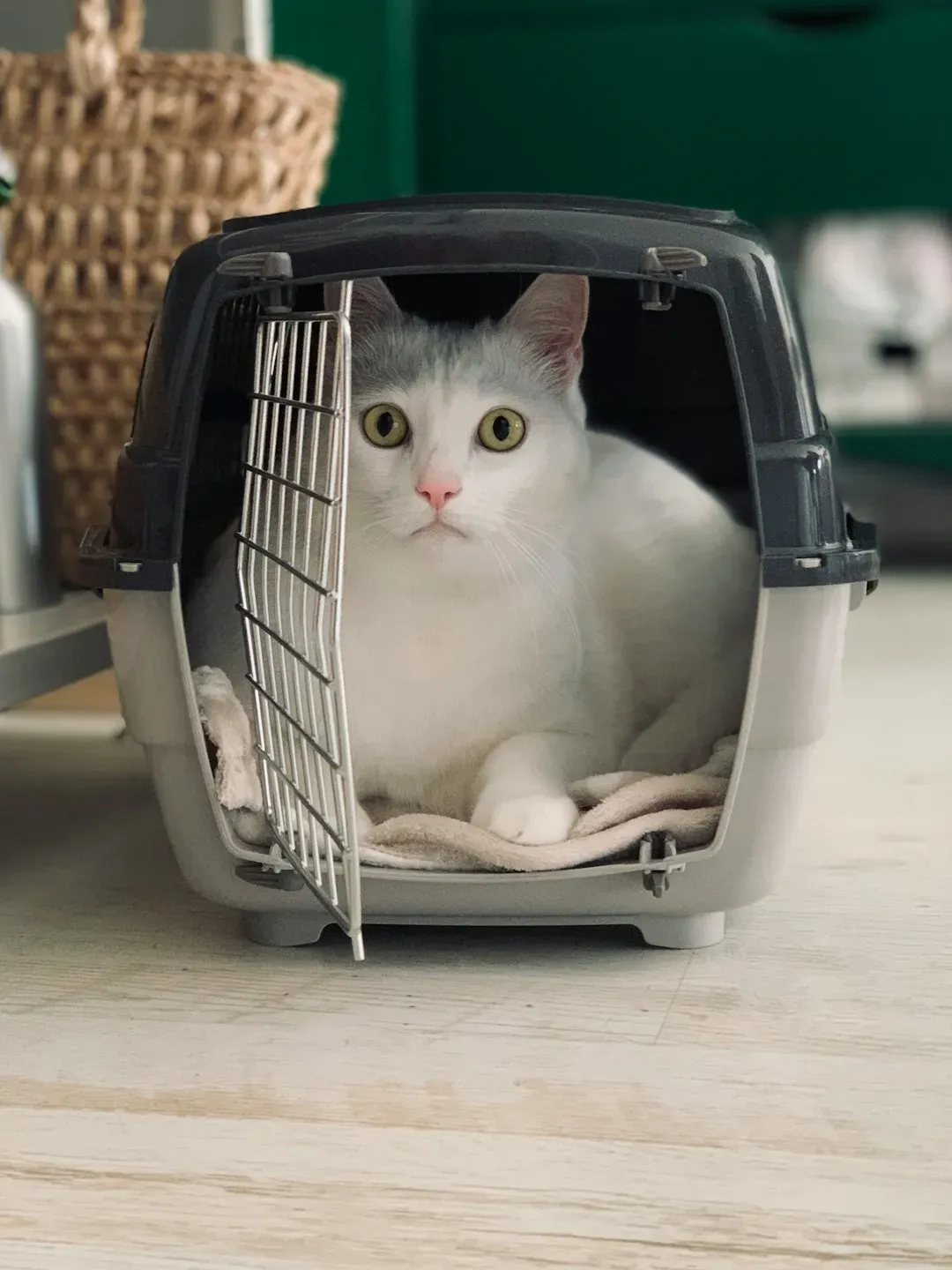
Driving is the option many owners prefer, since you control the environment and the schedule. Plan stops in a way that keeps your cat’s routine as steady as possible, and pick pet-friendly hotels in advance rather than hunting for them at night. The American Veterinary Medical Association advises against leaving pets alone in parked vehicles because temperatures can climb dangerously fast.
If the distance is very long, flying may be gentler than several days in a car. Cabin travel is usually the safer choice compared with cargo, and many veterinary organizations recommend it whenever possible. Short-nosed breeds in particular can face extra risks in the air, so talk with your vet first.
Secure the Carrier Inside the Car
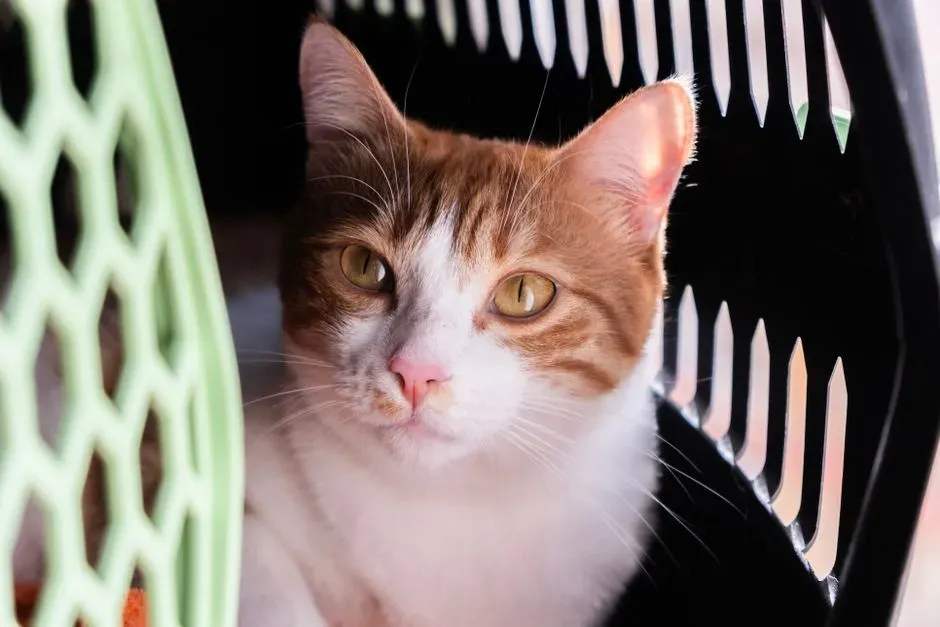
An unsecured carrier can slide or tip during a sudden stop. Buckle it into the back seat with a seat belt, or wedge it firmly on the floor behind a seat. Never let a cat roam loose in a moving car, since it can end up under the pedals or dart out when a door opens.
Keep the temperature comfortable and avoid direct sun on the carrier. A light cover over part of it can help some cats feel hidden and calmer. Others prefer to see out, so watch your cat’s behavior and adjust.
Bring a Portable Litter Setup and Familiar Comforts
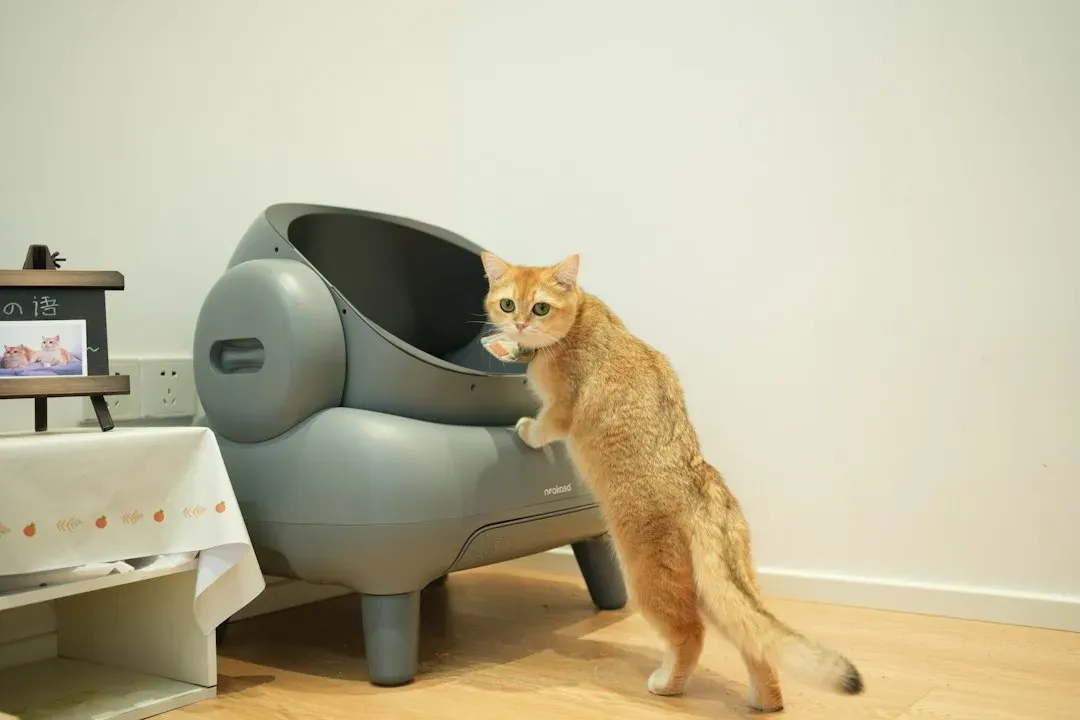
Pack a small litter box, a bag of your regular litter, scoops, and waste bags. Offering the box at hotel stops or during breaks is easier than you’d think if you have a bathroom or a quiet corner. Cats usually refuse to go in a moving carrier, so a pad along the bottom is smart insurance.
Bring a worn T-shirt or a blanket that smells like home, plus the usual food and a collapsible water bowl. Sticking with the same food matters, because sudden diet changes can upset a cat’s stomach. Carry enough for a few extra days in case of delays.
Try Pheromone Products and Keep the Mood Quiet

Many owners use synthetic feline facial pheromone sprays or diffusers to help with stress. Research on their effectiveness has been mixed, though some studies suggest they may help certain cats. They’re generally considered safe, so they’re a low-risk thing to try, sprayed on the carrier bedding about fifteen minutes before loading.
Beyond products, calm matters more. Keep the radio low, speak softly, and avoid constantly opening the carrier to check. A cat that hears a steady, familiar voice often settles faster.
Set Up a Safe Room at Your New Home

When you arrive, don’t give your cat the run of the house right away. Set up one room with the litter box, food, water, bed, and a hiding spot, then let your cat adjust there. Moving furniture and open doors can be overwhelming, so keep the room closed while movers are working.
Expand access gradually over several days as your cat starts eating, using the litter box, and exploring with confidence. Keep your cat indoors for a good while after the move, since a cat let outside too early may try to find its way back to the old home. Patience here tends to pay off more than anything else on the list.





Leave a Reply