
Most couples have a penny stash somewhere. It might be a jar on the dresser, a cup in the car, or the bottom of a coat pocket. For years nobody gave those coins much thought.
That changed when the U.S. Mint stopped making them. The Mint stopped producing new pennies for everyday use on November 12, 2025, but existing coins remain legal tender. So what should two people do with a shared pile of copper colored coins? Here are some practical options.
Spend Them at the Register
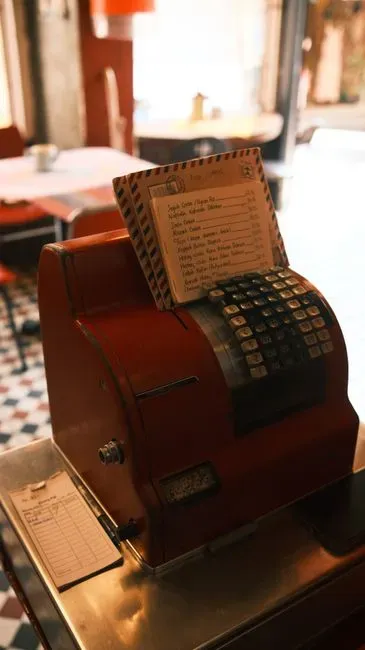
The simplest move is also the most sensible one. The Treasury says the penny will retain its full monetary value indefinitely. Retailers are expected to keep accepting pennies and giving penny change while the coin remains in circulation.
Pennies are also getting scarcer in some places. After production ended, the Federal Reserve stopped handling pennies at most of its terminals, which led to regional shortages. Paying exact change at the grocery store helps keep the coins moving.
Bring the Jar to Your Bank
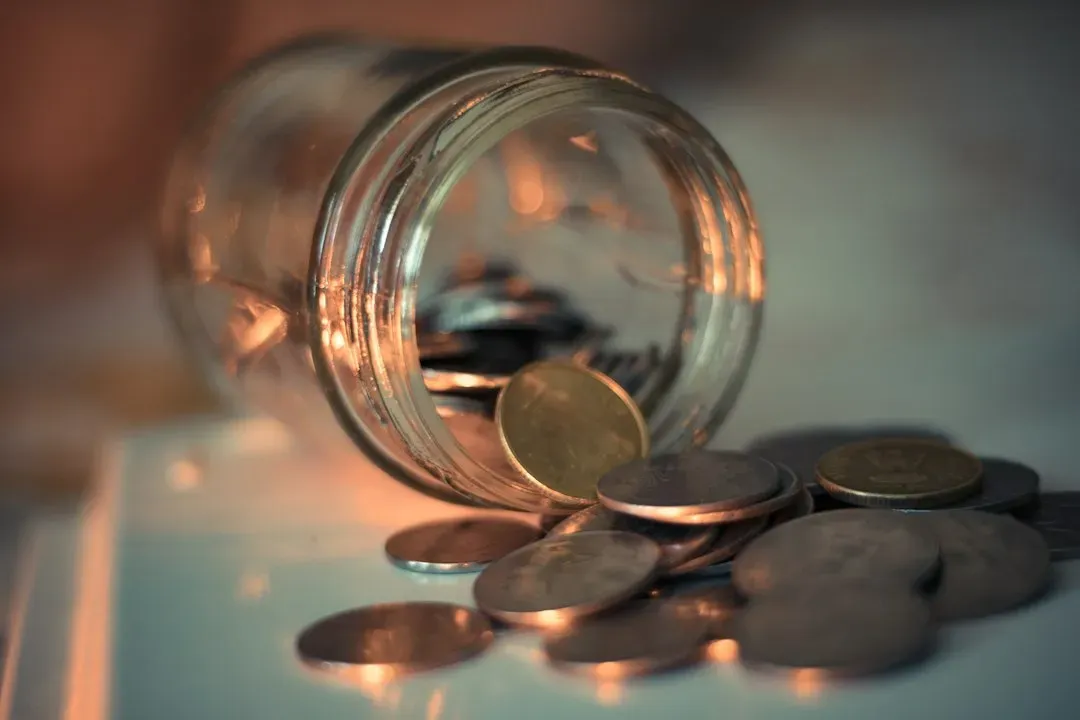
If counting out coins at the checkout line sounds miserable, let a bank do it. Banks and credit unions can still accept existing pennies, even though the Mint has stopped making new ones for circulation. There’s also no deadline to exchange or turn in your pennies.
Policies on coin deposits vary by institution, so a quick call first is smart. Some banks ask you to roll coins, while others offer coin counting machines. One Byline Bank notice put it plainly: if you have jars of pennies at home, now is a good time to bring them in.
Sort Out the Pennies From Before 1982
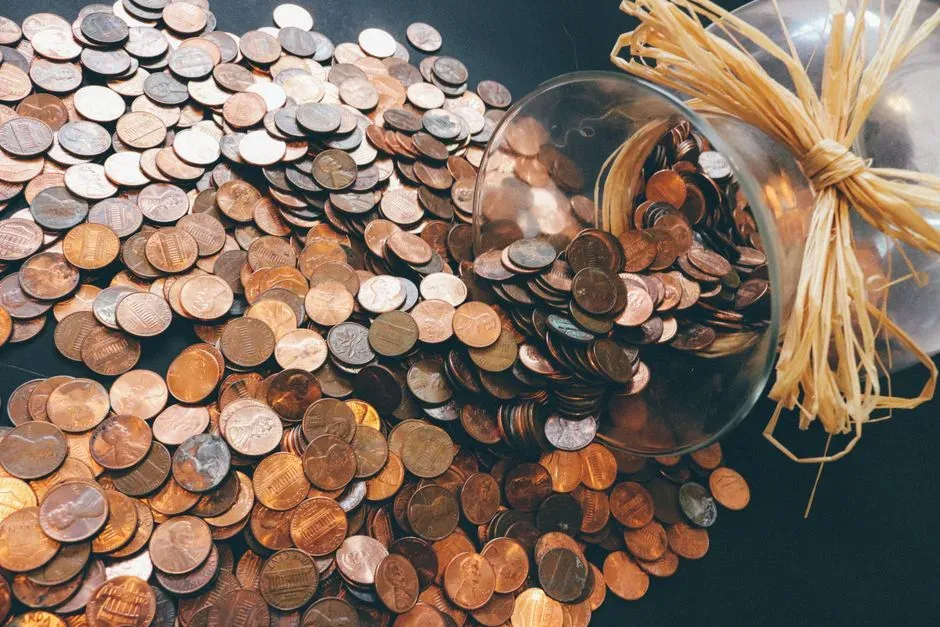
Before you dump everything into one bag, do a quick sort. Pennies from before 1982 were made primarily of copper, while later ones generally use a zinc core with copper plating. The date sits just under the portrait, so the check takes a second per coin.
Why bother? Some collectors seek out older pennies for their copper content. Still, an economist quoted by U.S. News noted some people hoard old copper pennies expecting the penny to eventually be demonetized. That’s a bet, not a guarantee, so treat it as a hobby rather than a retirement plan.
Look for Genuinely Valuable Coins
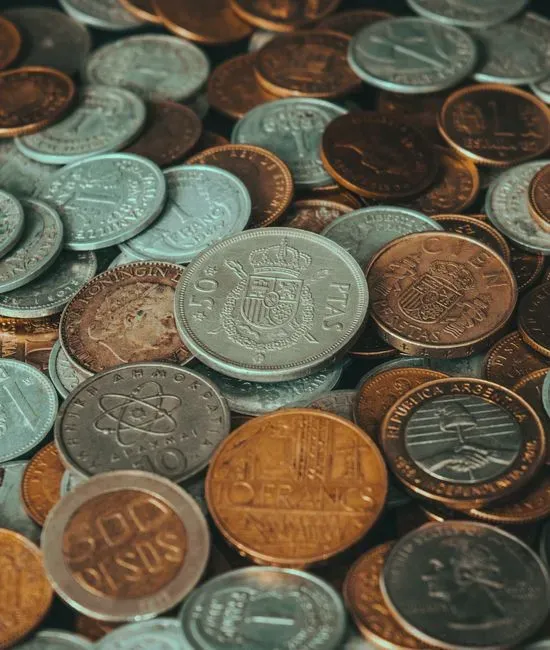
Don’t assume the pile is a hidden fortune. Not every penny becomes a collector’s item just because new ones are no longer produced. The bulk of your coins will likely stay worth one cent each.
Some do stand out, though. Certain pennies are worth more to collectors because of age, rarity, condition, unusual varieties, or genuine mint errors. Sitting down together with a magnifying glass and a coin guide can be an oddly pleasant evening.
Keep a Few 2025 Pennies as Keepsakes
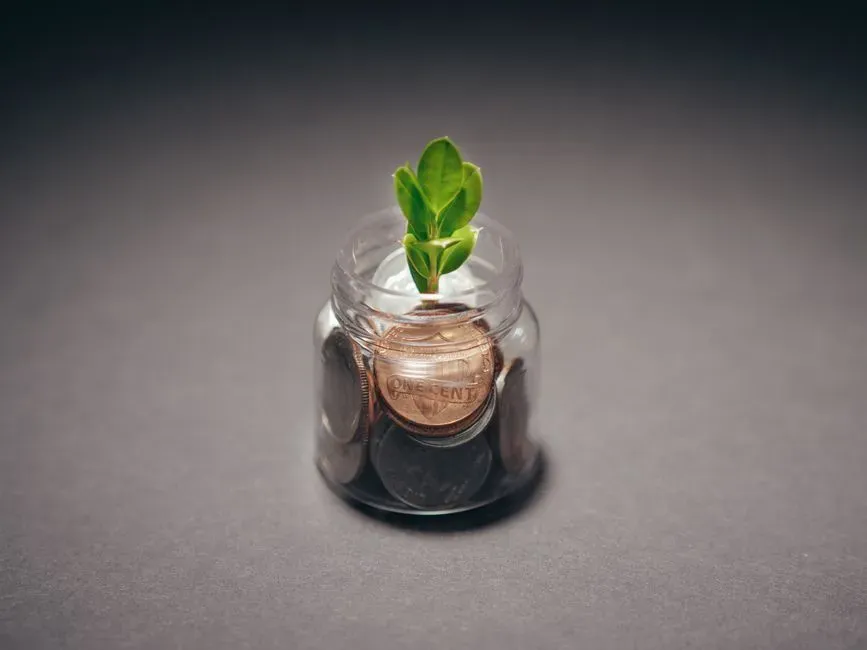
There’s a sentimental angle too. The Mint produced circulating pennies for 232 years before ending that run in 2025. Pulling a few coins from the final year gives you a small piece of that history.
Don’t expect a windfall. 2025 pennies may gain some collectible value as the final year of production, though most circulated pennies will likely stay at face value. Think of them as mementos, perhaps tucked into a anniversary card or a baby book.
Turn Them Into a Charity Donation
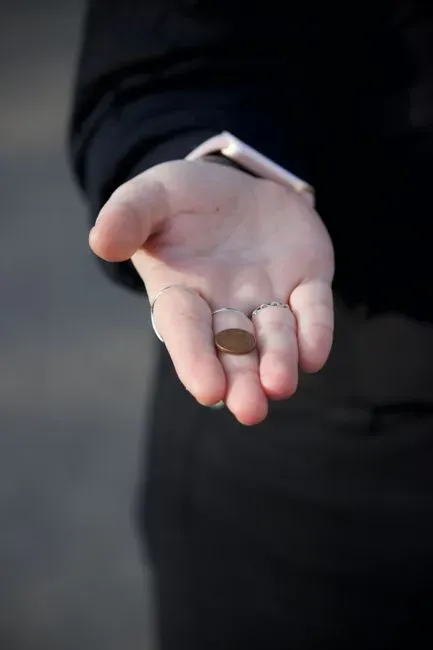
Pennies have always played well in fundraising. Supporters of the coin have pointed to its usefulness in charity drives. A jar of loose change can quietly become a gift neither of you would miss.
Check what a cause will actually accept. Many organizations accept loose change, and some run specific penny drives. Rolling the coins at home or depositing them first and donating the cash can make things easier for a small nonprofit.
Start a Shared Coin Album
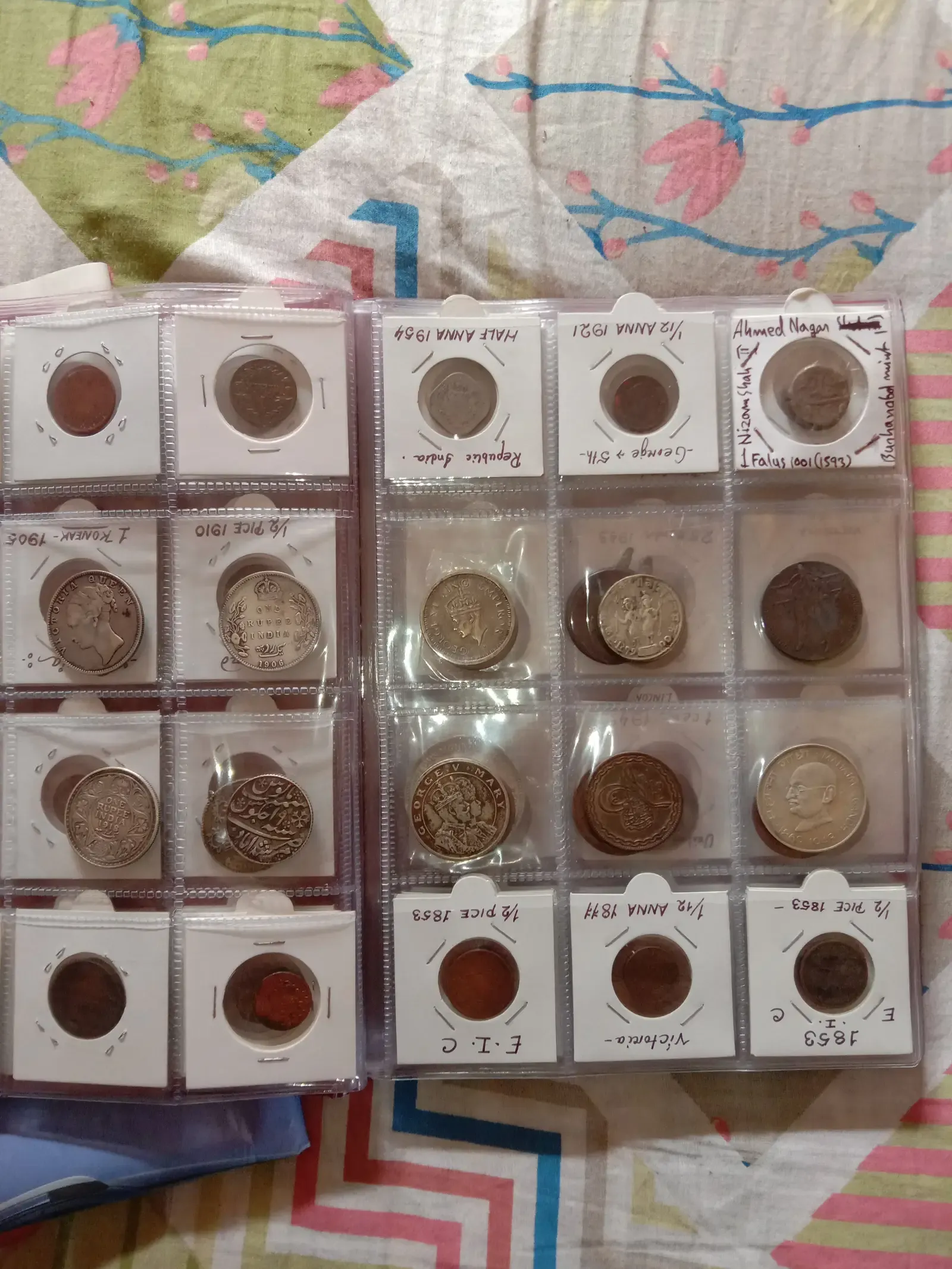
If you enjoy a slow, low cost hobby, try collecting by date. One guide suggests you sort through your pennies and place each one into the matching date slot in a coin album. Albums are inexpensive, and filling the gaps becomes a running game between two people.
Trade a few coins with friends or relatives to complete years you’re missing. It’s also a gentle way to introduce kids or grandkids to money history. Keep the best looking examples, since condition matters to collectors.
Make Something With Them
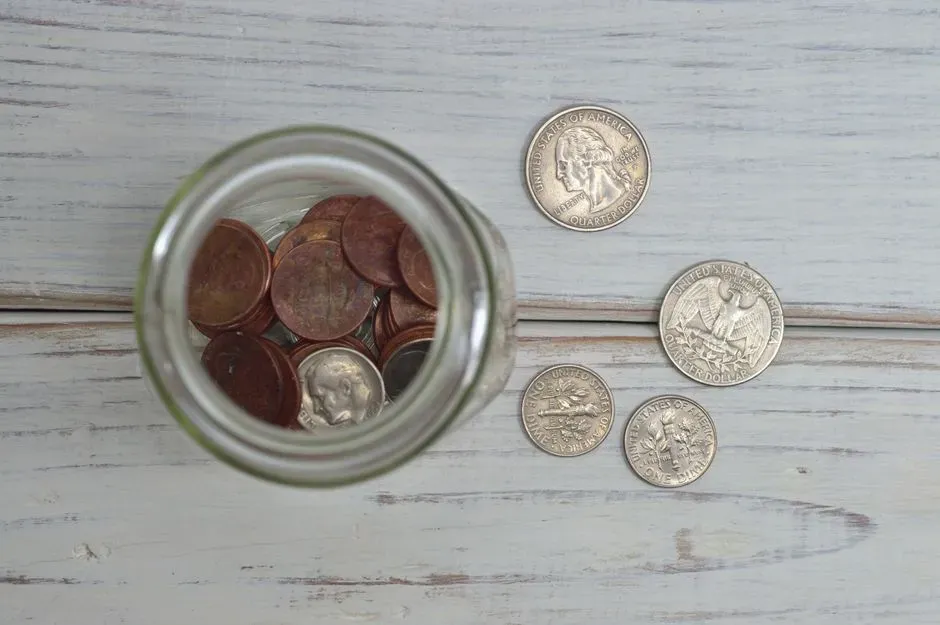
Pennies work well for crafts. One roundup suggests gluing pennies flat onto a cork or wooden base, arranged tightly to form a solid surface, for coasters and trivets. Another idea is turning pennies into simple pendants or charms with a tiny drilled hole or a glue on jewelry backing.
A penny floor or tabletop is a bigger project, but it uses up a lot of coins. Pick projects where the coins are glued down securely, and avoid sorting out any copper era coins you’d rather keep. Either way, you finish with something useful instead of another jar.
Get Ready for Rounding to the Nickel
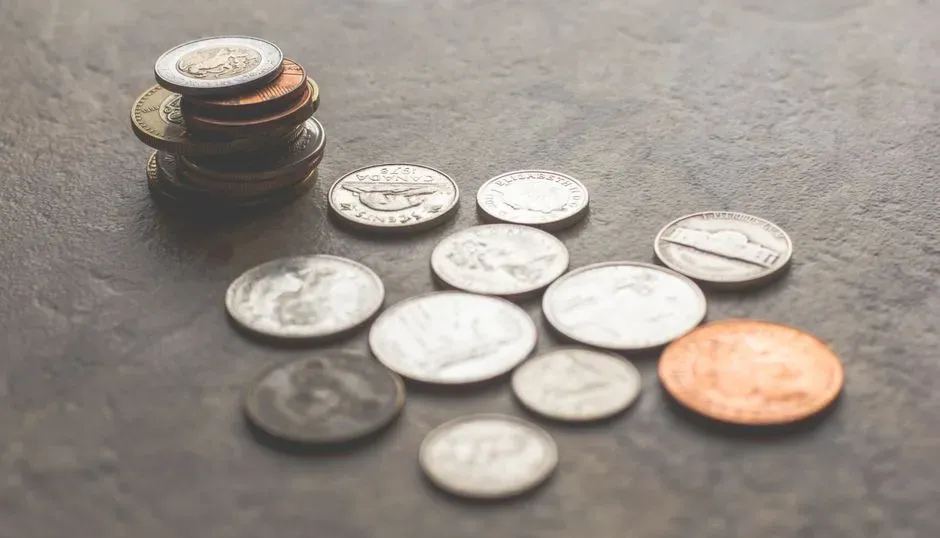
Life without new pennies may change how cash purchases total up. In areas with limited penny availability, cash transactions may be rounded to the nearest five cents, as in Canada and Australia. Electronic payments aren’t affected.
For couples who pay with cash, a shared envelope of mixed coins can still be handy at checkout. Cards and apps skip the issue altogether. Pennies won’t vanish quickly either, since there are billions in circulation.
Start With One Small Step This Week

Pick a single action that suits both of you. Dump the jar on the table, pull the pre 1982 coins, and roll the rest. Then decide together whether the cash goes to the bank, a charity, or a date night.
The coins are still money, and nothing about the Mint’s decision forces a rush. Although new production has ended and legislation codifies the change, existing pennies remain legal tender.





Leave a Reply