
Flip through a mid-century dating manual and you’ll find that romance came with a rulebook. Teenagers and young adults were told when to answer a phone, what to order, and even how to sit in a movie theater. Much of this advice was aimed at girls, and much of it now reads as quaint or plainly unfair.
These guides don’t tell the whole story of how people actually behaved. They do show what adults, authors and magazines wanted couples to believe was proper. Here’s what the surviving advice says about the era.
Boys Did the Asking

The basic rule was simple. Boys were supposed to ask out girls, never the other way around. One roundup of etiquette rules notes that only “floozies” were said to ask a guy out first.
Girls were expected to wait. A set of handbook excerpts gathered on one site makes the point bluntly, with a girl who looks ready to ask a boy out being told to wait for him to ask her. That left a lot of teenage romance resting on a ringing telephone.
Answering Right Away

Modern daters know the habit of letting a message sit. The 1950s had no such luxury. When someone asked you out, you were supposed to give an immediate answer to be considered polite.
Breaking a date was also frowned on. You weren’t supposed to cancel without a valid reason. Washing your hair wouldn’t count.
Meeting the Parents First

Parents weren’t background characters. It was customary for girls to introduce all dates to their parents before heading out the door. One summary of teen guides says they encouraged girls to only go out with people their families had met and approved of.
That meant the boy came to the door. Guides stressed arriving on time and preferably ringing the bell. Honking from the driveway was considered poor form.
Being Ready When He Arrived

Girls had their own punctuality rules. One reprinted set of women’s magazine advice says to be ready to go when your date arrives, and not keep him waiting. The same list adds that you should greet him with a smile.
The idea was to avoid leaving a young man stuck on the couch with your parents. Nobody was meant to wait while you curled your hair. The preparation happened beforehand, and the evening started on time.
Makeup and Appearance Rules

Looking polished mattered, but the effort was supposed to stay hidden. Makeup went on before you left, and primping in public was a big no-no. One vintage list even warns against using the car mirror, since a man needs it for driving.
Clothing came in for scrutiny as well. A modern overview of these guides says that being “well put-together” was seen as a sign of your attitude and seriousness. Appearance doubled as a character reference.
Who Planned and Who Paid

The money rule was close to universal. Boys were usually expected to plan and pay for the date, while girls were expected to dress nicely and behave modestly. Another summary puts it more strongly: the guy always pays.
There was some flexibility. Some guides said splitting the bill was fine if both people agreed ahead of time. Still, that was the exception, not the standard.
Ordering Dinner and Table Manners

Restaurant etiquette was oddly specific. It was ladylike for a girl to tell her date what she wanted so he could order it for her. Ordering for yourself was not the polished choice.
Eating itself was policed too. Some guides listed off-limits foods such as messy sandwiches, sticky fruit and loudly crunchy snacks. Girls were also told to eat quietly, neatly, and preferably not too much.
Where Couples Went

Dates were fairly predictable. A movie or a bowling alley counted as an ideal outing for a young couple. An analysis of one mid-century guidance film notes that picnics, dances, baseball and bike rides were the approved activities.
Adults were rarely far away. The same analysis observes that these activities were tied to community centers, which implied plenty of adult supervision. Even the cinema had its own rules, with some manuals giving step-by-step behavior guides for sitting in a theater that involved no snuggling.
Going Steady and Staying Chaste
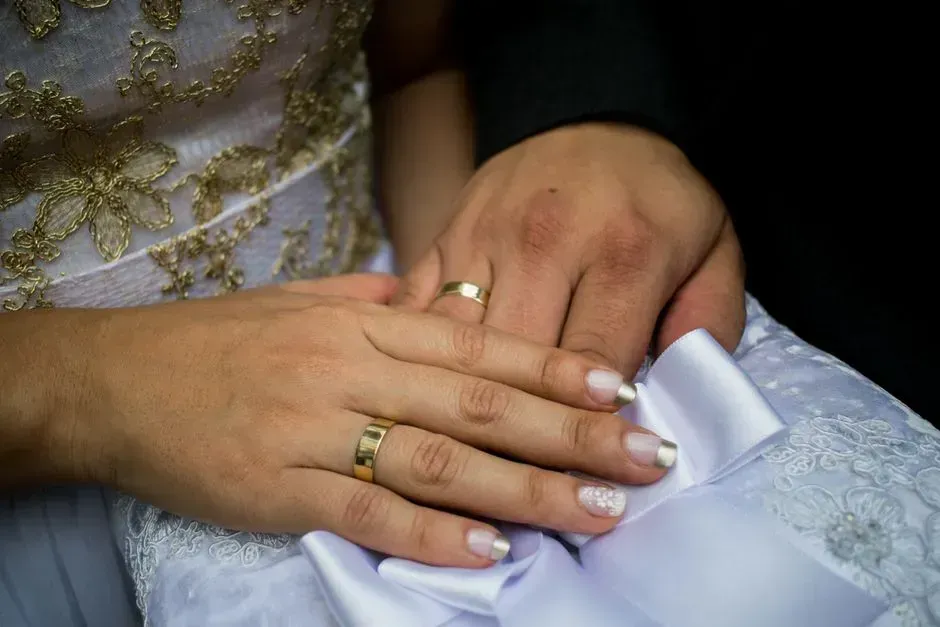
Commitment had its own signals. Going steady meant a couple was dating exclusively. Girls often received a class ring or letter jacket from their boyfriend as a symbol of that commitment.
Physical affection was the most anxious topic. One popular pair of books, For Girls Only and For Boys Only, were written by Frank Howard Richardson, MD, and they discourage petting throughout both guides. Critics note that he tied chastity to respect for girls, while simply telling boys to watch their step. Alcohol got a warning too, with one list noting that passing out from too much liquor could mean your date would never call again.



Leave a Reply