
Open almost any kitchen cupboard and you’ll find three things that dog owners reach for when something seems off with their pet: rice, canned pumpkin, and eggs. They’re cheap, familiar, and easy to prepare. Advice about them travels quickly through family chats and online forums.
Veterinary guidance is more measured than the folklore. Each food has a real, limited place in a dog’s diet, and each comes with conditions. Here is what vets generally recommend, and where they tell owners to be careful.
Why These Three Foods Come Up So Often
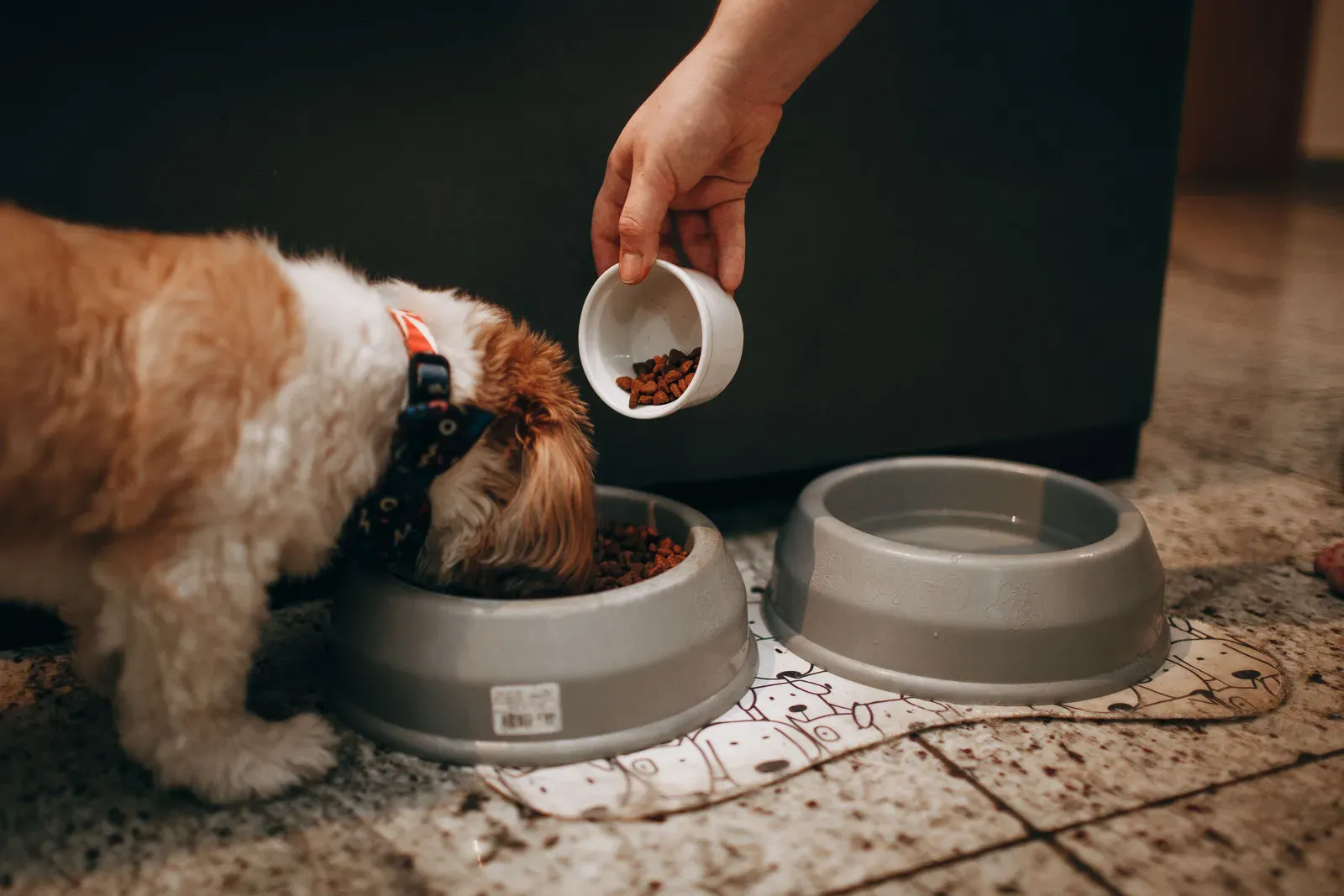
Rice, pumpkin, and eggs are all plain, mild, and gentle on the stomach when prepared simply. That’s why they show up in home remedies for upset digestion. Most owners already have them on hand when a dog has a rough day.
Veterinarians tend to treat them as helpers, not as a diet. A complete commercial dog food is built to supply all the nutrients a dog needs, and these foods aren’t. They work best as short term support or as small additions.
Plain Rice and the Bland Diet
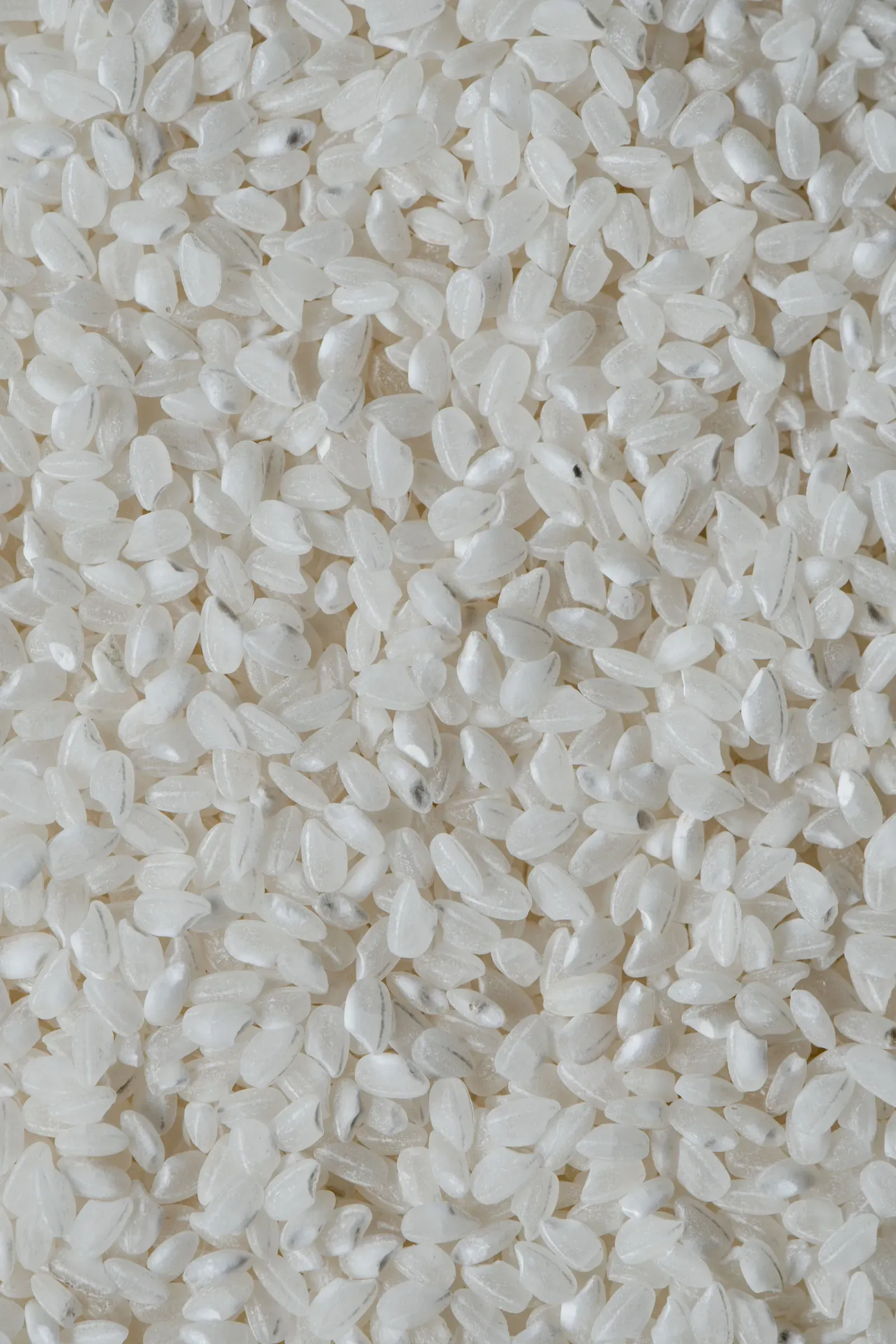
The best known use of rice is in a bland diet, usually plain white rice paired with boiled, skinless chicken. Vets often suggest it for a short stretch when a dog has mild diarrhea or an upset stomach. White rice is easy to digest and low in fat, which is why it’s the usual choice.
The key word is plain. No butter, oil, salt, onion, or garlic, because those can irritate the gut or be toxic. Most guidance describes this as a one to few days measure, and a vet should be consulted if symptoms continue.
White Rice Versus Brown Rice
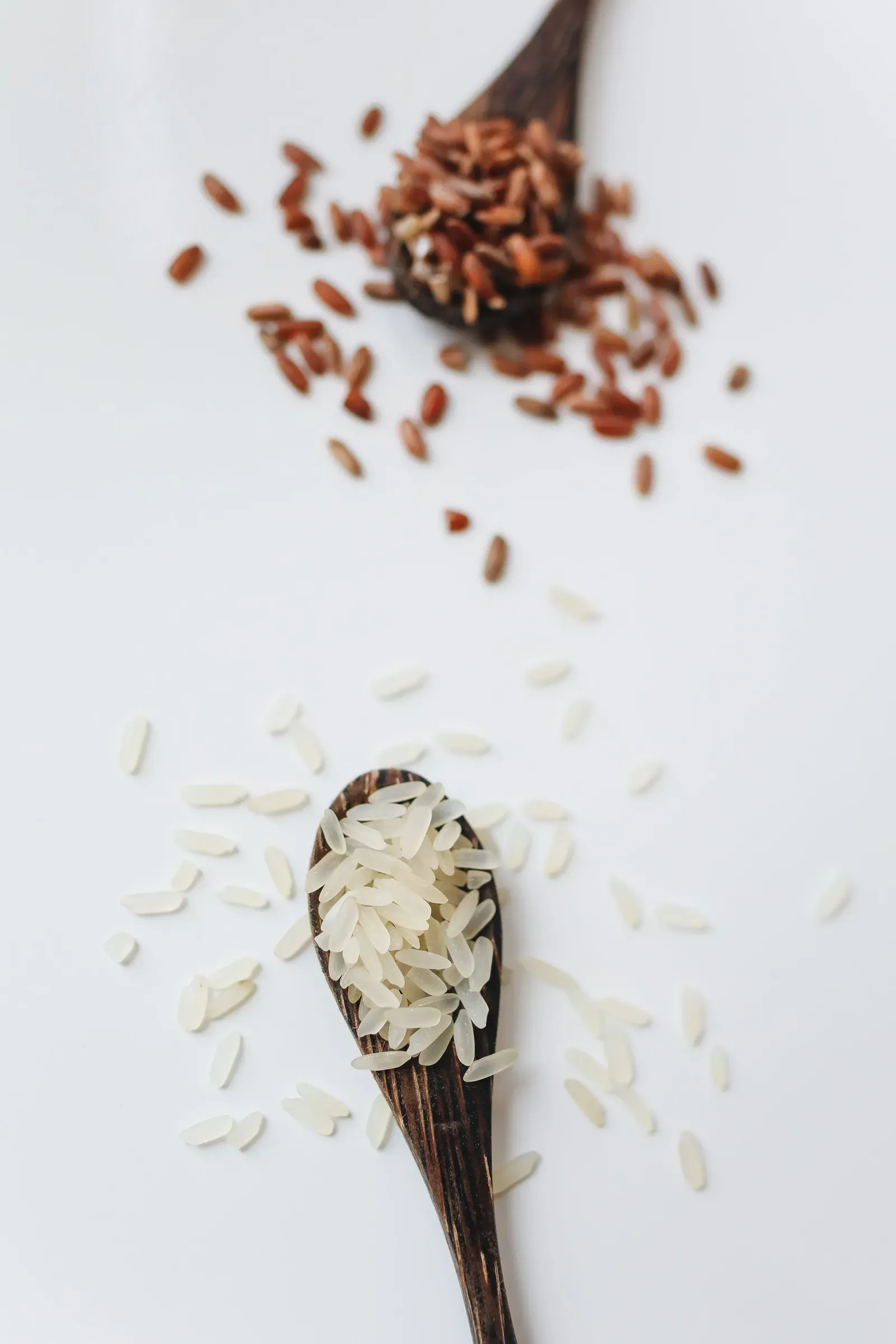
Brown rice isn’t harmful to dogs, but it keeps its bran, so it has more fiber. That’s useful in some situations. During an upset stomach, though, the extra fiber can be harder to handle, which is why white rice is the standard pick for a bland diet.
Rice is also mostly starch. For a healthy dog it’s fine in small portions, but it isn’t a nutritional powerhouse. Dogs with diabetes or weight problems may need a more careful approach, so it’s worth asking your vet before making rice a regular part of meals.
Pumpkin and Digestive Support

Plain canned pumpkin is a common vet suggestion for mild digestive trouble. It’s a source of fiber, and that fiber can help firm up loose stools or ease mild constipation. It’s also low in calories, so it’s an easy add in for many dogs.
The research behind pumpkin as a treatment is fairly limited, and much of the support comes from clinical experience. It’s best seen as a gentle aid, not a cure. Ongoing diarrhea or constipation can point to something that needs real diagnosis.
Getting Pumpkin Right

Check the label. You want 100 percent pumpkin, not pumpkin pie filling, which contains sugar and spices that don’t belong in a dog’s bowl. Some pie fillings may also include ingredients that are harmful to dogs.
Portions matter too. A general rule is a teaspoon or so for small dogs and a few tablespoons for large ones, mixed into regular food. Too much fiber can backfire and cause the very loose stools you were trying to fix, so start small.
Eggs as a Nutritious Extra

Cooked eggs are a good source of protein and contain vitamins and minerals, and many dogs love them. Vets generally consider a plain cooked egg a fine occasional treat for a healthy dog. Scrambled without oil or boiled and chopped are the usual preparations.
Skip the seasoning, butter, and cheese. Eggs are also calorie dense for their size, so they count toward the daily total. A large egg is roughly seventy calories, which is a lot for a small dog.
Raw Eggs and Other Cautions
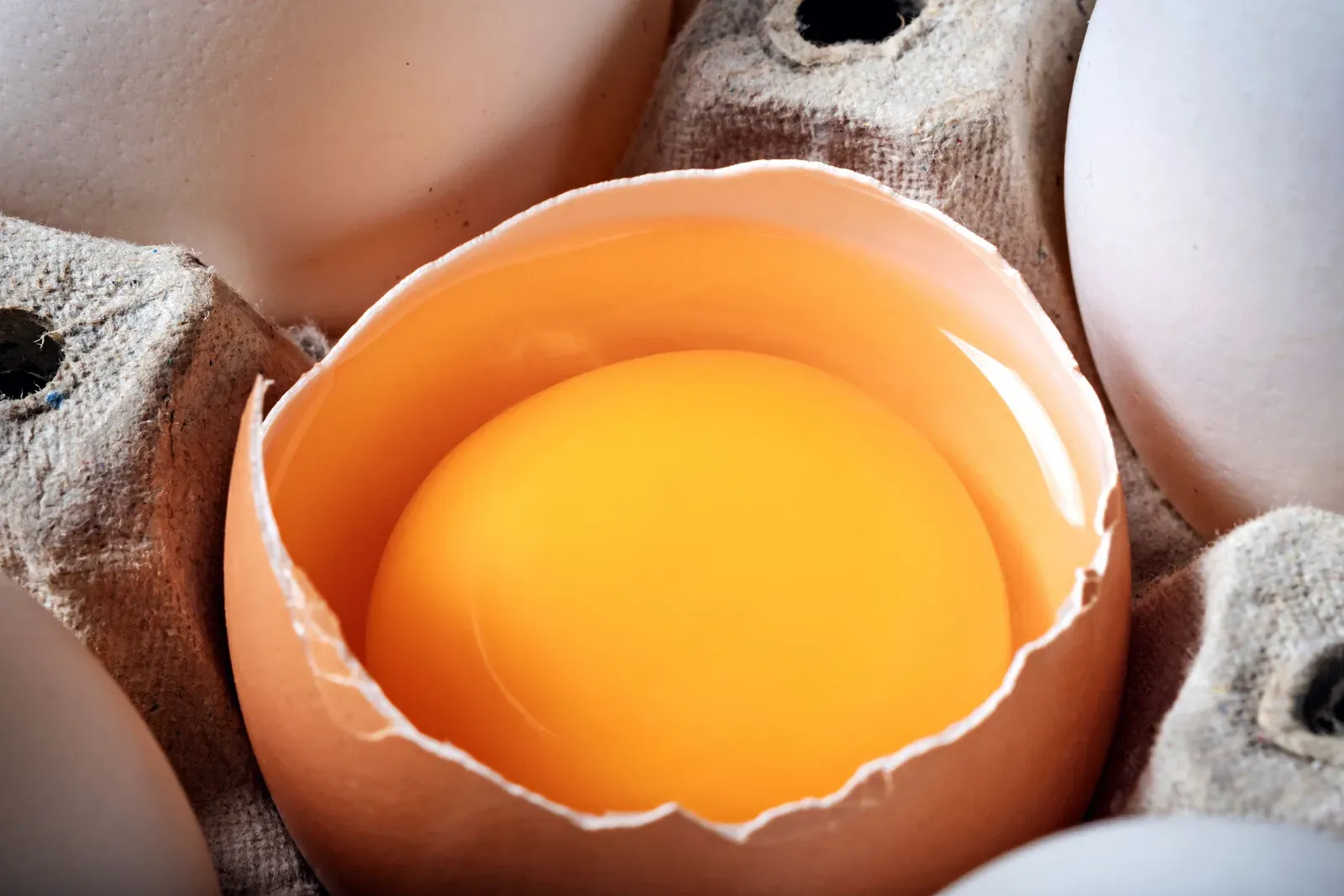
Most veterinary organizations advise against feeding raw eggs. Raw eggs can carry Salmonella, which can make dogs sick and can also affect the people handling the food. Raw egg whites also contain a protein called avidin, which can interfere with biotin absorption if fed in large amounts over time.
Some dogs are allergic to eggs, although it’s not among the most common food allergies. Signs such as itching, ear trouble, or stomach upset after eating them are worth mentioning to a vet. Dogs with a history of pancreatitis or other fat sensitive conditions may need extra caution.
Treats, Portions, and the Bigger Picture
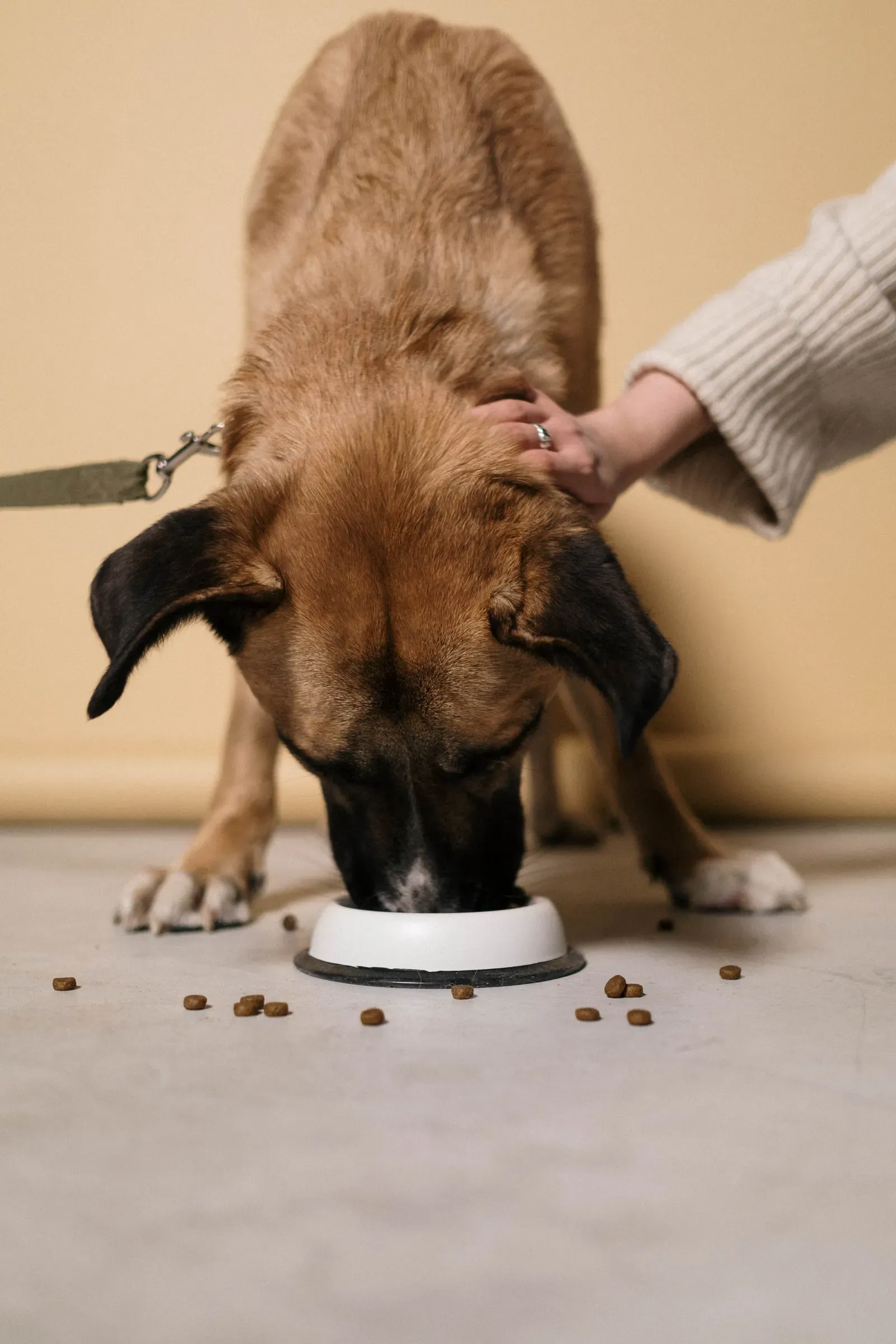
A widely used guideline from veterinarians is that treats and extras should stay under about one tenth of a dog’s daily calories. Rice, pumpkin, and eggs all fall under that rule when they’re fed on top of a balanced diet. Going beyond it can push the main diet out of balance.
Replacing a complete dog food with homemade meals is a different matter. A well known University of California, Davis study of homemade dog food recipes found that most were missing essential nutrients. If you want to cook for your dog regularly, a board certified veterinary nutritionist can build a recipe that’s actually complete.
When to Call the Vet
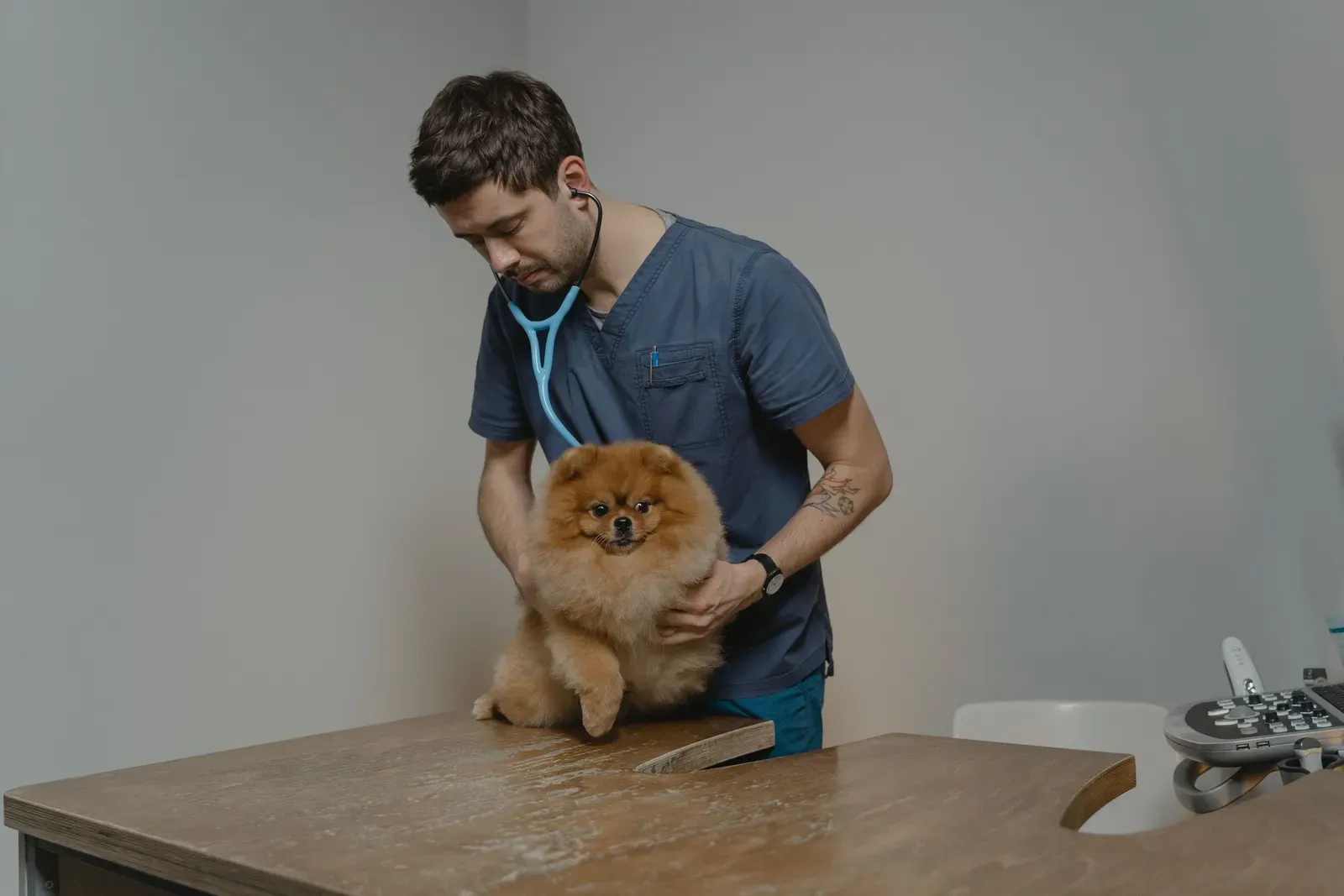
Home feeding is reasonable for a mild, short lived stomach upset in an otherwise bright and active dog. Puppies, senior dogs, and dogs with existing health conditions are different, since they can get into trouble faster. Vomiting, blood in the stool, lethargy, or refusing food all call for a professional opinion.
Diarrhea lasting more than a day or two also deserves a call. Rice, pumpkin, and eggs are fine, plain, and in small amounts, but they don’t replace a diagnosis. Your vet can tell you how much to feed and for how long based on your dog’s size, age, and health.

Leave a Reply