
If you’ve ever had a cat settle onto your lap and start pressing its paws into your thigh, you know the rhythm. Push, release, push, release, often with half-closed eyes and a rumbling purr. It looks deliberate and oddly tender, and it can hurt when the claws come out.
People call it kneading, making biscuits, or milk treading. Scientists haven’t answered every question about it, but behavior researchers and veterinary behaviorists have built a reasonable picture of what’s going on. Here is what the evidence supports, and where it runs thin.
It Starts in Kittenhood
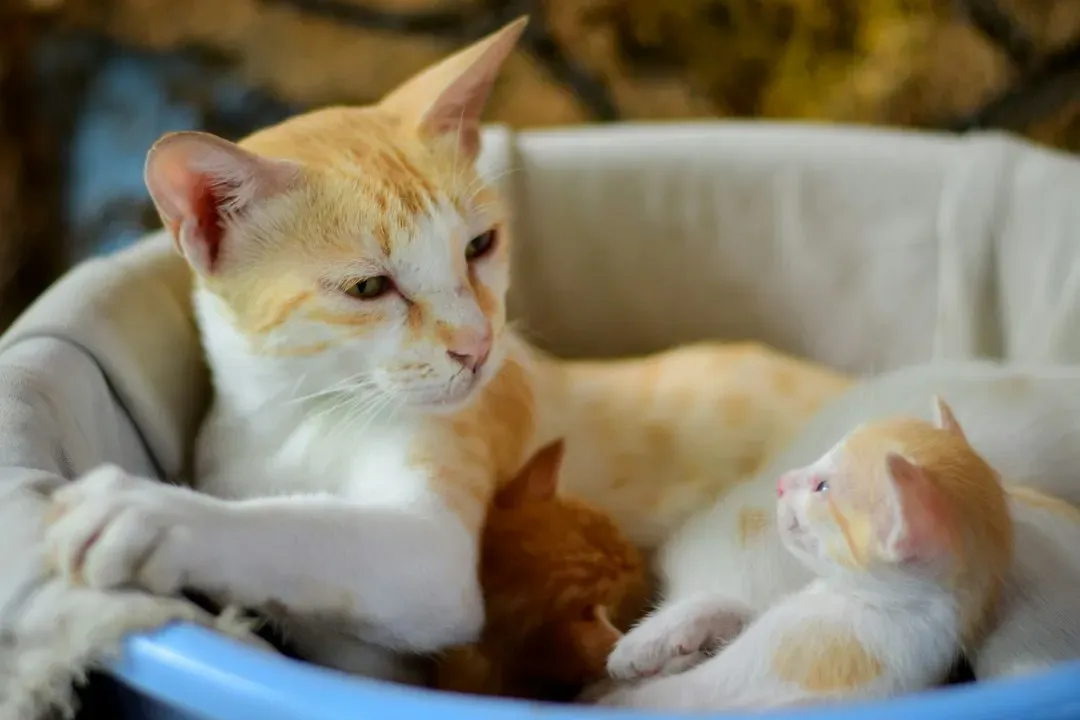
The most widely accepted explanation begins with nursing. Newborn kittens press their front paws against the mother’s belly while they feed. The motion helps stimulate milk flow, which matters a great deal when you’re a few days old.
Kittens do this long before they can see well or walk steadily. That suggests the behavior is instinctive rather than learned. Because it’s tied to being fed and warm, it becomes linked with comfort from the very start of life.
Why Adult Cats Keep Doing It
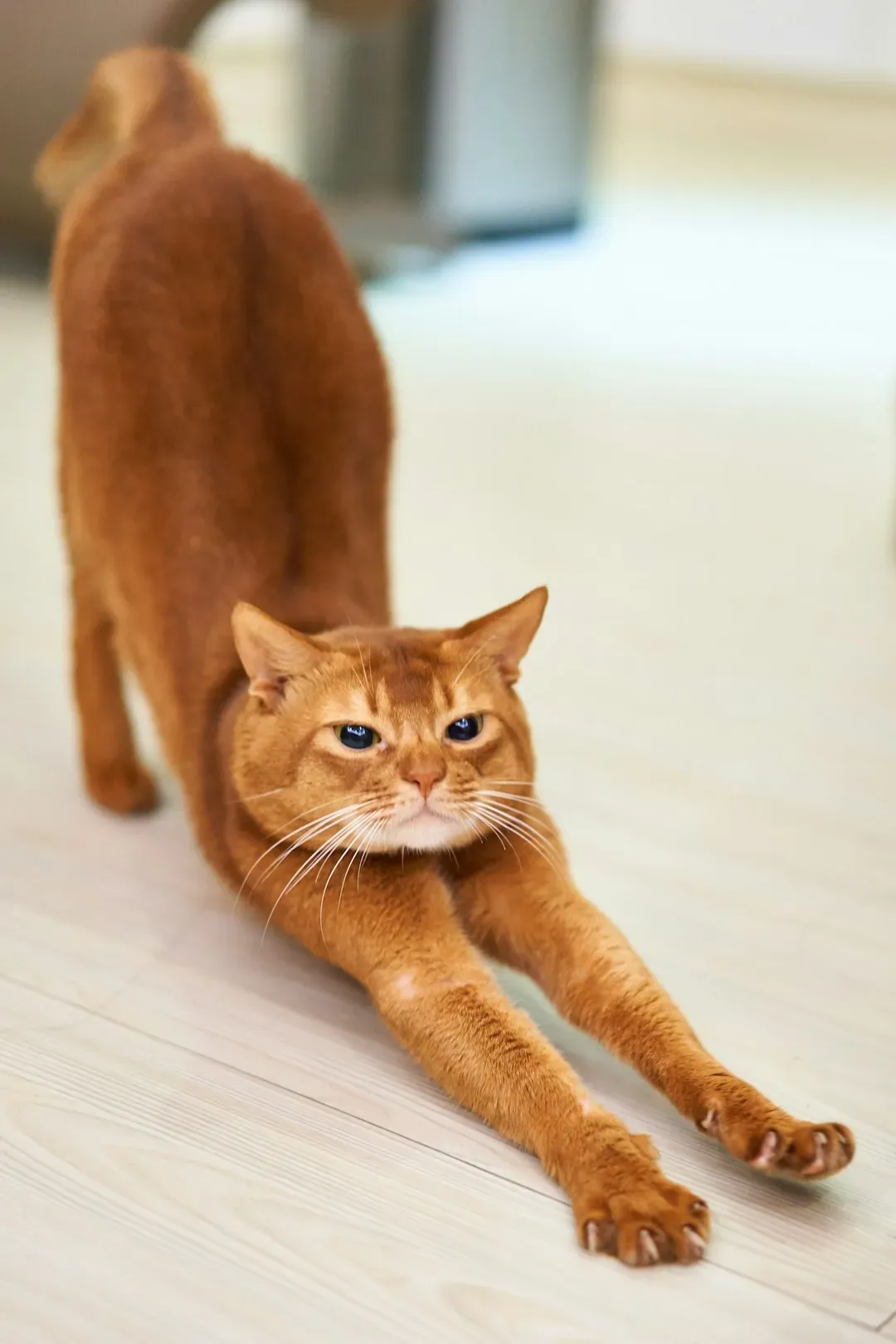
Many cats never stop kneading after weaning. Behaviorists generally treat the adult version as a carryover from kittenhood that gets triggered by feeling safe and relaxed. The paws move the way they did at the nipple, even though there’s no milk involved.
Cats also keep other juvenile traits into adulthood, especially around their human companions. Purring, head bumping, and kneading all fit that pattern. Researchers describe this as retained kitten behavior, though it’s an interpretation of observed habits rather than something tested in tightly controlled experiments.
A Sign of Contentment
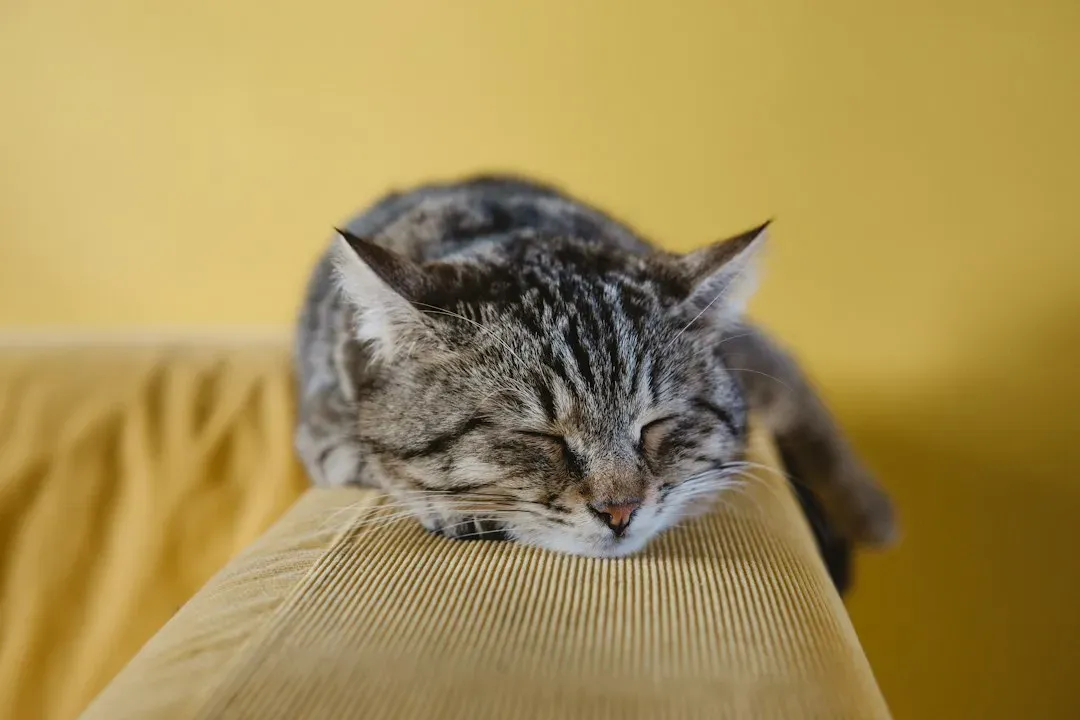
Context is the strongest clue to what kneading means. Cats most often knead when they’re drowsy, settled, and being petted or resting on a favorite person or blanket. The body language that goes with it, such as slow blinks, relaxed ears, and purring, points to a calm emotional state.
That’s why most veterinary behavior guidance reads kneading as a positive signal. It isn’t a perfect gauge, though. Cats sometimes knead when mildly stressed too, so the rest of the body matters more than the paws alone.
Scent Marking Through the Paws
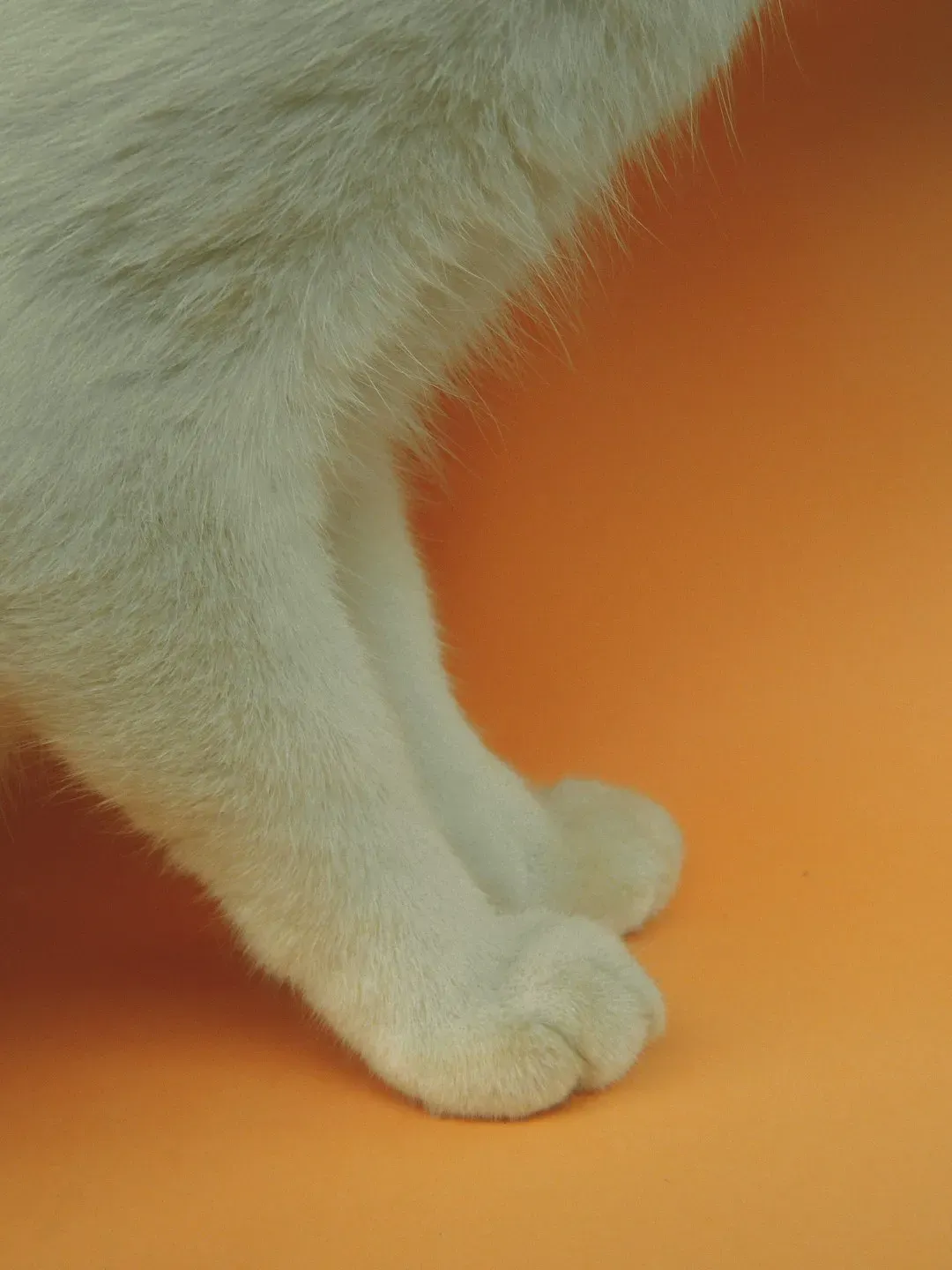
Cats have scent glands between their paw pads, and pressing down can deposit a small amount of scent on whatever lies beneath. This gives kneading a second possible job, which is claiming a spot or person as familiar. Cats rely heavily on smell, and mixing their scent into the environment helps make it feel safe.
Scratching works similarly, leaving both a visual mark and a scent. Kneading is softer and more private. Many behaviorists think it quietly says that this blanket, or this lap, belongs to the cat’s own comfortable world.
The Nest Making Theory
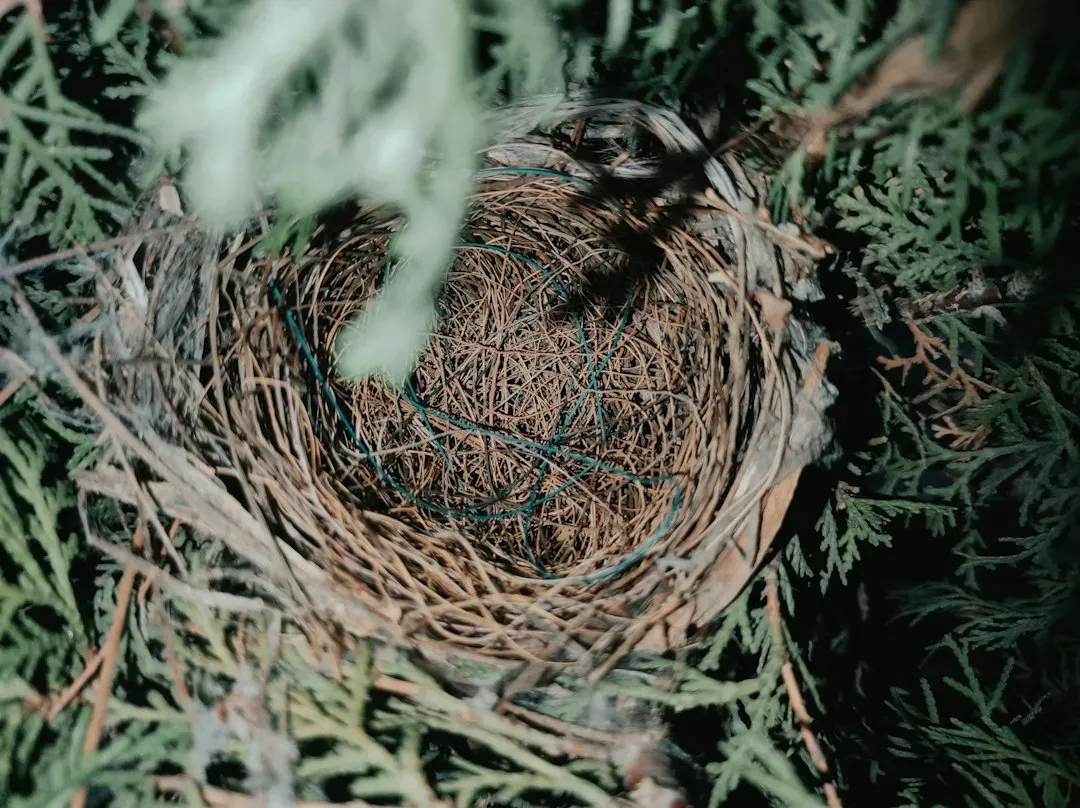
Another explanation looks back to wild ancestors. Wild cats may have trampled down grass or leaves to create a flat, comfortable place to rest or give birth. Domestic cats could be repeating that routine on sofas, duvets, and piles of laundry.
This idea is plausible and commonly repeated, but it’s difficult to prove. Nobody can observe ancestral behavior directly, so it’s best seen as a reasonable hypothesis. It also fits with how often cats knead soft surfaces before curling up to sleep.
Stretching and Physical Comfort
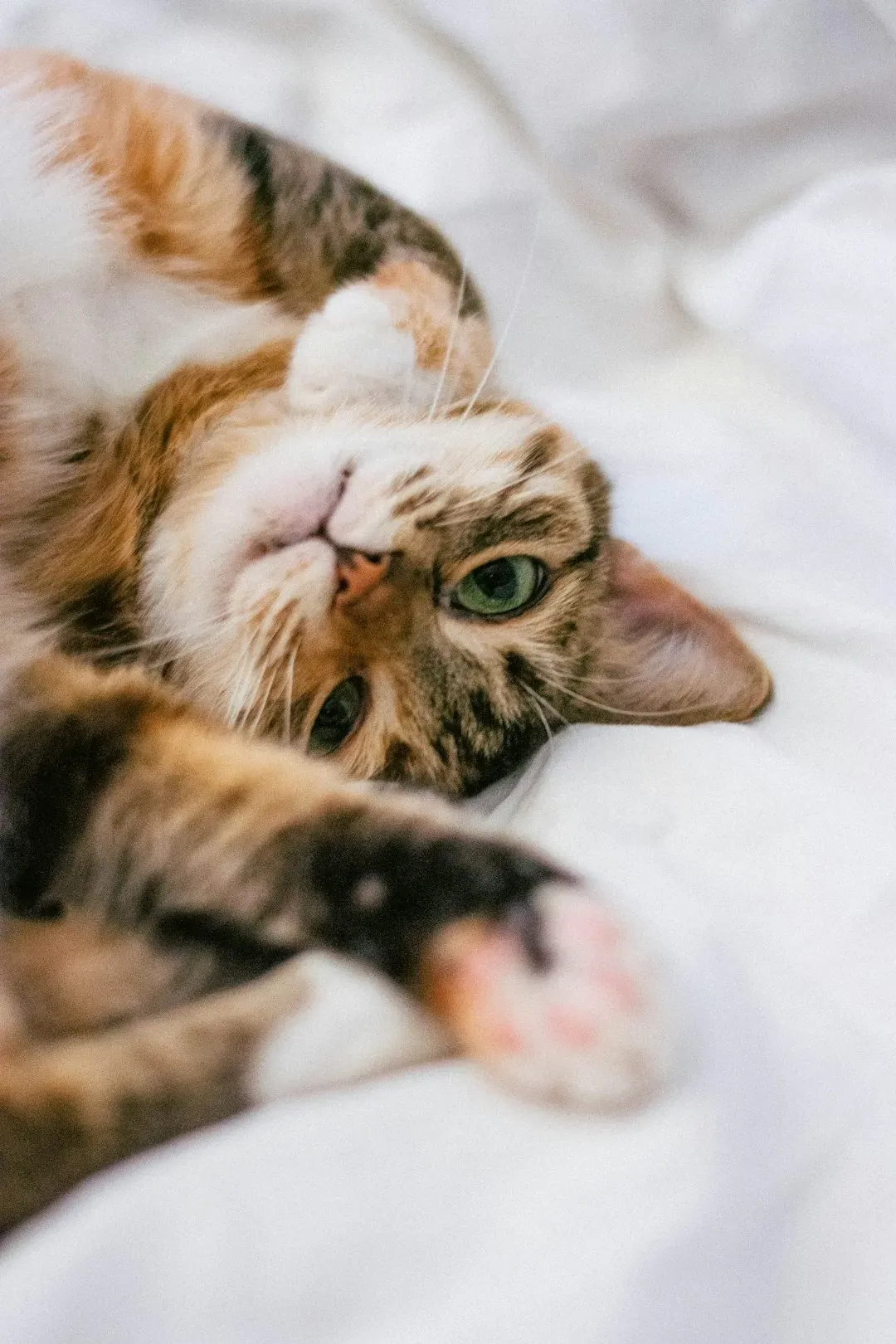
Some experts point out that kneading may simply feel good physically. The movement stretches the muscles in the shoulders, legs, and toes, a little like a cat’s version of a morning stretch. Cats often knead right before lying down, which supports that idea.
There’s no solid study showing this is the main driver. It more likely adds to the other reasons rather than replacing them. A behavior can serve several purposes at once, and kneading probably does.
Kneading and Reproductive Signals
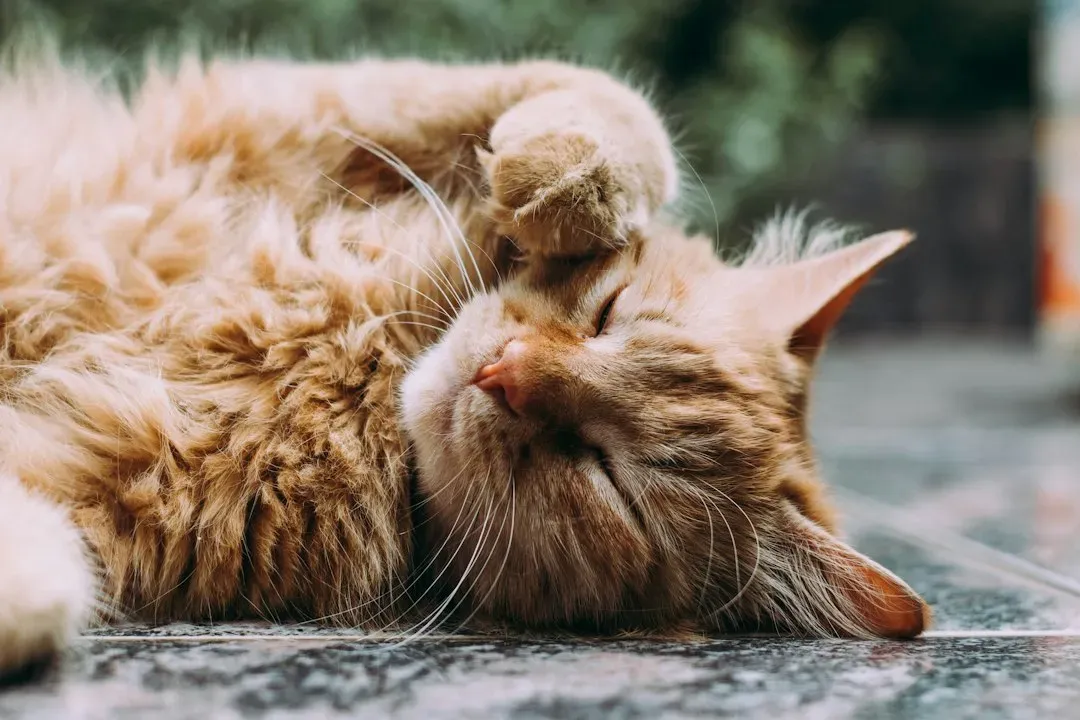
Female cats that haven’t been spayed sometimes knead more when they’re in heat. In that setting, the behavior may be part of a broader set of signals that includes rolling, vocalizing, and a raised hindquarters posture. Veterinary sources mention this as one possible cause, not the usual one.
Most kneading cats are spayed or neutered, and plenty of males do it too. So hormones can’t explain the habit in general. It’s a small footnote that shows how the same movement can show up in different situations.
Handling Claws and Unusual Changes
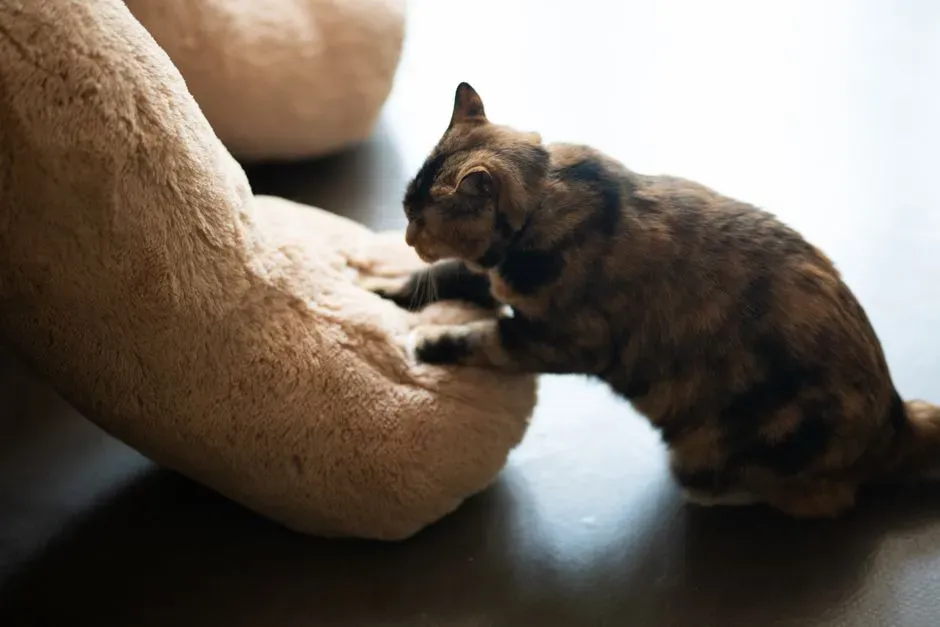
Kneading itself is normal and doesn’t need correcting. If the claws bother you, keeping the nails trimmed is the simplest fix. Placing a folded blanket on your lap gives the cat something to press into while protecting your skin.
Punishing a cat for kneading isn’t recommended, since it can damage trust over something instinctive. What deserves attention is a sudden change, like kneading that becomes frantic, obsessive, or paired with other shifts in appetite or mood. In those cases, a veterinary visit can rule out pain, stress, or illness.
What Researchers Still Haven’t Settled

Kneading hasn’t been the subject of many dedicated controlled studies. Much of what we know comes from observation, veterinary behavior experience, and what we understand about kitten development. That means the leading explanations are well supported in spirit but not rigorously tested one by one.
The nursing origin, comfort association, and scent marking are the most commonly cited reasons. Nest building and stretching remain reasonable but less certain. Until more research arrives, the safest conclusion is that cats probably knead for a mix of reasons, all rooted in feeling secure.




Leave a Reply