
Most people have felt the small jolt of being teased by someone they like. A raised eyebrow, a made-up nickname, a joke about your terrible taste in music. It can feel like a spark, or it can sting, and the difference often comes down to details that are easy to miss.
Researchers have studied teasing for decades, and newer work from 2024 and 2025 keeps adding nuance. The picture that emerges is more careful than “teasing works” or “teasing is rude.” It depends on who is doing it, how, and what the other person hears.
Teasing Is Older Than Language

Teasing may be one of the oldest social behaviors we have. Developmental studies suggest that preverbal infants already tease their parents by deliberately doing something unexpected, creating a shared humorous experience. That means the habit shows up before a child can say a single joke.
The roots may go even deeper. Teasing may be phylogenetically old and perhaps an evolutionary precursor to joking. A review also presents preliminary evidence that non-human primates also exhibit playful teasing, so flirtatious banter may be a grown-up version of something very basic.
Why Teasing Can Feel Like Chemistry

Good teasing breaks a small expectation and invites the other person to laugh along. That shared moment signals comfort, since you wouldn’t poke fun at someone you felt wary around. It also tells them you’re paying attention to their quirks.
Research on romantic partners supports the link with closeness. A 2025 study in the Iowa Journal of Communication found that affectionate teasing was positively predicted by physical attraction and social attraction. In other words, people who felt drawn to a partner were more likely to tease in an affectionate way.
Playfulness as a Personality Trait

Some people simply enjoy banter more than others. Psychologists describe a trait called other-directed playfulness, and people high in it, who enjoyed playful teasing, also tended to have partners high in it. Those lower in the trait tended to end up with less playful partners.
This helps explain why the same joke lands differently on different dates. Matching styles seem to matter, and a teasing style that feels natural to you may feel abrasive to someone who prefers earnest warmth.
How Satisfied Couples Tease Differently

A well-known 1998 study in the Journal of Personality and Social Psychology compared fraternity members and romantic couples. Satisfied romantic partners teased in more prosocial ways, defined by reduced face threat and increased redressive action. Put simply, they softened the jab and added something kind to balance it.
That finding is older, but it remains a useful baseline. Happy couples didn’t avoid teasing. They tended to pair it with signals of warmth, such as a smile, a gentle tone or a quick reassurance.
The Target Often Feels It More

The same classic research found an uncomfortable asymmetry. Targets reported more negative emotion than teasers. The person delivering the line is usually enjoying the moment more than the person receiving it.
There was a gendered pattern in the romantic couples too. Men reported similar negative emotion as teaser and target, while women found being the target especially aversive. It was a small laboratory sample, so it’s not a rule, but it’s a good reminder not to assume your partner feels what you feel.
Where the Line Tends to Sit
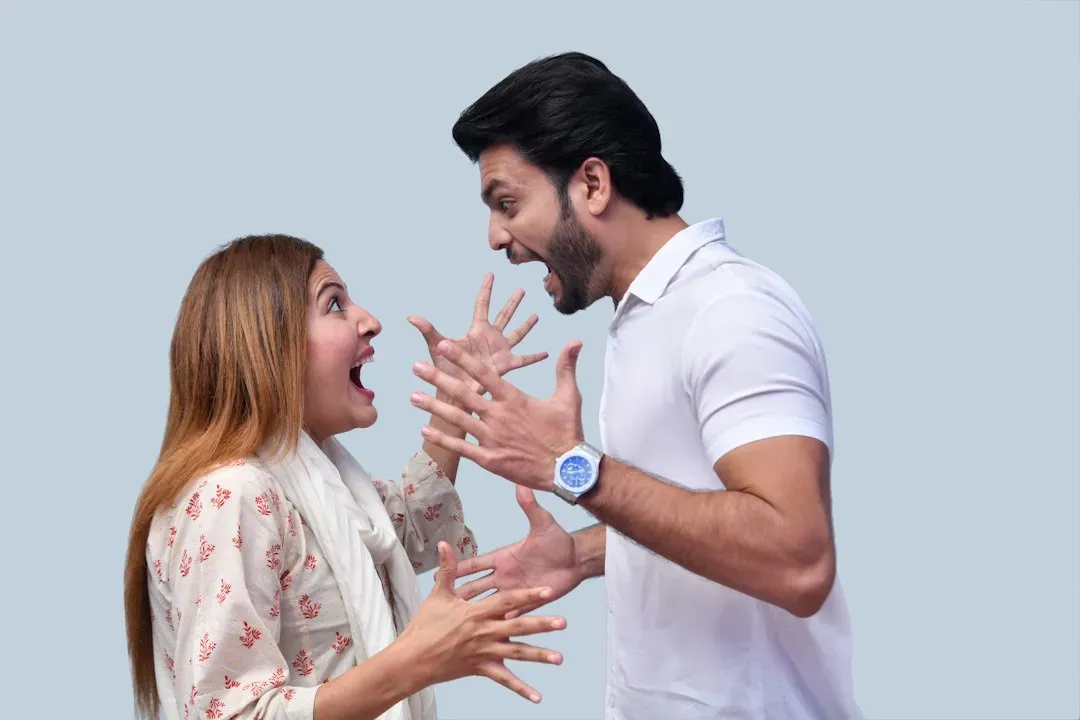
A 2025 systematic review in a Springer journal looked at qualitative studies of peer teasing among young people. It examined how combinations of features yield playful versus harmful teasing, and what features youth consider when deciding when teasing crosses the line. The takeaway is that no single feature decides it.
Intent, relationship, tone and context all interact. A joke from a friend who clearly cares may be fine, while the same words from someone with a history of mocking you may not be. Because the review focused on youth, its conclusions fit adults only loosely.
Romantic Interest Is Not a Free Pass

It’s tempting to think that teasing is always forgivable when it’s flirting. The review suggests otherwise. It found that playful boy-girl teasing occurred exclusively between friends or romantic interests, yet even among romantic interests, it still, at times, felt harmful.
So attraction can make teasing possible, but it doesn’t guarantee it will be welcome. The same review notes that harmful teasing also happened among classmates, nonfriends and people who disliked each other, which is where it’s least likely to be read as affection.
Fear of Being Laughed At Changes Everything

Some people carry a sensitivity to mockery that shapes how any banter feels. A study from Martin Luther University Halle-Wittenberg, published in the Journal of Research in Personality, found that people who are afraid of being laughed at are often less happy in their relationship. The researchers also concluded this affects the partner and their sexuality.
That study dates to 2018, but it matters here. A partner who flinches at jokes isn’t being dramatic, and gentle teasing aimed at them can reinforce a fear they already have.
Reading the Signals in Real Time

Attachment style adds another layer. In the 2025 Iowa Journal of Communication study, affectionate teasing was positively predicted by anxious attachment and negatively predicted by avoidant attachment. Different people use, and receive, banter through different emotional lenses.
The same study reported no significant results for aggressive teasing as an outcome, so it doesn’t tell us what drives the hurtful kind. Practically, the safest signals are watching whether the other person laughs and teases back, and stopping quickly when they go quiet or change the subject.
Final Thoughts
Teasing works best when it says “I notice you and I like you,” and when the other person clearly hears it that way. The research points to warmth, mutual playfulness and an equal willingness to be teased back as the markers of the playful kind.
When the target is the only one not laughing, or when the joke touches an insecurity, the line has probably already been crossed. Easing off at that moment costs almost nothing.

Leave a Reply