
Mallorca’s summer of confrontation turns physical
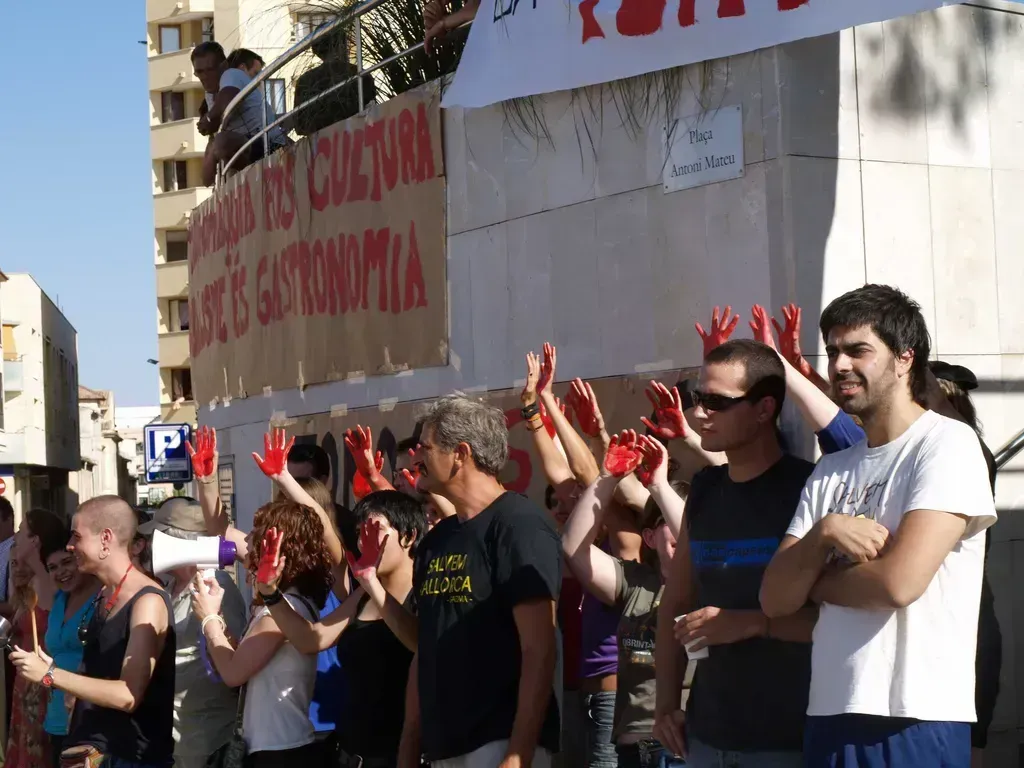
What used to be peaceful marches took a sharp turn in late July 2026, when a demonstration in Palma de Mallorca escalated into violence. More than 25,000 protesters took to the streets of Majorca, arguing the island cannot cope with more holidaymakers. The clash was not merely symbolic. Police officers struck those in the crowd with batons, while angry protesters were seen leaping over barriers, forcing police to hit them back in response.
The organizers behind the unrest have been building momentum for over a year. More than 50 organisations united behind plans for the demonstration, with activists declaring their intention to collapse the Mallorca capital of Palma, a coalition led by Menys Turisme Mes Vida, whose name translates to Less Tourism More Life. Reports from the same weekend described the crowd as deliberately confrontational, with the Policía Nacional claiming the violence occurred only after some of the protestors had attacked tourists, a version disputed by demonstrators themselves.
Barcelona’s water pistols and the rent squeeze

Barcelona’s protests have a gentler visual signature but an equally sharp message. “The squirt guns are to bother the tourists a bit,” one protester said with a chuckle after spritzing a couple seated at an outdoor café. Behind the theatrics sits a housing market that residents say has priced them out of their own neighborhoods.
The numbers explain the anger better than any slogan could. Over the past ten years, the rise in short-term rentals has driven rents up by 68 percent and the cost of buying a house up by 38 percent in Barcelona. City hall’s response has been to phase out the practice entirely, and Barcelona officials had planned to ban short-term tourist apartment rentals by 2028, according to Fox Business reporting.
The Canary Islands reach a breaking point
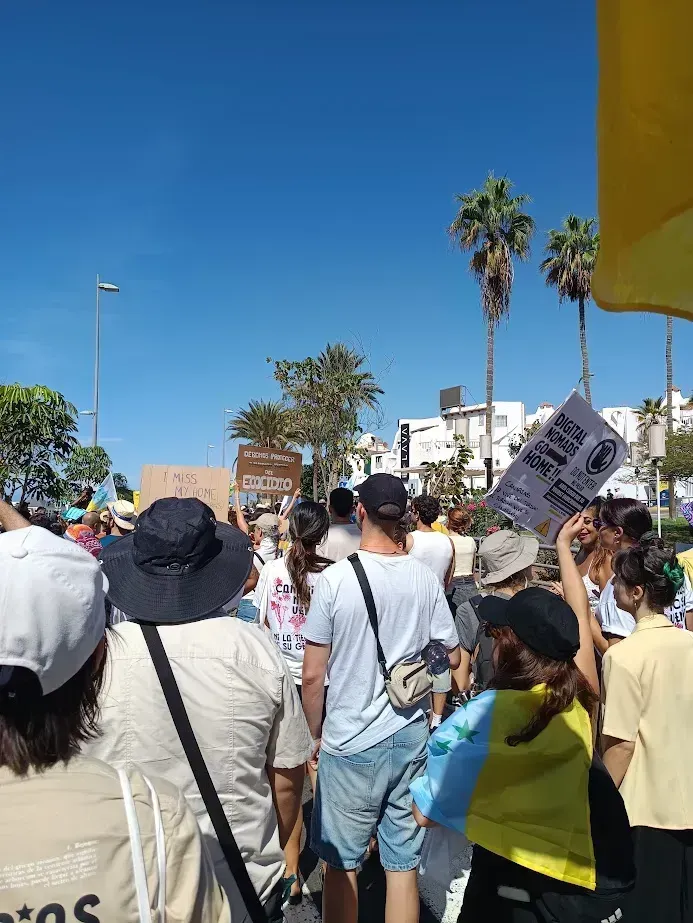
Further from the mainland, the Canary Islands have developed their own protest culture, built around a stark slogan. Local groups operate under slogans like “Canarias tiene un límite,” or “The Canaries have a limit,” protesting what they call uncontrolled mass tourism. The frustration is not abstract; it shows up in who can afford to live near their own workplace.
Tourism dominates the local economy, yet the benefits feel unevenly distributed. While tourism accounts for roughly 35 percent of the islands’ GDP, many locals feel they aren’t seeing the benefits. Regional authorities have responded with one of the more aggressive housing interventions seen in Europe, as the Canary Islands approved sweeping new regulations that freeze all new holiday rental licences for the next five years, marking one of the most aggressive crackdowns on short-term tourist rentals in Europe.
Athens tightens the screws on short-term rentals
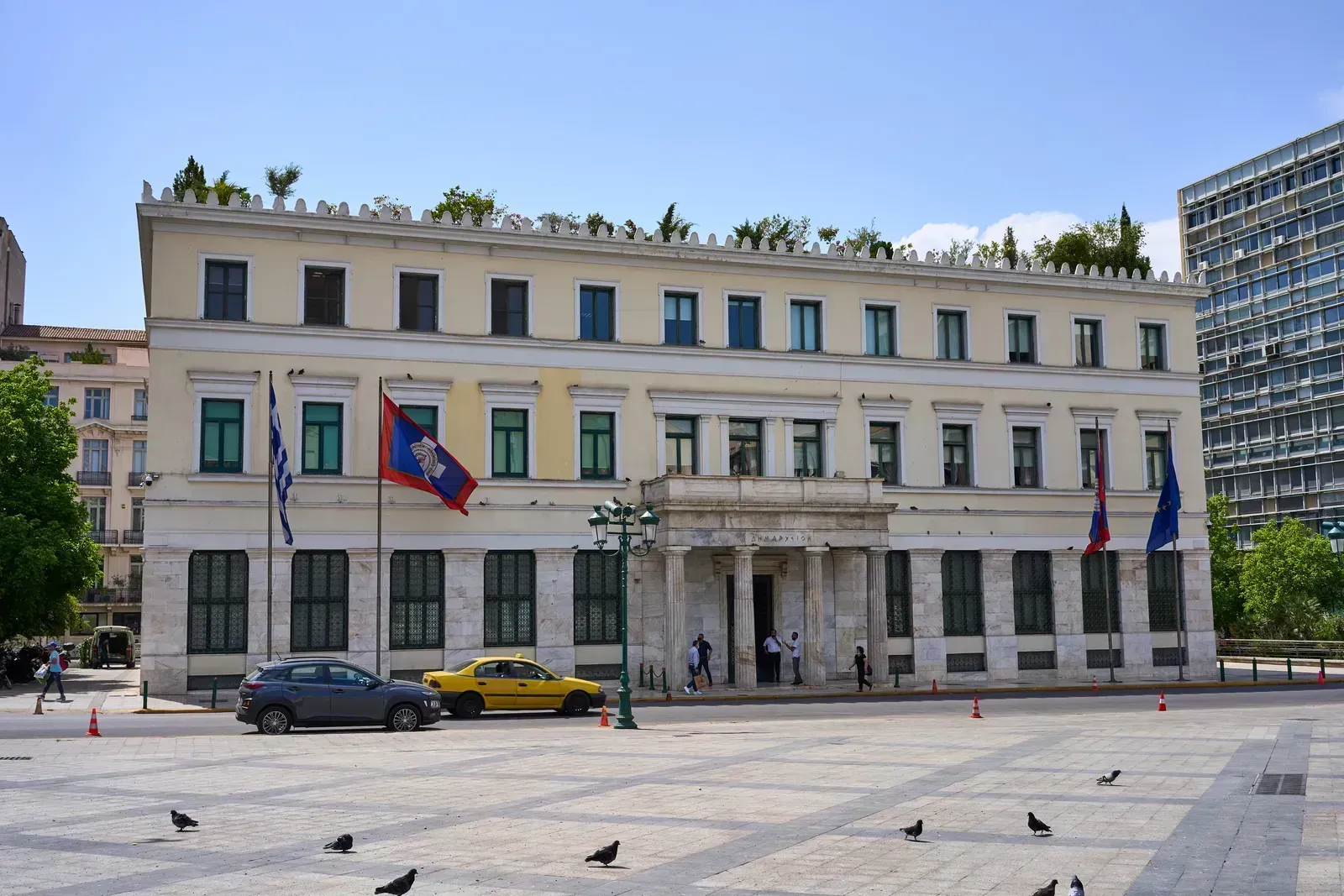
Greece’s capital has taken a more bureaucratic approach to the same underlying problem. Facing rising costs, the city of Athens is considering stricter regulations, with mayor Haris Doukas saying he may consider capping the number of new hotels in the city to combat overtourism. The city has already put teeth into its short-term rental rules.
Enforcement has come with real financial consequences for landlords who ignore the rules. Athens is enforcing strict short-term rental rules with fines up to 21,600 dollars. Early signs suggest the pressure is having some effect, since early data suggests the policies are beginning to have an effect, with a modest decline in short-term rental listings in Athens reported in 2026.
Santorini and Mykonos rethink the cruise math
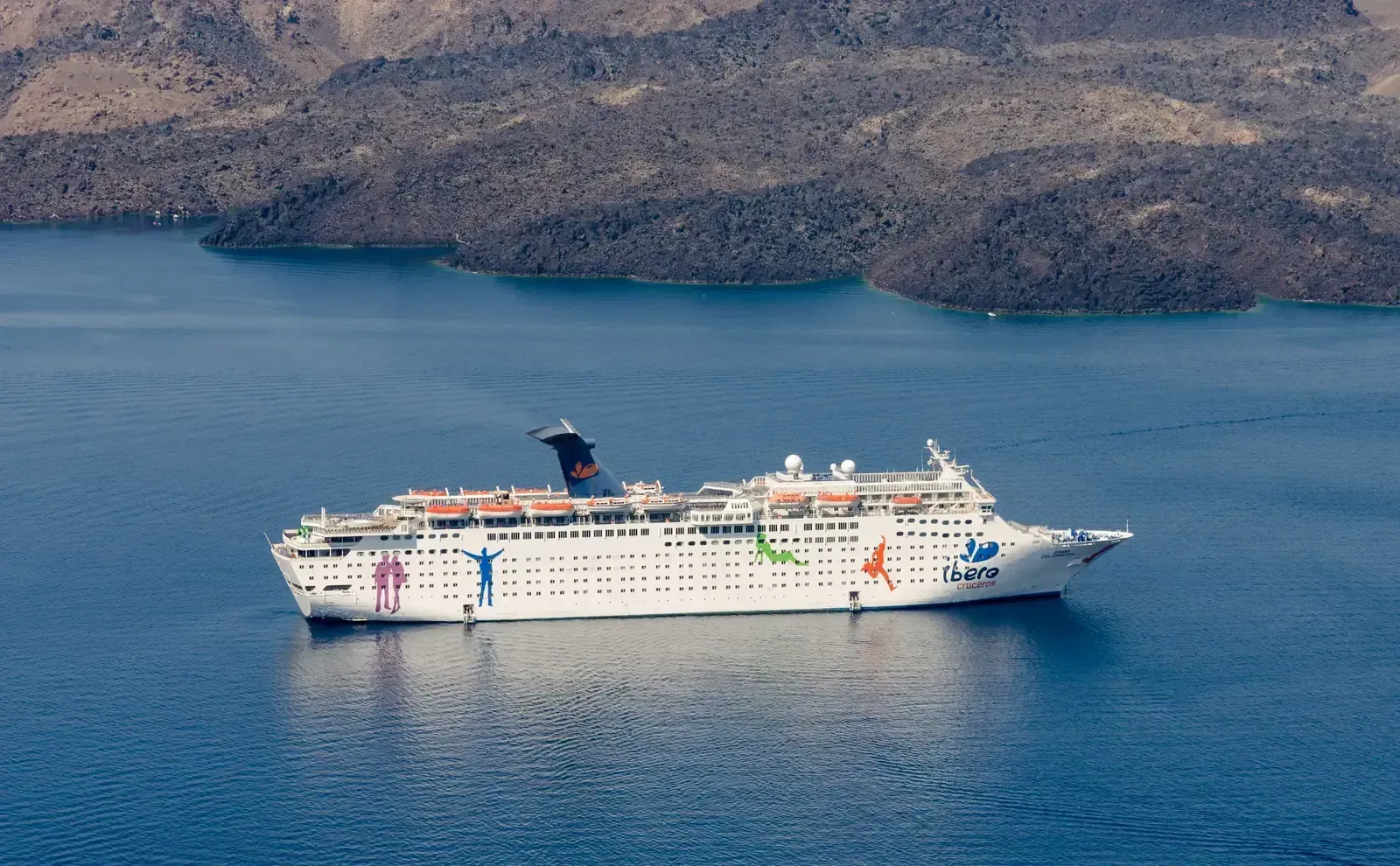
Greece’s island economy runs on cruise arrivals, and nowhere is the tension between volume and livability clearer than in Santorini. The island has moved beyond fees into hard limits. Santorini has gone a step beyond pricing, imposing an actual ceiling on visitor numbers, enforcing a daily cap of 8,000 cruise visitors for the 2026 season.
A quiet accounting change has made that cap more meaningful than it first appears. The daily cap of 8,000 cruise passengers was introduced in 2025 when the port assumed 80 percent occupancy when calculating each ship’s passenger load, but in 2026 that assumption rose to 100 percent, meaning a ship with 3,000 berths now occupies the full 3,000 of the 8,000 daily slots. Mykonos, by contrast, applied fees without a hard cap, and locals there point to it as a cautionary example of what happens when pricing alone is left to do the work.
A country of fifty million meeting a hundred million visitors
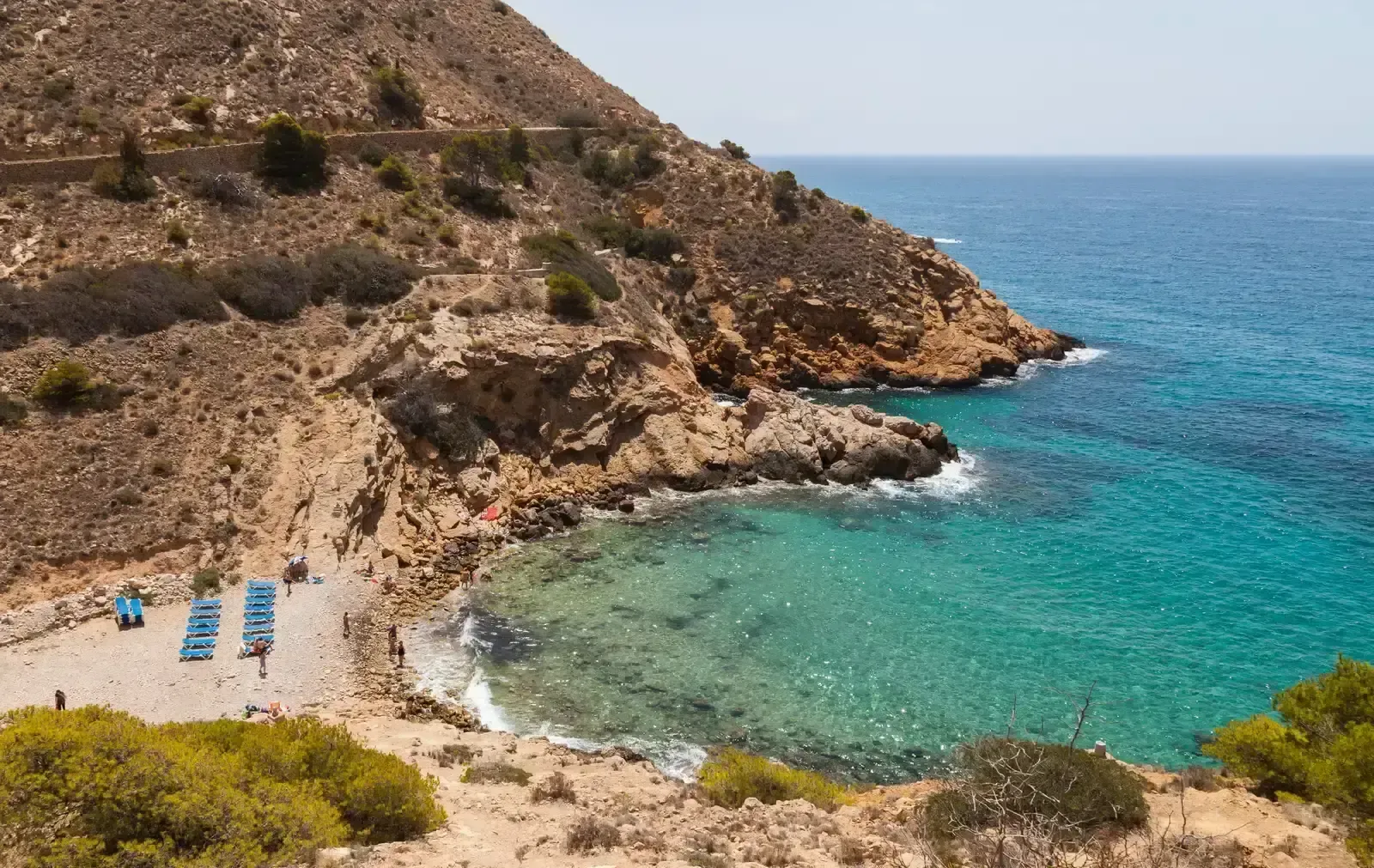
Spain’s overtourism debate is ultimately a question of scale. In 2025 Spain welcomed some 94 million tourists against a domestic population of around 50 million, a figure projected to rise to 100 million by the end of 2026. For a country still carrying the weight of a painful financial crisis from the early 2000s, that volume of spending is not something officials can easily dismiss.
Tourism’s economic weight makes the politics genuinely complicated. This volume of visitor spending is difficult to overestimate, since it funds jobs, infrastructure, and regional development, in a country with still-high public debt and youth unemployment. That dependency is precisely why residents feel their complaints are so often sidelined in favor of continued growth.
Housing markets under strain from short-term rentals
Across both countries, the housing argument keeps surfacing as the central grievance, more than crowded beaches or long museum lines. In the Canary Islands, ordinary workers are being squeezed out of the towns where they are employed. The explosion of short-term holiday rentals has priced locals out of their own towns, with teachers, nurses, and hospitality staff often unable to afford rent in the areas where they work.
Barcelona tells a similar story through its own city hall data. Rent prices have soared in the Spanish city by 68 percent over the past decade, while the cost of purchasing a home has increased by 38 percent, according to Barcelona’s mayor. Protesters have pointed the finger squarely at platforms like Airbnb rather than tourism itself, framing the fight as one over housing stock rather than visitor numbers.
Tourism workers add their voices to the discontent
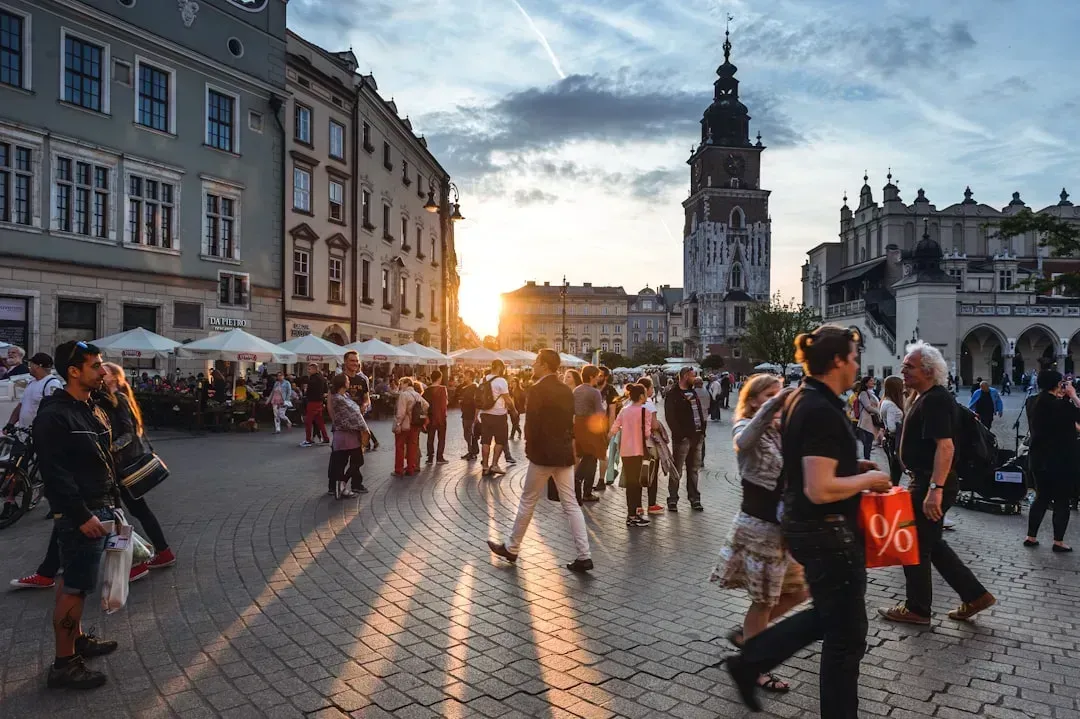
The backlash is no longer limited to residents watching their neighborhoods change; the people employed by the industry itself have started organizing too. In Greece, labor unions have moved to raise the issue directly with employers and the public. Labor unions are organizing protests in ports, airports, and archaeological sites to raise awareness about the poor wages paid to industry workers.
The demands are specific and tied to working conditions rather than visitor caps. Organizers are asking for an increase of 12 percent over the next two years, and for the five-day, 40-hour working week to also apply to tourism staff, according to the president of the Hellenic Federation of Tourism Employees. It marks a shift from residents alone pushing back to the workforce that serves visitors joining the chorus.
Governments respond with taxes, caps, and new rules
Faced with sustained pressure, both Spain and Greece have leaned on regulation rather than outright bans. Cruise passengers arriving in the busiest Greek islands now pay directly into the system that manages them. Cruise ship passengers disembarking on Greek islands began paying an extra charge, dubbed the sustainable tourism fee, reaching 20 euros per passenger in Santorini and Mykonos during peak season, and 5 euros elsewhere.
Spain has taken a parallel approach through rental market reform rather than entry fees. Since April, mainland Spain has required 60 percent neighbour approval for new tourist rentals. Regulators have also gone after existing platforms directly, and Spain’s government ordered Airbnb to remove almost 66,000 holiday rentals from the platform that it said had violated local rules.
What the shift means for travelers heading to either country
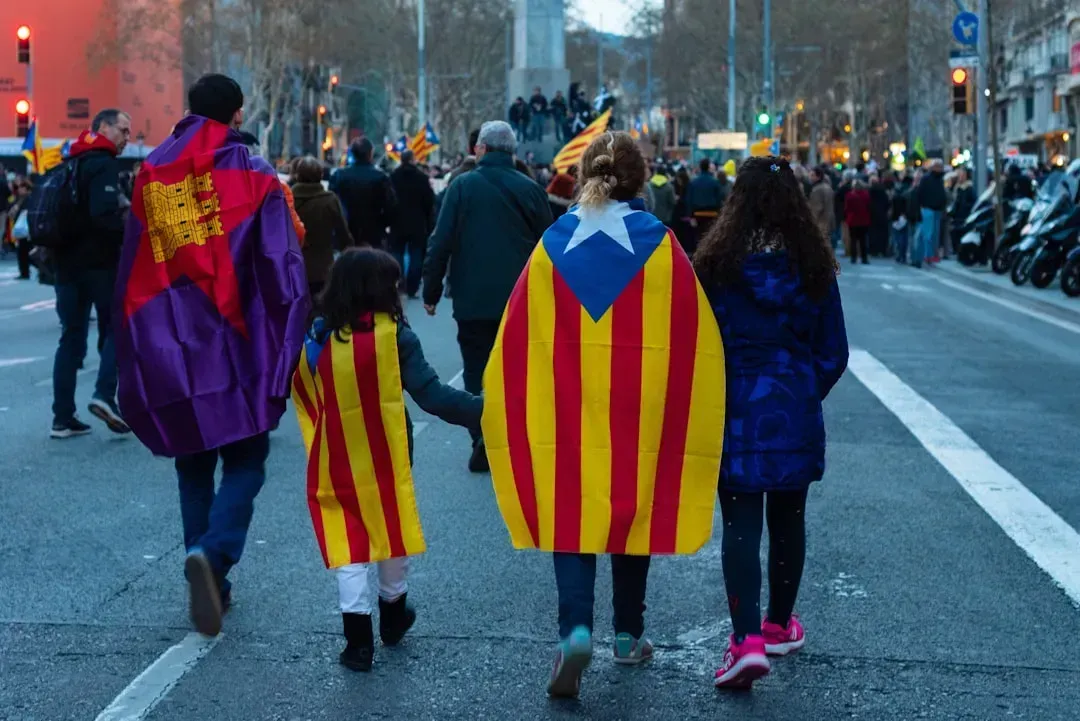
None of this amounts to a closed door for visitors, despite the dramatic headlines. Most protest organizers have been careful to draw a distinction between tourism itself and the scale it has reached. The message from organizers is that locals are not anti-tourist, they are anti-mass tourism, calling for policies that balance economic benefits with residents’ quality of life.
For anyone planning a trip, the practical advice from those tracking the movement stays fairly consistent. Demonstrations are generally peaceful and directed at authorities rather than visitors, and major tourist attractions and transportation systems continue operating normally. Travelers can expect new fees, tighter rental rules, and occasional demonstrations, but not a fundamental barrier to visiting either country.
Final Thoughts
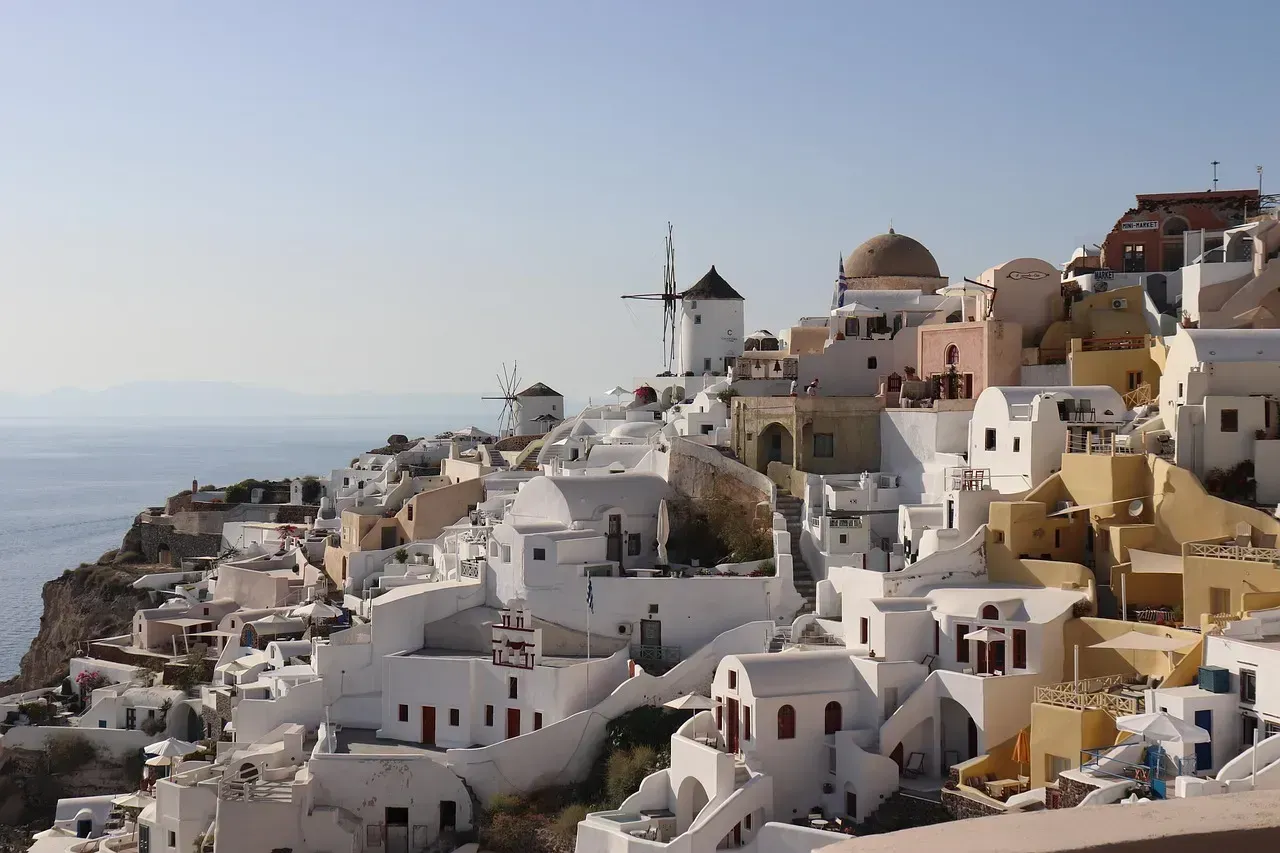
What’s unfolding in Spain and Greece is not a rejection of tourism so much as a demand for a different kind of relationship with it. Residents in Palma, Barcelona, Tenerife, and Athens are not asking visitors to stop coming; they’re asking their own governments to make sure the money and the pressure land somewhere fairer. Whether the current mix of caps, taxes, and rental freezes actually rebalances that equation will likely take a few more summers to judge, but the pushback itself is no longer a passing phase. It has become a permanent feature of how these places are governed.





Leave a Reply