
Something strange is happening all across America’s most iconic zip codes. Places that once felt like guaranteed investments, the kinds of streets where a “For Sale” sign triggered bidding wars within hours, are now sitting quietly on the market for weeks. Prices are softening. Buyers are hesitating. And longtime homeowners are watching their Zestimate numbers tick downward with a growing sense of dread.
This isn’t a small story. Home values are falling for more than half of U.S. households, with new research from Zillow showing that 53 percent of all U.S. homes have lost value since last year, the highest share since 2012. The trends playing out nationally are hitting certain elite neighborhoods harder than others, and the reasons why are genuinely surprising. Let’s dive in.
1. San Francisco’s SoMa and Mission Bay: Tech’s Favorite Neighborhoods Fall Hard
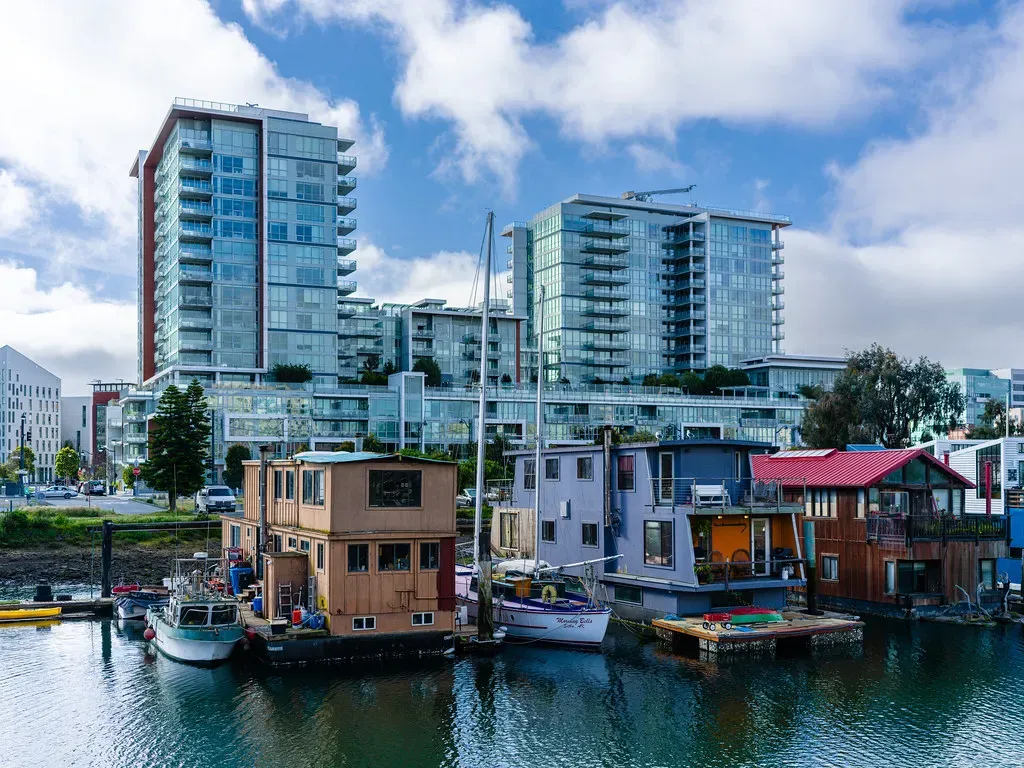
For years, SoMa and Mission Bay were the darlings of the San Francisco real estate market. Shiny condos, rooftop terraces, proximity to tech campuses. It felt bulletproof. That sheen has faded considerably.
South of Market home values were down over twelve percent in early 2025 compared to the prior year, with homes typically selling for three percent below list price. That’s a significant reversal for a neighborhood once synonymous with tech-fueled prosperity.
Hiring in the Bay Area tech sector cooled significantly during 2023 and early 2024, with companies such as Google, Meta, Amazon, and Salesforce putting in place hiring freezes and layoffs, meaning fewer new workers relocated and demand for higher-end units dropped. When the biggest driver of demand packs up, prices follow.
The market for condos in SoMa, Mission Bay, South Beach, and the Civic Center area was particularly weak, with reports from Redfin and Compass both showing that condo price declines outpaced single-family homes across the city, as elevated HOA fees, concerns about downtown activity, and remote work preferences pushed buyers toward neighborhoods with larger homes and more space.
2. Pacific Heights, San Francisco: Even the Crown Jewel Isn’t Immune
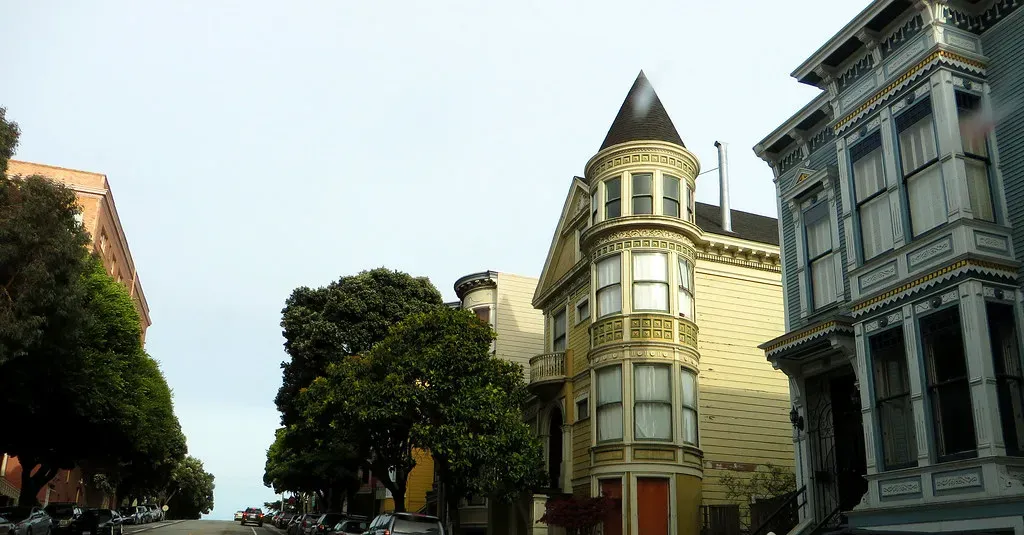
Pacific Heights is supposed to be untouchable. Grand Victorians, sweeping bay views, tree-lined streets. It’s the kind of neighborhood that features in glossy magazine spreads about San Francisco living. Honestly, I never thought I’d be writing about Pacific Heights losing value. Yet here we are.
While still pricey, Pacific Heights has seen home prices drop a significant 40.6 percent year over year as of early 2025, with properties typically selling for one percent below their asking price. That’s a staggering figure for one of the city’s most storied addresses.
San Francisco County is down about fifteen percent over three years in many downtown tracts, and some neighborhoods have already fallen more in this downturn than during the 2007 to 2012 slide. For context, that’s a bigger correction than the Great Recession delivered. Let that sink in.
3. Downtown Denver: The Mile High City Hits a Wall
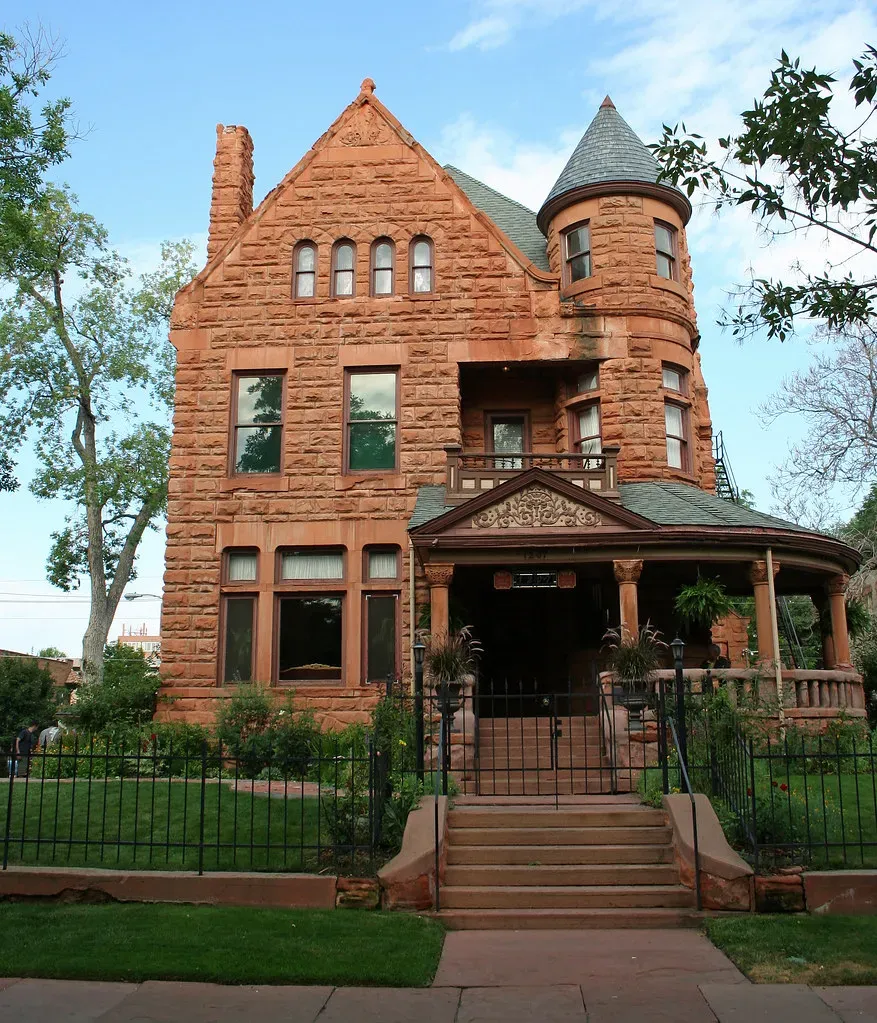
Denver spent the better part of a decade as one of the hottest real estate markets in the country. Young professionals poured in. Prices soared. Premium downtown neighborhoods commanded premium prices, and sellers rarely had to negotiate much at all.
Denver topped Zillow’s list of cities with the most widespread home value losses, with a staggering 91 percent of homes declining in value over the past year. That’s not a small correction. That’s nearly the entire market pulling back at once.
Property values are linked to the real estate market, which has been slowed by high interest rates since the Federal Reserve raised them to curb inflation in a post-pandemic world. Property values in most Denver neighborhoods held steady or even dropped from 2022 to 2024, according to the latest data released by Denver’s Assessor’s Office. The supply that kept building during the boom years finally caught up with demand.
4. Austin’s East Side and Travis Heights: The Pandemic Darling Stumbles
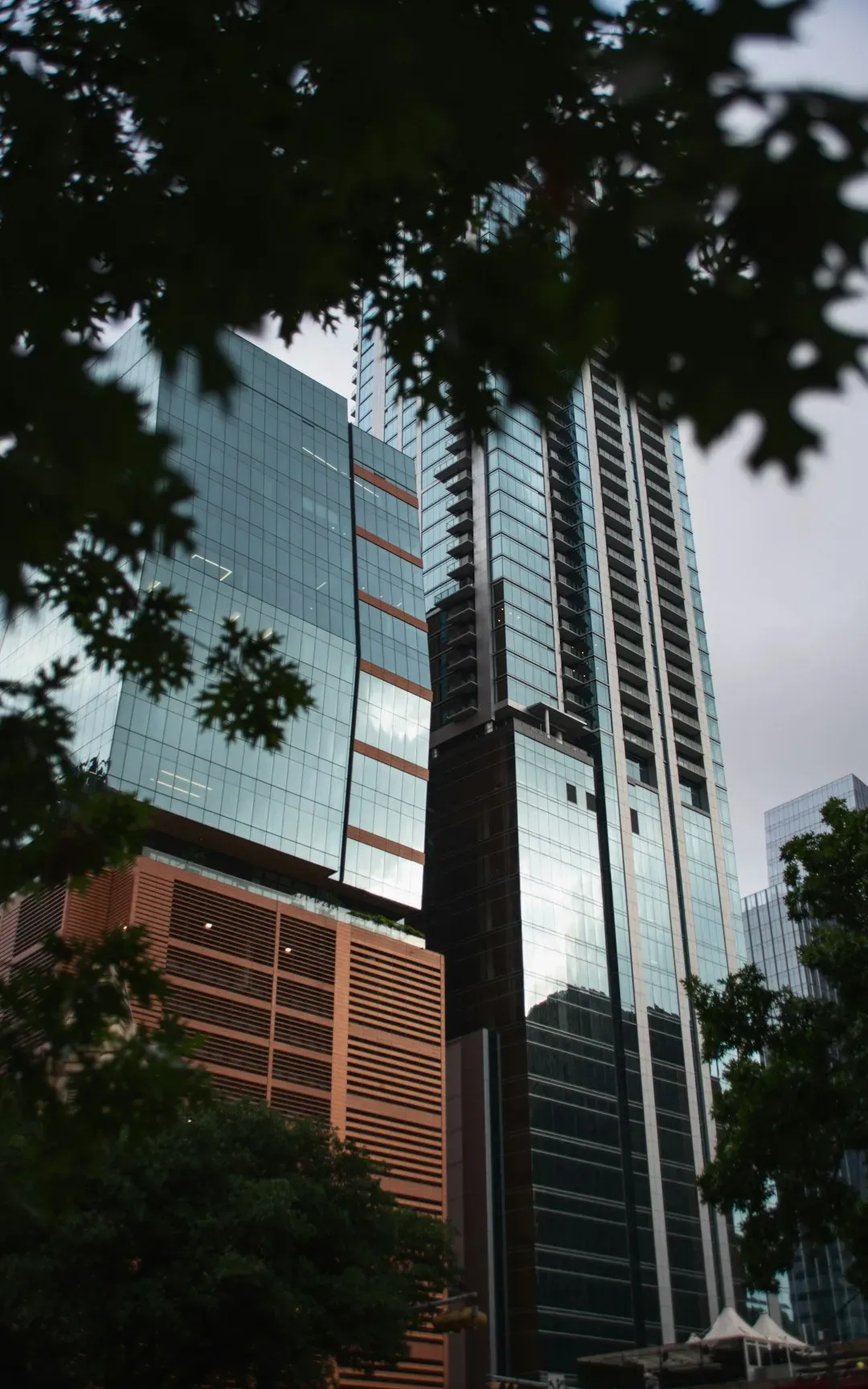
If you wanted to understand how fast a real estate market can reverse, Austin is your case study. The city became a symbol of pandemic-era migration. Tech workers fled expensive coasts and flooded into Austin, driving prices to levels that seemed disconnected from local economic reality.
Austin is the poster child for this dynamic, with its boom extreme, its construction pipeline heavy, and its repricing unusually sharp, with Zillow’s metro data showing meaningful declines into late 2025. Once-desirable east side neighborhoods that saw dramatic appreciation are now sitting with visible price reductions.
According to Zillow data, the Austin area saw home values down about 6.1 percent year over year. New supply arrived with a lag, as permitting decisions made in 2021 and 2022 translated into completions and competition in 2024 and 2025, meaning that when listings rose, sellers lost leverage and price cuts spread. The math simply stopped working for buyers, and the market responded accordingly.
5. Downtown Seattle Condos: A Market Splitting in Two
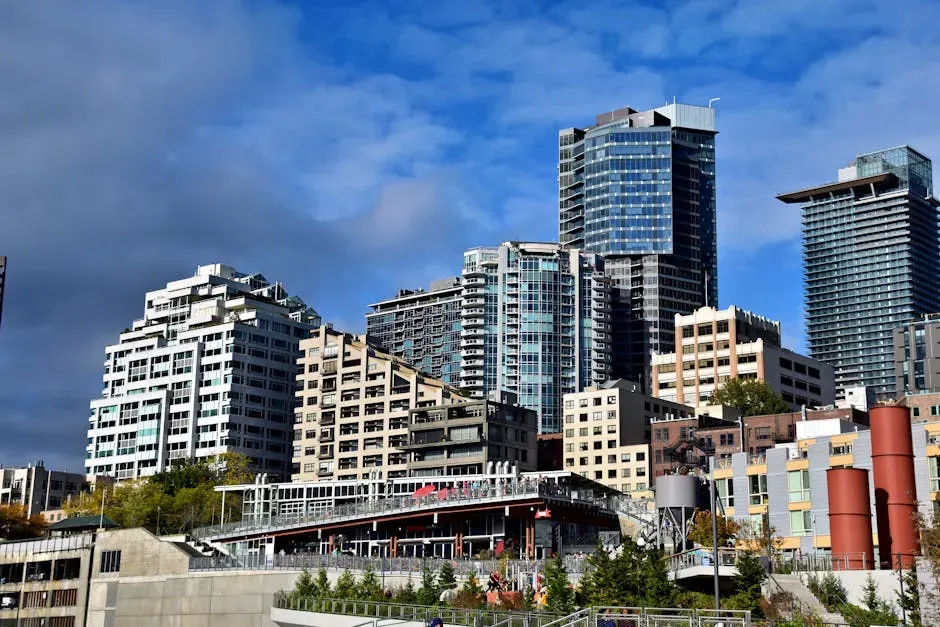
Seattle is a tale of two very different markets happening simultaneously. Single-family homes in premium neighborhoods continue to attract fierce competition. Meanwhile, the condo market, particularly in downtown corridors, tells a much darker story.
Residential condominiums saw fewer sales in 2023 and all across King County experienced a value decline, mostly in the single digits, while downtown Seattle condominiums experienced the largest drop in value. For buyers who purchased at peak 2022 prices, these are painful numbers.
Both high living costs and the shift to remote work in the tech industry are cooling Seattle’s market, with the concern being that more people are simply choosing not to live in the city. In early 2024, the median Seattle condo was about 62 percent of the median house price, but by early 2025, that gap had widened further, with the median condo dropping to only 55 percent of the median house value. City living is getting a discount. Whether that discount deepens is the question everyone in Seattle real estate is asking.
6. Miami Beach: Where Climate Risk Meets Sticker Shock
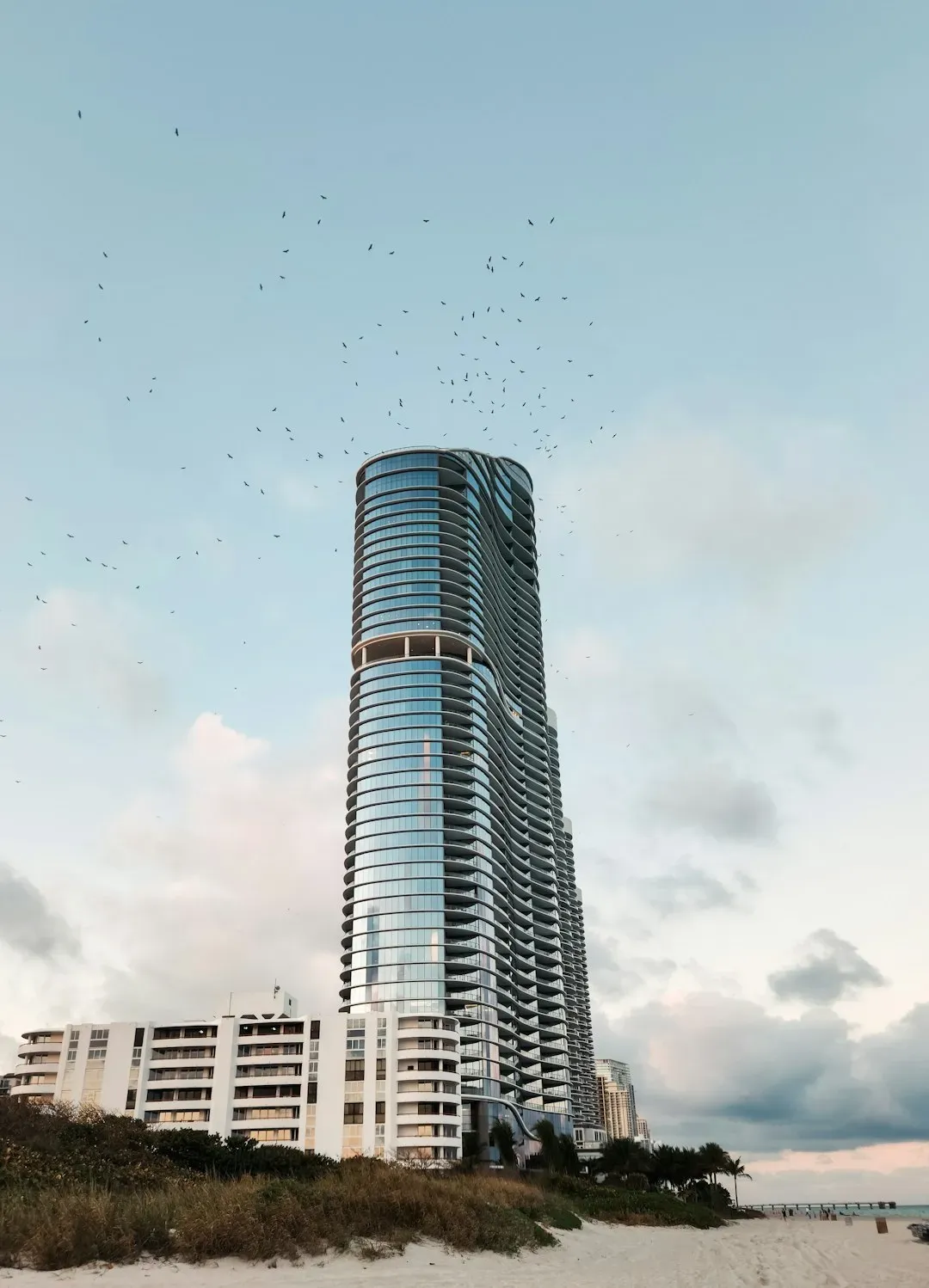
Miami Beach has long functioned as one of America’s ultimate flex neighborhoods. Waterfront living, global cachet, year-round sunshine. For a certain type of buyer, it felt like the pinnacle. Something fundamental, however, is changing the calculus.
Insurance has become one of the biggest pressure points in Miami’s real estate market, with climate risks causing premiums to surge, in some cases doubling or tripling, and for homeowners, the cost of holding property is becoming just as significant as the purchase price itself. It’s one thing to afford the mortgage. It’s another to afford the insurance.
A 2022 study by University of Miami researchers found that insurance rates, more so than the physical threat of rising seas, are the primary driver of homebuyers’ decisions to move to higher ground. Older buildings are now subject to stricter safety regulations requiring costly repairs, with owners facing hefty assessments, sometimes tens of thousands of dollars, to bring properties up to code, prompting some to sell. The glamour is still there. The financial logic is cracking at the edges.
7. Chicago’s Gold Coast and River North: Population Loss Tells the Story
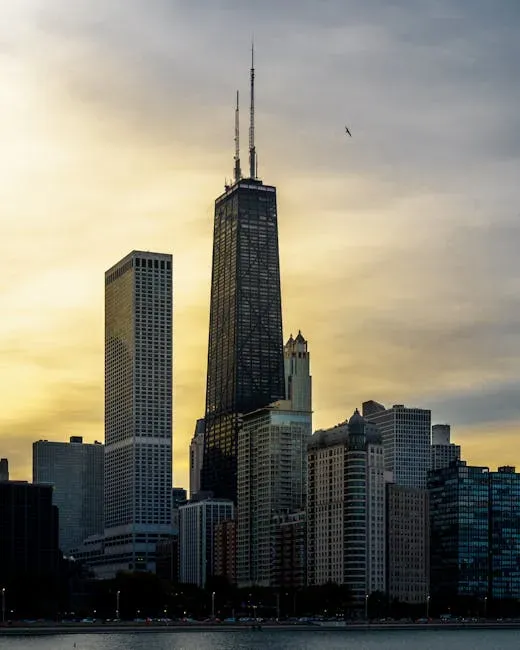
Chicago’s premium neighborhoods have long held their own against the narrative of a struggling city. Elegant brownstones. Lakefront views. Cultural density that rivals any major metro. Here’s the thing, though: the underlying numbers for Chicago’s elite corridors are flashing warning signs that are hard to dismiss.
High property taxes, crime rates, and lack of population growth have been blamed for Chicago’s falling home prices, with projections for meaningful decline as population growth stagnates and the city faces fiscal challenges. Elite neighborhoods are not insulated from city-wide structural challenges.
Zillow recently published a report finding that 53 percent of homes nationwide lost value between 2024 and 2025, with the average drawdown at 9 percent. In Chicago’s premium zip codes, where prices were already stretched relative to income, that pressure is felt even more acutely. It’s hard to say for sure how deep this correction goes, but the population and fiscal trends are not pointing in a hopeful direction.
8. Phoenix’s Arcadia and Scottsdale Corridor: The Inventory Flood

Phoenix became one of the pandemic’s hottest real estate stories almost overnight. Californians, Washingtonians, and midwesterners all discovered it simultaneously. Premium neighborhoods saw values jump by amounts that seemed almost cartoonish in retrospect.
Phoenix recorded 87 percent of homes declining in value over the past year according to Zillow data, placing it among the most widespread correction markets in the entire country. That’s a remarkable reversal for a metro that just years ago couldn’t build fast enough to keep up with demand.
New supply arrived with a lag, as permitting decisions made in 2021 and 2022 translated into completions and increased competition in 2024 and 2025, meaning that when listings rose, sellers lost leverage and price cuts spread across markets with abundant near-substitutes. In Sun Belt markets like Phoenix, non-mortgage carrying costs including insurance and taxes are changing the affordability equation even when the sticker price looks like it has only dropped a little. The true cost of ownership has quietly become much higher than the asking price suggests.
9. Sacramento’s Midtown and East Sacramento: Bay Area Spillover Recedes
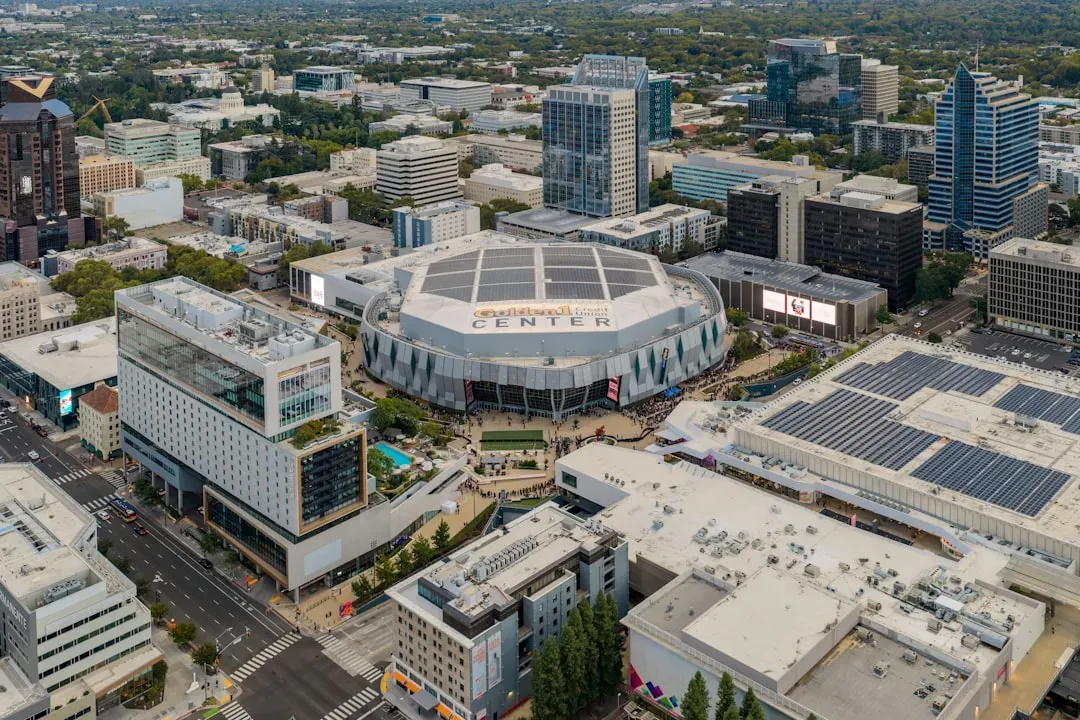
Sacramento’s rise was largely a story of Bay Area overflow. When San Francisco and Silicon Valley became unaffordable for vast numbers of workers, Sacramento absorbed the spillover. Remote work made it viable. Premium neighborhoods near midtown and East Sacramento became genuinely competitive. Then the tide turned.
Sacramento saw 88 percent of homes decline in value, placing it just behind Austin and ahead of Phoenix in the severity of widespread losses across Zillow’s national data. That’s nearly the entire market softening simultaneously.
The shift represents a dramatic reversal from 2023, when only 14 percent of homes were declining in value, though economists say the pullback reflects normalization after years of overheated appreciation, not the start of a broad market downturn. The Sacramento premium neighborhoods that absorbed Bay Area buyers at peak prices are now finding that remote work policies have tightened, and the migration wave that drove their rise has slowed considerably.
10. Dallas’s Uptown and Knox-Henderson: Texas Oversupply Takes Its Toll
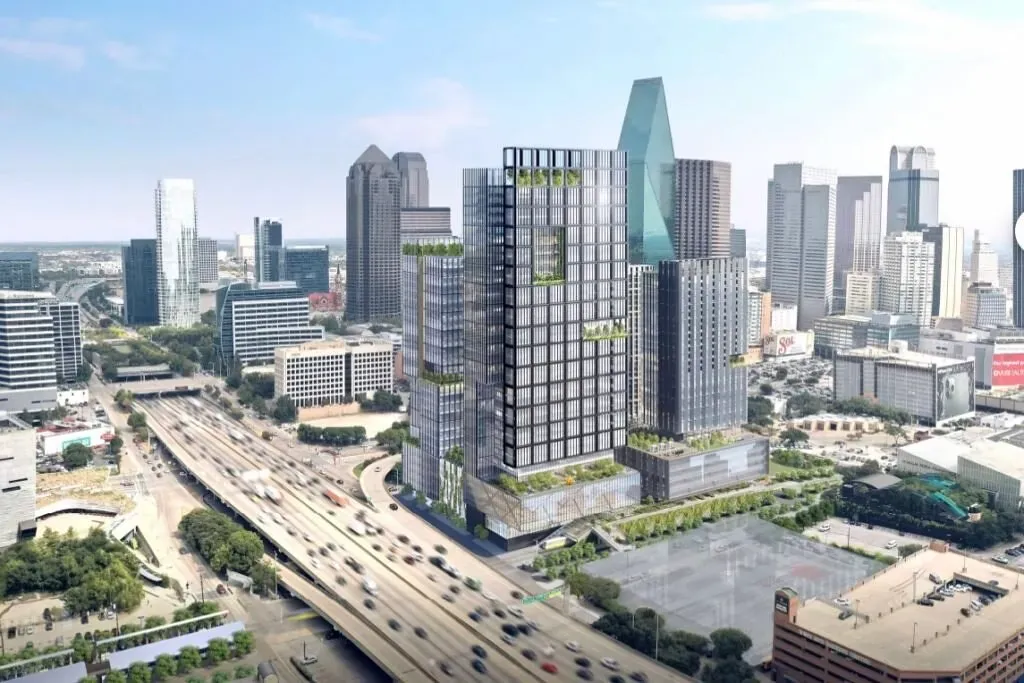
Dallas spent years being praised as the sensible alternative to coastal markets. Uptown and Knox-Henderson were the hip, walkable corridors that attracted young professionals priced out of New York and Los Angeles. Prices climbed steeply. Then the state’s legendary construction machine caught up.
Cities like Dallas have been identified as places where home values are likely to drop, with median home prices in Dallas already declining by 2.3 percent year-over-year, with homes sitting on the market for an average of 42 days. For neighborhoods where homes once went under contract in days, that’s a visible shift in tone.
In Texas, prices shot up by 126 percent over ten years through mid-2022, while wages of workers covered by unemployment insurance rose by only 34 percent, making such price spikes unsustainable as they trigger demand destruction, plunging sales, and surging inventories. The gap between what homes cost and what local incomes can support finally became too wide to ignore.
The Bigger Picture: What This Really Means for American Real Estate

Zoom out and the pattern becomes clear. These aren’t random stumbles. They’re the predictable aftermath of a once-in-a-generation price spike colliding with permanently higher mortgage rates, shifting work habits, ballooning insurance costs, and a construction boom that finally delivered too much supply all at once.
The story of U.S. housing is less about collapse and more about comedown, as after years of breakneck gains, the market is recalibrating, and while more than half of homeowners may be staring at lower values, only a small minority are confronting actual losses because the cushion built during the boom years remains real. That’s the honest context that too many breathless headlines ignore.
With home turnover rates at historic lows, the decline in home prices does not translate to losses for the majority of sellers, and homes sold recently had remained in their owners’ hands for over eight years, the longest homeownership tenure in a quarter century according to Attom. Most owners bought before the frenzy and still sit on significant equity. The pain is sharpest for those who bought at the peak, in the neighborhoods on this list, and that’s a lesson worth remembering the next time someone insists a particular zip code can only ever go up.
What would you have guessed? Did any of these neighborhoods surprise you? Drop your thoughts in the comments.





Leave a Reply