
Most long relationships don’t survive on grand gestures. They survive on small habits that repeat so often nobody remembers deciding on them. The morning coffee, the text at lunch, the way you say goodnight.
Relationship researchers have studied these routines for decades, and the findings point in a similar direction. Couples who keep a few dependable rituals tend to feel closer and handle stress better. If you still do the seven things below, you’re probably in better shape than you think.
A Real Goodbye and a Real Hello

The way you part and reunite each day sets a tone. Psychologist John Gottman, whose research on couples spans several decades, recommends a short, deliberate moment of connection when you leave and when you come home. It might be a kiss, a hug, or asking about one thing the other person has coming up that day.
It takes under a minute, which is the point. These moments work because they happen every day, and consistency matters more than length. When couples drift, reunions are often the first thing to turn into a glance over a phone screen.
A Daily Debrief About Life Outside the Relationship

Gottman’s work describes a stress reducing conversation, where partners take turns talking about pressures from work, family, or errands. The listener’s job is to support, not fix. Sessions of around twenty minutes are what he suggests.
The idea is that you become each other’s safe place instead of one more source of strain. If you still ask about your partner’s day and actually listen to the answer, you’re practicing a habit that researchers consider protective. It doesn’t need to be formal, and it works over dinner or on a walk.
Turning Toward Small Requests for Attention
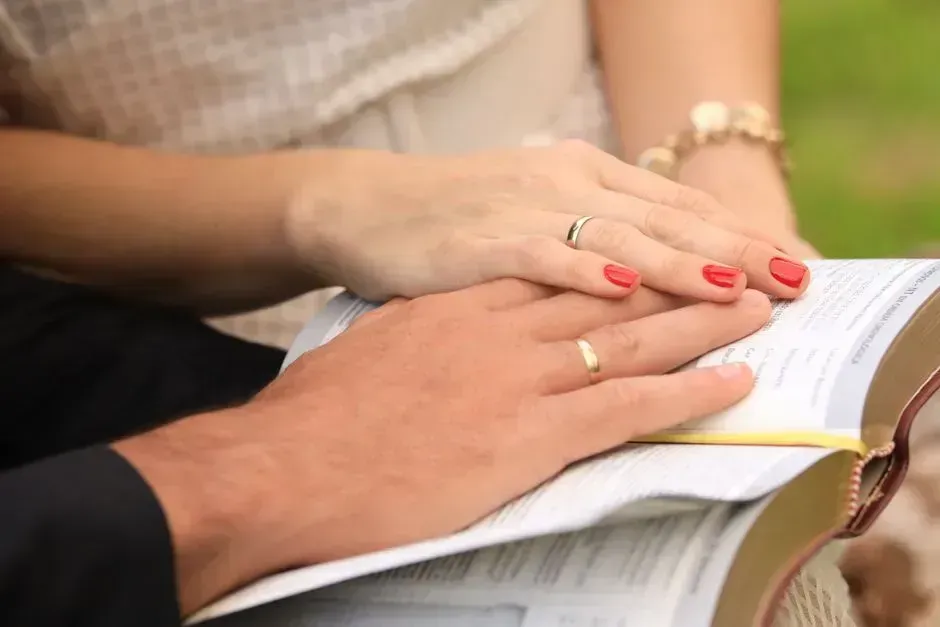
In Gottman’s studies, partners make small bids for connection all the time. A comment about a bird outside, a sigh, or a joke can all count. In his lab research, couples who stayed married responded to these bids the vast majority of the time, while couples who later divorced responded only about one third of the time.
This isn’t a scheduled ritual so much as a shared reflex. You look up from what you’re doing, you answer, and you show interest. Missing a bid now and then is normal, but a steady pattern of turning toward each other builds trust over the years.
Eating Together Without Distractions

Shared meals give couples a predictable pocket of time to talk. They don’t have to be elaborate, and takeout on the couch counts if you’re actually paying attention to each other. Research on family and couple routines often links regular shared mealtimes with stronger bonds, though much of that evidence is correlational.
That caveat matters. Eating together probably doesn’t create closeness by itself, but it’s a reliable setting where closeness can happen. If your phones stay away from the table, you’ve protected one of the easiest daily chances to connect.
Everyday Physical Affection

Touch that isn’t leading anywhere is its own kind of language. Holding hands, a hand on the back, or falling asleep close together all signal safety. Studies on affectionate touch have linked it with higher relationship satisfaction and lower reported stress.
Gottman also suggests a kiss lasting about six seconds as a small daily habit, long enough to feel intentional. The exact number is less important than the intention behind it. Couples who still reach for each other without needing a reason tend to be doing something right.
Saying Thank You and Meaning It

Gratitude researchers, including psychologist Sara Algoe, have found that feeling appreciated by a partner is tied to feeling more connected and more satisfied. Appreciation tells the other person that their effort is noticed. That matters most for the routine chores that otherwise go unacknowledged.
Specific thanks land better than general ones. Thanking your partner for handling the school pickup or fixing the sink shows you paid attention. If this is a habit you’ve kept after years together, it’s one of the more quietly powerful ones.
Protected Time for Dates and Check Ins

A report from the National Marriage Project found that couples who set aside regular time for each other were more likely to describe their marriages as very happy. Novelty and one on one attention seem to help, whether that’s a restaurant, a hike, or a walk after dinner. What counts is that the time is planned, not squeezed in when everything else is done.
Many couples also keep a short weekly check in to talk about schedules, money, and anything bothering them. Raising small issues early keeps them from becoming big ones. If you protect time for both fun and honest conversation, you’re covering the two things long relationships need most.
Final Thoughts

None of these rituals is complicated, and none of them requires a big budget. Together they come down to attention, appreciation, and showing up in small ways, day after day. If you recognize most of them in your own relationship, that routine is likely a sturdier foundation than any single big moment.





Leave a Reply