
Every neighborhood has one. The guy with a garage full of tools who figures there’s nothing a YouTube tutorial and a Saturday afternoon can’t fix. Sometimes that confidence pays off with a tidy patch job and a little pride. Other times it ends with a trip to urgent care, a flooded basement, or a repair bill that’s twice what a professional would have charged in the first place.
The line between a reasonable weekend project and a genuine hazard isn’t always obvious until something goes wrong. Below are sixteen jobs that show up again and again in emergency rooms, insurance claims, and contractor callback stories, the kind of work where skill, experience, and the right permits actually matter.
1. Upgrading or replacing the main electrical panel
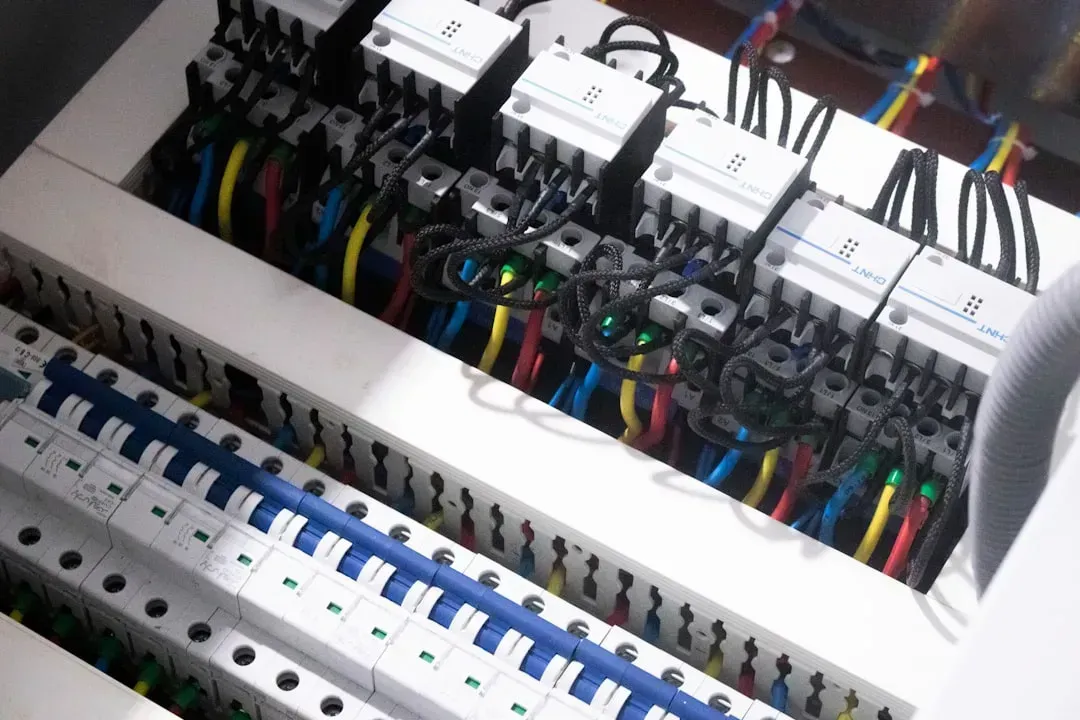
Swapping a light switch is one thing. Opening up the main service panel, where the full current from the utility line enters the house, is an entirely different level of risk. Even with the main breaker off, the lines feeding into the panel from the meter stay live, and contact with them can be fatal.
The stakes aren’t theoretical. Home electrical fires account for an estimated 51,000 fires each year, nearly 500 deaths, more than 1,400 injuries, and $1.3 billion in property damage. Licensed electricians know how to de-energize a panel safely and pull the permits that ensure the work meets code, and a thorough inspection by qualified electricians helps ensure all electrical work in the home meets the safety provisions in the NEC.
Related: If You Had One of These 12 Names, You Were Probably a Kid in the 1990s
2. Running new gas lines or connecting gas appliances
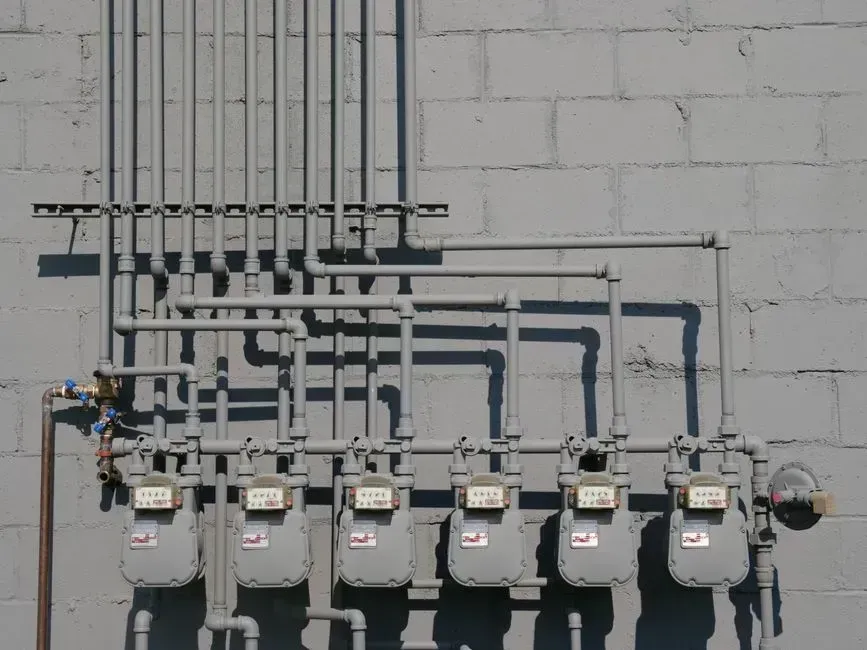
Gas work looks simple on paper. Thread a pipe, apply some sealant, tighten a fitting. In practice, a poorly seated connection can leak invisibly for weeks before anyone notices a smell, and by then the risk has already been building.
Carbon monoxide is the quiet danger here, since it has no color or odor of its own. On average, more than 200 people in the United States die every year from carbon monoxide produced by non-automotive consumer products, including malfunctioning fuel-burning appliances such as furnaces, ranges, and water heaters. Most municipalities require a licensed plumber or gas fitter to pull a permit for this kind of work anyway, so skipping the professional often means skipping the safety check too.
Related: Americans Are Quietly Steering Clear of These 11 Grocery Chains Over Growing Quality Concerns
3. Replacing or repairing a roof
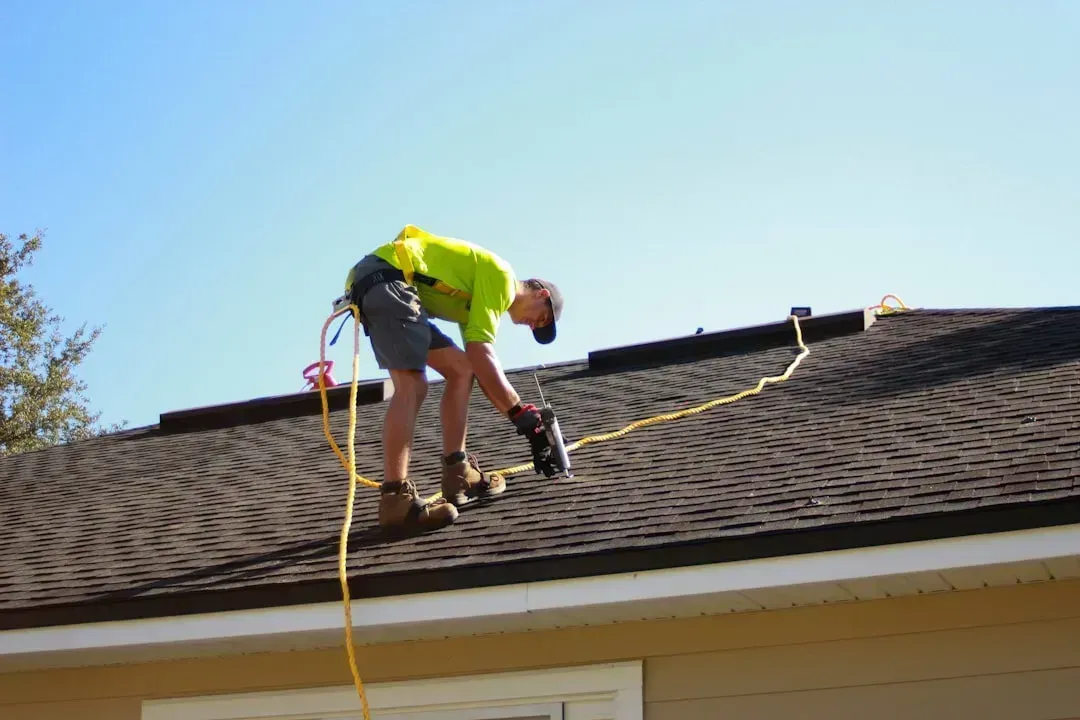
Roofing looks manageable from the ground. Once you’re standing on a 30-degree pitch with a nail gun in one hand, it stops feeling that way fast. Slippery shingles, unstable footing, and the simple fact that a fall from height rarely ends well combine to make this one of the more dangerous DIY projects a homeowner can attempt.
Ladders themselves are part of the problem, since most roof work starts and ends with one. Each year, there are more than 164,000 emergency room-treated injuries and 300 deaths in the U.S. caused by falls from ladders. Professional roofers use harnesses, roof jacks, and years of muscle memory for where to place their weight, none of which a weekend project replicates.
4. Removing large trees near the house
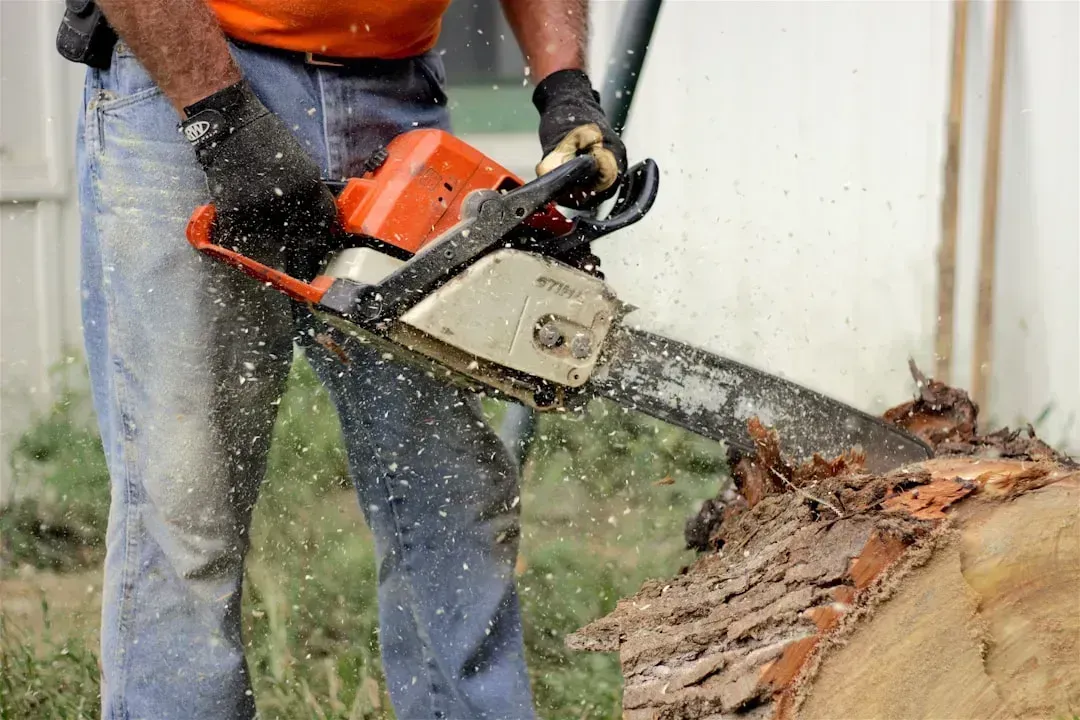
A tree that’s leaning toward the roof or dropping branches over the driveway feels like a job for a chainsaw and a free afternoon. It rarely is. Trees fall in directions nobody predicted, chainsaws kick back without warning, and a single misjudged cut can send tons of wood crashing into a house, a car, or a person.
The numbers back up the caution here. According to Census of Fatal Occupational Injuries statistics, 80 people die on average each year in the United States from tree-care activities, and separately, nearly 128,000 people were treated in a US emergency department for chainsaw-related injuries between 2018 and 2022. Certified arborists carry insurance and rigging equipment specifically because this work goes wrong more often than people expect.
5. Removing or altering load-bearing walls
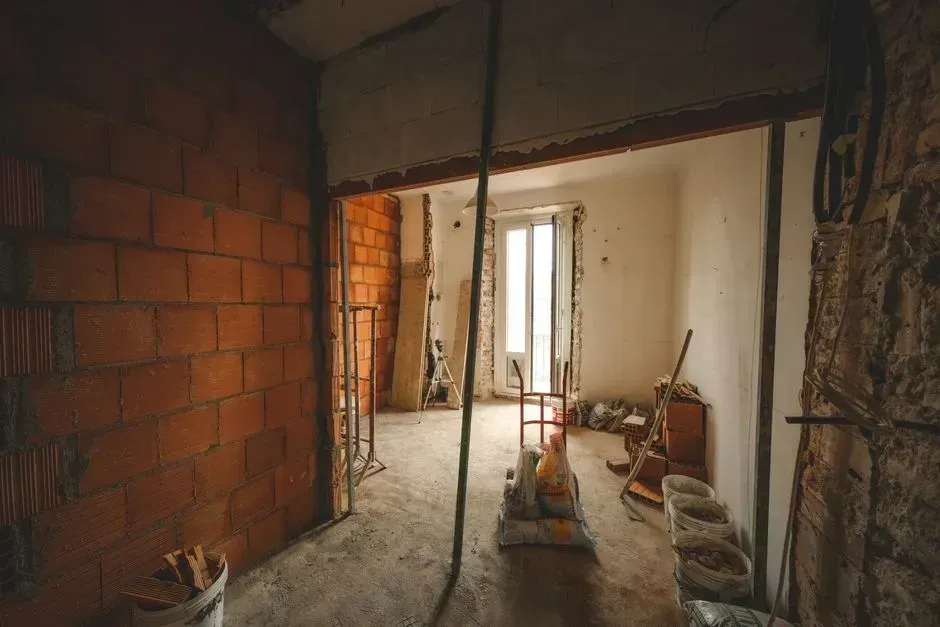
Open-concept living rooms are popular, and knocking down “just one wall” sounds like a weekend of demolition followed by a big reveal. The problem is figuring out, with certainty, whether that wall is holding up the floor above it. Guess wrong and you’re not just patching drywall, you’re dealing with a sagging ceiling or a cracked foundation.
A structural engineer or experienced contractor can identify load paths by checking joist direction, foundation footings, and framing plans, then design a proper beam or post system to replace the wall’s function. Skipping that step and relying on instinct is how homes end up with visible sags that show up months or years later. This is one of those jobs where the mistake isn’t obvious until it’s expensive.
6. Chimney repair and flue relining
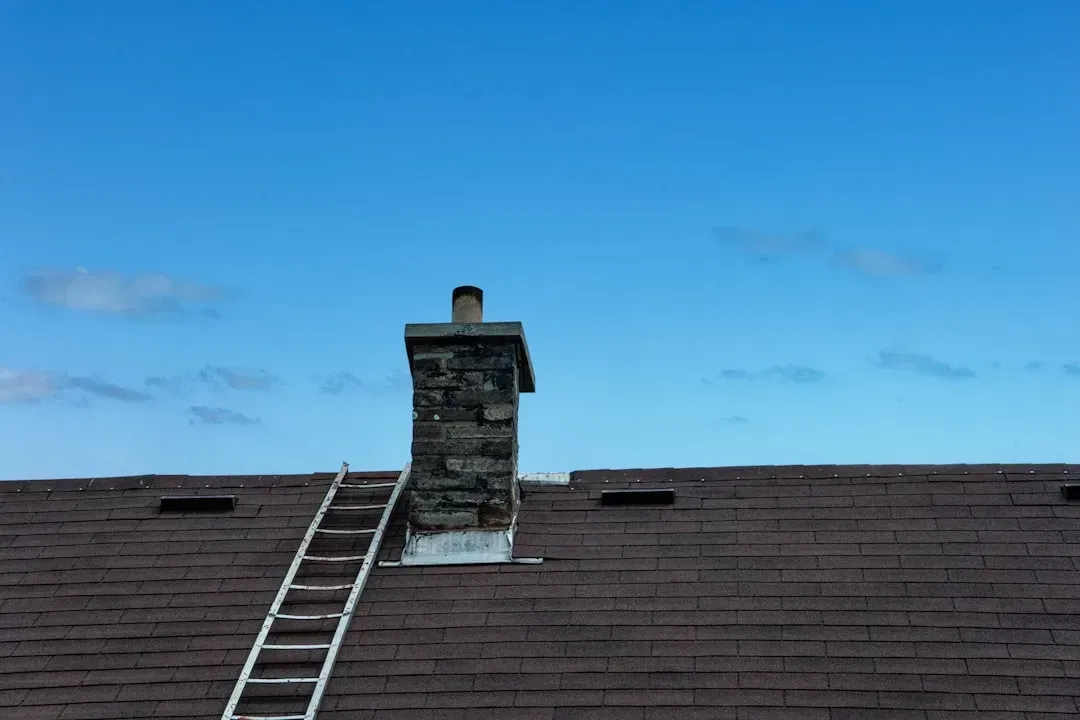
A cracked chimney cap or a few loose bricks near the top might tempt a confident homeowner to grab a ladder and some mortar. The trouble is that chimneys are built to handle extreme heat and constant pressure changes, and a repair that looks fine from the ground can still leave gaps that let carbon monoxide or sparks into the attic.
Flue liners in particular require precise sizing and sealing, since a damaged or improperly repaired liner can allow combustion gases to seep into living spaces. Certified chimney sweeps use cameras to inspect the full length of the flue, something a homeowner with a flashlight and a ladder simply can’t replicate. Given how often chimney fires start from buildup that’s invisible from below, this is a case where a professional inspection is worth the cost every single time.
7. Foundation crack repair and underpinning
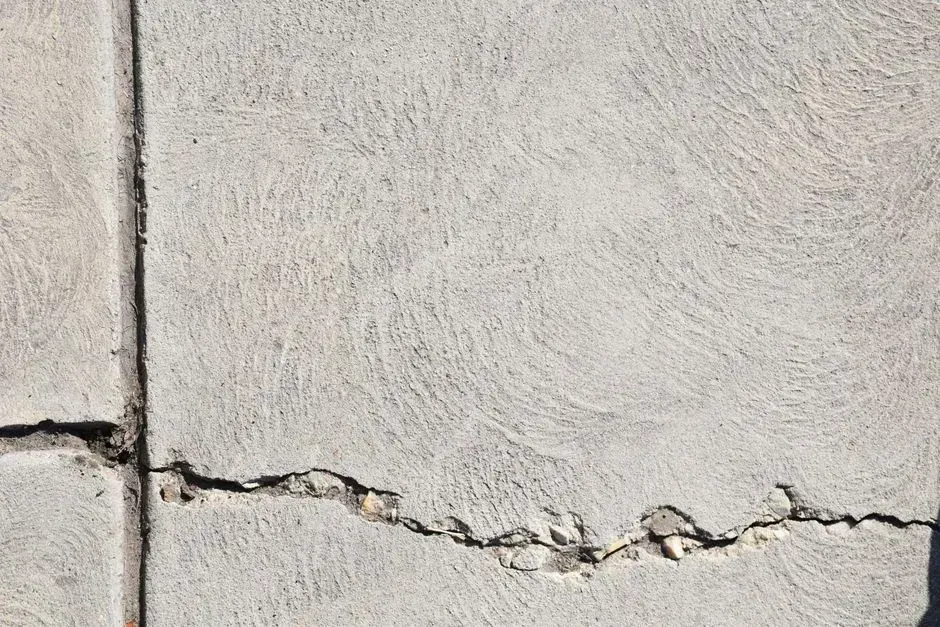
A hairline crack in the basement wall doesn’t seem urgent, so plenty of people grab a tube of epoxy and call it fixed. The issue is that not all cracks are cosmetic. Some indicate settling, water pressure from outside, or a foundation that’s actively shifting, and sealing the surface without addressing the cause just hides the problem until it resurfaces somewhere else.
Underpinning, which involves extending a foundation deeper into stable soil, is structural engineering work that requires soil analysis and precise sequencing so the house doesn’t shift unevenly during the process. Foundation specialists use hydraulic piers and monitoring equipment to control exactly how much a section of the house moves. Getting this wrong isn’t a minor mistake, it’s the kind of error that can compromise the entire structure.
8. Removing asbestos-containing materials
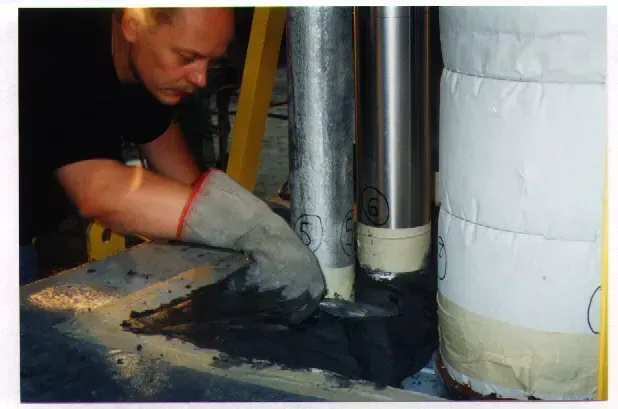
Homes built before the 1980s often contain asbestos in popcorn ceilings, old vinyl flooring, pipe insulation, or textured wall coatings. The material itself is stable when left alone, but disturbing it during a renovation releases microscopic fibers into the air that can settle in the lungs for decades before causing disease.
Licensed abatement contractors use negative air pressure containment, HEPA filtration, and specific wetting techniques to keep fibers from spreading during removal. They’re also required to dispose of the material according to environmental regulations that vary by state. Scraping a popcorn ceiling yourself without testing it first is one of those shortcuts that offers no visible warning sign until years later.
9. Repairing or replacing the main sewer line
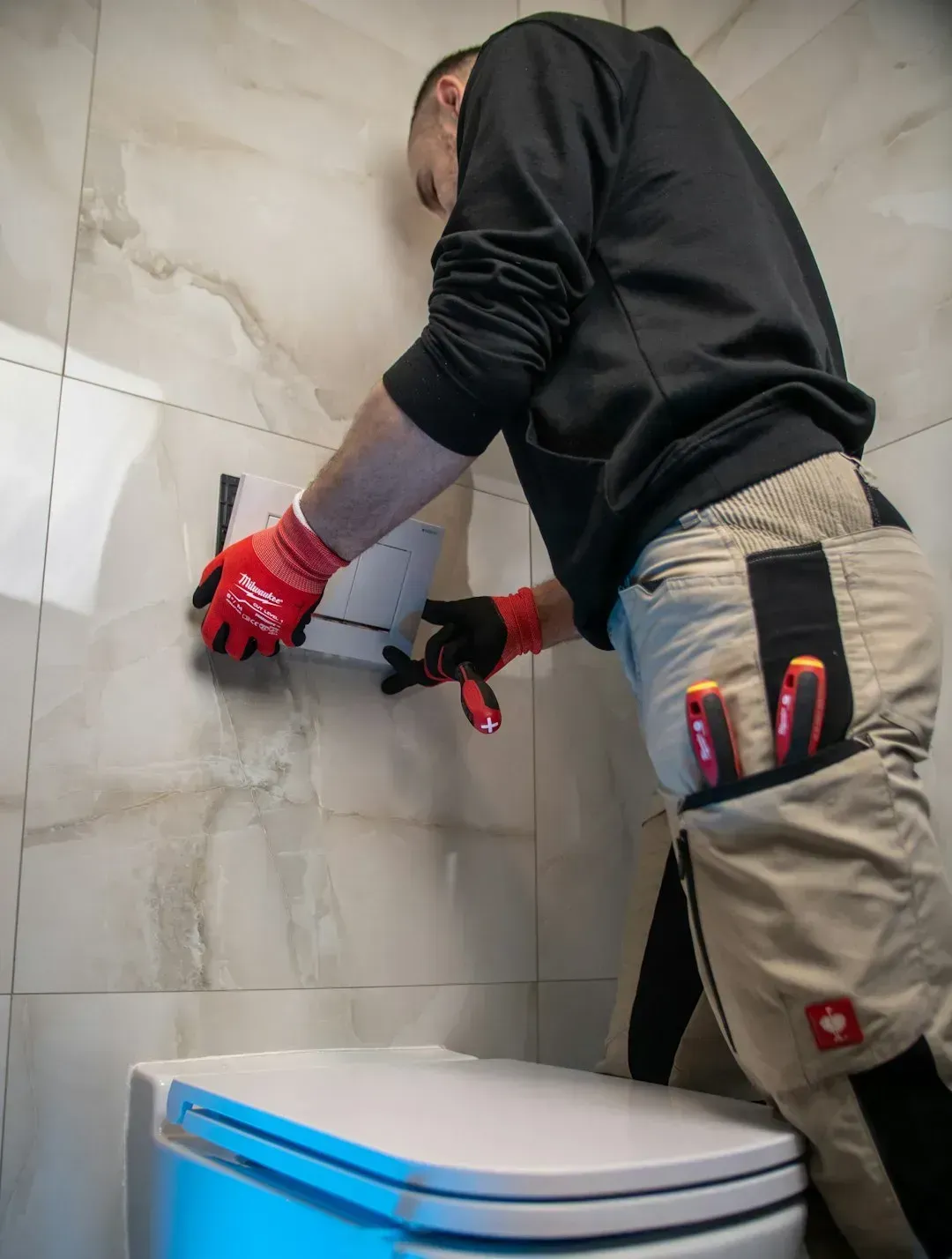
A slow drain or a gurgling toilet might point to a clog you can clear yourself. A collapsed or root-infiltrated main sewer line is a different animal entirely, often buried several feet underground and running beneath landscaping, driveways, or even the foundation itself. Digging it up without knowing exactly where it runs risks hitting gas lines, electrical conduit, or water pipes.
Professional plumbers use camera inspections to locate the exact point of failure before any digging starts, and many now use trenchless repair methods that avoid tearing up the yard altogether. Sewer gas exposure and the physical risk of trench collapse are also real concerns that most homeowners aren’t equipped to manage safely. This is a job where guessing at the problem usually makes it worse before it gets better.
10. Working on a septic system
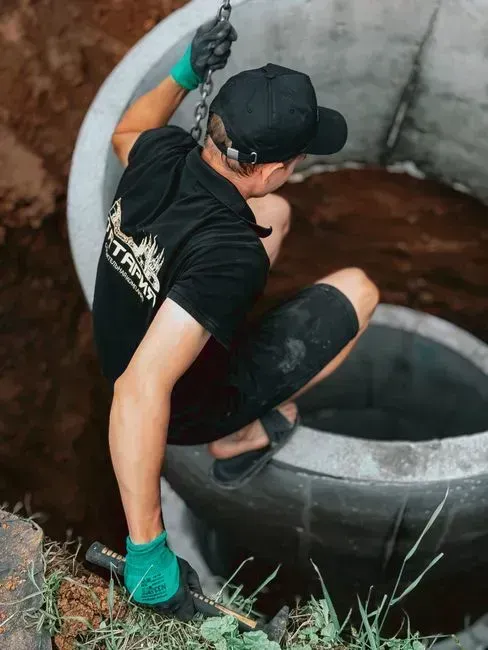
Septic tanks hold waste that produces methane and hydrogen sulfide gas, both of which can be dangerous in enclosed or poorly ventilated spaces. Opening a tank lid to investigate a backup or a bad smell exposes a person to gases that can cause dizziness, unconsciousness, or worse in high enough concentrations.
Septic professionals carry gas detection equipment and know the proper pumping schedule and drain field maintenance that keeps a system running for decades. They also understand local health department regulations around septic sizing and placement that a homeowner attempting a repair might not even know exist. Given how quickly gas buildup can turn dangerous, this is one job where curiosity really doesn’t pay.
11. HVAC refrigerant handling and gas furnace repair
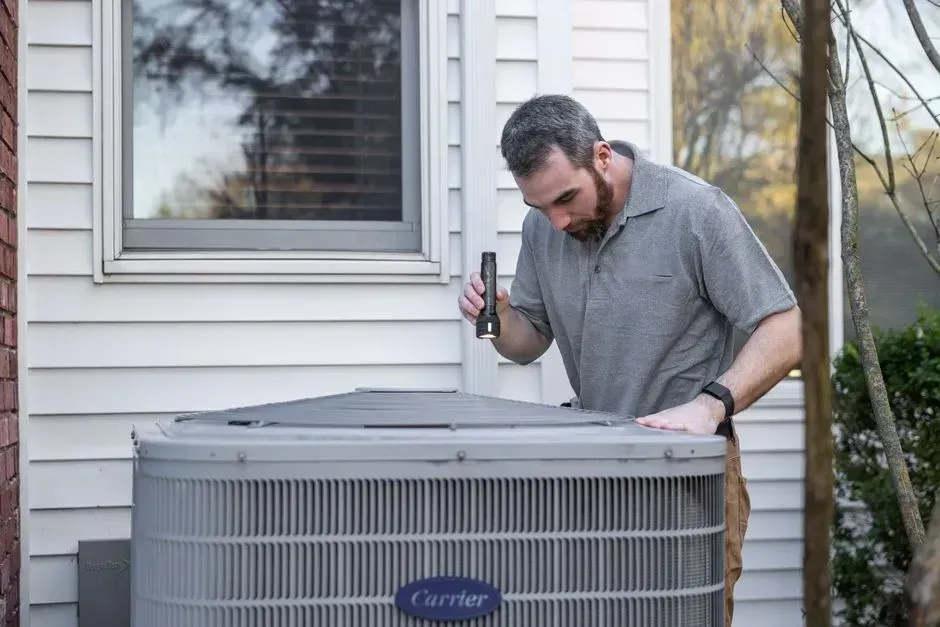
Modern refrigerants are regulated substances, and federal law under the Clean Air Act requires an EPA Section 608 certification just to legally purchase or handle most of them. Beyond the legal issue, refrigerant lines operate under significant pressure, and a poorly sealed connection can release gas that’s harmful to breathe in concentrated amounts.
Gas furnaces add another layer of risk, since improper repairs to the heat exchanger or venting can allow combustion gases to leak into the ductwork. HVAC technicians test for gas leaks, verify proper draft and venting, and calibrate systems with tools most homeowners don’t own. A furnace that seems to be running fine can still be venting improperly, which is exactly why professional combustion testing exists.
12. Installing a gas water heater
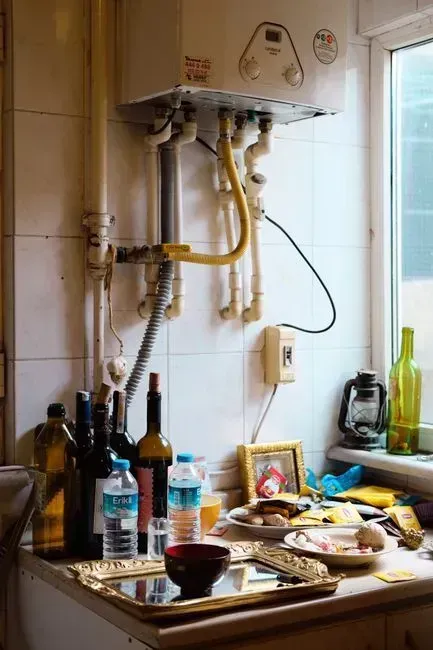
Swapping a water heater seems straightforward until the gas line and venting come into play. A misaligned exhaust pipe or an incorrectly sized flue can let combustion byproducts drift back into the house instead of escaping outside, and the symptoms of that mistake often don’t show up immediately.
Most jurisdictions require a permit and inspection for water heater installation specifically because of this risk. Carbon monoxide is associated with about 500 unintentional, non-fire-related deaths each year, with roughly 40 percent of those tied to consumer products rather than vehicle exhaust. A licensed plumber checks venting slope, gas pressure, and relief valve function as standard practice, steps that are easy to skip when working alone.
13. Large window and glass door replacement
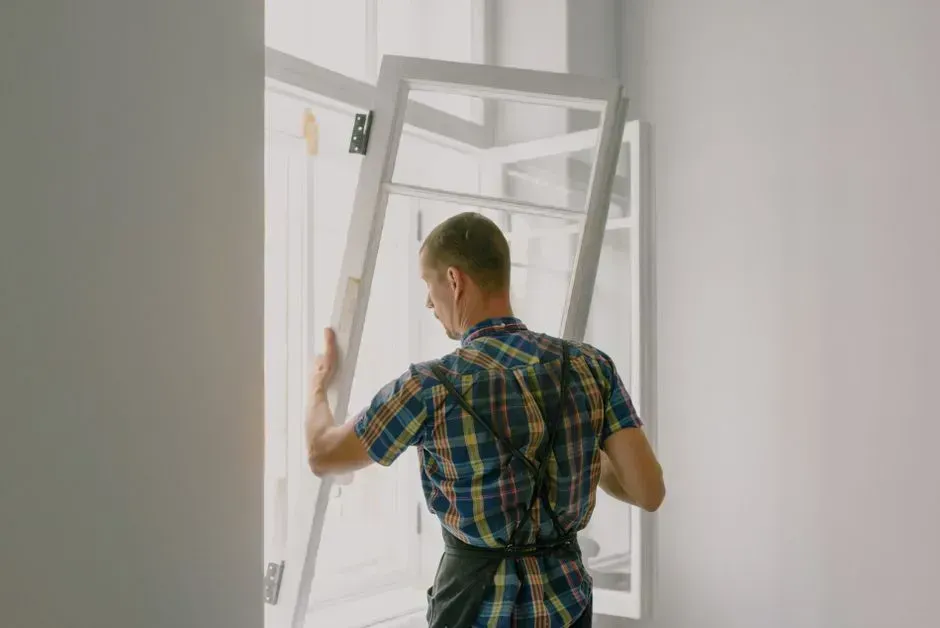
A cracked windowpane in a small frame is manageable for most people. A full-size picture window or a heavy sliding glass door is a different challenge, involving weight, precise measurements, and glass that can shatter under uneven pressure during installation. Tempered glass in particular can fail suddenly if it’s stressed the wrong way while being set into a frame.
Professional glaziers use suction cups, setting blocks, and specific sealants designed for structural glazing that keep a window weathertight for years. An improperly sealed large window doesn’t just look bad, it can lead to water intrusion that rots framing behind the wall long before anyone notices. Given the combination of weight and fragility involved, this is a job where an extra set of trained hands makes a real difference.
14. Mold remediation behind walls
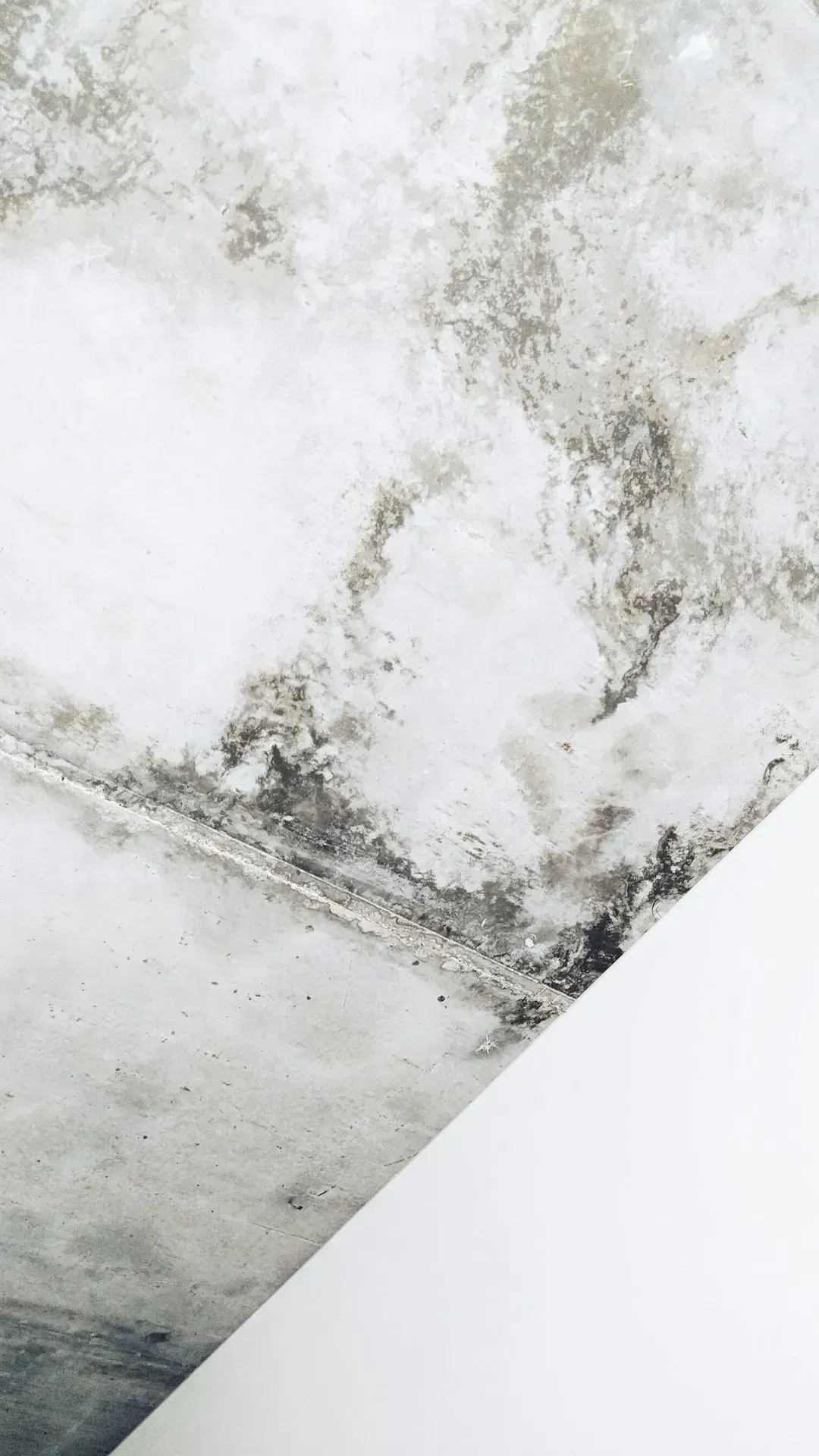
Finding a small patch of mold on a bathroom tile is one thing. Discovering it’s spread inside wall cavities after a slow plumbing leak is another. Disturbing contaminated drywall or insulation without proper containment can send spores throughout the house through the HVAC system, turning a localized problem into a whole-house one.
Remediation specialists use containment barriers, negative air machines, and antimicrobial treatments while also identifying and fixing the moisture source that caused the growth in the first place. Skipping that last step is common among DIY attempts, and it’s why mold often returns within months of an incomplete cleanup. Professionals also test air quality afterward to confirm the spore count has actually returned to normal levels.
15. Second-story exterior work on gutters, siding, and paint
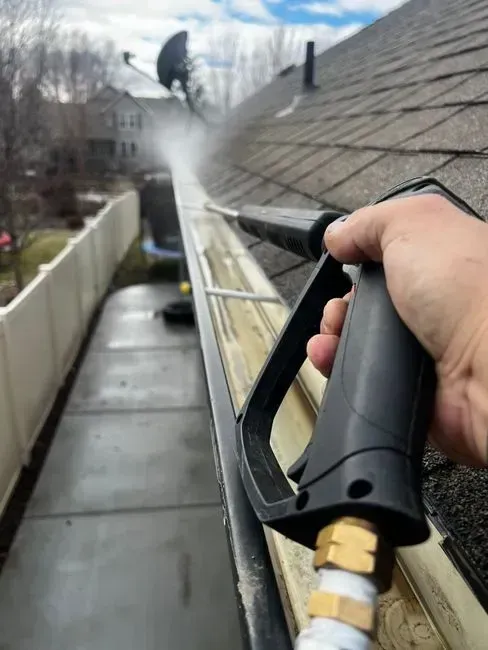
Cleaning gutters or repainting trim on a single-story ranch is a reasonable project. Doing the same work two or three stories up changes the equation entirely, since the margin for error on a ladder shrinks dramatically as the height increases. Overreaching to grab a far corner or shifting weight at the wrong moment is how most falls happen.
Fall statistics consistently point to ladders as a major contributor to home injury, and much of that risk clusters around exactly this kind of exterior work. Ladder falls account for about 20% of all fall-related injuries treated in US emergency departments. Contractors who do this work regularly use scaffolding, stabilizers, and fall-arrest gear that most garages simply don’t have on hand.
16. Structural framing changes for additions and deck ledgers
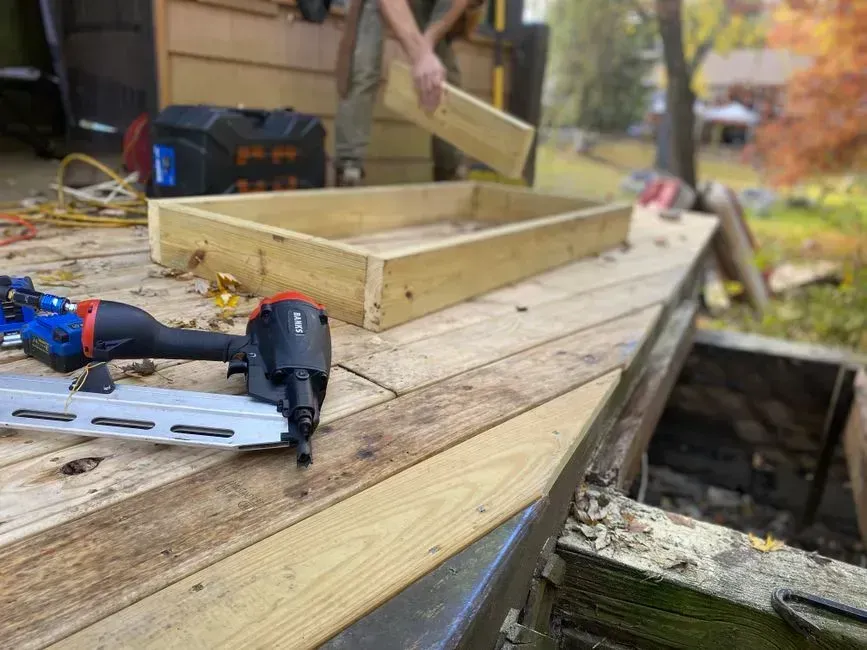
Building a deck or a small addition often comes down to one critical connection point, the ledger board that ties new framing to the existing house structure. If that ledger isn’t properly flashed, bolted, and spaced according to code, the whole structure can pull away from the house under load, sometimes without any obvious warning before it fails.
Building departments require permits and inspections for this kind of framing precisely because the failure mode is dangerous and often invisible until it’s too late. Contractors who specialize in additions understand span tables, load calculations, and proper flashing techniques that prevent water damage behind the connection over time. This is one of those jobs where the finished product might look identical whether it was done right or wrong, and the difference only shows up years later when something gives way.





Leave a Reply